



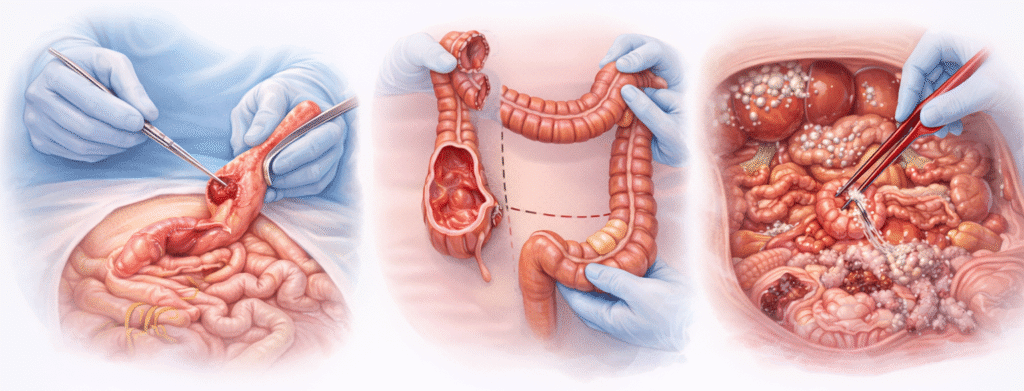



Appendiceal Cancer Treatment in Mohali
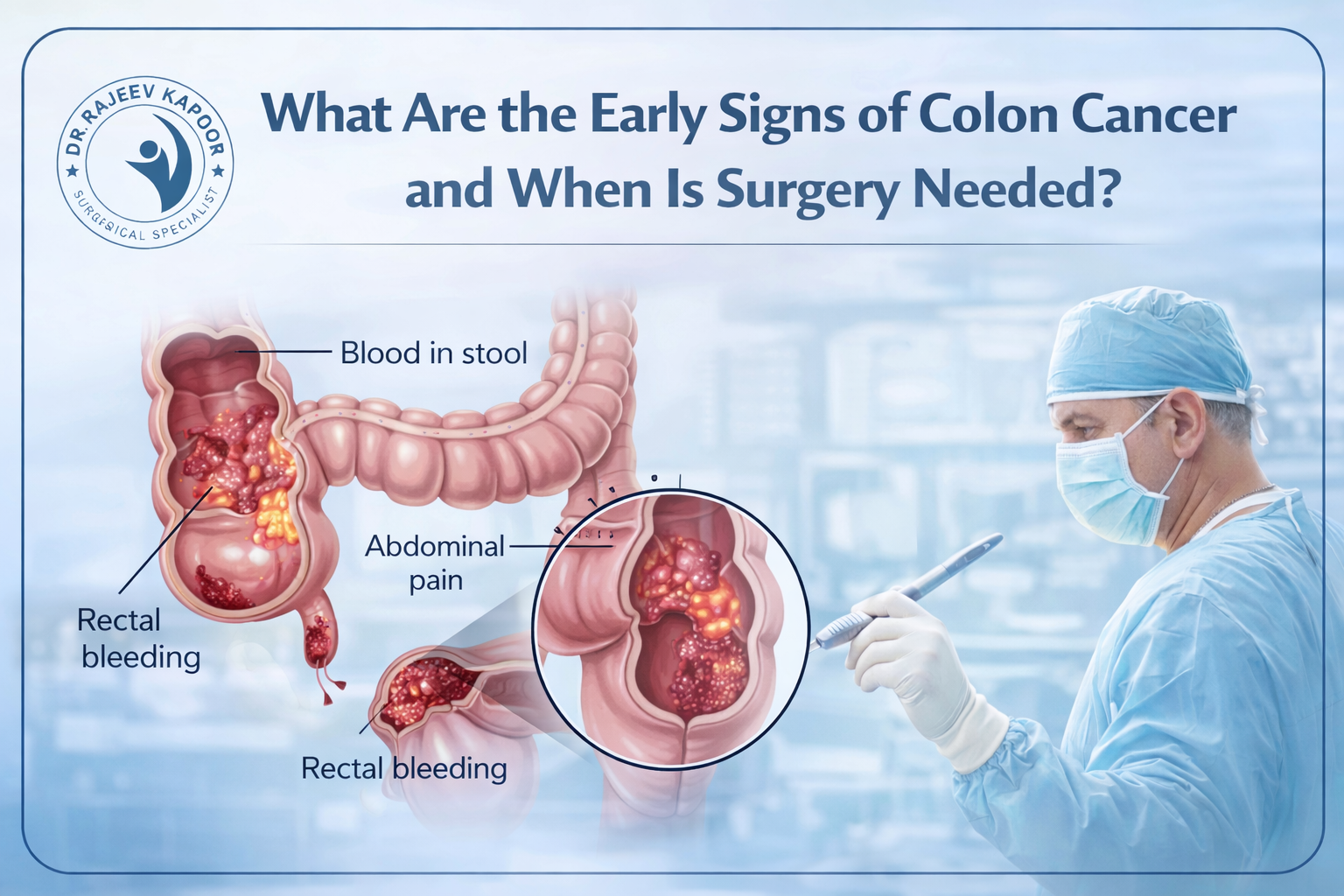
Appendiceal cancer is a rare condition in which abnormal cells develop in the appendix, a small pouch attached to the large intestine. Due to its rarity, appendiceal cancer is often detected incidentally during evaluation or surgery for other abdominal conditions, such as appendicitis.
Management of appendiceal cancer depends on the type of tumor, stage of disease, and individual patient factors. This page provides general information about appendiceal cancer and its treatment approach.
Understanding Appendiceal Cancer
The appendix is a narrow, tube-like structure connected to the cecum of the colon. Appendiceal cancers can arise from different types of cells within the appendix and may behave differently depending on their histological nature.
Some appendiceal tumors may grow slowly, while others can be more aggressive. Accurate diagnosis and staging are important for appropriate management.
Diagnosis of Appendiceal Cancer
Diagnosis is based on clinical evaluation and investigations, which may include:
- Imaging studies such as CT scans
- Surgical findings during appendectomy
- Histopathological examination of the removed appendix
- Additional imaging or tests for staging, if required
These evaluations help determine the type and extent of the disease.
Common Symptoms
Appendiceal cancer may not cause specific symptoms in early stages. When symptoms occur, they may resemble other abdominal conditions.
Abdominal pain, often in the lower right side
Abdominal distension or bloating
Changes in bowel habits
Nausea or vomiting
Role of Surgery in Appendiceal Cancer
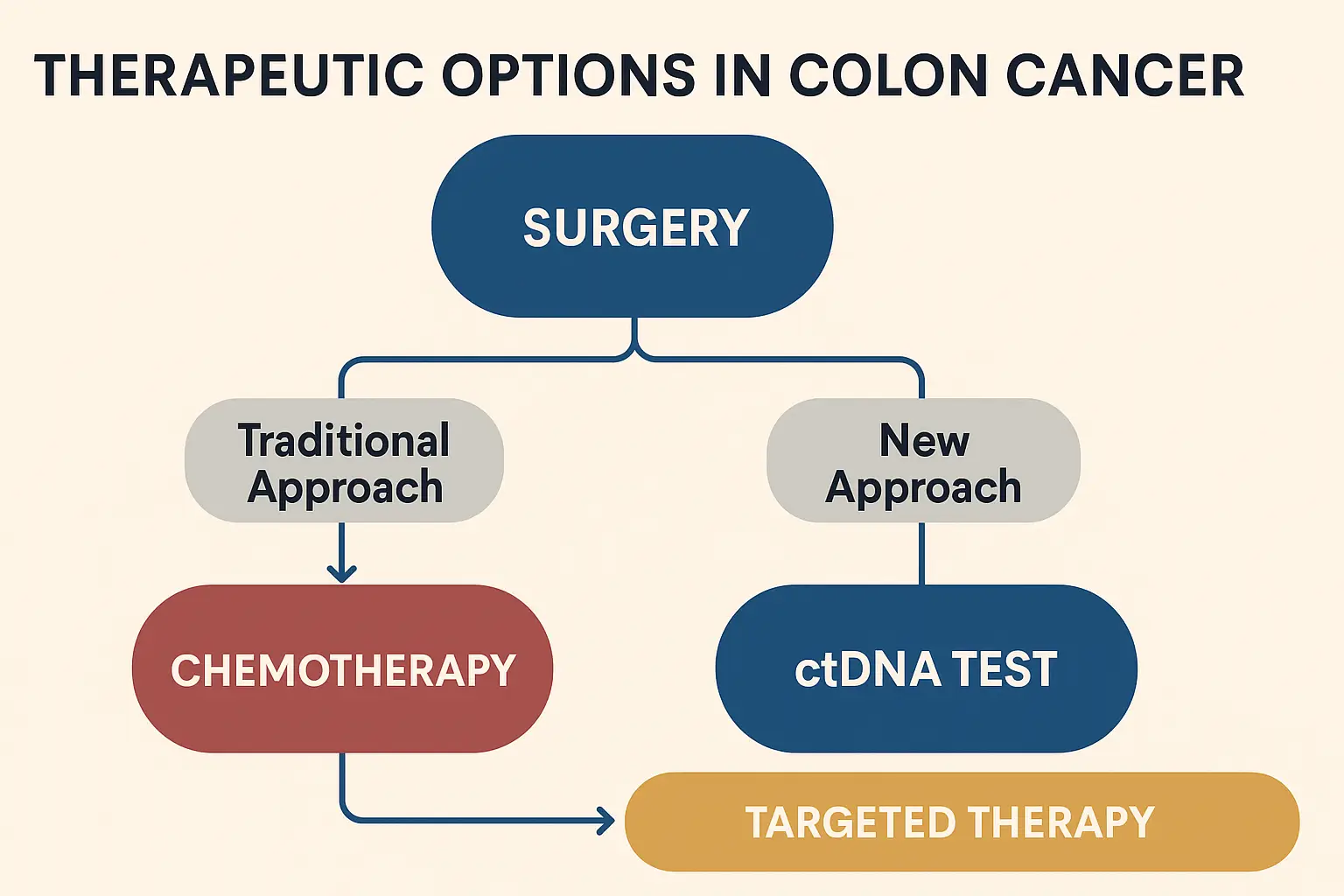
Surgery plays an important role in the management of appendiceal cancer. The extent of surgery depends on factors such as:
- Tumor type
- Size and spread of the disease
- Involvement of surrounding organs
In some cases, removal of the appendix alone may be sufficient, while in others, more extensive surgery involving adjacent portions of the colon may be required.
Types of Surgical Procedures
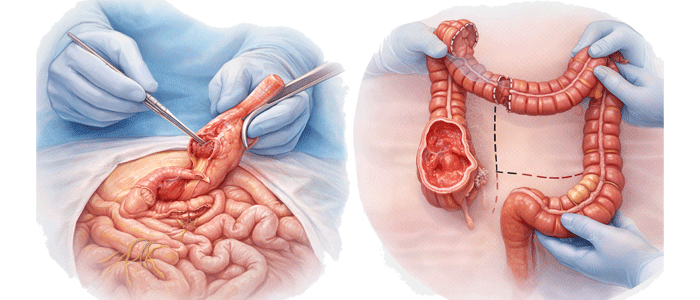
Based on clinical findings, surgical options may include:
:
- Appendectomy
- Right hemicolectomy
- Cytoreductive surgery in selected cases
Appendectomy
Right hemicolectomy
Cytoreductive surgery in selected cases
Pre-treatment Assessment
Before treatment, patients generally undergo:
- Clinical evaluation
- Relevant imaging studies
- Laboratory investigations
- Assessment of overall medical fitness
This helps guide appropriate treatment planning.
Post-treatment Care and Follow-Up
Post-treatment care typically involves:
- Monitoring during recovery
- Follow-up consultations
- Review of histopathology reports
- Ongoing surveillance as advised
Follow-up schedules are determined on an individual basis.
About the Author of This Information
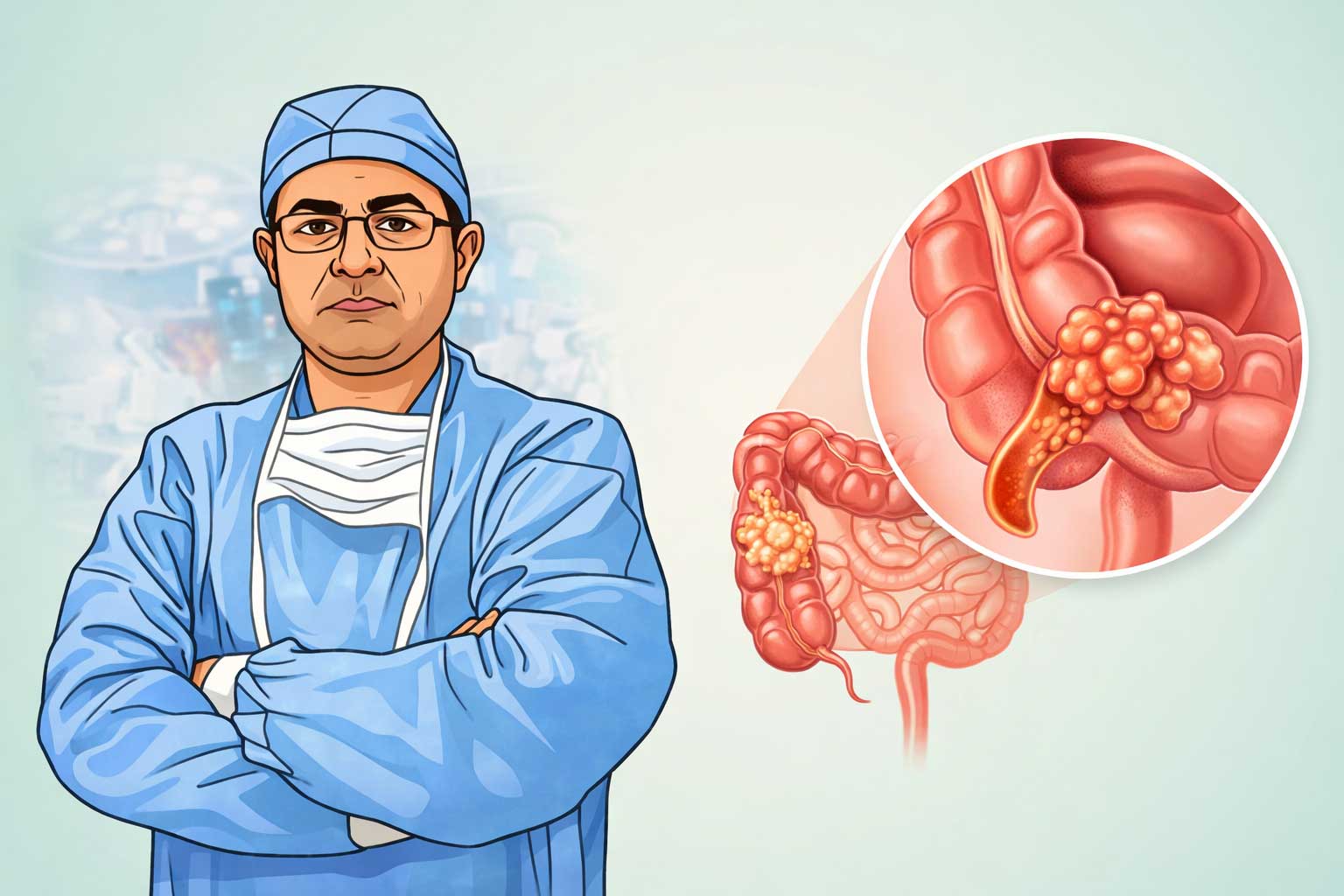
Dr. Rajeev Kapoor is a practicing surgeon based in Mohali, Punjab. He provides clinical services in the field of gastrointestinal, colorectal, and general surgery. This website is intended for informational and educational purposes only.
Disclaimer
The information provided on this page is for general educational purposes only. It is not a substitute for professional medical advice, diagnosis, or treatment. Treatment decisions should be made after consultation with a qualified medical professional, based on individual clinical evaluation.