Anal Incontinence Management in Mohali

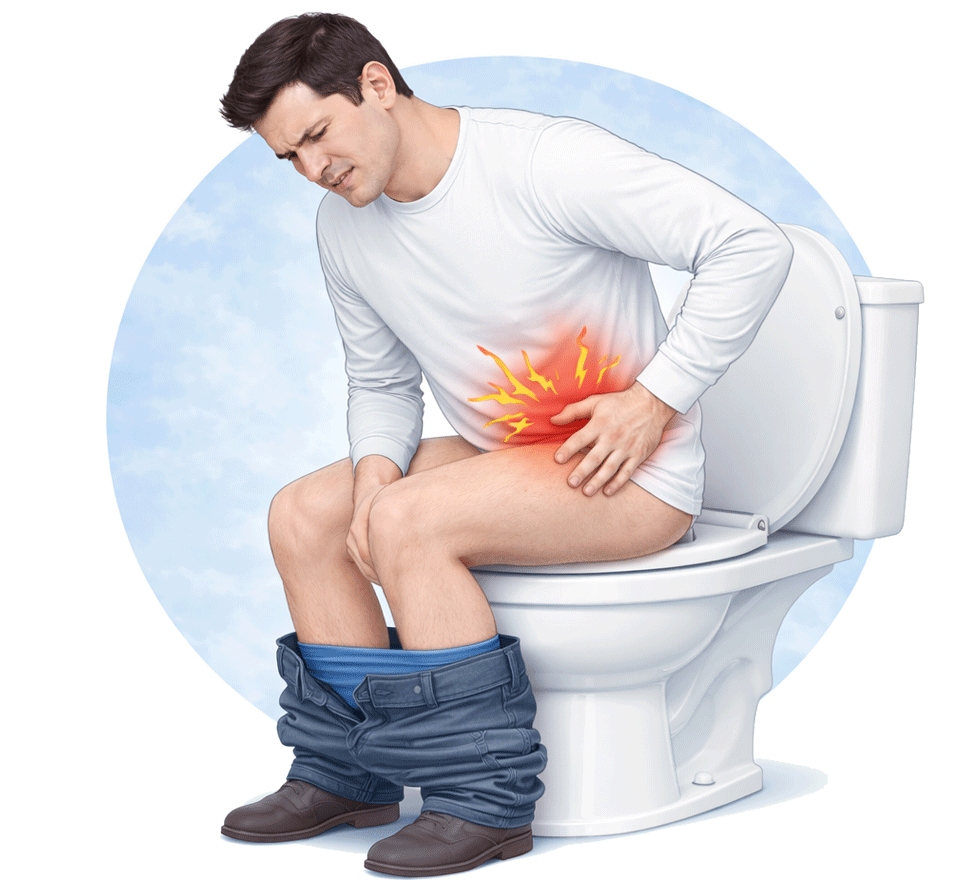
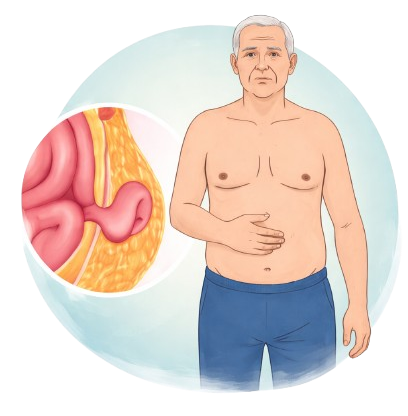
Anal incontinence, also known as fecal incontinence, refers to the inability to control bowel movements, resulting in involuntary passage of stool or gas. The condition can vary in severity and may significantly affect quality of life.
Management depends on the underlying cause, symptom severity, and individual patient factors.
Understanding Anal Incontinence

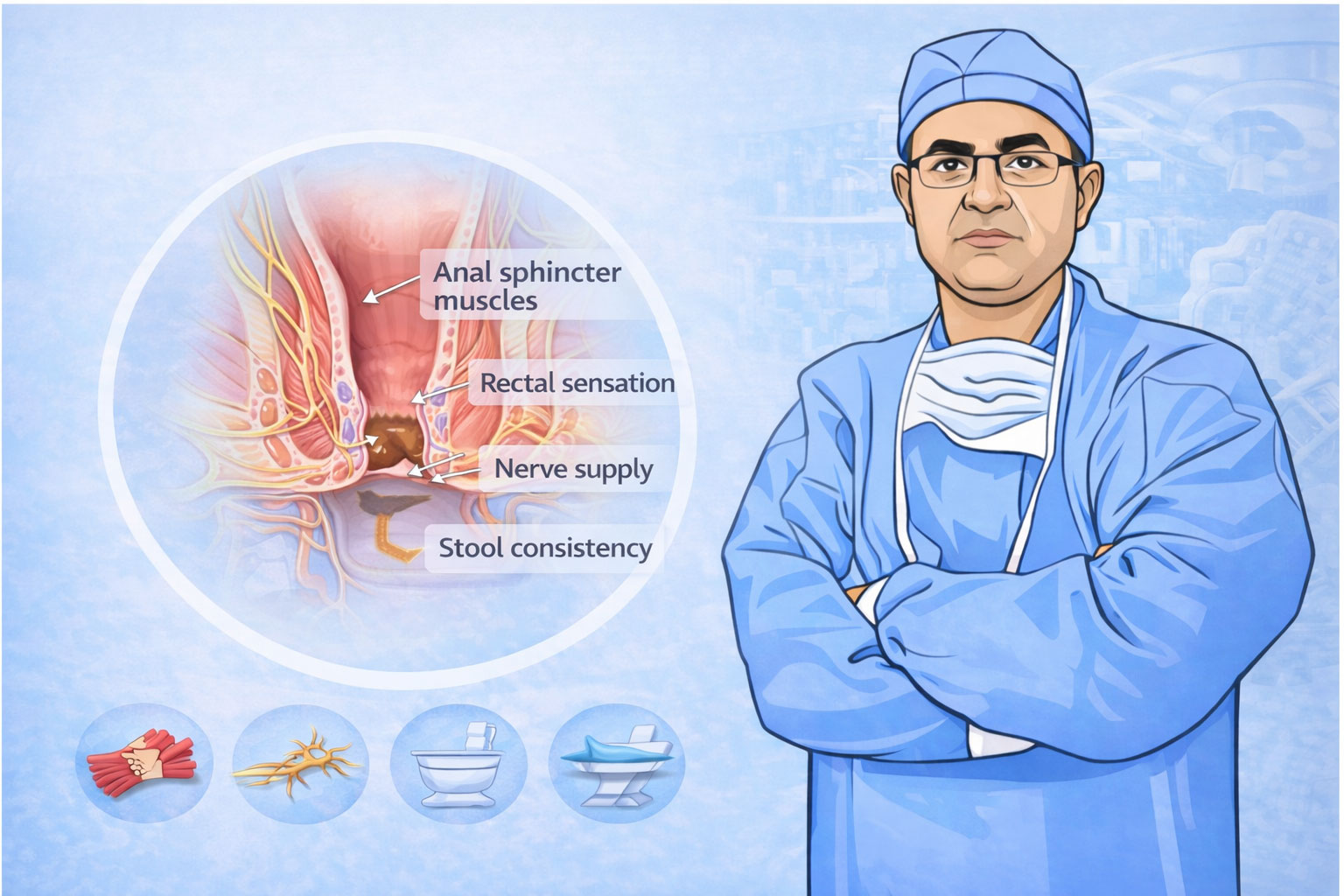
Normal bowel control depends on coordinated function of:
  • Anal sphincter muscles
  • Rectal sensation
  • Nerve supply
  • Stool consistency
Disruption in any of these mechanisms may lead to impaired bowel control.
Common causes may include:
  • Injury to the anal sphincter muscles
  • Nerve damage
  • Chronic diarrhea
  • Complications after anorectal surgery
  • Childbirth-related trauma

Common Symptoms

Symptoms may vary and may include:

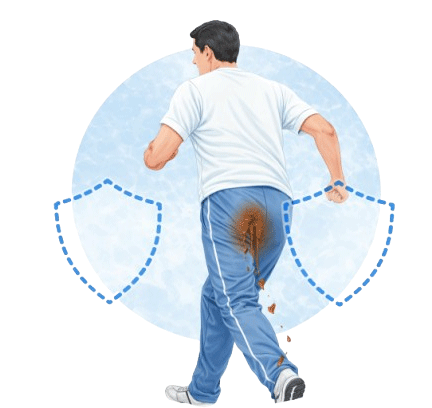
Leakage of stool during activities

Inability to control passage of stool

Difficulty controlling gas

Urgency with limited warning

The degree of incontinence can range from occasional leakage to complete loss of bowel control.

Diagnosis

Evaluation typically includes:
  • Detailed medical history
  • Physical examination
  • Assessment of sphincter tone
  • Imaging studies such as endoanal ultrasound or MRI when indicated
  • Anorectal manometry in selected cases
These investigations help identify the underlying cause and guide management.

Non-Surgical Management

Initial treatment often focuses on conservative measures, which may include:
  • Dietary modification
  • Regulation of stool consistency
  • Pelvic floor exercises
  • Biofeedback therapy
  • Medication when appropriate
Management is individualized based on symptom severity.

Role of Surgical Management

Surgery may be considered in cases where:
  • There is structural damage to the sphincter
  • Conservative measures are ineffective
  • Specific anatomical defects are identified
Surgical options depend on the underlying cause and extent of sphincter involvement.

Types of Surgical Procedures

Depending on clinical findings, procedures may include:
  • Sphincter repair
  • Injectable bulking agents
  • Other reconstructive procedures in selected cases
The choice of intervention is determined after comprehensive evaluation.

Pre-treatment Assessment

Before initiating treatment, patients typically undergo:
  • Clinical evaluation
  • Imaging or functional testing when required
  • Assessment of overall medical condition
This helps in appropriate treatment planning.

Post-treatment Care and Follow-Up

Post-treatment care may involve:
  • Monitoring of symptom improvement
  • Ongoing pelvic floor rehabilitation when advised
  • Scheduled follow-up consultations
Long-term follow-up may be recommended based on clinical progress.

About the Author of This Information

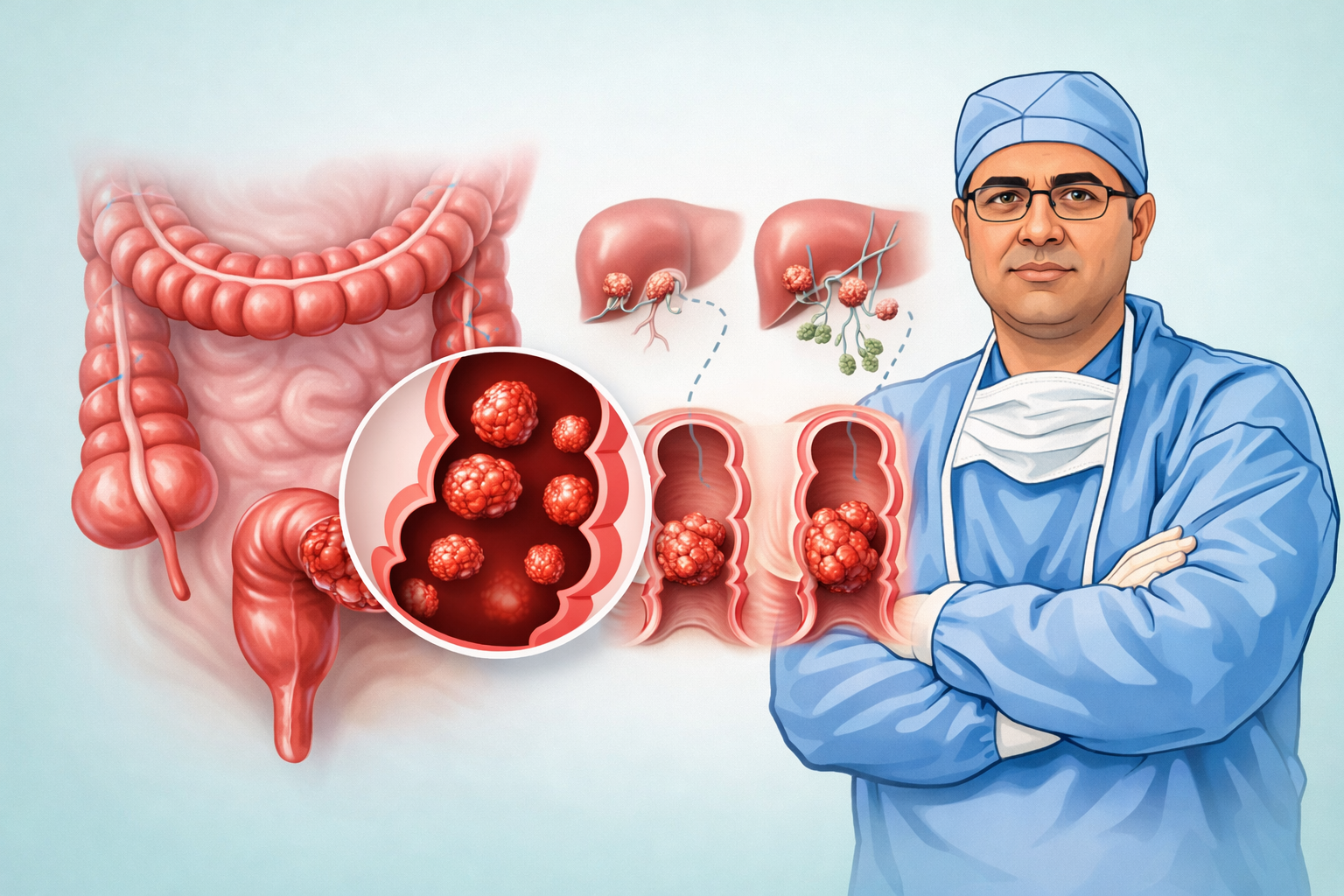
Dr. Rajeev Kapoor is a practicing surgeon based in Mohali, Punjab. He provides clinical services in the field of gastrointestinal, colorectal, and general surgery. This website is intended for informational and educational purposes only.

Disclaimer

The information provided on this page is for general educational purposes only. It is not a substitute for professional medical advice, diagnosis, or treatment. Treatment decisions should be made after consultation with a qualified medical professional, based on individual clinical evaluation.
Scroll to Top
Call Now Button