Colonoscopy in Mohali

Colonoscopy is a diagnostic procedure used to examine the inner lining of the large intestine (colon) and rectum. It is commonly performed to evaluate gastrointestinal symptoms, screen for colorectal conditions, and monitor certain diseases.
This page provides general information about colonoscopy and its role in clinical practice.

What Is a Colonoscopy?

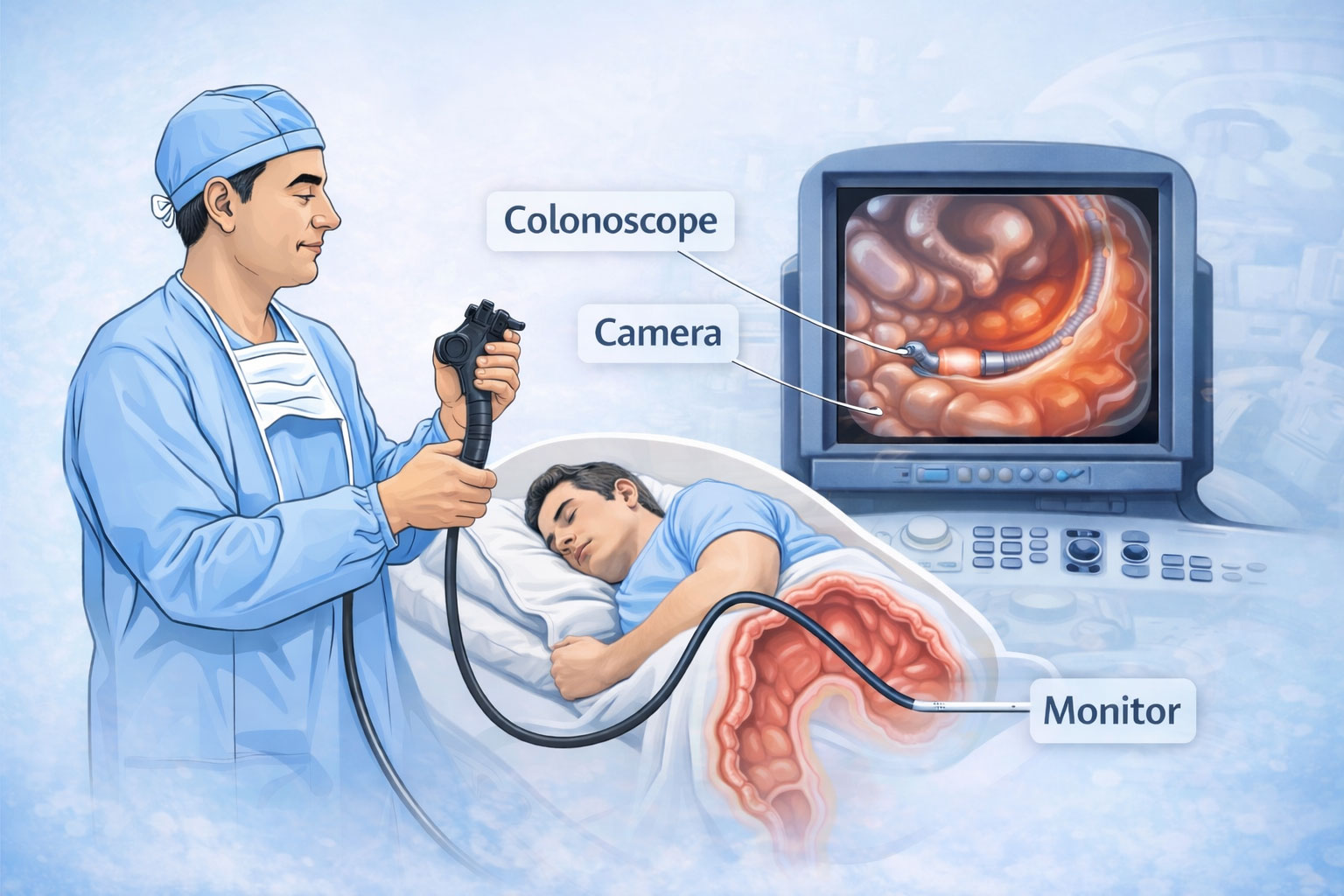
A colonoscopy is performed using a flexible tube equipped with a camera (colonoscope), which is gently inserted through the rectum to visualize the colon. The procedure allows direct inspection of the intestinal lining and enables biopsy or removal of certain lesions when required.
Colonoscopy may be recommended for diagnostic, screening, or surveillance purposes.

Preparation for Colonoscopy

Proper bowel preparation is necessary to allow clear visualization of the colon.
Preparation typically includes:
  • Dietary modification before the procedure
  • Prescribed bowel-cleansing medication
  • Temporary restriction of certain medications, if advised
Detailed instructions are provided prior to the procedure.

Indications for Colonoscopy

A colonoscopy may be advised in situations such as:

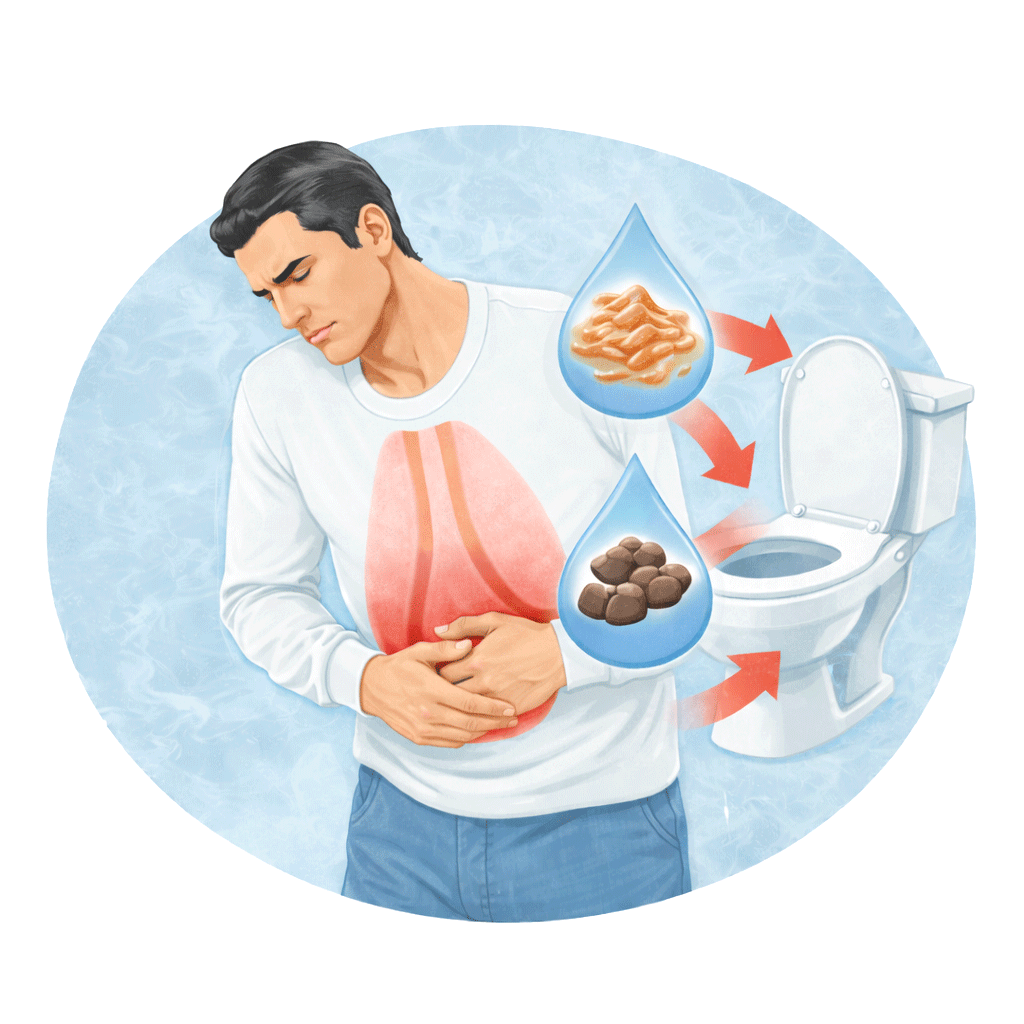
Persistent change in bowel habits

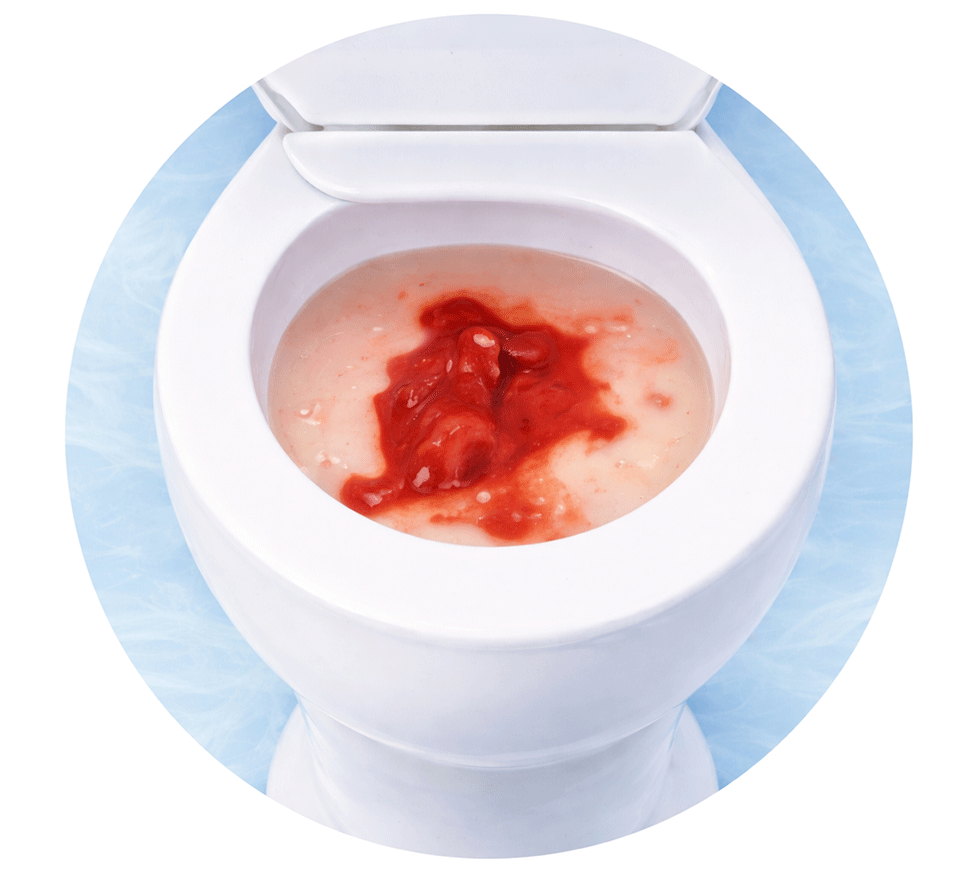
Rectal bleeding or blood in stool

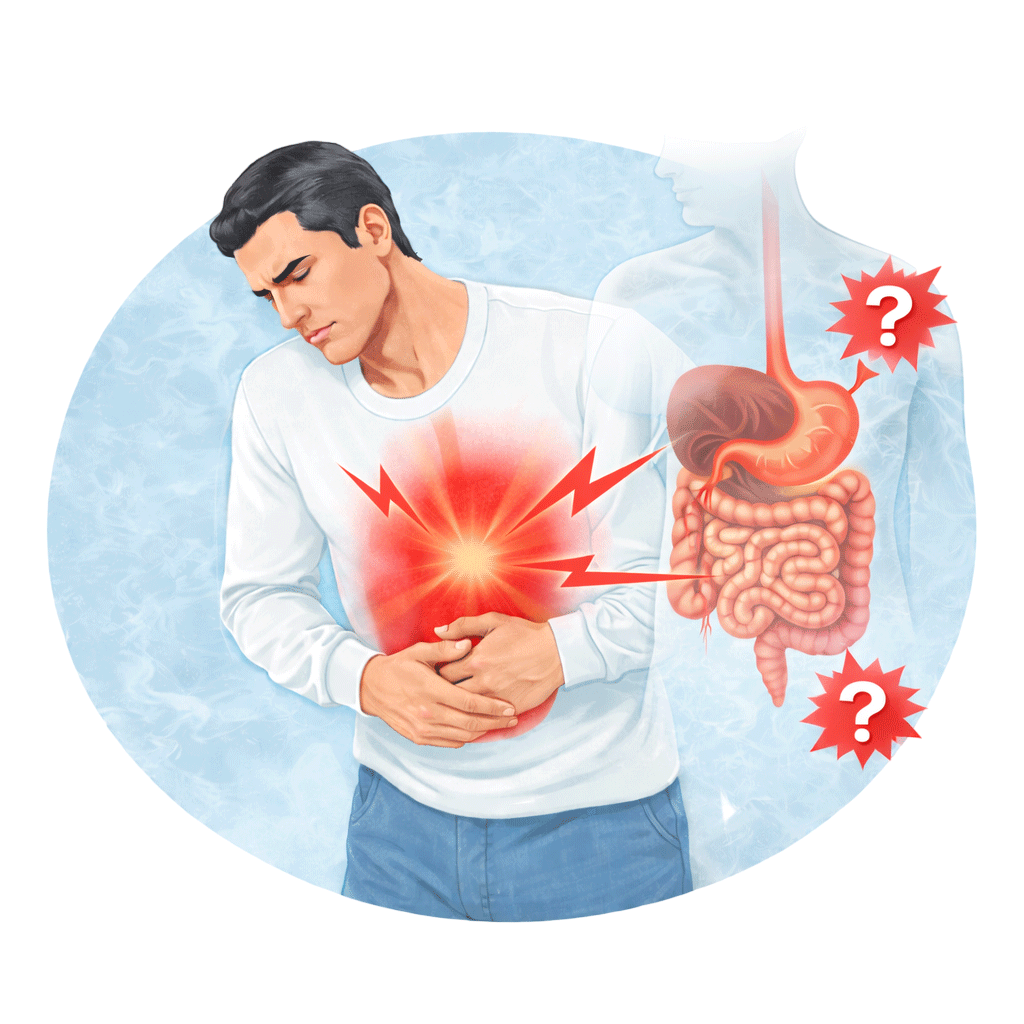
Unexplained abdominal pain

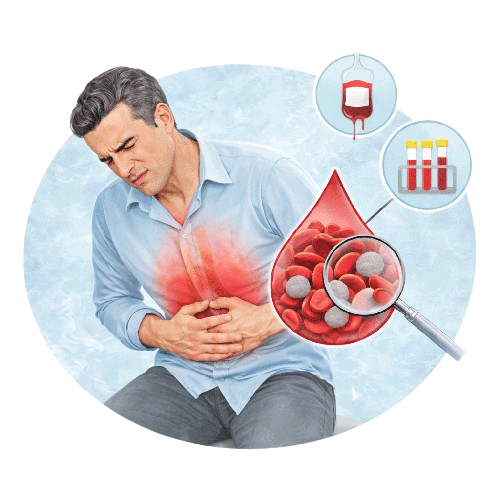
Evaluation of anemia

The decision to perform colonoscopy is based on clinical evaluation.

Preparation for Colonoscopy

Proper bowel preparation is necessary to allow clear visualization of the colon.
Preparation typically includes:
  • Dietary modification before the procedure
  • Prescribed bowel-cleansing medication
  • Temporary restriction of certain medications, if advised
Detailed instructions are provided prior to the procedure.

During the Procedure

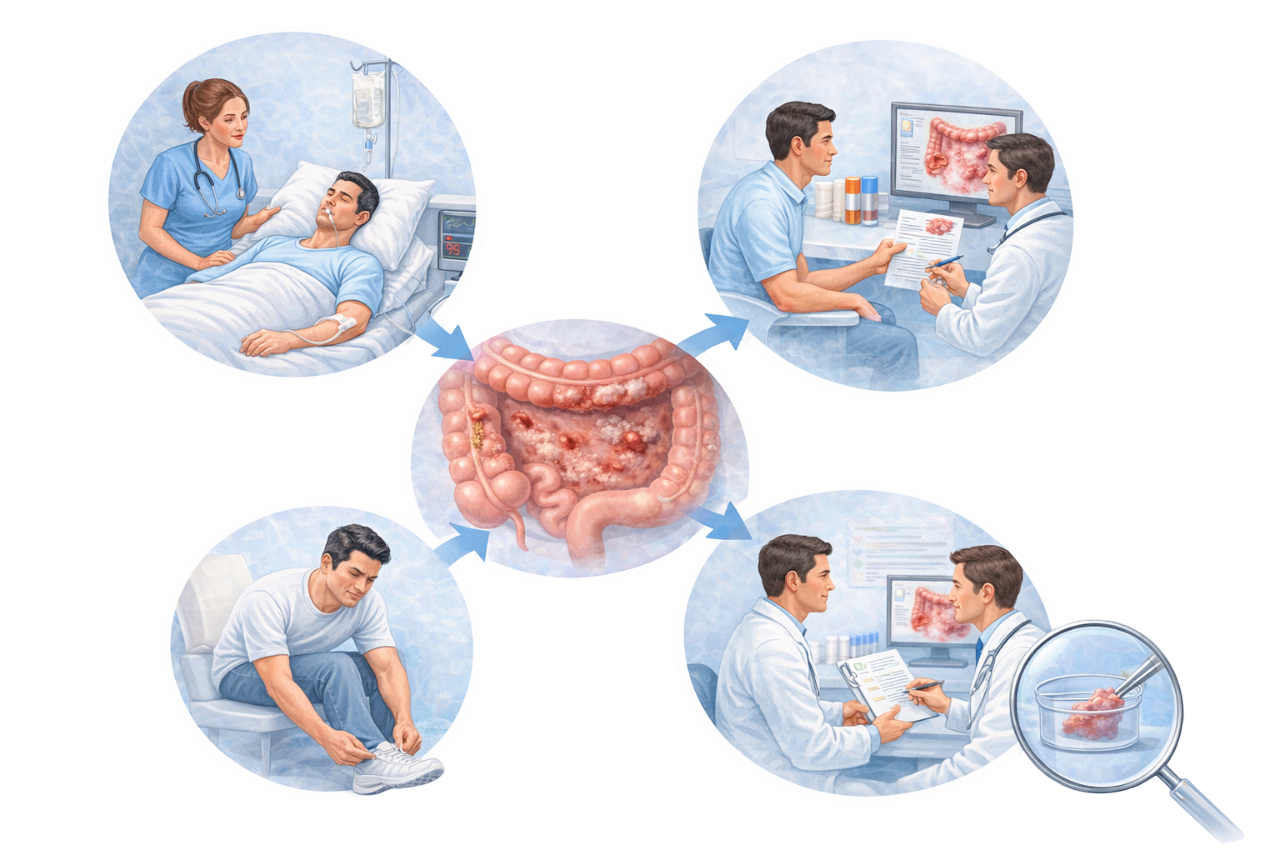
Colonoscopy is generally performed in a hospital or endoscopy setting. The procedure may involve:
  • Monitoring of vital signs
  • Administration of sedation, when appropriate
  • Careful advancement of the colonoscope to examine the colon
If polyps or abnormal areas are identified, biopsy or removal may be performed during the same procedure.

Possible Findings

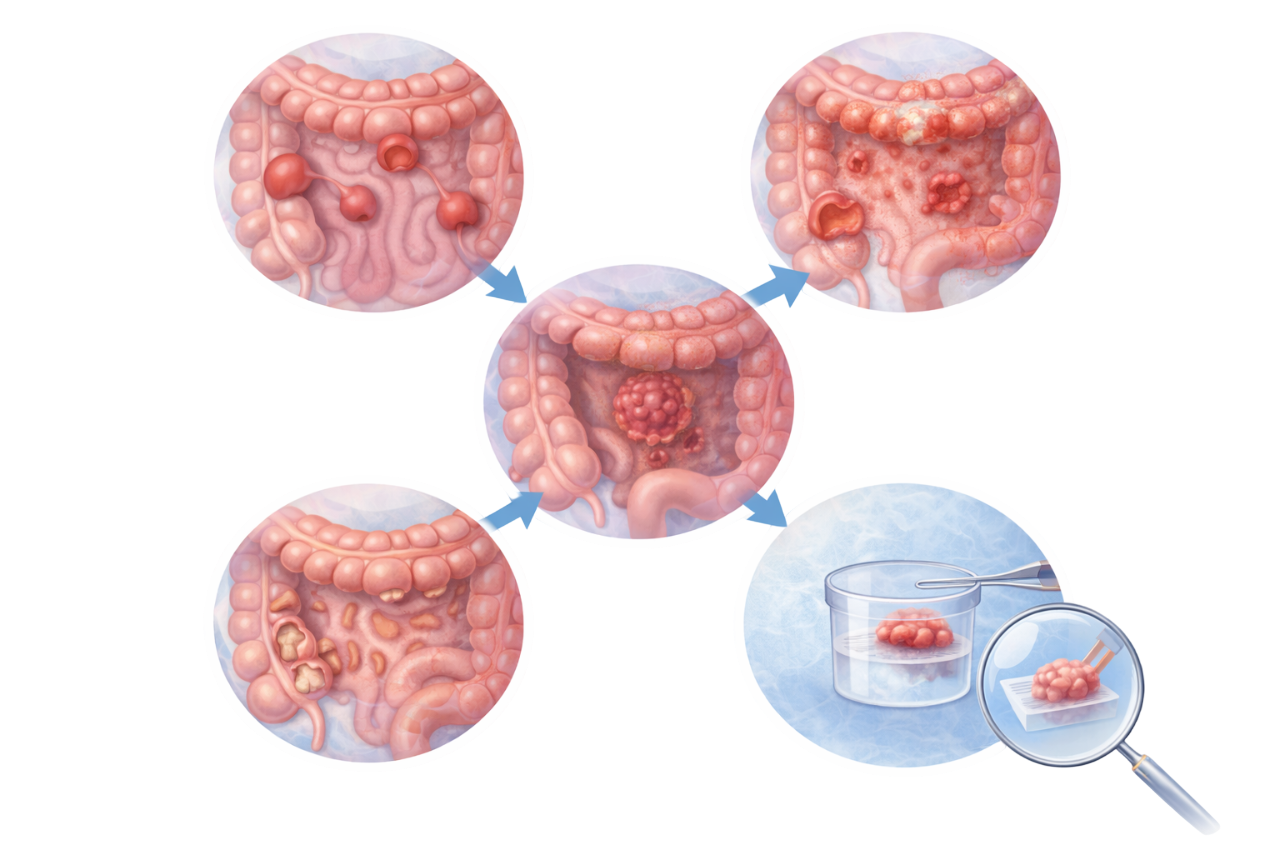
Colonoscopy may identify:
  • Colorectal polyps
  • Inflammatory changes
  • Ulcers
  • Tumors
  • Diverticular disease
Biopsy samples, when taken, are sent for histopathological examination.

After the Procedure

Following colonoscopy:
  • Patients are monitored until recovery from sedation
  • Mild bloating or discomfort may occur temporarily
  • Normal activities may usually be resumed as advised
If biopsies are taken, results are reviewed during follow-up consultation.

About the Author of This Information

Dr. Rajeev Kapoor is a practicing surgeon based in Mohali, Punjab. He provides clinical services in the field of gastrointestinal, colorectal, and general surgery. This website is intended for informational and educational purposes only.

Disclaimer

The information provided on this page is for general educational purposes only. It is not a substitute for professional medical advice, diagnosis, or treatment. Treatment decisions should be made after consultation with a qualified medical professional, based on individual clinical evaluation.
Scroll to Top
Call Now Button