Colorectal Polyps Treatment in Mohali
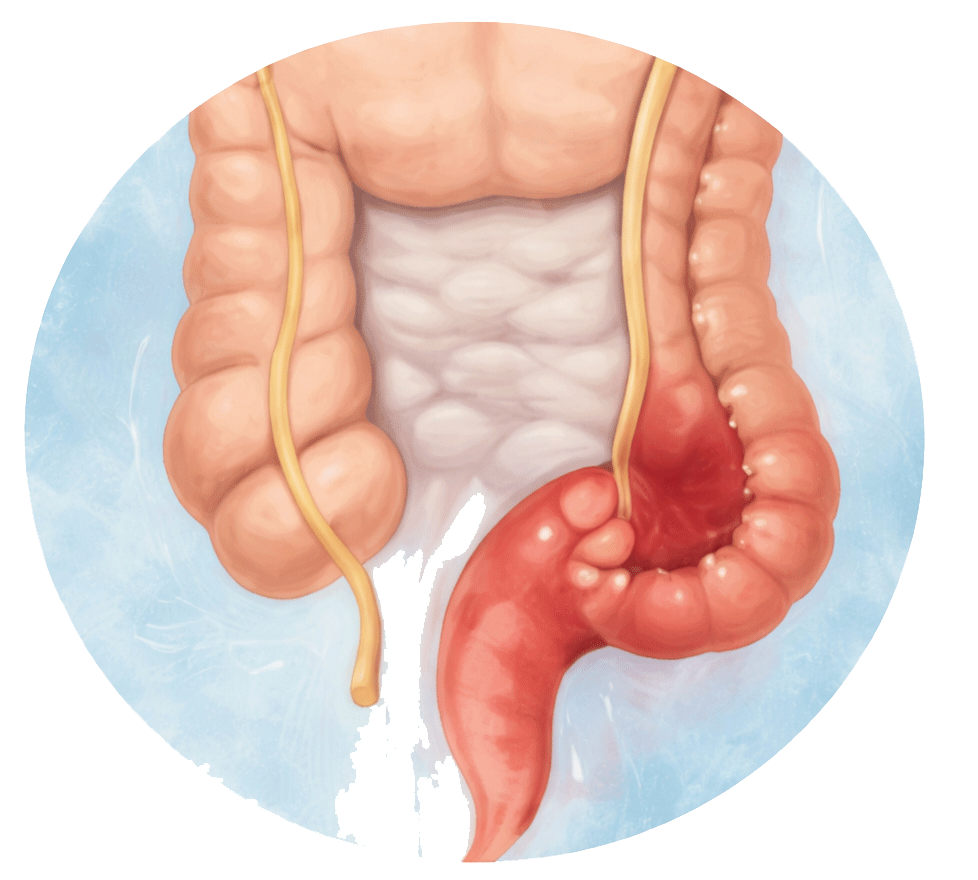
Colorectal polyps are abnormal tissue growths that develop on the inner lining of the colon or rectum. They are commonly detected during screening procedures such as colonoscopy. While many polyps are benign, some may have the potential to develop into cancer over time.
Management depends on the type, size, number, and histological characteristics of the polyps.
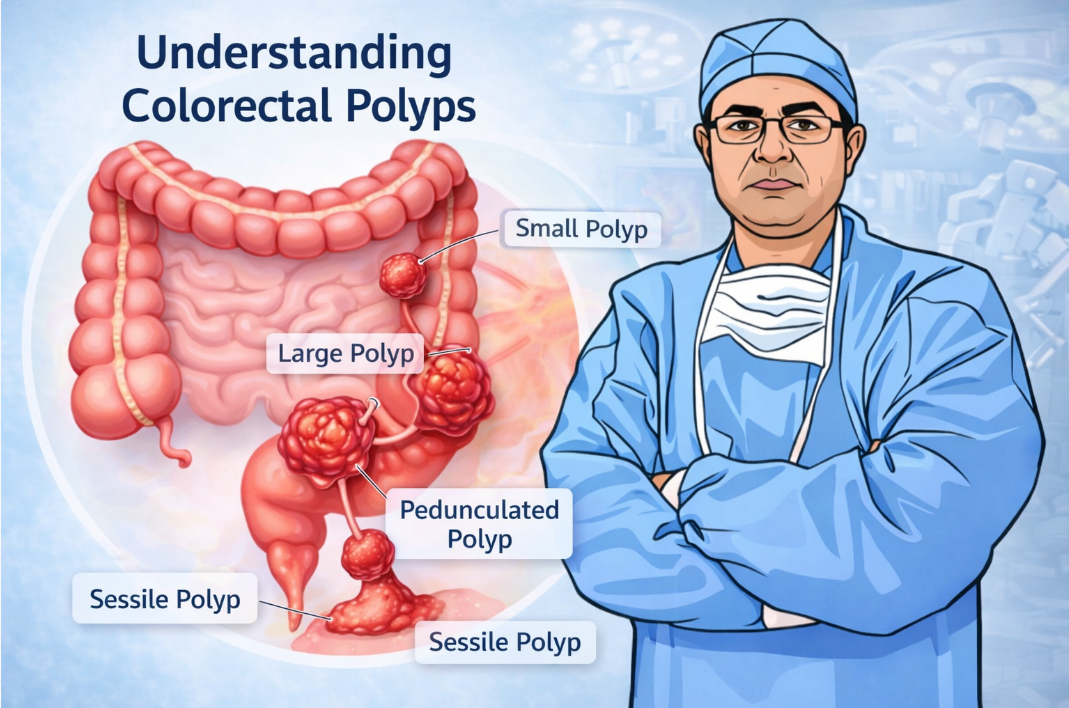
Understanding Colorectal Polyps
Polyps form when there is abnormal growth of cells in the lining of the colon or rectum. They can vary in size and appearance and may be flat or raised.
Common types of colorectal polyps include:
- Hyperplastic polyps
- Adenomatous polyps
- Serrated polyps
Certain types of polyps may carry a higher risk of malignant transformation, which is why identification and removal are important.
Diagnosis of Colorectal Polyps
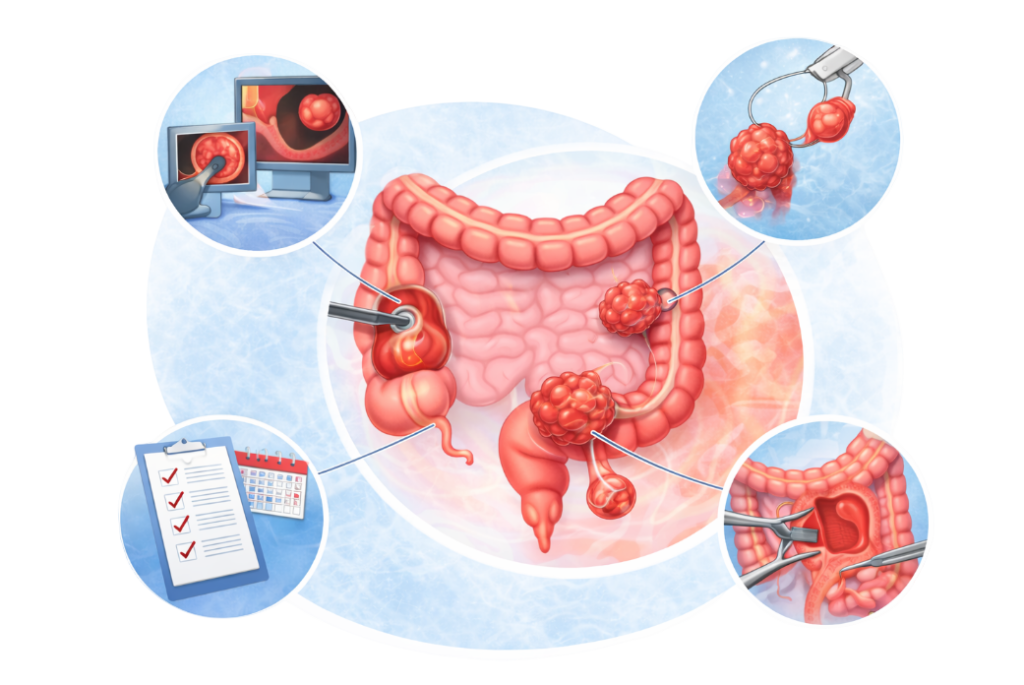
Diagnosis is primarily made through endoscopic evaluation.
Investigations may include:
- Colonoscopy
- Sigmoidoscopy
- Biopsy and histopathological examination
These investigations help determine the type of polyp and guide further management.
Common Symptoms
Many colorectal polyps do not cause symptoms and are detected incidentally during routine screening.
When symptoms are present, they may include:
Changes in bowel habits
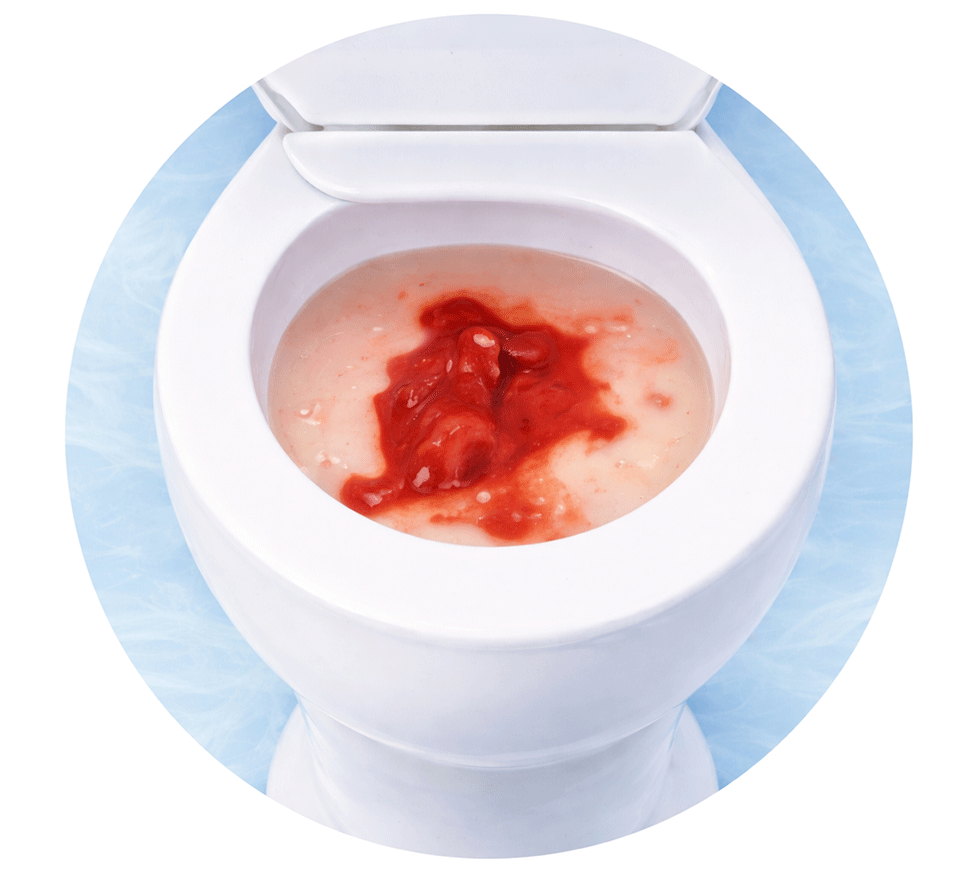
Blood in stool
Abdominal discomfort
Iron deficiency anemia in some cases
Symptoms of colon cancer may vary depending on the location and extent of the disease. Some individuals may not experience symptoms in early stages.
Management of Colorectal Polyps
Management depends on the characteristics of the polyp and may include:
- Endoscopic removal during colonoscopy
- Surgical removal in selected cases where endoscopic removal is not feasible
- Follow-up surveillance based on histology findings
Treatment decisions are individualized and based on established clinical guidelines.
Role of Surgery
Surgery may be considered when:
- Polyps are large or inaccessible endoscopically
- There is suspicion of malignant change
- Multiple or recurrent polyps are present
The extent of surgery is determined after thorough clinical evaluation.
Pre-procedure Assessment
Before endoscopic or surgical treatment, patients generally undergo:
- Clinical evaluation
- Bowel preparation
- Relevant laboratory investigations
These steps help ensure procedural safety.
Post-procedure Care and Follow-Up
After removal of polyps, follow-up care may include:
- Review of histopathology reports
- Scheduled surveillance colonoscopy
- Monitoring for recurrence
Follow-up intervals are based on polyp type and number.
About the Author of This Information
Dr. Rajeev Kapoor is a practicing surgeon based in Mohali, Punjab. He provides clinical services in the field of gastrointestinal, colorectal, and general surgery. This website is intended for informational and educational purposes only.
Disclaimer
The information provided on this page is for general educational purposes only. It is not a substitute for professional medical advice, diagnosis, or treatment. Treatment decisions should be made after consultation with a qualified medical professional, based on individual clinical evaluation.