Piles (Hemorrhoids) Treatment in Mohali

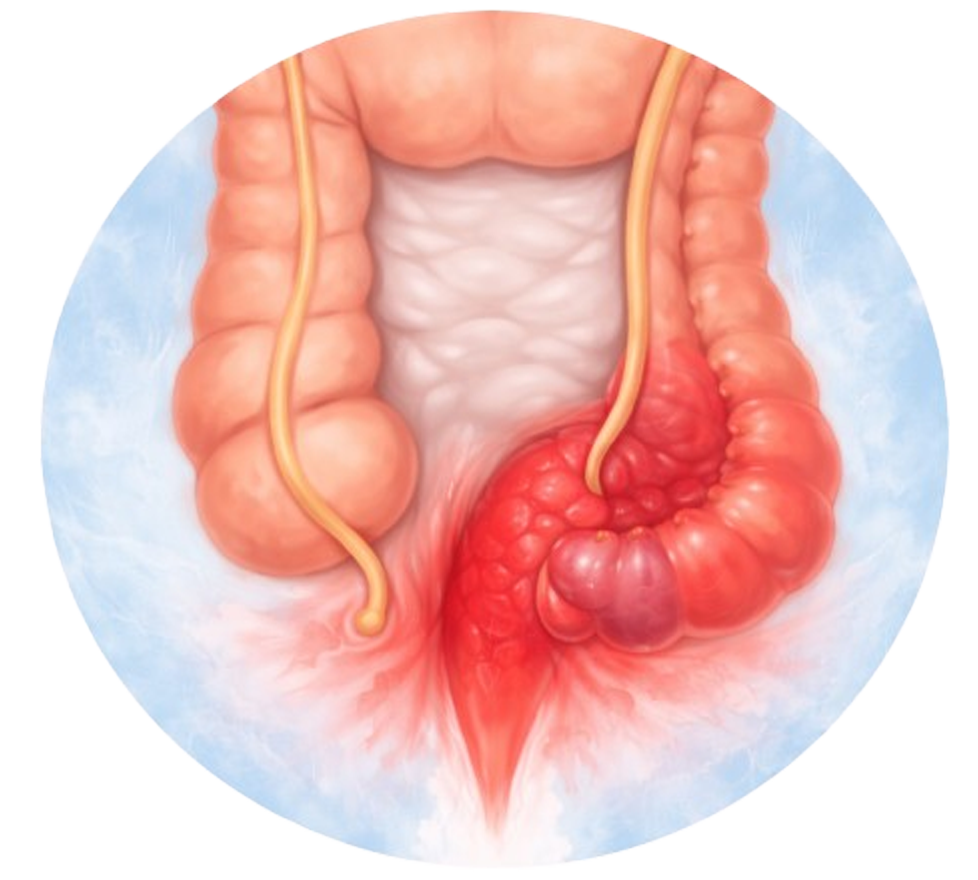
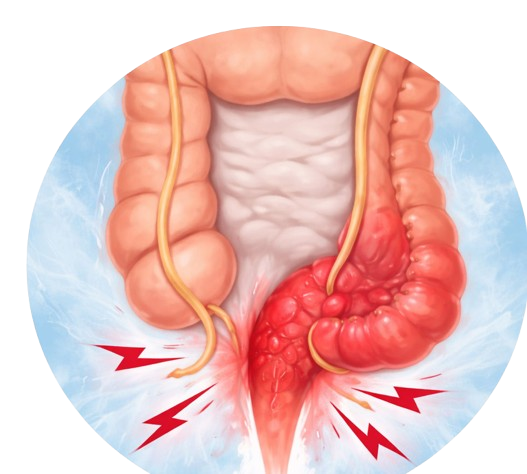
Piles, also known as hemorrhoids, are swollen veins in the lower rectum or anal canal. They are a common condition and may cause discomfort, bleeding, or irritation. The severity of symptoms varies, and management depends on the degree of hemorrhoids and associated complaints.
This page provides general information about piles and their management.

Understanding Hemorrhoids

Hemorrhoids develop when veins in the anal region become enlarged due to increased pressure. Contributing factors may include:
  • Chronic constipation
  • Straining during bowel movements
  • Prolonged sitting
  • Pregnancy
  • Low-fiber diet
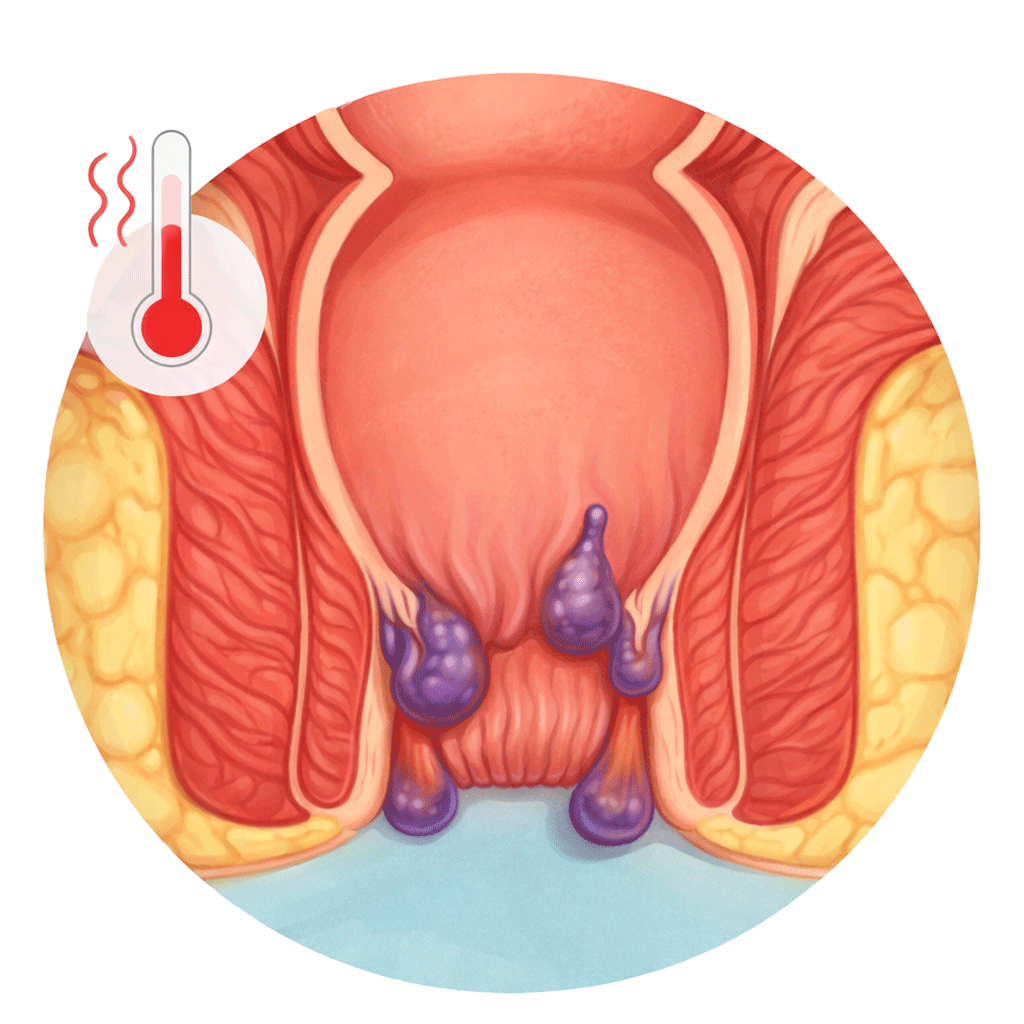
Hemorrhoids are classified as:
Internal Hemorrhoids
Located inside the rectum and usually not visible externally.
External Hemorrhoids.
Located under the skin around the anus and may cause pain or swelling.
Internal hemorrhoids are further graded based on the degree of prolapse.
Common Symptoms

Symptoms may include:

Painless rectal bleeding

Pain or discomfort in the anal region

Swelling near the anus

Itching or irritation

Symptom severity depends on the type and grade of hemorrhoids.

Diagnosis

Diagnosis typically involves:
  • Clinical history
  • Physical examination
  • Digital rectal examination
  • Proctoscopy when required
Further evaluation may be advised if symptoms suggest other colorectal conditions.

Conservative Management

Initial management may include:
  • Increased dietary fiber intake
  • Adequate hydration
  • Stool softeners when required
  • Warm sitz baths
  • Topical medications
Many cases improve with conservative measures.

Role of Surgery

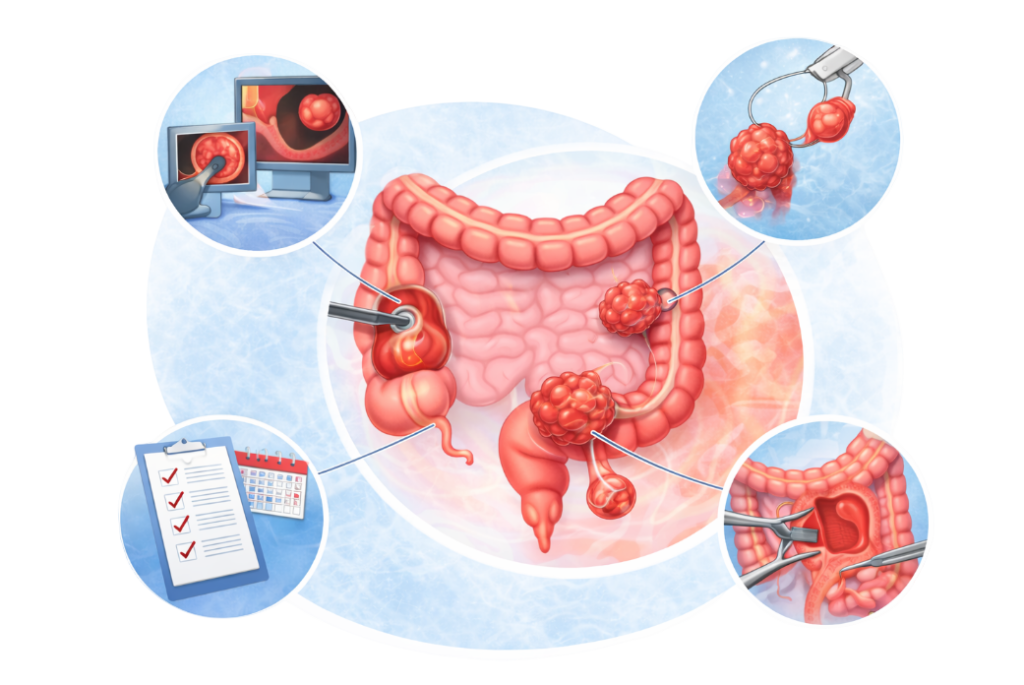
For selected cases, office-based procedures may be advised, such as:
  • Rubber band ligation
  • Sclerotherapy
  • Infrared coagulation
These are considered depending on the grade of hemorrhoids and clinical findings.

Pre-treatment Assessment

Before procedural or surgical treatment, patients typically undergo:
  • Clinical evaluation
  • Review of medical history
  • Relevant investigations when indicated
This assists in appropriate treatment planning.

Pre-treatment Assessment

Before procedural or surgical treatment, patients typically undergo:
  • Clinical evaluation
  • Review of medical history
  • Relevant investigations when indicated
This assists in appropriate treatment planning.

Post-treatment Care and Follow-Up

Post-treatment care may involve:
  • Pain management
  • Bowel regulation guidance
  • Follow-up consultations
  • Monitoring for recurrence
Recovery varies depending on the type of treatment performed.

About the Author of This Information

Dr. Rajeev Kapoor is a practicing surgeon based in Mohali, Punjab. He provides clinical services in the field of gastrointestinal, colorectal, and general surgery. This website is intended for informational and educational purposes only.

Disclaimer

The information provided on this page is for general educational purposes only. It is not a substitute for professional medical advice, diagnosis, or treatment. Treatment decisions should be made after consultation with a qualified medical professional, based on individual clinical evaluation.
Scroll to Top
Call Now Button