Hernia: Symptoms, Types, Diagnosis and Treatment Options

This page provides general information about hernia, including its symptoms, different types, methods of diagnosis, and commonly accepted treatment options. It is intended for patient education and public awareness and does not replace consultation with a qualified medical professional.

What is a Hernia?

Patient Information & Education

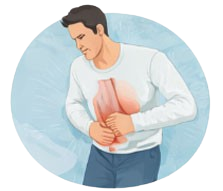
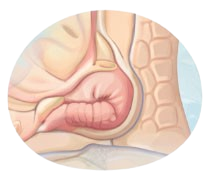
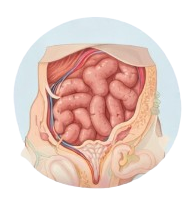
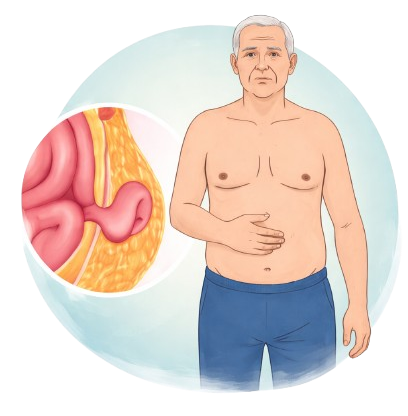
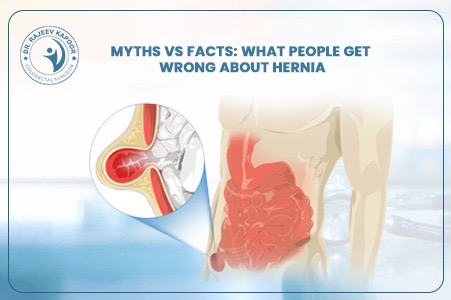
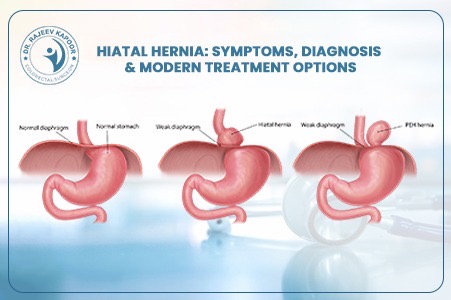
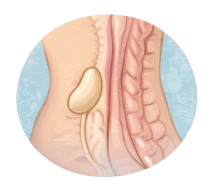
A hernia occurs when an internal organ or tissue protrudes through a weakness in the surrounding muscle or connective tissue. Hernias most commonly develop in the abdominal wall and appear as a visible or palpable bulge that may increase on standing, coughing, or straining.
Hernias usually do not resolve on their own and tend to increase in size over time. While some hernias cause minimal discomfort, others may lead to pain and potentially serious complications if left untreated.

Common Symptoms of Hernia

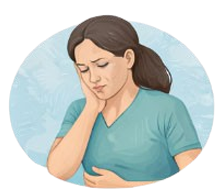
Symptoms of a hernia can vary depending on its type, size, and location. Commonly reported symptoms include:

Visible Bulge

Pain Or Discomfort

Burning or Aching

Nausea Or Vomiting

Heaviness In the abdomen

Weakness or Pressure

Heaviness In the abdomen

When Does a Hernia Need Urgent Medical Attention?

Immediate medical evaluation is recommended if any of the following occur:
  • Sudden or severe pain at the hernia site
  • Redness, tenderness, or warmth over the swelling
  • Inability to push the hernia back into place
  • Nausea, vomiting, abdominal distension, or inability to pass stool or gas
These symptoms may indicate complications such as obstruction or strangulation, which require prompt assessment.

Types of Hernia

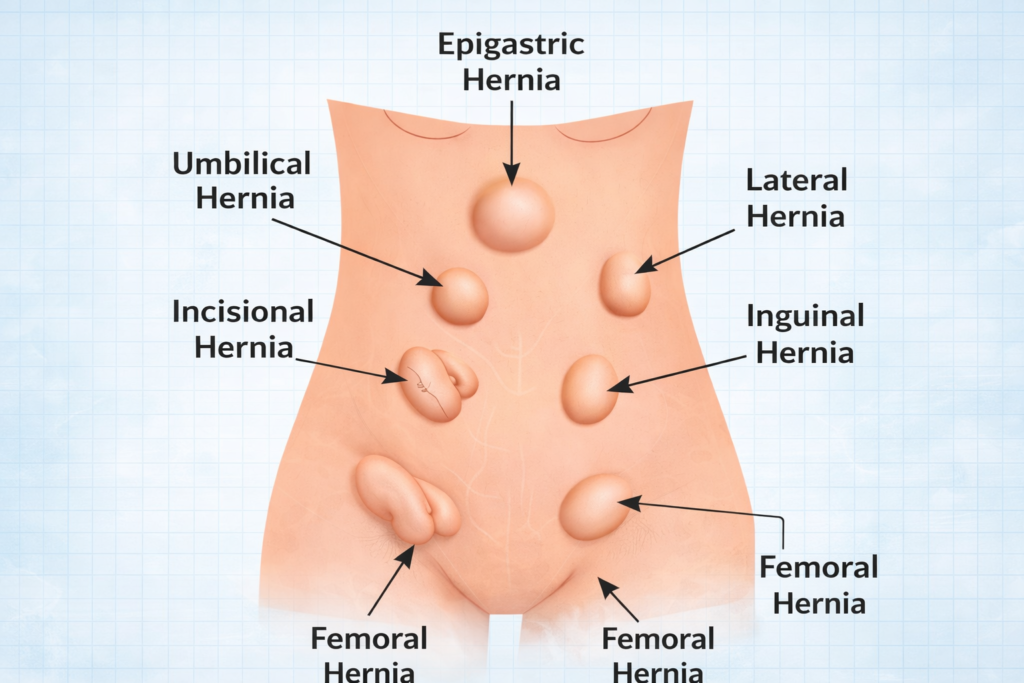
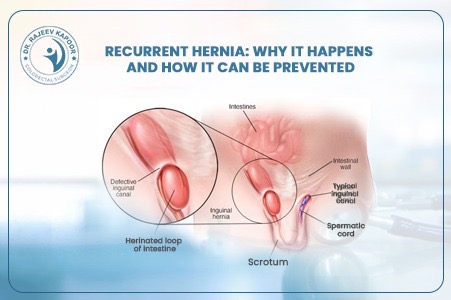
Inguinal Hernia

The most common type of hernia, occurring in the groin region. It often presents as a swelling that becomes more prominent on exertion or coughing.

Femoral Hernia

Occurs just below the groin crease and is more commonly seen in women. Femoral hernias carry a higher risk of becoming complicated.

Umbilical Hernia

Appears as a bulge at or around the navel. It may occur in children or adults and can gradually enlarge over time.

Epigastric Hernia 

Occurs in the upper midline of the abdomen between the breastbone and the navel.

Incisional Hernia

Develops at the site of a previous surgical incision due to weakness in the abdominal wall following surgery.

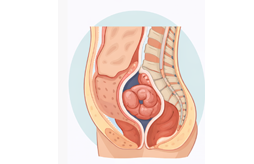
Divarication of Recti with Abdominal Wall Hernia

Divarication of recti (diastasis recti) is a separation of the abdominal muscles along the midline. It commonly occurs after pregnancy or due to increased abdominal pressure. In some cases, a true hernia may coexist and requires clinical evaluation to differentiate between the two.

Rare Types of Hernia

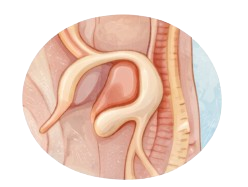
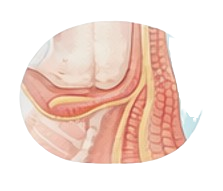
While inguinal and umbilical hernias are most commonly encountered, certain hernias occur infrequently and may be more difficult to diagnose. These hernias often present with atypical symptoms and may carry a higher risk of complications.

Spigelian hernia

Obturator Hernia

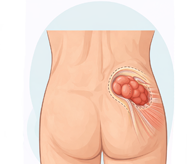
Lumbar hernia

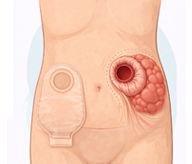
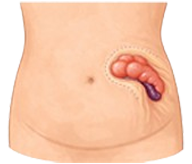
Parastomal Hernia

Richter’s Hernia

Internal Hernias

How Is a Hernia Diagnosed?

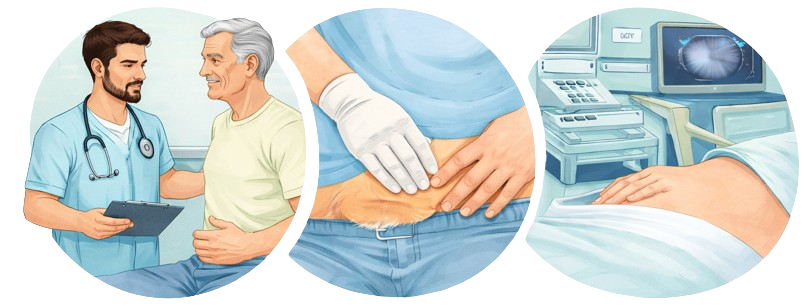
Diagnosis is primarily clinical and is based on:

Detailed medical history
Physical examination
Imaging tests such as ultrasound or CT scan may be advised in selected cases, particularly when the diagnosis is uncertain or complications are suspected.

Treatment of Hernia
There is no effective medical treatment that can permanently cure a hernia. Surgery is the definitive treatment.

The timing of surgery depends on: 

Type of hernia Severity of symptoms Overall health of the patient Risk of complications

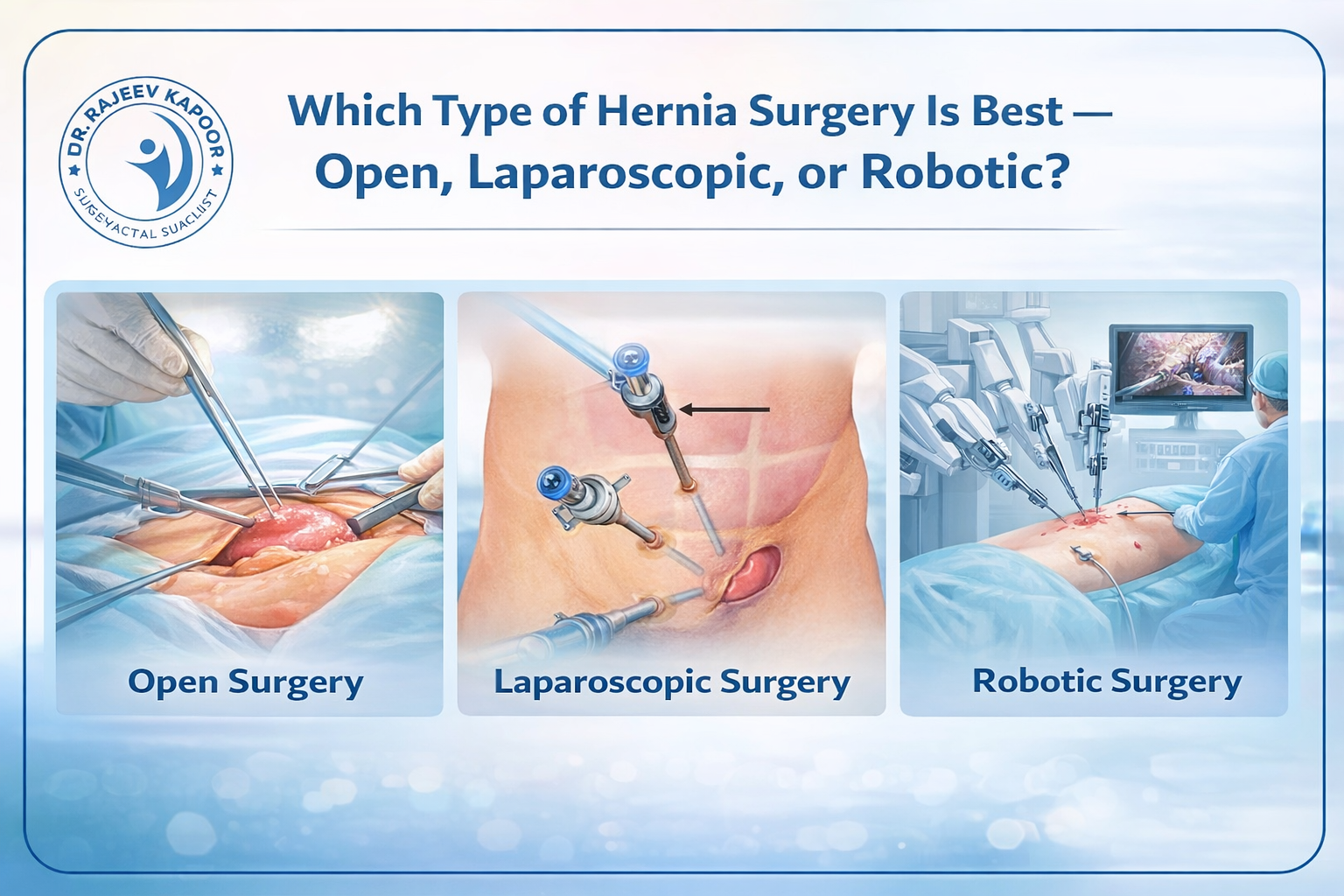
Surgical Methods for Hernia Repair

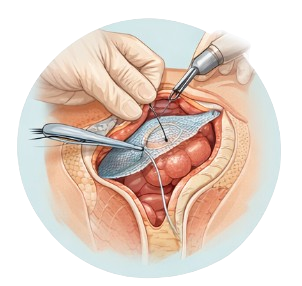
Open Hernia Repair

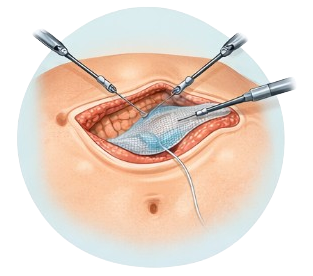
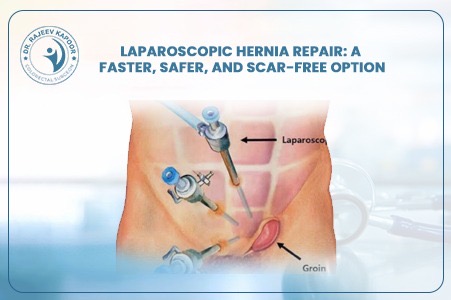
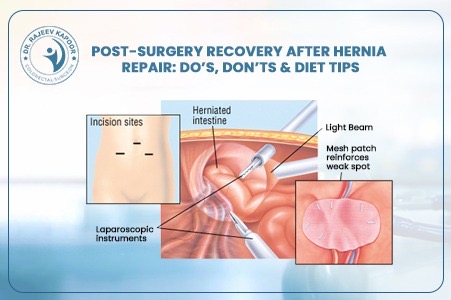
Laparoscopic Hernia Surgery

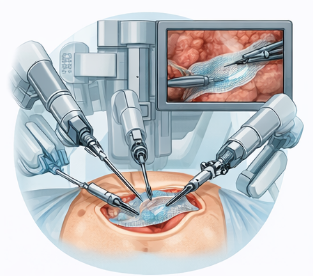
Robotic Hernia Surgery

The choice of surgical approach is individualized and decided after discussion between the patient and surgeon

Emergency Hernia Surgery

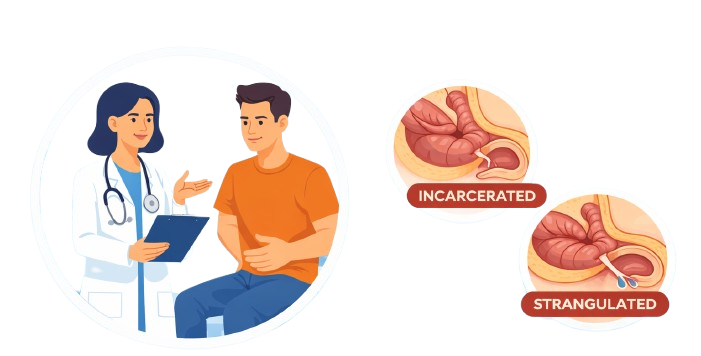
Some hernias can become complicated and require urgent or emergency surgery.

When Is a Hernia an Emergency?

Emergency surgery may be required if the hernia becomes: Incarcerated – hernia contents cannot be pushed back Strangulated – blood supply to the herniated organ is compromised

Warning Signs

Seek immediate medical attention if there is: Sudden severe pain at the hernia site Redness, tenderness, or warmth over the swelling Vomiting or abdominal distension Inability to pass stools or gas Delayed treatment in such situations can be life-threatening.

Recovery After Hernia Surgery

    • Gradual return to activity
    • Pain management as prescribed
    • Wound care instructions
    • Follow-up visits to monitor healing
Specific guidance is provided after individual assessment.

Living With a Hernia

In selected patients with minimal symptoms, watchful waiting may be advised. Patients should remain alert to warning signs that require prompt medical evaluation.
Helpful measures include Maintaining healthy body weight, Avoiding heavy lifting and Treating chronic cough or constipation

Frequently Asked Questions

Can a hernia heal on its own?

No. Hernias do not heal without surgery and usually increase in size over time.

Is surgery always required for a hernia?

Surgery is the only definitive treatment. In selected cases, surgery may be planned electively.

Is mesh safe in hernia surgery?

Mesh is widely used to strengthen the abdominal wall and reduce recurrence. Its use is individualized.

Can hernia surgery be done as a day-care procedure?

Many uncomplicated hernia repairs can be performed as day-care procedures, depending on patient condition and surgical approach.

What happens if a hernia is not treated?

Untreated hernias may enlarge and develop complications such as incarceration or strangulation, requiring emergency surgery.

About the Author of This Information

The educational content has been authored for patient awareness and public health education. It does not constitute solicitation or promotion of medical services.

Disclaimer

The information provided on this page is for general educational purposes only. It is not a substitute for professional medical advice, diagnosis, or treatment. Treatment decisions should be made after consultation with a qualified medical professional, based on individual clinical evaluation.
Read More About Hernia

Hernia
Scroll to Top
Call Now Button