Acute Abdomen

Acute abdomen refers to the sudden onset of severe abdominal pain that may require urgent medical evaluation and, in some cases, emergency treatment or surgery. It is not a single disease but a clinical condition caused by various underlying problems affecting abdominal organs such as the stomach, intestines, appendix, gallbladder, pancreas, or reproductive organs.

Because some causes of acute abdomen can become serious if untreated, timely medical assessment is important.

What is Acute Abdomen?

Acute abdomen refers to a rapid onset of abdominal pain that is often severe and may be accompanied by other symptoms such as nausea, vomiting, fever, or bloating. The condition can range from mild inflammation to life-threatening emergencies.

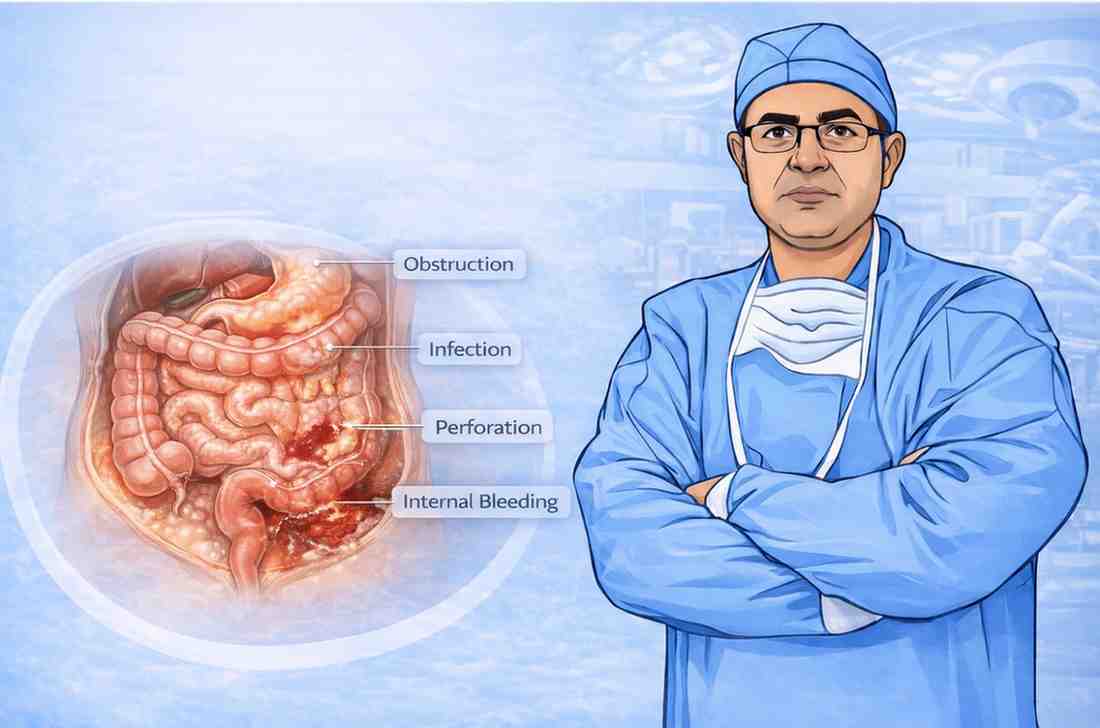
It can arise from many causes, including obstruction, infection, perforation, or internal bleeding.

Possible Causes

Acute abdominal pain can occur due to many different conditions, including:

  • Appendicitis
  • Gallbladder inflammation (cholecystitis)
  • Intestinal obstruction
  • Pancreatitis
  • Perforation of a stomach or intestinal ulcer
  • Kidney stones
  • Abdominal infections
  • Hernia complications
  • Gynecological conditions such as ovarian torsion or ectopic pregnancy

The exact cause is identified through clinical evaluation and diagnostic tests.

Common Symptoms

Symptoms may vary depending on the underlying cause but commonly include:

Sudden or severe abdominal pain

Pain that worsens with movement or touch

Nausea or vomiting

Fever

In some cases, symptoms may develop gradually but become more intense over time.

Diagnosis

Evaluation of acute abdomen typically involves:

Medical History

The doctor may ask about:

  • Onset and location of pain
  • Associated symptoms
  • Past medical history
  • Previous abdominal surgeries

Physical Examination

A detailed examination of the abdomen helps identify areas of tenderness, swelling, or guarding.

Management

Management depends on the specific diagnosis and severity of the condition.
Treatment options may include:

Conservative Management

Some conditions may be managed with:

  • Observation
  • Intravenous fluids
  • Pain control
  • Antibiotics when indicated

Surgical Treatment

Certain conditions may require surgery, such as:

  • Appendicitis
  • Bowel obstruction
  • Perforated ulcer
  • Complicated gallbladder disease

The decision regarding surgery is made after clinical evaluation and appropriate investigations.

Importance of Early Evaluation

Early medical assessment helps in:

  • Identifying the underlying cause
  • Preventing complications
  • Initiating timely treatment

Individuals experiencing severe or unexplained abdominal pain should seek medical care without delay.

When to Seek Medical Attention

Medical evaluation is recommended if abdominal pain:

  • Is severe or persistent
  • Is associated with fever, vomiting, or dizziness
  • Causes abdominal swelling or tenderness
  • Occurs after injury to the abdomen
  • Is accompanied by blood in vomit or stool

Prompt assessment helps identify the underlying cause and determine the appropriate management.

About the Author of This Information

Dr. Rajeev Kapoor is a practicing surgeon based in Mohali, Punjab. He provides clinical services in the field of gastrointestinal, colorectal, and general surgery. This website is intended for informational and educational purposes only.

Disclaimer

The information provided on this page is for general educational purposes only. It is not a substitute for professional medical advice, diagnosis, or treatment. Treatment decisions should be made after consultation with a qualified medical professional, based on individual clinical evaluation.
Scroll to Top
Call Now Button