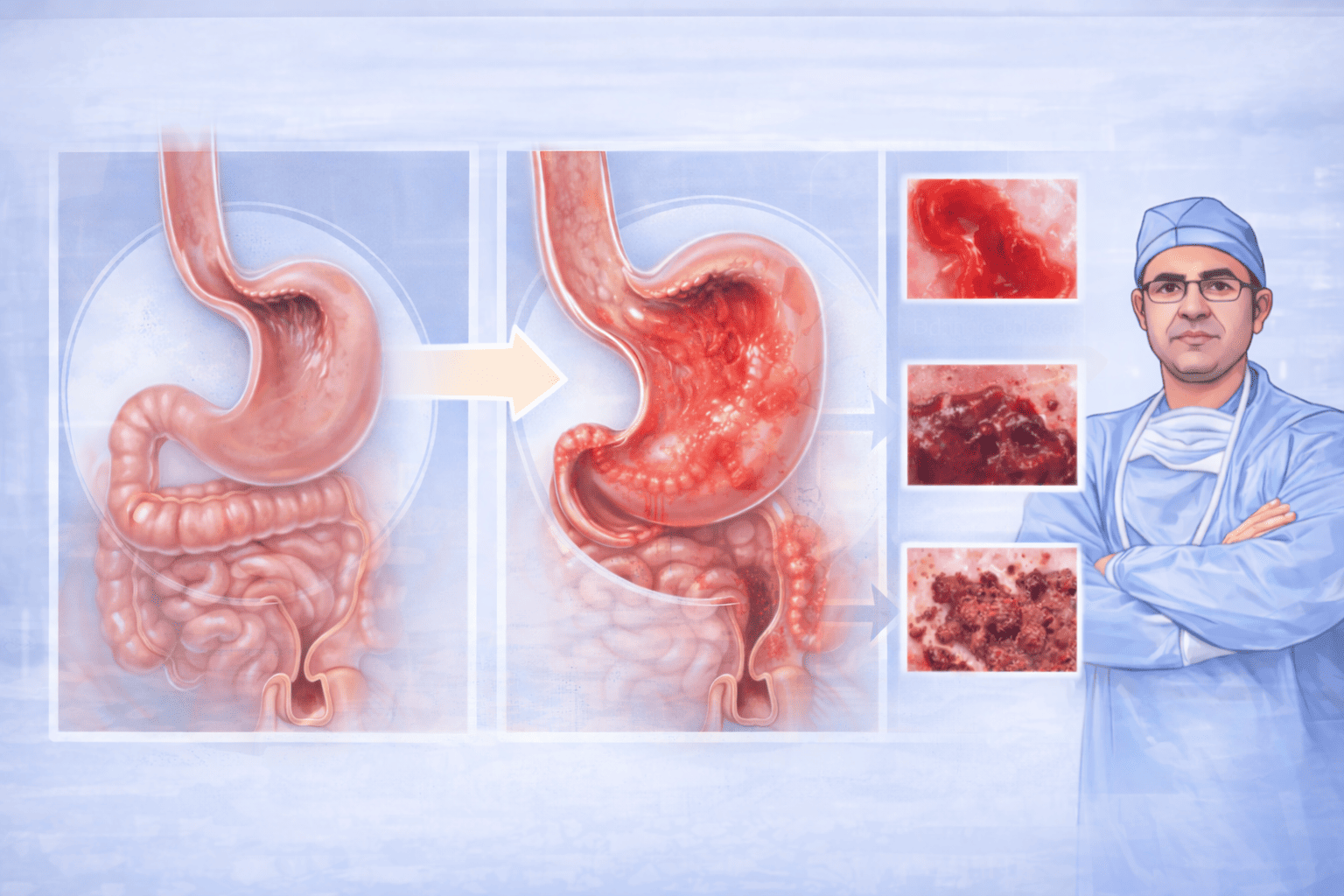
Fecal fistula is an abnormal connection between the intestine and another organ or the skin, through which intestinal contents may pass. This condition may occur as a complication of abdominal surgery, infection, inflammation, or injury involving the gastrointestinal tract.
Fecal fistulas may vary in severity depending on the location of the connection and the amount of intestinal contents passing through it. Proper medical evaluation is important to determine the cause and appropriate management.
Management of fecal fistula depends on the underlying cause, location of the fistula, and the overall health condition of the patient. This page provides general information about fecal fistula and its management.
Understanding Fecal Fistula
The gastrointestinal tract normally functions as a closed system where food and digestive contents move through the intestines. A fistula develops when an abnormal channel forms between two structures that are not normally connected.
In the case of a fecal fistula, this channel may connect the intestine to the skin, bladder, vagina, or another part of the intestine. As a result, intestinal contents may leak through the abnormal pathway.
The condition may develop gradually and requires medical evaluation for appropriate diagnosis and treatment.
Causes of Fecal Fistula
Fecal fistulas may occur due to several underlying conditions, including:
- Complications following abdominal surgery
- Inflammatory bowel disease
- Infections affecting the intestines
- Abdominal trauma or injury
- Complications from intestinal perforation
- Radiation therapy affecting the abdominal organs
Identifying the underlying cause is important for appropriate management.
Common Symptoms
Symptoms may vary depending on the type and location of the fistula. Common symptoms may include:
Drainage of intestinal contents through the skin
Persistent abdominal discomfort
Skin irritation around the drainage site
Fever or signs of infection
Symptoms may differ depending on the underlying condition.
Diagnosis of Fecal Fistula
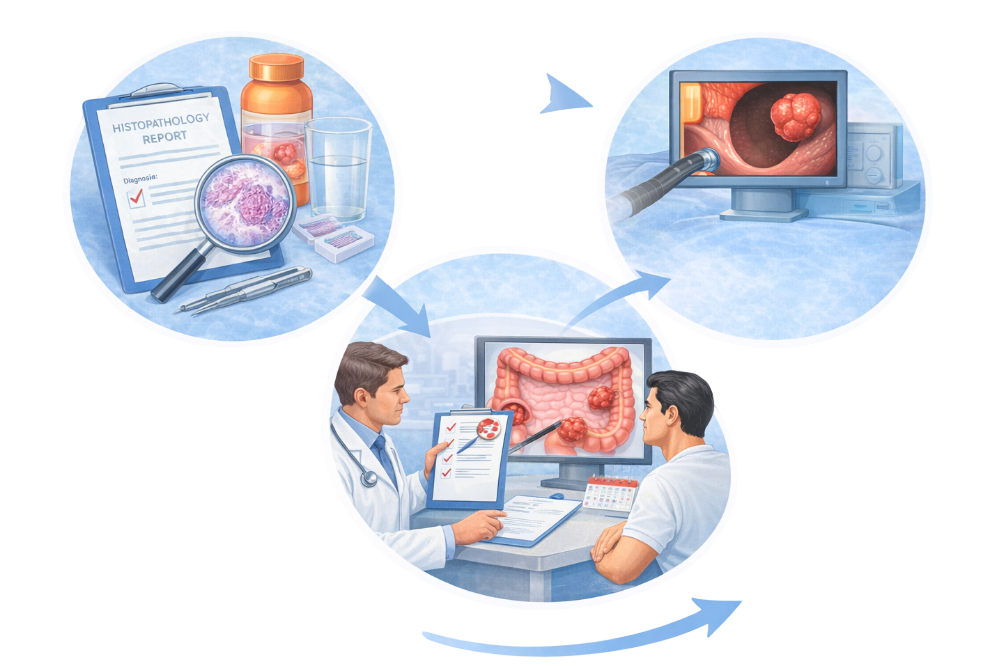
Diagnosis is based on clinical assessment and diagnostic investigations, which may include:
- Clinical examination and medical history
- Blood tests to assess infection or nutritional status
- Imaging studies such as CT scan or MRI
- Contrast studies to identify the fistula tract
- Additional investigations if required
These evaluations help determine the location and extent of the fistula.
Role of Treatment in Fecal Fistula
Treatment focuses on controlling infection, maintaining nutrition, and managing the fistula. The treatment approach may depend on several factors, including:
- Location and size of the fistula
- Amount of drainage
- Underlying cause of the condition
- General health condition of the patient
In some cases, fistulas may heal with supportive medical management, while others may require surgical intervention.
Types of Treatment Approaches
Based on clinical findings, treatment options may include:
- Medical management and supportive care
- Nutritional support
- Control of infection with medications
- Surgical repair of the fistula in selected cases
The most appropriate treatment plan is determined after evaluation by the treating healthcare team.
Pre-treatment Assessment
Before treatment, patients generally undergo:
- Clinical evaluation
- Laboratory investigations
- Relevant imaging studies
- Assessment of overall medical condition
These assessments help guide appropriate treatment planning.
About the Author of This Information
Dr. Rajeev Kapoor is a practicing surgeon based in Mohali, Punjab. He provides clinical services in the field of gastrointestinal, colorectal, and general surgery. This website is intended for informational and educational purposes only.
Disclaimer
The information provided on this page is for general educational purposes only. It is not a substitute for professional medical advice, diagnosis, or treatment. Treatment decisions should be made after consultation with a qualified medical professional, based on individual clinical evaluation.