blog

myth and fact about Hernia
Hernia, blog

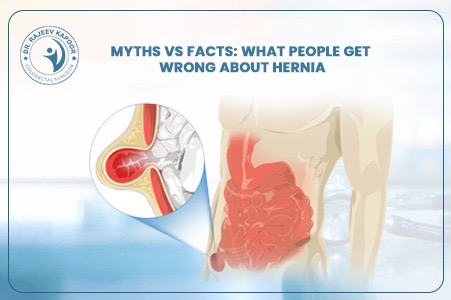
Myths vs Facts: What People Get Wrong About Hernia

For patient education and awareness Hernia is a common medical condition, yet it is frequently misunderstood. Misconceptions about its causes, treatment, and seriousness often lead to delayed medical consultation and increased risk of complications. According to Dr Rajeev Kapoor, a senior gastrointestinal and laparoscopic hernia surgeon based in Chandigarh, misinformation about hernia can negatively impact patient outcomes by delaying appropriate evaluation and treatment. Myth 1: A hernia can heal on its own with rest or medicines Fact: A hernia is a structural weakness or defect in the muscle wall. While rest or medications may temporarily reduce discomfort, they cannot repair the underlying defect. Surgical repair is the only definitive way to correct a hernia. Delaying evaluation may increase the risk of complications such as incarceration or strangulation. Myth 2: Wearing a hernia belt or truss can cure the condition Fact: Hernia belts or trusses may temporarily support the bulge and provide short-term comfort in selected cases, but they do not repair the muscle weakness. Prolonged or unsupervised use may cause skin irritation or worsen the defect. Such devices are not a substitute for medical assessment or definitive treatment. Myth 3: Hernia surgery is always very painful with long recovery Fact: Advances in surgical techniques, including minimally invasive approaches, have improved patient comfort and reduced recovery time in many cases. Pain and recovery vary between individuals and depend on the type of surgery and overall health. Treatment decisions should be individualised after clinical evaluation. Myth 4: A painless hernia does not need treatment Fact: Many hernias remain painless in the early stages but may increase in size over time. Absence of pain does not mean the condition is harmless. Even a painless hernia can develop complications requiring urgent medical care. Regular monitoring and timely evaluation are important. Myth 5: Heavy lifting is the only cause of hernia Fact: While physical strain increases abdominal pressure, hernia development is usually multifactorial. Contributing factors may include: Genetic or age-related muscle weakness Obesity Chronic cough or constipation Pregnancy Previous abdominal surgery Hernias can occur even in individuals who do not perform heavy physical work. Myth 6: A hernia always comes back after surgery Fact: Hernia recurrence is uncommon when surgery is performed using appropriate technique and post-operative advice is followed. Factors such as patient health, wound healing, and adherence to recovery instructions influence long-term outcomes. No surgical procedure is completely risk-free, and recurrence risk varies between individuals. Myth 7: It is safe to live with a hernia indefinitely Fact: Most hernias tend to increase in size over time. Delaying treatment may make future surgery more complex and increases the risk of complications, including bowel obstruction or strangulation, which require emergency treatment. Early assessment allows safer planning and better outcomes. Conclusion Understanding the facts about hernia helps patients make informed decisions about their health. Misconceptions can delay diagnosis and treatment, increasing the risk of avoidable complications. Medical evaluation is essential for determining the appropriate course of action. This information is intended for general patient education and does not replace personalised medical consultation.
After Hernia Repair
blog, Hernia

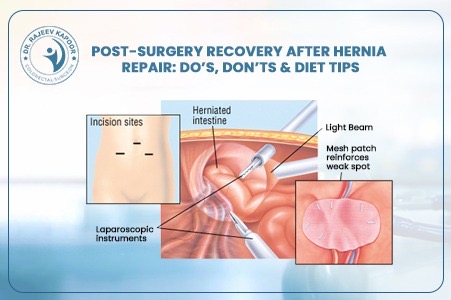
Post-Surgery Recovery After Hernia Repair: Do’s, Don’ts & Diet Tips

For patient awareness and education Hernia surgery is a commonly performed and generally safe procedure. However, appropriate post-operative care plays an important role in recovery, prevention of complications, and long-term surgical success. Adhering to medical advice regarding activity, wound care, and nutrition supports effective healing. According to Dr. Rajeev Kapoor, senior gastrointestinal and laparoscopic surgeon in Chandigarh, recovery after hernia surgery involves a combination of gradual activity, adequate nutrition, and regular follow-up rather than prolonged bed rest alone. 1. The First 24 Hours After Surgery Following either open or laparoscopic hernia repair, patients are usually observed for a few hours post-procedure. Common experiences during this period may include: Mild pain, tightness, or swelling near the surgical site Temporary discomfort while moving or coughing Drowsiness related to anaesthesia Patients are generally encouraged to: Start walking within a few hours, as tolerated Resume fluids and light meals on the same day, unless advised otherwise Early mobilisation helps reduce the risk of complications such as constipation, chest congestion, or blood clots. 2️⃣ Do’s After Hernia Surgery ✅ Follow your surgeon’s instructions: Take prescribed antibiotics and painkillers on time. ✅ Stay active but gentle: Short walks 2–3 times a day help recovery. ✅ Support your incision: Use your hand or a small pillow while coughing or sneezing. ✅ Keep the wound clean and dry: Change dressings as advised. ✅ Eat a fiber-rich diet: Prevents constipation and straining. ✅ Stay hydrated: At least 2–3 liters of water daily. ✅ Attend all follow-up appointments: Helps monitor healing and mesh integration. 3️⃣ Activities and Practices to Avoid During the recovery phase, patients should avoid: Lifting heavy objects, typically for 4–6 weeks Driving until comfortable movement and reaction time return Straining during bowel movements Smoking or alcohol consumption, as they may impair healing Skipping medications or altering wound care instructions Even if discomfort subsides early, overexertion can place stress on the surgical area and delay recovery. 4️⃣ Diet Plan for a Smooth Recovery Meal Type Recommended Foods Why It Helps Breakfast Oats, fruit smoothie, boiled eggs Energy + easy digestion Lunch Dal, rice, soft vegetables, curd Balanced nutrients, light on stomach Dinner Soups, khichdi, grilled fish/chicken Protein for tissue healing Snacks Coconut water, fruits, nuts Maintains hydration and immunity Avoid Fried foods, spicy curries, carbonated drinks Can cause bloating & discomfort Adequate protein, fibre, and fluid intake are essential components of post-surgical nutrition. 5️⃣ When Medical Advice Should Be Sought Patients should contact their treating doctor if they notice: Persistent fever Increasing redness, swelling, or discharge from the wound Severe or worsening pain Persistent vomiting or constipation A new bulge or hardness at the surgical site Early reporting allows timely intervention and prevents complications. 6️⃣ Gradual Return to Routine Activities Recovery timelines vary depending on the surgical approach and individual health status. General guidance may include: Return to desk-based work within a few days, if comfortable Light physical activity after 1–2 weeks Avoidance of strenuous exercise or weightlifting for several weeks Travel and other activities resumed gradually, based on comfort Resumption of sexual activity only after medical advice All activity progression should follow the surgeon’s recommendations. Conclusion Recovery after hernia surgery is a structured process that involves appropriate activity, nutrition, wound care, and medical follow-up. With adherence to professional guidance, most patients recover smoothly and return to normal routines without long-term limitations. This information is intended for general patient education and does not replace individual medical consultation. Frequently Asked Questions (FAQs): Recovery After Hernia Surgery 1. How long does it take to recover after hernia surgery? Recovery time varies depending on the type of hernia, surgical approach (open or laparoscopic), and individual health. Most patients can resume light daily activities within a few days. Complete internal healing may take several weeks. 2. Is pain normal after hernia surgery? Mild to moderate pain, tightness, or discomfort around the surgical site is common in the initial days. Pain usually reduces gradually and can be managed with prescribed medications. Severe or worsening pain should be reported to the doctor. 3. When can I start walking after surgery? Walking is generally encouraged on the same day or within a few hours after surgery, as tolerated. Early mobilisation improves circulation and helps prevent complications such as constipation or blood clots. 4. When can I return to work? Return to work depends on the nature of the job and the type of surgery: Desk or office work: often within a few days Physically demanding work: may require several weeks Your surgeon will provide individual guidance. 5. When can I lift weights or do strenuous exercise? Heavy lifting and strenuous exercise are usually restricted for 4–6 weeks. This allows adequate healing of the repaired area and reduces the risk of recurrence. 6. What diet should I follow after hernia surgery? A balanced diet with adequate fluids is recommended. Key dietary points include: High-fibre foods to prevent constipation Adequate protein for tissue healing Avoiding heavy, fried, or very spicy foods initially Dietary advice may be adjusted based on individual tolerance. 7. Is constipation common after hernia surgery? Constipation can occur due to reduced activity, pain medications, or dietary changes. Adequate hydration, fibre intake, and prescribed stool softeners can help prevent straining. 8. When can I take a bath after surgery? Bathing instructions depend on wound type and dressing. Many patients are advised to avoid soaking the wound until healing progresses. Always follow the surgeon’s wound-care instructions. 9. When should I contact my doctor after surgery? Medical advice should be sought if there is: Persistent fever Increasing pain, redness, or swelling Discharge or foul smell from the wound Vomiting or inability to pass stools or gas A new bulge at or near the surgical site Early reporting helps prevent complications. 10. Is hernia recurrence possible after surgery? While hernia repair is generally effective, recurrence can occur in some cases. Following post-operative instructions, avoiding early strain, and attending follow-up visits help reduce this risk. 11. Can smoking or alcohol affect recovery? Yes. Smoking and alcohol consumption may

Recurrent Hernia in Chandigarh
Hernia, blog

Recurrent Hernia: Why It Happens and How It Can Be Prevented

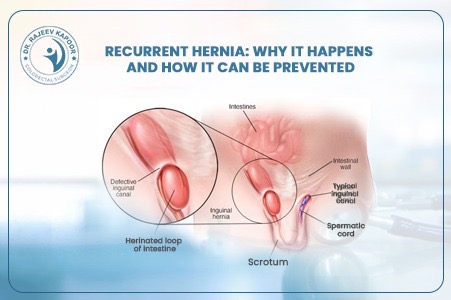
For patient education and awareness Hernia repair is generally a definitive treatment. However, in a small number of cases, a hernia may reappear at or near the site of previous surgery. This condition is referred to as a recurrent hernia and may develop months or even years after the initial repair. According to Dr. Rajeev Kapoor, senior gastrointestinal and laparoscopic hernia surgeon based in Chandigarh, recurrence is uncommon with modern techniques, but when it occurs, it is often related to tissue healing factors, surgical variables, or post-operative strain. 1. What Is a Recurrent Hernia? A recurrent hernia occurs when a previously repaired hernia site weakens again, allowing abdominal tissue or organs to protrude through the same or nearby area. This may involve weakening of the muscle, the repair site, or the surrounding tissues. Recurrence can occur: At the same location as the previous hernia Adjacent to the earlier repair site Long after the initial surgery, especially if stress is placed on the repair 2. Common Causes of Hernia Recurrence Cause Explanation Poor tissue healing Smoking, diabetes, or poor nutrition may weaken tissue strength. Infection after surgery Delayed healing or mesh rejection can compromise the repair. Excessive strain Lifting weights, coughing, or constipation soon after surgery. Obesity Increases intra-abdominal pressure. Inappropriate surgical technique Incorrect mesh placement or under-tension repairs. As noted by Dr. Kapoor, recurrence is often related to excessive pressure on the repair site before complete healing has occurred. 3. Symptoms of a Recurrent Hernia A new lump or bulge at the previous surgical site Pain or burning sensation that worsens on coughing or standing Heaviness, bloating, or tightness in the abdomen In severe cases: nausea, vomiting, or bowel obstruction symptoms 4. Management of Recurrent Hernia Treatment depends on the size, location, and complexity of the recurrence, as well as the patient’s overall health. a. Laparoscopic Re-repair In many cases, minimally invasive (laparoscopic) re-repair may be considered. This approach allows reinforcement of the weakened area using a new mesh layer while avoiding previous scar tissue. Potential benefits include: Reduced tissue trauma Better visualisation of previous repairs Lower risk of wound-related complications Shorter hospital stay in suitable patients b. Open Surgical Repair Open re-repair may be required for very large, complex, or complicated recurrent hernias. This approach allows direct reconstruction of the defect and may involve removal or repositioning of earlier mesh material. The choice of procedure is based on careful clinical assessment. 5. Measures That May Reduce the Risk of Recurrence Before Surgery Smoking cessation Optimisation of blood sugar control in diabetic patients Weight management After Surgery Avoid heavy lifting for the advised recovery period Prompt treatment of cough or constipation Adequate protein intake to support tissue repair Gradual return to activity without strain Attendance at follow-up appointments Patient adherence to post-operative guidance plays a key role in long-term outcomes. 6. Long-Term Outlook With modern surgical planning, appropriate technique, and patient compliance, outcomes after recurrent hernia repair are generally favourable. Advances in mesh technology and minimally invasive surgery have improved durability and recovery in many cases. Dr. Kapoor notes that careful evaluation, surgical precision, and adherence to recovery advice significantly reduce the likelihood of further recurrence. Conclusion A recurrent hernia can be physically and emotionally challenging, but effective treatment options are available. Early evaluation and appropriate management help prevent complications and support long-term recovery. This information is intended for general patient education and should not replace personalised medical consultation. Frequently Asked Questions (FAQs): Recurrent Hernia 1. What is a recurrent hernia? A recurrent hernia occurs when a hernia reappears at or near the site of a previous hernia repair. This may happen months or even years after the original surgery. 2. How common is hernia recurrence? With modern surgical techniques, recurrence is uncommon. However, it can occur in a small number of patients, especially when healing is affected by medical or lifestyle factors. 3. Why does a hernia recur after surgery? Recurrence may occur due to: Poor tissue healing Infection after the first surgery Early physical strain during recovery Obesity or increased abdominal pressure Surgical or technical factors Often, recurrence is related to stress on the repair site before complete healing. 4. Is a recurrent hernia more serious than the first hernia? A recurrent hernia may cause more discomfort due to scar tissue or altered anatomy. It requires careful evaluation but can usually be treated effectively with appropriate surgical planning. 5. What are the symptoms of a recurrent hernia? Symptoms may include: A new or returning bulge near the previous surgical site Pain, burning, or discomfort on standing or coughing A feeling of heaviness or tightness in the abdomen Severe symptoms require urgent medical attention. 6. When should a recurrent hernia be considered an emergency? Immediate medical care is needed if there is: Severe or sudden pain A hard or tender bulge that cannot be pushed back Nausea, vomiting, or abdominal swelling These may indicate complications such as bowel obstruction or strangulation. 7. How is a recurrent hernia diagnosed? Diagnosis is usually based on physical examination. Imaging tests such as ultrasound or CT scan may be used to assess the size and location of the recurrence. 8. Can a recurrent hernia be treated without surgery? Surgery is generally required to correct a recurrent hernia. Non-surgical measures may temporarily relieve symptoms but do not repair the underlying weakness. 9. Is laparoscopic surgery suitable for recurrent hernias? In many cases, laparoscopic re-repair may be considered, especially when the initial surgery was open. The choice depends on hernia type, previous repair method and patient health. 10. Will the old mesh be removed during re-surgery? Not always. In many cases, the existing mesh is left in place, and additional reinforcement is provided. Mesh removal is considered only when clinically necessary. 11. Does having one recurrence increase the risk of another? A previous recurrence may increase risk, but proper surgical planning and adherence to recovery advice significantly reduce the likelihood of further recurrence. 12. Can lifestyle changes help prevent recurrence? Yes. Measures such as:

Hiatal Hernia Treatment in Chandigarh
Hernia, blog

Hiatal Hernia: Symptoms, Diagnosis & Modern Treatment Options

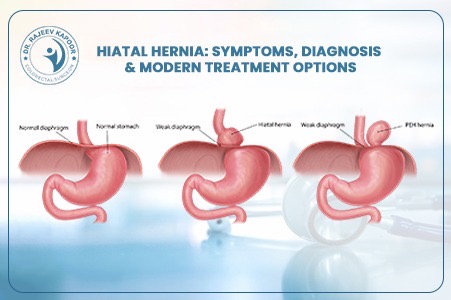
For patient education and awareness Symptoms such as frequent heartburn, chest discomfort after meals, or worsening reflux on lying down are commonly attributed to acidity. In some individuals, however, these symptoms may be related to a hiatal hernia, a condition that is often under-recognised. According to Dr. Rajeev Kapoor, senior gastrointestinal and laparoscopic surgeon based in Chandigarh, hiatal hernia is frequently mistaken for routine acid reflux, which may delay appropriate diagnosis and management. 1. What Is a Hiatal Hernia? A hiatal hernia occurs when a portion of the stomach moves upward through the diaphragm, the muscle that separates the chest cavity from the abdominal cavity. This displacement can interfere with normal swallowing and acid control mechanisms. Types of Hiatal Hernia Sliding Hiatal Hernia The most common type, where the stomach and lower part of the oesophagus slide into the chest. Paraesophageal Hiatal Hernia A less common but potentially more serious type, where part of the stomach pushes up beside the oesophagus. 2. What Causes a Hiatal Hernia? Hiatal hernias usually develop due to weakening of the diaphragm or increased pressure within the abdomen. Contributing factors may include: Chronic acid reflux (GERD) Obesity or sudden weight gain Pregnancy Persistent coughing or straining (e.g., constipation) Age-related weakening of muscles Heavy lifting over long periods As Dr. Kapoor notes, both structural factors and lifestyle-related stress on the abdomen play a role in the development of hiatal hernia. 3. Common Symptoms Hiatal hernia symptoms often overlap with those of acid reflux or gastritis. These may include: Heartburn or burning sensation in the chest Regurgitation of food or sour fluid Difficulty or discomfort while swallowing Chest discomfort after bending or lying down Chronic cough or throat irritation In some cases, more serious symptoms such as vomiting blood or black stools may occur and require urgent medical evaluation. 4. How Is Hiatal Hernia Diagnosed? Diagnosis is usually confirmed through one or more of the following tests: Upper gastrointestinal endoscopy – allows direct visualisation of the hernia and assessment of reflux-related damage Barium swallow X-ray – shows the position of the stomach and oesophagus Oesophageal manometry – measures muscle strength and coordination during swallowing Endoscopy is commonly used to evaluate both the presence of hiatal hernia and associated reflux disease. 5. Treatment Options for Hiatal Hernia Treatment depends on the size of the hernia and severity of symptoms. a. Lifestyle and Medical Management Often recommended for small or mildly symptomatic hiatal hernias: Eating smaller, frequent meals Avoiding lying down for at least 2–3 hours after meals Elevating the head while sleeping Avoiding trigger foods such as spicy foods, caffeine, and alcohol Maintaining a healthy body weight Medications such as antacids or proton pump inhibitors (PPIs), as prescribed b. Surgical Management Surgery may be advised for patients with persistent symptoms, complications, or large hernias. Laparoscopic hiatal hernia repair generally involves: Repositioning the stomach into the abdominal cavity Narrowing the diaphragmatic opening Reinforcement with mesh when indicated Often combining the repair with fundoplication to reduce acid reflux The choice of treatment is individualised based on clinical assessment. 6. Recovery and Outlook Post-treatment recovery varies depending on the approach used. General recovery expectations may include: Short hospital stay Gradual progression from liquid to soft diet Return to routine activities within days to weeks Long-term symptom control in most patients with appropriate treatment 7. When to Seek Immediate Medical Attention Urgent medical evaluation is required if there is: Sudden severe chest or abdominal pain Persistent vomiting Difficulty breathing or swallowing Black or tarry stools, which may indicate bleeding Conclusion Hiatal hernia is a common digestive condition that can be effectively managed when diagnosed early. Accurate evaluation helps differentiate it from routine acidity and guides appropriate treatment. Modern medical and surgical approaches offer good symptom control and improved quality of life for most patients. This information is intended for general patient education and does not replace personalised medical consultation. Frequently Asked Questions (FAQs): Hiatal Hernia 1. What is a hiatal hernia? A hiatal hernia occurs when a part of the stomach moves upward through the diaphragm into the chest cavity. The diaphragm normally helps keep the stomach in place below the chest. 2. Is a hiatal hernia common? Yes. Hiatal hernia is a common condition, especially in adults over the age of 40. Many people may have a small hiatal hernia without noticeable symptoms. 3. What are the main types of hiatal hernia? There are two main types: Sliding hiatal hernia, where the stomach and lower oesophagus move up into the chest Paraesophageal hiatal hernia, where part of the stomach pushes up beside the oesophagus and may require closer monitoring 4. What causes a hiatal hernia? Hiatal hernia may develop due to: Weakening of the diaphragm with age Increased abdominal pressure from obesity, pregnancy, or straining Chronic coughing or heavy lifting Long-standing acid reflux 5. Can a hiatal hernia cause acid reflux? Yes. A hiatal hernia can interfere with the normal valve between the stomach and oesophagus, making acid reflux (GERD) more likely. 6. What symptoms are commonly associated with hiatal hernia? Symptoms may include: Heartburn or chest burning Regurgitation of food or sour liquid Difficulty swallowing Chest discomfort after lying down or bending Chronic cough or throat irritation Some people may have no symptoms at all. 7. How is a hiatal hernia diagnosed? Diagnosis may involve: Upper gastrointestinal endoscopy Barium swallow X-ray Oesophageal manometry These tests help assess the size of the hernia and related reflux damage. 8. Does every hiatal hernia require treatment? No. Small hiatal hernias without symptoms may not require specific treatment. Management depends on symptom severity and associated complications. 9. Can lifestyle changes help manage hiatal hernia? Yes. Measures such as eating smaller meals, avoiding lying down after eating, weight management, and avoiding trigger foods can help reduce symptoms. 10. What medications are used for hiatal hernia? Medications do not repair the hernia but may help control symptoms. These include antacids and acid-reducing medicines such as proton pump inhibitors, prescribed by a doctor. 11. When is
colon cancer prevention
Cancer, blog

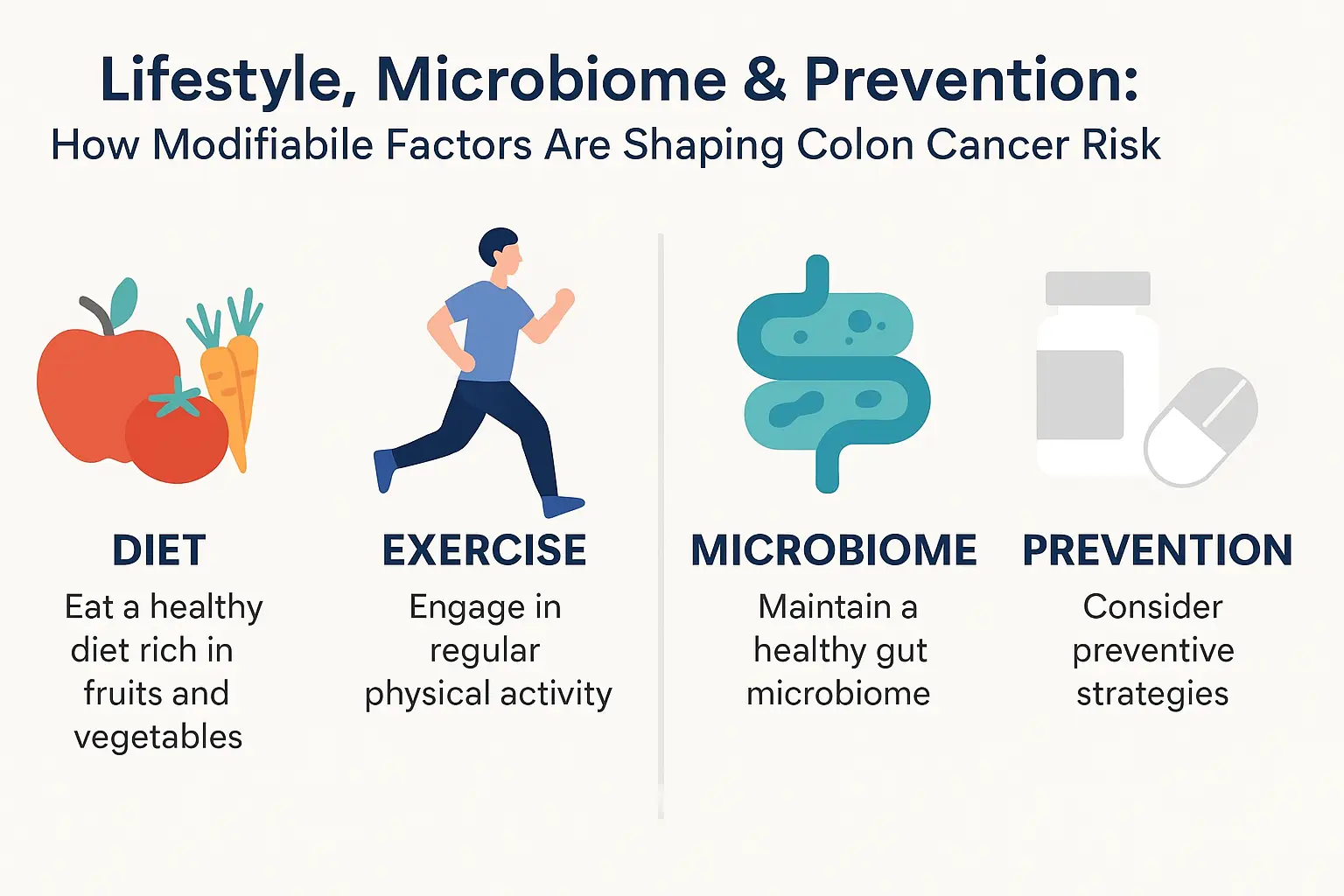
Lifestyle, Microbiome & Prevention: How Modifiable Factors Are Shaping Colon Cancer Risk

Colon cancer (colorectal cancer) is not only influenced by genetics and age—it is deeply linked to lifestyle, diet, and gut health. While medical advances are improving treatment, the best way to save lives is still prevention. Recent research in 2025 underscores how diet, physical activity, and microbiome health directly impact colon cancer risk and recurrence. Diet: The Protective Power of Nutrients A new Italian study (2025) found that diets high in beta-carotenoid and carotenoid-rich foods (like carrots, spinach, pumpkin, tomatoes) can reduce colon cancer risk by up to 40%. Diets rich in fiber, whole grains, and plant-based foods support healthy digestion and reduce cancer-promoting inflammation. Conversely, red meat, processed meat, and sugary beverages are consistently linked with higher colorectal cancer risk. Takeaway: A colorful, plant-rich plate is one of the simplest ways to fight colon cancer naturally. Exercise: Fighting Recurrence & Improving Survival A major 3-year randomized trial showed that colon cancer survivors who participated in a structured exercise program had 28% fewer recurrences and 37% fewer deaths compared to those who did not exercise. Regular physical activity improves immune function, maintains body weight, and lowers insulin resistance—all protective against cancer. Practical tip: Aim for at least 150 minutes of moderate exercise weekly, such as brisk walking, swimming, or yoga. Microbiome: The Gut–Cancer Connection The gut microbiome plays a central role in regulating inflammation, immunity, and metabolism. Certain bacterial toxins, such as colibactin produced by some E. coli strains, are linked with DNA damage and early-onset colorectal cancer. Maintaining a balanced gut flora through fiber, probiotics, and reduced processed foods may lower cancer risk. This field is still evolving, but the “gut–colon axis” is emerging as a major area for cancer prevention research. Emerging Preventive Strategies Colon-targeted drug delivery systems (e.g., nanoparticle formulations of 5-FU developed in India) promise reduced side effects and improved treatment outcomes. Chemoprevention trials are investigating vitamins, aspirin, and natural compounds for high-risk individuals. Precision prevention through genetic and microbiome profiling may soon allow tailored recommendations for each person. Conclusion Colon cancer risk is not set in stone. By embracing healthy diet choices, regular exercise, and supporting gut health, individuals can significantly lower their risk of developing colorectal cancer—or recurrence after treatment. For expert consultation and preventive guidance, Dr. Rajeev Kapoor, a renowned colorectal cancer surgeon in Mohali, India, provides comprehensive care, from lifestyle counseling to advanced surgical and oncological treatments.

colorectal cancer surgeon in Mohali, India
Cancer, blog

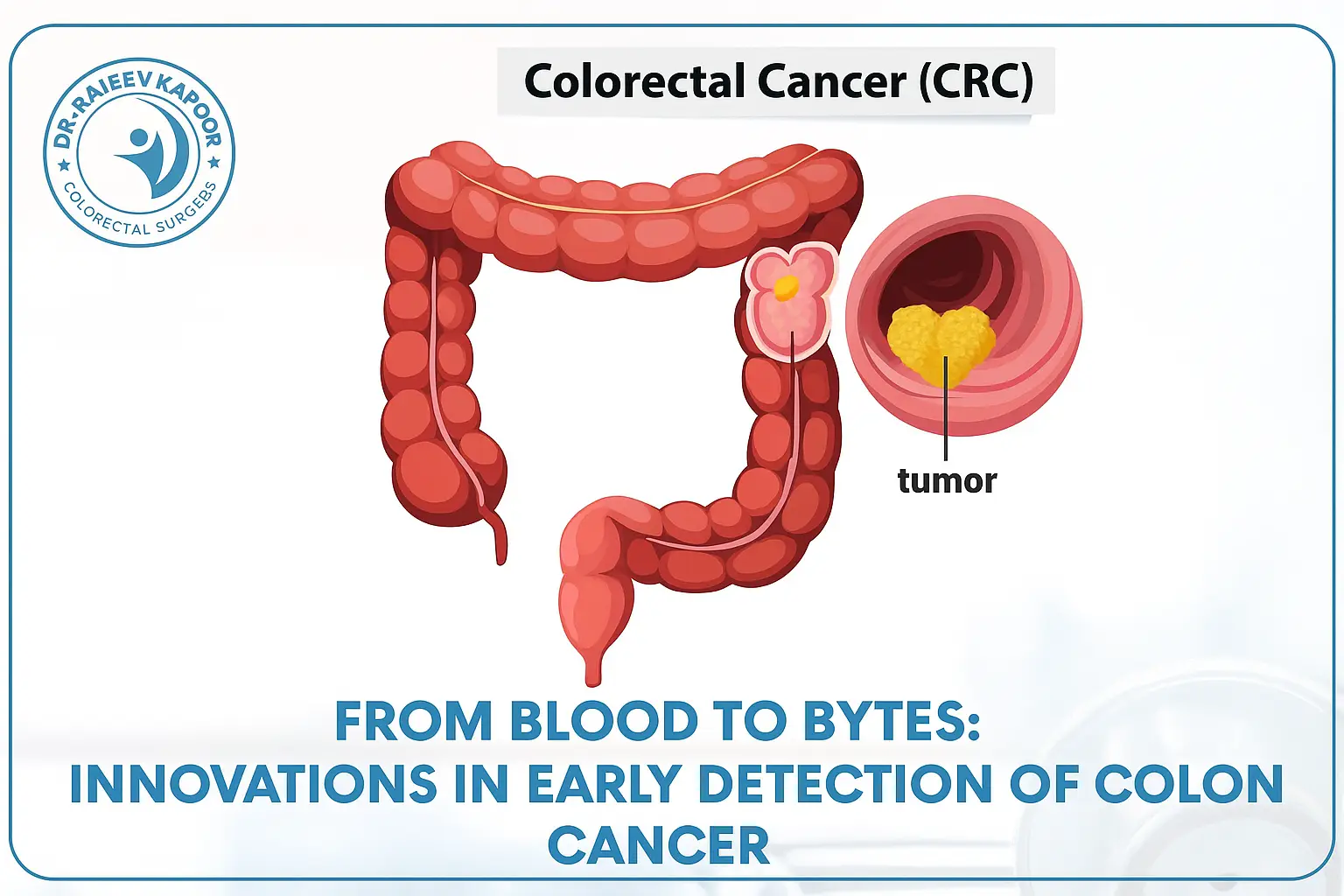
From Blood to Bytes: Innovations in Early Detection of Colon Cancer

Early detection is the most powerful tool in the fight against colon cancer (colorectal cancer). Traditionally, colonoscopy has been the gold standard for screening. But in 2025, medical science is taking bold strides with blood-based diagnostics, AI-powered imaging, and precision biomarkers. These innovations aim to make colon cancer detection earlier, easier, and more accurate, especially for patients who avoid invasive procedures. Liquid Biopsy: A Simple Blood Test One of the most exciting breakthroughs is the FDA-approved blood test “Shield” for average-risk individuals. Detects fragments of tumor DNA (circulating tumor DNA or ctDNA) in blood. Provides a non-invasive option for people unwilling or unable to undergo colonoscopy. Enhances compliance in population-based screening programs. This innovation could revolutionize colorectal cancer screening in India, where awareness and accessibility to colonoscopy remain limited. ctDNA for Treatment Decisions Beyond detection, ctDNA tests are now helping doctors personalize treatment: After surgery, ctDNA can indicate if microscopic cancer cells remain. Trials such as DYNAMIC-III show ctDNA can guide whether patients truly need chemotherapy after surgery, sparing many from unnecessary toxicity. In advanced disease, ctDNA also helps track resistance to therapy in real time. Artificial Intelligence (AI) in Colon Cancer AI is rapidly entering the field of colorectal cancer: Histopathology: New models like hybrid graph-transformers can classify colon cancer tissue with high accuracy. Colonoscopy assistance: AI tools flag polyps and lesions during endoscopy, reducing human error. Multimodal systems: Platforms like ColonScopeX combine blood signals, patient history, and explainable AI to predict colon cancer risk with high precision. These innovations promise earlier diagnosis, fewer missed lesions, and better patient outcomes. Next-Generation Technologies Nanotechnology: Indian researchers are exploring nanoparticle-based systems that deliver chemotherapy drugs directly to the colon, improving effectiveness and reducing side effects. Spatial molecular imaging: Provides deeper insights into tumor microenvironments, paving the way for highly targeted prevention and therapy. Wearable biosensors: Emerging research hints at stool/blood sensors that could track early biomarkers of colon cancer at home. Conclusion From blood tests to AI-powered diagnostics, the landscape of colon cancer detection is changing rapidly. These tools hold the potential to save countless lives by catching cancers earlier, when treatments are most effective. For patients seeking advanced care, Dr. Rajeev Kapoor, a renowned colorectal cancer surgeon in Mohali, India, offers cutting-edge screening and surgical expertise, ensuring access to world-class treatment close to home.  

Rising Tide: Early-Onset Colon Cance
Cancer, blog

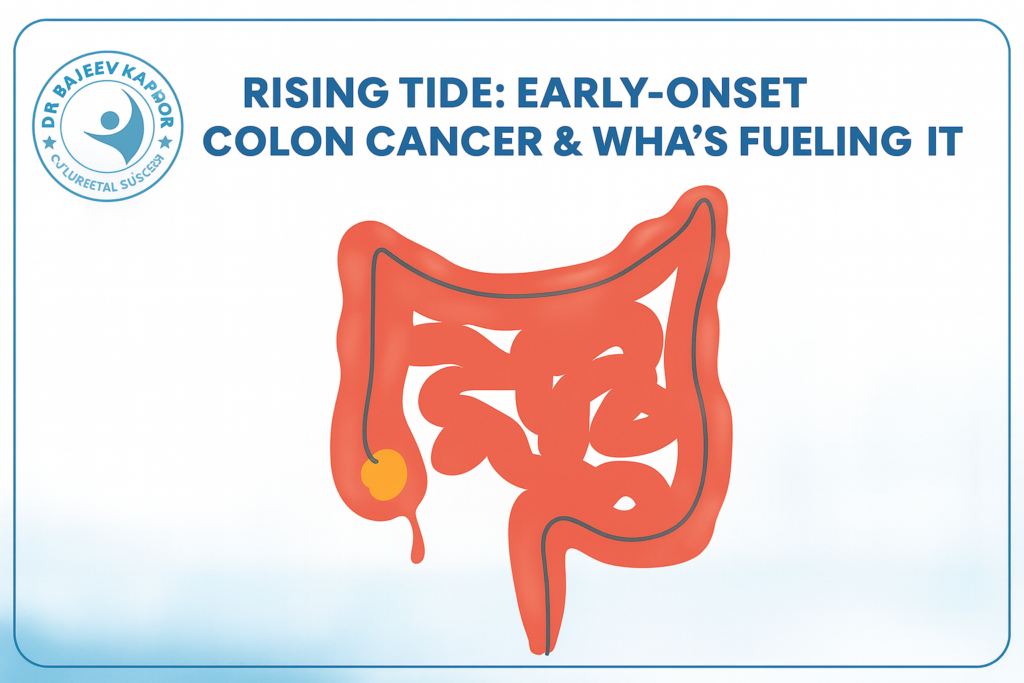
Rising Tide: Early-Onset Colon Cancer & What’s Fueling It

Introduction Colon cancer, also called colorectal cancer, has traditionally been considered a disease of older adults. However, recent studies and cancer registries reveal a worrying trend: rising cases of colon cancer in younger adults under the age of 50. This phenomenon, known as early-onset colorectal cancer (EO-CRC), is now a growing global concern and demands greater awareness among both patients and healthcare providers. The Alarming Trend Data published in international cancer journals shows a steady increase in early-onset colon cancer cases over the last two decades. In India too, oncologists are witnessing a similar trend where younger patients are presenting with advanced colorectal cancer, often due to delayed detection. Unlike older patients, younger adults are less likely to be screened, which means cancers are often caught late. Possible Causes of Early-Onset Colon Cancer While research is ongoing, several risk factors are emerging as possible drivers: Dietary changes: High consumption of ultra-processed foods, red meat, and sugary drinks may play a role. Gut microbiome imbalance: Disruption in healthy gut bacteria and exposure to bacterial toxins (like colibactin from certain E. coli) may cause genetic mutations. Obesity and sedentary lifestyle: Increasing rates of obesity in younger people are linked with higher colon cancer risk. Genetics & family history: Inherited syndromes like Lynch syndrome or familial adenomatous polyposis significantly increase risk. Environmental exposures: Early-life exposure to carcinogens, lifestyle stress, and reduced fiber intake are also being studied. Warning Signs That Should Not Be Ignored One of the biggest challenges with early-onset colorectal cancer is that symptoms are often dismissed as minor digestive issues. Here are some red-flag symptoms to watch for: Persistent change in bowel habits (constipation/diarrhea) Blood in stool (even small amounts should not be ignored) Unexplained abdominal pain or cramping Fatigue and iron-deficiency anemia Unexplained weight loss If these symptoms persist, it is important to consult a colorectal cancer specialist immediately. Rethinking Screening Guidelines Traditionally, colon cancer screening (via colonoscopy or stool tests) was recommended starting at age 50. However, with the rise of EO-CRC, many global health bodies are now recommending starting screening at age 45 for average-risk individuals, and even earlier for those with family history or genetic predisposition. India too must adapt screening strategies to identify at-risk younger populations early. Prevention & Awareness Adopting a high-fiber diet (fruits, vegetables, whole grains) Regular exercise and maintaining healthy weight Avoiding tobacco and limiting alcohol consumption Being aware of family history and genetic risk factors Seeking timely medical advice for persistent digestive symptoms Conclusion The rise in early-onset colon cancer is a wake-up call for both medical professionals and the general population. Awareness, lifestyle modification, and earlier screening are crucial to tackling this alarming trend. For patients seeking expert care, Dr. Rajeev Kapoor, a renowned colorectal cancer surgeon in Mohali, India, offers advanced diagnosis and surgical treatment options for colon cancer, ensuring world-class care with compassionate expertise.  

Sarcoma Surgery in Mohali
Sarcoma, blog

Life After Sarcoma Surgery: Rehabilitation & Survival in the Tricity

For many patients, sarcoma surgery is a turning point — the moment when hope overcomes fear. But recovery doesn’t end in the operating room. The true journey continues with rehabilitation, emotional healing, and long-term follow-up. In the Tricity region (Chandigarh, Mohali, Panchkula), patients benefit from advanced rehabilitation services, physiotherapy programs, and supportive care teams that help them rebuild strength, confidence, and quality of life after surgery. 🩺 Post-Surgery Rehabilitation: Regaining Strength & Mobility Sarcoma Surgery in Chandigarh may involve removal of large portions of tissue, bones, or muscles. Rehabilitation helps patients adjust and recover. Physiotherapy – Strengthens muscles, restores mobility, and improves balance. Reconstructive Surgery / Prosthetics – Helps restore appearance and function if major tissues or limbs are affected. Pain Management – Essential for physical recovery and emotional comfort. 💡 With consistent rehab, most patients regain independence and return to their daily activities.  Long-Term Follow-Up: Staying Ahead of Recurrence Sarcoma patients need structured surveillance: Regular Check-Ups – Every 3–6 months initially, then annually. Imaging Tests – MRI/CT scans to check for local recurrence. Lung Scans – Since sarcomas often spread to the lungs, chest X-rays or CT scans are a must. 👉 Early detection of recurrence allows quick intervention and better outcomes. Emotional & Social Healing Cancer treatment affects not only the body but also the mind. Patients often struggle with anxiety, body-image issues, or fear of recurrence. Counseling & Support Groups – Provide emotional resilience and community. Family Support – Loved ones play a huge role in recovery motivation. Survivor Stories – Inspire patients to embrace life again with confidence. Example: Many survivors worldwide share how they returned to studies, work, and sports after long rehab programs — proving sarcoma recovery is not just possible, but empowering. Rehabilitation Options in the Tricity Fortis Hospital, Mohali – Comprehensive post-cancer rehabilitation and physiotherapy programs by Dr. Rajeev Kapoor, Sarcoma Surgery Specialist. Specialized Oncology Clinics in Chandigarh – Offering prosthetic fitting, reconstructive surgery, and counseling. Community Programs – Support groups and awareness drives for long-term cancer survivors. Key Takeaway Life after sarcoma surgery may bring challenges, but with the right rehabilitation, follow-up care, and emotional support, patients can lead active, fulfilling lives. The Tricity region stands out as a strong hub for post-cancer care, ensuring that every patient not only survives but thrives.

Sarcoma Surgery in Mohali and Chandigarh
Sarcoma, blog

Early Detection Saves Lives: Recognizing Sarcoma Warning Signs

Sarcoma is known as the “silent cancer” because in its early stages, it often causes no pain and may appear as just a small lump under the skin. Unfortunately, this leads many people to delay seeking medical advice, which can allow the tumor to grow or spread. The good news is: early detection of sarcoma greatly improves survival rates. In Punjab, with advanced cancer facilities in Chandigarh and Mohali, patients have access to timely diagnostics, imaging, and expert oncologists who can act before the disease progresses. ⚠️ Common Warning Signs of Sarcoma While not every lump or swelling is cancerous, you should never ignore these persistent symptoms: Painless Lump: A firm, enlarging lump anywhere in the body (especially in arms, legs, or torso). Swelling or Stiffness: Localized swelling that doesn’t subside over weeks. Deep Pain or Tenderness: Pain in bones or muscles, particularly at night. Restricted Movement: Tumors near joints may cause stiffness or difficulty moving. Abdominal Symptoms: If sarcoma occurs deep in the abdomen, it may cause bloating, discomfort, or digestive issues. 💡 Key Tip: Any lump that persists beyond 4 weeks or continues to grow should be examined by a doctor immediately. 🧪 Why Early Diagnosis Matters Better Treatment Options: Small tumors can often be removed with minimal surgery. Improved Survival Rates: Early-stage sarcomas have a much higher chance of cure. Reduced Complications: Timely treatment avoids complex surgeries and limb amputations. Lower Recurrence Risk: Combining early surgery with additional therapies helps prevent relapse. “Most sarcomas can be successfully treated if they are caught early. Awareness and vigilance are the first steps toward saving lives.” – Dr. Rajeev Kapoor 🏥 Access to Diagnosis in Punjab, India Patients in Punjab can access advanced diagnostic facilities in the Tricity region: Fortis Hospital, Mohali – Provides MRI, CT scans, and biopsy services for tumor evaluation, supporting advanced Sarcoma Surgery treatment in Chandigarh. Homi Bhabha Cancer Hospital, New Chandigarh – A government-supported center offering world-class cancer diagnostics and care. Specialist Surgical Clinics in Chandigarh – Enable faster consultations and referrals to oncology units.You can read in detail here: Multidisciplinary Care for Sarcoma Patients in Chandigarh & Mohali 👨‍👩‍👧 Practical Advice for Patients & Families Don’t ignore painless lumps — consult a doctor if they persist. Ask specifically for MRI or biopsy if the swelling is unexplained. Keep track of symptoms (size, duration, changes) before seeing a doctor. Always get a second opinion at a specialized cancer center if sarcoma is suspected. ✅ Key Takeaway Sarcoma Surgery in Mohali may be rare, but awareness can save lives. In Punjab, early detection combined with modern treatment facilities in Chandigarh, Panchkula and Mohali ensures that patients receive the best possible outcomes. If you or your loved one notice suspicious lumps or persistent swelling, don’t delay. Early action is the difference between complex treatment and a simple cure.

Sarcoma Surgery Mohali and Chandigarh
Sarcoma, blog

Multidisciplinary Care for Sarcoma Patients in Chandigarh & Mohali

Sarcoma treatment is rarely a one-doctor effort. Because of its complexity and rarity, sarcoma requires collaboration between multiple specialists — from surgeons and oncologists to radiologists and rehabilitation experts. This approach, known as multidisciplinary care (MDT), ensures that every aspect of a patient’s journey is addressed with precision and compassion. In leading hospitals across Chandigarh and Mohali for Sarcoma Surgery, multidisciplinary tumor boards are standard practice, giving patients the best chance at long-term survival and a better quality of life. 👩‍⚕️ Who Makes Up the Multidisciplinary Team? A comprehensive sarcoma team includes: Surgical Oncologist – Removes the tumor safely with clear margins. Medical Oncologist – Provides chemotherapy or targeted therapy. Radiation Oncologist – Delivers high-precision radiation to shrink or control tumors. Radiologist – Specializes in imaging for accurate diagnosis and staging. Pathologist – Examines biopsy tissue to confirm tumor type. Rehabilitation Specialist – Focuses on physiotherapy and functional recovery. Psychological Support Experts – Help patients and families cope emotionally. 💡 Together, this team builds a personalized treatment plan tailored to each patient’s tumor type, stage, and health condition. 🏥 Chandigarh & Mohali: Hubs of Advanced Cancer Care Fortis Hospital, Mohali – Offers specialized sarcoma units with access to surgical oncology, medical oncology, and rehabilitation under one roof, led by Dr. Rajeev Kapoor, a renowned cancer and Sarcoma Surgery Specialist. Homi Bhabha Cancer Hospital & Research Centre, New Chandigarh – Equipped with robotic-assisted cancer surgery, ensuring precise tumor removal with faster recovery times. Private Surgical Clinics in Chandigarh – Provide personalized sarcoma consultations and follow-ups. 🔄 Why Multidisciplinary Care Matters Comprehensive Planning: Every case is reviewed by multiple experts before treatment begins. Reduced Recurrence: Combining surgery with chemotherapy or radiation lowers the risk of relapse. Better Outcomes: Preserves mobility, function, and overall quality of life. Patient Confidence: Families feel reassured when several experts collaborate on one plan. “Our collaborative model ensures patients benefit from the expertise of many specialists — leading to precise surgery, effective therapies, and smoother recovery.” – Oncology Thought Leader 🩺 A Patient’s Journey in an MDT Setup Step 1: Imaging and biopsy reviewed jointly. Step 2: Tumor board discusses the best approach (surgery first vs. chemo/radiation first). Step 3: Surgery performed with a clear plan for post-operative therapy. Step 4: Rehabilitation and follow-up included from day one. ✅ Key Takeaway Sarcoma is rare, but hope is real when specialists come together. Chandigarh and Mohali offer cutting-edge infrastructure, robotic technologies, and expert teams dedicated to helping sarcoma patients live longer, fuller lives. With advanced facilities for Sarcoma Surgery in Mohali, patients receive world-class care supported by multidisciplinary expertise. If you’re searching for the right place for treatment, look for hospitals with an active multidisciplinary tumor board — it makes all the difference.

Scroll to Top
Call Now Button