blog

Sarcoma Surgery in Chandigarh
Sarcoma, blog

Sarcoma Surgery: Diagnosis, Treatment & Recovery

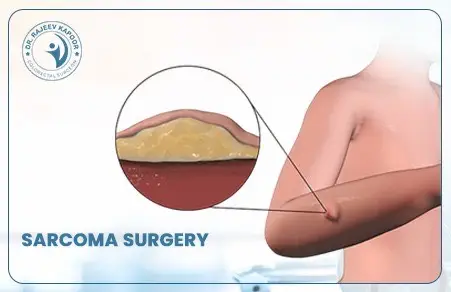
Sarcomas are rare but serious cancers that develop in the body’s connective tissues — such as muscles, fat, nerves, blood vessels, or bones. Because they often begin as painless lumps, sarcomas can be difficult to detect early. However, with the right medical expertise and timely intervention, sarcoma surgery offers patients the best chance for cure and long-term survival. Sarcoma surgery in Chandigarh and Mohali, advanced cancer centers led by experienced surgical oncologists like Dr. Rajeev Kapoor provide world-class care, combining accurate diagnosis, precise surgery, and holistic post-treatment recovery. What Exactly is a Sarcoma? Sarcoma is not a single disease — it’s a group of cancers. Soft Tissue Sarcoma (STS): Begins in muscles, fat, nerves, or blood vessels. Bone Sarcoma: Develops in the skeletal system (e.g., osteosarcoma, chondrosarcoma). Common Subtypes: Liposarcoma, leiomyosarcoma, synovial sarcoma, rhabdomyosarcoma. Though rare, these cancers require specialized oncologists because their treatment is very different from more common cancers. How is Sarcoma Diagnosed? A correct diagnosis is the foundation of successful treatment. The process usually includes: Imaging Tests MRI (most useful for soft tissue tumors) CT or PET scans (to check for spread to lungs or other organs) Biopsy A small tissue sample (core needle or incisional biopsy) confirms the diagnosis. Staging Determines the size of the tumor, its depth, and whether it has spread.  Early diagnosis greatly improves outcomes. Patients are advised not to ignore painless lumps that keep growing. Surgical Treatment for Sarcoma Surgery is the mainstay of treatment for most sarcomas. The goal is simple yet critical: remove the tumor completely while preserving as much normal function as possible. Wide Local Excision: Removes the tumor with a margin of healthy tissue. Limb-Sparing Surgery: Whenever possible, surgeons avoid amputation and use reconstruction to save the arm or leg. Reconstructive Surgery: Plastic or orthopedic procedures restore appearance and mobility. Amputation: Reserved for advanced cases where limb preservation is not feasible. “Surgery remains the cornerstone of sarcoma management. With careful planning, we can remove the tumor effectively while helping patients return to normal life.” – Dr. Rajeev Kapoor Recovery & Post-Surgery Care Rehabilitation: Physiotherapy helps restore strength and mobility. Adjuvant Treatments: Some patients may need chemotherapy or radiation after surgery to reduce recurrence risk. Follow-Up: Regular check-ups (often every 3–6 months) are vital to detect recurrence or spread at the earliest. Key Takeaway Sarcoma surgery in Mohali and Chandigarh requires both medical precision and multidisciplinary support. Chandigarh and Mohali are emerging as trusted hubs for sarcoma treatment, with access to advanced diagnostics, expert surgeons, and rehabilitation facilities. If you or your loved one is facing sarcoma, remember: early diagnosis, timely surgery, and expert care can make all the difference.

Obturator Hernia Surgeon Chandigarh
Hernia, blog

Understanding the Risks and Benefits of Surgery: Insights from Obturator Hernia Surgeons

Understanding the Risks and Benefits of Surgery: Insights from Obturator Hernia Surgeons An obturator hernia, a bulge or weakness in the pelvic floor muscles, can cause significant discomfort and disrupt daily life. While surgery is often the definitive treatment for this condition, it’s natural to feel apprehensive about the risks and benefits involved. This blog delves into the insights of obturator hernia surgeons, providing you with the information you need to make an informed decision about your care. Understanding Obturator Hernias: Symptoms and Diagnosis Obturator hernias are more common in women, particularly those who have given birth multiple times or experienced childbirth complications. Symptoms can vary but often include: A dull ache or sharp pain in the groin or inner thigh, especially when walking, coughing, or lifting objects A bulging sensation in the groin Difficulty urinating or incomplete bladder emptying Constipation or bowel urgency If you experience any of these symptoms, it’s crucial to consult your doctor for a proper diagnosis. Obturator hernia can be diagnosed through a physical examination, imaging tests like pelvic ultrasounds or CT scans, and sometimes barium enemas. Exploring Treatment Options: Surgery vs. Conservative Management For most individuals with obturator hernias, surgery is the recommended course of action to permanently repair the weakness and alleviate symptoms. However, in some cases, particularly for those with mild symptoms or high surgical risk, conservative management might be considered. This might involve: Lifestyle modifications: Losing weight, increasing fiber intake, and avoiding heavy lifting can help manage symptoms and may prevent further progression. Pain management: Medications like over-the-counter pain relievers or prescription medications can help manage pain and improve quality of life. Supportive devices: Wearing a truss, a supportive belt that applies gentle pressure to the hernia, can offer temporary relief. Opt for Freedom: The Advantages of Obturator Hernia Surgery Obturator hernia surgery isn’t just about fixing a problem – it’s about unlocking a brighter future for your health and well-being. Here’s why: Permanent Solution, Lasting Relief: Surgery repairs the weakened area, preventing future herniation and offering long-term freedom from the constant worry of recurrence. Imagine enjoying activities without the fear of the hernia bulging again. Pain-Free Movement, Active Lifestyle: Obturator hernias can significantly limit your mobility due to pain. Surgery alleviates this discomfort, allowing you to move freely and rediscover the joy of physical activity. Take that pain-free walk, play with your kids, or finally conquer that hike you’ve been dreaming of. Dodge Serious Risks, Stay Healthy: Left untreated, these hernias can lead to life-threatening complications like bowel obstruction or strangulation. Surgery eliminates this risk, promoting overall health and well-being. Faster Recovery, Quicker Return: Modern surgical techniques often involve minimally invasive laparoscopy, leading to a manageable recovery period. Get back to your daily routine and reclaim your life faster. Improved Well-Being, Beyond Physical: Chronic pain and limitations caused by an obturator hernia can take a toll on your mental state. Surgery addresses the physical issue, indirectly improving your mental and emotional well-being. Feel stronger, more in control, and ready to embrace life to the fullest. Obturator Hernia Surgery: Risks to Consider While obturator hernia surgery offers significant benefits, it’s important to understand the potential risks involved. Let’s take a closer look at a couple of the problems: Infection: Every surgery carries the risk of infection at the incision site. This can manifest as redness, swelling, fever, or pus. Following proper post-surgical care instructions and maintaining a clean wound significantly reduces this risk. Bleeding: Bleeding during or after surgery is a possibility, although it’s usually minimal. Your doctor will take steps to minimize bleeding risks based on your medical history. Nerve Damage: Nerves run throughout the pelvic region. There’s a small chance that nerves near the hernia can be damaged during surgery, leading to temporary or permanent numbness or weakness in the groin or thigh. The risk is relatively low, and most nerve injuries resolve over time. Mesh Complications: Surgeons often use synthetic mesh to reinforce the repair during obturator hernia surgery. While mesh is generally well-tolerated, there’s a potential for rejection, causing pain or inflammation. In rare cases, the mesh may erode through tissues, requiring additional surgery. To know more about diagnosis, symptoms, and available treatment options, visit our detailed guide on Obturator Hernia in Chandigarh. Conclusion Obturator hernia surgery is a safe and effective procedure for most individuals. However, it’s crucial to weigh the risks and benefits with your doctor. By considering your personal situation and discussing your concerns openly, you can make an informed decision that’s right for you. Always remember that the secret to a good result is early diagnosis and treatment. This blog serves as a starting point for your conversation with your doctor. Don’t hesitate to seek further clarification and guidance specific to your situation. If you are seeking advanced surgical expertise, look no further than Dr. Rajeev Kapoor. He is a highly experienced surgeon with over 34 years of expertise in oncology, gastrointestinal, and trauma surgery. Specializing for 19 years as a colorectal surgeon, he manages intestinal cancers, pelvic tumors, and sarcomas. Trained in robotic and minimally invasive surgery in Chandigarh, he offers advanced treatments for conditions like cancers, hernias, and gallstones. Accredited as a trauma surgeon, Dr.Kapoor ensures comprehensive and compassionate care for all patients. Also Read: Best Treatment for Obturator Hernia  

Perineal Hernia Surgery Chandigarh
Hernia, blog

Recovery After Perineal Hernia Surgery: Expert Advice

Recovery After Perineal Hernia Surgery: Expert Advice Perineal hernia surgery, while often necessary to address a bulge or weakness in the pelvic floor muscles, can leave you feeling achy and apprehensive about returning to your normal routine. However, with proper guidance and a commitment to recovery, you can navigate this experience confidently and regain your well-being. This blog serves as your comprehensive guide to recovering after perineal hernia surgery, packed with expert advice and practical tips- 1. Prioritizing Rest and Recuperation: The Foundation for Healing Just like any surgery, perineal hernia repair requires adequate rest for your body to heal effectively. In light of the nature and intricacy of the procedure, as well as the advice of your physician, schedule at least a few days off from work. Prioritize restful sleep each night, aiming for 7-8 hours. However, complete inactivity isn’t ideal. Short walks around the house can improve circulation and prevent blood clots. Listen to your body’s cues for fatigue and discomfort. Pushing yourself too hard can hinder recovery. 2. Hydration: Your Body’s Ally in Healing Dehydration can slow down healing, exacerbate constipation, and make you feel sluggish. Make water your go-to beverage. Aim for eight or more glasses daily. Consider using a reusable water bottle and tracking your intake to ensure you stay well-hydrated. Alcohol, sugar-filled beverages, and too much caffeine can cause dehydration. Proper hydration also helps with constipation, a common post-surgery side effect. 3. Dietary Do’s and Don’ts: Fueling Your Recovery Journey A balanced, fiber-rich diet is essential for a smooth post-surgery experience. Fruits, vegetables, and whole grains are packed with essential nutrients that support healing and promote healthy digestion. Include plenty of fluids with meals to help soften stool and prevent straining, which can put pressure on the surgical site. Here’s a breakdown of dietary do’s and don’ts: Do: Include plenty of fruits and vegetables (apples, pears, broccoli, spinach) for essential vitamins and fiber. For long-lasting energy, opt for whole grains like brown rice, quinoa, and whole-wheat bread. Consume healthy fats like those found in avocados, nuts, and seeds (in moderation) to promote healing. Don’t: Consume processed foods, greasy meals, and white bread and refined sugars, as they  can contribute to constipation. Limit spicy foods, which can irritate the digestive system. Stay away from alcohol and caffeine in excess as they can dehydrate you 4. Pain Management: Partnering with Your Doctor It is common for pain to occur throughout the postoperative healing phase. However, uncontrolled pain can hinder recovery and make it difficult to participate in essential activities like walking or coughing. Don’t hesitate to take prescribed pain medication according to your doctor’s instructions. Over-the-counter pain relievers like acetaminophen might also be helpful. Remember, managing pain effectively allows you to rest comfortably and promotes healing faster. Discuss alternative pain management options like ice packs or sitz baths (shallow baths in warm water) with your doctor to find what works best for you. 5. Incision Care: Maintaining a Clean and Protected Healing Environment Proper incision care is vital to prevent infection and promote optimal healing. Follow your doctor’s specific instructions regarding wound cleaning and dressing changes. Typically, the area will need to be kept clean and dry. Avoid wearing tight clothing that might irritate the surgical site. When showering, gently pat the area dry instead of rubbing. In case of redness, swelling, or pus, consult your doctor immediately. 6. Managing Coughing and Sneezing with Care: Minimizing Strain Coughing and sneezing can put pressure on the incision site and cause discomfort. To minimize strain, support the area with a pillow or rolled-up towel when you cough or sneeze. This helps distribute the pressure and reduces pain. 7. Gradual Return to Activity: Respecting Your Body’s Limits While rest is crucial, complete inactivity can be counterproductive. Gentle movements promote healing and prevent complications. Once you can handle the length and intensity, progressively increase from short walks around the house. However, avoid lifting heavy objects for at least 6-8 weeks, or as advised by your doctor. Listen to your body and gradually increase activity to avoid setbacks. 8. Postural Support: Promoting Healing From the Inside Out Maintaining good posture can significantly reduce pain and promote healing after perineal hernia surgery. When sitting, use a supportive chair with good lower back support. Avoid slouching or hunching over. While sleeping, elevate your head slightly with pillows to reduce tension on the pelvic floor muscles. 9. Open Communication with Your Doctor: Addressing Concerns and Monitoring Progress Don’t hesitate to reach out to your doctor if you experience any concerning symptoms after surgery, such as: Fever Increased pain Redness or swelling at the incision site Difficulty urinating Drainage from the incision site Difficulty controlling bowel movements A smooth recovery can be ensured and complications can be avoided with early management. Regular follow-up appointments with your doctor are crucial to monitor your progress and address any concerns you may have. 10. Patience is Key: Trusting the Healing Process Recovery from perineal hernia surgery takes time.Have self-compassion and let your body recover itself at its own speed. Everyone heals differently, so don’t get discouraged if you don’t feel back to normal immediately. Focus on following your doctor’s instructions and gradually increasing your activity level. Celebrate small victories as you progress through your recovery journey. Additional Tips for a Smoother Recovery Pelvic Floor Exercises: After consulting with your doctor, incorporating pelvic floor muscle exercises into your routine can strengthen the muscles in the pelvic floor, which can aid healing and prevent future hernias. Bowel Management: Maintaining regular bowel movements with a soft stool consistency is crucial for reducing strain on the surgical site. If you experience constipation, consider using a stool softener as directed by your doctor. Intimacy: Discuss the appropriate timeframe for resuming sexual activity with your doctor. Typically, several weeks of abstinence are recommended to allow for proper healing. Emotional Support: Perineal hernia surgery can be an emotionally challenging experience. Don’t hesitate to seek support from your loved ones, or consider joining a support

Hernia Surgery
blog

Bounce Back Faster: Top Tips for Speedy Hernia Surgery Recovery

Bounce Back Faster: Top Tips for Speedy Hernia Surgery Recovery A hernia surgery, while often necessary to address a bulge or weakness in the abdominal wall, can leave you feeling sore and sluggish. But fear not! By following some key recovery tips, you can bounce back faster and get back to your normal routine. Here’s your guide to a speedy and smooth hernia surgery recovery: Conquering Recovery: A Gamer’s Guide to Hernia Surgery Rehabilitation This blog will equip you with the knowledge and strategies to level up your recovery and reclaim your active life. From prioritizing rest like refilling your mana bar to crafting a balanced diet for optimal healing, we’ll explore all the essential quests you need to complete for a smooth and speedy recovery journey. So, grab your metaphorical controller, and let’s dive into the ultimate post-surgery recovery guide! Rest and Recuperation: Listen to Your Body Just like your character needs a mana bar refill, your body needs rest to heal. Take time off work, prioritize sleep, and listen to fatigue cues. However, don’t AFK (Away From Keyboard) completely. Short walks are mini-quests that improve circulation and prevent blood clots. Remember, adequate rest is the ultimate power-up for a speedy recovery. Hydration: The Essential Potion of Health Dehydration is a health debuff, slowing healing and making you feel sluggish. Make water your go-to potion! Aim for eight glasses a day. Skip sugary drinks, alcohol, and excessive caffeine, which dehydrate you like a monster attack. Drinking plenty of fluids also helps prevent constipation, a common post-surgery side effect. Consider using a reusable water bottle and tracking your “hydration points” to stay in the game. Nutritional Dos and Don’ts: Advancing Your Healing A balanced, fiber-rich diet is your armor for a speedy recovery. Fruits, vegetables, and whole grains are health potions that provide essential nutrients for healing and healthy digestion. Include plenty of fluids with meals to avoid constipation and straining, which can strain your incision like a boss attack. Avoid processed foods, greasy meals, and constipation-causing items like white bread – these are enemy traps! Think of your pantry as a loot chest stocked with healthy options to keep you on top of your game. Pain Management: Team Up with Your Doctor Pain is a common post-surgery experience. But uncontrolled pain is a game-changer, preventing you from essential activities. Do not hesitate to take prescription pain medicine as directed by your doctor. Over-the-counter pain relievers can also be helpful allies. Remember, effective pain management lets you rest comfortably and promotes healing faster. Discuss alternative pain management options like ice packs or heating pads with your doctor – different strategies work for different players. Incision Care: Keeping it Clean and Protected Proper incision care is like building a defense shield against infection. Follow your doctor’s instructions for wound cleaning and dressing changes. Keep the incision clean and dry – think of it as a no-fly zone for germs. Avoid tight clothing that irritates the area. When showering, pat the area dry instead of rubbing. In case of redness, swelling, or pus, it’s a boss alert – consult your doctor immediately! Taking daily pictures of your incision can help you track progress and give valuable information to your doctor during follow-up appointments. Coughing and Sneezing with Caution: Minimizing Strain Coughing and sneezing can affect your incision site. To avoid taking damage, support the incision with a pillow or rolled-up towel when you cough or sneeze. This distributes the pressure and reduces pain. Think of it as using a shield to block incoming attacks! Keep a “coughing cushion” readily available in your frequent resting areas – preparation is key in any good game. Gradual Return to Activity: Level Up Slowly and Steadily Rest is crucial, but complete inactivity is a no-win situation. Gentle movement promotes healing and prevents complications. Begin with short walks and progressively increase the length and intensity as acceptable. However, avoid lifting heavy objects for at least 6 weeks, or as advised by your doctor. Lifting heavy things is like trying to fight a boss before you’ve leveled up enough – it won’t end well. Be patient, listen to your body, and gradually increase your activity to avoid setbacks. Postural Support: Helping Your Body Heal Good posture helps reduce pain and promotes healing. When sitting, use a supportive chair with good lower back support. Avoid slouching or hunching over. While sleeping, elevate your head slightly with pillows to reduce tension on the abdominal muscles. Imagine good posture as a core strength buff – it helps you recover faster and stronger. A supportive chair and a comfortable pillow are valuable investments in your recovery journey. Patience is Key: Understanding the Healing Process Recovery from hernia surgery takes time. Be gentle with yourself and let your body recover. Everyone has a different recovery pace – don’t get discouraged if you don’t feel back to normal immediately. Focus on following your doctor’s instructions and gradually increasing your activity. Celebrate small victories as you progress through your recovery levels. Remember that patience is an essential ability for mastering the game of healing. Conclusion- By following these tips and adhering to your doctor’s specific instructions, you can significantly improve your chances of a speedy and comfortable recovery from hernia surgery. Remember, rest, proper nutrition, and gradual activity are key ingredients for bouncing back faster. For patients undergoing less common procedures, such as perineal hernia surgery recovery, the healing process may involve unique challenges that require extra care. Always Listen to your body, prioritize your well-being, and don’t hesitate to seek help from your doctor if needed. With a positive attitude and a commitment to following a healthy recovery plan, you’ll be back to your active lifestyle in no time.  Open Communication with Your Doctor: Addressing Concerns Don’t hesitate to reach out to your doctor if you experience any concerning symptoms like fever, increased pain, redness at the incision site, or difficulty breathing. Remember that patience is an essential ability for mastering the game

Anal Fistulas
Anal Fistula, blog

Rectal Advancement Flaps for Complex Anal Fistulas : A Surgical Approach

An anal fistula is a challenging and often painful condition that requires careful consideration and surgical management. One of the surgical techniques employed in treating complex anal fistulas is the Rectal Advancement Flaps for Complex Anal Fistulas procedure. This approach has proven to be effective in many cases. Understanding Anal Fistulas An Anal Fistulas is an abnormal connection or tunnel that forms between the anal canal (the end of the large intestine) and the skin near the anus. It typically results from an infection or abscess near the rectum. Anal fistulas can cause persistent pain, discharge, and recurrent infections, significantly affecting a patient’s quality of life. Several surgical techniques are available to manage these fistulas, and the choice of procedure depends on the type as well as complexity of the fistula. Here are some of the surgical options: Fistulotomy: This is a straightforward surgical procedure in which the surgeon cuts open the entire length of the fistula tract, allowing it to heal from the inside out. It’s typically used for simple, low-risk fistulas. Seton Placement: A seton, which is a special elastic thread, can be placed through the fistula tract. This helps in gradual drainage as well as allows the surrounding tissues to heal. Seton placement is often used when there’s a high risk of incontinence with other procedures. Seton can be used as a cutting seton too. LIFT Procedure (Ligation of the Intersphincteric Fistula Tract): This technique involves identifying and ligating the internal opening of the fistula tract while leaving the rest intact. It’s suitable for certain complex fistulas. Advancement Flap Surgery: As previously discussed, advancement flap surgery involves creating a flap of healthy tissue to cover the internal opening. This is ideal for complex fistulas near the sphincters. Plugs as well as Fillers: Special plugs or biologically derived materials can be used to seal the internal opening. These act as a barrier to encourage healing. This has not proved to be very successful as well as has high recurrence rates.  Other Factors Of Anal Fistulas Fibrin Glue: Fibrin glue is injected into the fistula tract to seal it. This technique is suitable for some low to moderately complex fistulas. Again it is not used these days as the recurrence rates are very high. Video-Assisted Anal Fistula Treatment (VAAFT): VAAFT is a minimally invasive procedure in which a small endoscope is inserted into the fistula tract. It’s used to locate as well as close the internal opening with glue or sutures. This procedure can be used in very simple fistula; it too has high recurrence rates. Staged Procedures:  In complex or recurrent cases, surgeries may need to be staged, where several procedures are performed over multiple sessions. Colostomy:  In severe cases or when all other methods fail, a colostomy may be considered. This involves diverting the fecal stream to allow the area to heal. The choice of surgery depends on individual factors, such as the type and location of the Anal Fistulas, the patient’s overall health, as well as the surgeon’s preference and expertise. A thorough evaluation by a colorectal surgeon is necessary to determine the most suitable surgical approach for each patient. While these surgical techniques have their own advantages as well as considerations, the primary goal is to treat the fistula effectively while preserving anal function and minimizing the risk of complications such as incontinence. Consulting with a specialist is crucial to ensure the best possible outcome for patients dealing with Anal Fistulas. The Role of Rectal Advancement Flaps The Rectal Advancement Flap procedure is a surgical technique designed to treat complex anal fistulas. Complex anal fistulas are those that are associated with a high risk of recurrence or have multiple tracts, making them challenging to manage with simple procedures like fistulotomy. Patients with recurrent or complex cases often require specialized care, and consulting a surgeon experienced in fistula surgery can make a significant difference in treatment outcomes. How The Procedure Works? Patient Preparation: The patient is placed under general anaesthesia and positioned on special contraption, called yeloow fin stirrups. Identifying the Fistula: The surgeon carefully identifies the fistula’s tract or tracts, often using specialized tools as well as techniques. Creating a Flap as well as suturing the internal opening: A flap of healthy rectal tissue is created. This flap is designed to close the internal opening of the fistula, which is usually situated within the rectal lining. Flap Advancement: The created flap is advanced as well as sutured over the internal opening, effectively sealing it. Drainage: n some cases, a seton or drain may be placed to ensure proper drainage while the fistula heals. Closure: The external opening of the fistula is left open or may be partially closed depending on the specific case. Advantages of Rectal Advancement Flaps Low Risk of Incontinence: One significant advantage of the Rectal Advancement Flap procedure is its low risk of causing faecal incontinence. This makes it a preferred choice for many complex fistulas, especially those close to the anal sphincters. Effective Closure: By creating a flap of healthy tissue, this procedure effectively closes the internal opening of the fistula, reducing the risk of recurrence. While the Rectal Advancement Flap procedure offers many advantages, there are also potential considerations as well as complications: Healing Time: Healing can take several weeks to months. It’s essential for patients to follow post-operative care instructions carefully. Recurrence: While the risk of recurrence is low, it can still occur, particularly in challenging cases. Infection: As with any surgical procedure, there is a risk of infection, which needs to be managed with appropriate antibiotics. Conclusion The Rectal Advancement Flap procedure is a valuable surgical approach for treating complex Anal Fistulas, providing effective closure while minimizing the risk of incontinence. It’s essential for patients to consult with experienced colorectal surgeons to determine the most suitable treatment for their specific condition. For More Information Stay Updated With : drrajeevkapoor.com Also Read: Latest Surgical Management of Left Colon Cancer The Technology Behind Robotic Surgery Is Bowel Content Leakage

Colon Cancer
Cancer, blog

Latest Surgical Management of Left Colon Cancer

Latest Surgical Management of Left Colon Cancer: Techniques And Considerations Left-sided colon cancer, which includes malignancies in the sigmoid colon and the descending colon, is a prevalent condition that often requires surgical intervention as part of its treatment. Over the years, surgical techniques and approaches for left colon cancer have evolved significantly, leading to improved outcomes and quality of life for patients. We discuss all about surgical management of left colon cancer, including key procedures and considerations.  Surgical Approaches Several surgical approaches can be employed for the management of left colon cancer, with the choice depending on factors such as tumor size, location, and the patient’s overall health. The most common surgical procedures include: Left Hemicolectomy: This procedure involves the removal of the affected part of the left colon, along with the associated lymph nodes. The remaining healthy colon is then reconnected (anastomosed) to ensure the continuity of the digestive tract. Sigmoid Colectomy: Sigmoid colectomy focuses on the removal of the sigmoid colon, which is the S-shaped portion of the colon located just above the rectum. Similar to left hemicolectomy, it may involve reconnection of the remaining colon. High Anterior Resection (HAR): HAR is a more extensive procedure that removes not only the sigmoid colon but also a portion of the upper rectum. This procedure is often necessary when the tumor is closer to the rectum. Colostomy: In some cases, when it is not possible to re-establish continuity in the colon due to factors like tumor location or patient health, a colostomy may be performed. During this procedure, the colon is diverted to an opening in the abdominal wall (stoma), and a colostomy bag collects waste. A Few Important Facts Preoperative Assessment: A thorough evaluation of the patient’s overall health is essential before surgery. This includes assessing cardiac and pulmonary function, nutritional status, and any comorbidities that may affect the surgery’s outcome.  Bowel Preparation: Patients may be required to undergo bowel preparation before surgery, which involves cleaning out the colon to reduce the risk of infection.  Laparoscopic and Robotic Surgery: Minimally invasive approaches, such as laparoscopic and robotic-assisted surgery, have become increasingly popular for left colon cancer. These techniques offer smaller incisions, reduced postoperative pain, quicker recovery, and shorter hospital stays compared to traditional open surgery. Lymph Node Dissection: Adequate removal of regional lymph nodes is crucial for staging and to prevent cancer recurrence. Surgeons meticulously dissect lymph nodes in the affected area during the procedure. Stoma Care: For patients who undergo colostomy, education on stoma care is essential. This includes learning how to change the colostomy bag and manage potential complications. Postoperative Recovery: The recovery process after surgery typically involves pain management, dietary adjustments, and early ambulation to prevent complications like blood clots and pneumonia. Outcomes And Prognosis The prognosis for left colon cancer largely depends on factors such as the stage at diagnosis, tumor size, and the success of surgical intervention. Early-stage cancers that are completely removed through surgery often lead to excellent long-term outcomes. However, advanced-stage cancers may require additional treatments such as chemotherapy or radiation therapy. Conclusion Surgery remains a cornerstone in the management of left colon cancer. With advancements in surgical techniques, increased utilization of minimally invasive approaches, and a focus on personalized care, patients diagnosed with left colon cancer can look forward to improved survival rates and a better quality of life. Close collaboration between surgeons, oncologists, and other healthcare professionals is vital in ensuring optimal outcomes for individuals facing this challenging condition. Also Read: Robotic assisted Right Hemicolectomy – Advancements in Minimally Invasive Surgery for Colon Cancer Surgical Option for Right Colon Cancer – Right Hemicolectomy Understanding Right Colon Cancer: Symptoms, Diagnosis, and Treatment Options

Urgent Management Is Necessary For Intestinal Obstruction
blog, Hernia

Urgent Management Is Necessary For Intestinal Obstruction

Urgent Management Is Necessary For Intestinal Obstruction: Causes, Diagnosis, And Treatment Intestinal obstruction is a serious medical condition characterized by the partial or complete blockage of the normal flow of digestive contents through the intestines. This condition can be caused by various factors and can lead to severe complications if not promptly diagnosed and managed. Let’s explore the causes, clinical presentation, diagnostic methods, and treatment options for intestinal obstruction.  Causes of Intestinal Obstruction Intestinal obstruction can occur in both the small intestine and the large intestine (colon) and may be caused by various factors, including: Mechanical Obstruction This is the most common cause and is often due to physical blockages, such as: Adhesions: Scar tissue that forms after abdominal surgery. Hernias: When a portion of the intestine pushes through a weak spot in the abdominal wall. Tumors: Benign or malignant growths that obstruct the intestinal lumen. Intussusception: Telescoping of one segment of the intestine into another. Volvulus: Twisting of the intestine upon itself. Functional Obstruction: This occurs when there is no physical blockage but the intestines fail to function properly due to issues like muscle or nerve problems. Clinical Presentation The presentation of Intestinal obstruction can vary depending on the location, severity, and underlying cause. Common symptoms and signs include: Abdominal Pain: Crampy, colicky pain that comes and goes, often in waves, as the intestine tries to overcome the obstruction. Vomiting: Frequent and forceful vomiting, which may become feculent (containing feces) in complete obstruction. Abdominal Distension: Swelling and bloating of the abdomen due to trapped gas and fluids. Constipation: Inability to pass stool or gas, especially in cases of large intestine obstruction. Dehydration: Due to vomiting and fluid loss, patients may become dehydrated, leading to dry mouth, decreased urine output, and electrolyte imbalances. Fever: In cases of strangulated obstruction where blood supply to the affected segment is compromised. Diagnosis Diagnosing Intestinal obstruction typically involves a combination of clinical assessment and imaging studies: Physical Examination: The healthcare provider will perform a physical examination, including palpating the abdomen for tenderness, distension, and abnormal bowel sounds. X-rays: Abdominal X-rays can reveal signs of obstruction, such as dilated loops of bowel and air-fluid levels. CT Scan: A computed tomography (CT) scan of the abdomen can provide detailed images and help determine the cause and location of the obstruction. Blood Tests: These are conducted to assess for electrolyte imbalances and signs of infection in cases of strangulated obstruction. Treatment The management of Intestinal obstruction depends on the cause, severity, and the patient’s overall health. Treatment options include: Nasogastric Tube (NG Tube): Placing an Nasogastric Tube NG tube through the nose and into the stomach helps relieve abdominal distension by removing gas and fluids. This is often done as an initial step to relieve symptoms and assess the severity of obstruction. Intravenous (IV) Fluids: Patients are given fluids and electrolytes intravenously to correct dehydration and electrolyte imbalances. Surgery: In cases of mechanical obstruction, surgery may be necessary to remove the blockage. This may involve removing damaged or necrotic tissue and resecting affected segments of the intestine. Non-Surgical Treatment: Some cases of functional obstruction or partial obstruction may respond to conservative treatment, including bowel rest, medications, and monitoring. Postoperative Care: After surgery, patients are closely monitored for complications such as infection, ileus (temporary paralysis of the bowel), and wound healing. Conclusion Intestinal obstruction is a potentially life-threatening condition that requires prompt medical attention. Early diagnosis and appropriate treatment, whether surgical or non-surgical, are crucial for a successful outcome. The management of intestinal obstruction should be tailored to the individual patient’s condition, and a multidisciplinary approach involving surgeons, gastroenterologists, and nurses is often necessary to provide optimal care and improve patient outcomes. Also Read: Latest Surgical Management of Left Colon Cancer The Technology Behind Robotic Surgery Surgical Strategies To Address Intestinal Obstruction

Rectovaginal Fistula
blog, Rectovaginal Fistula

Rectovaginal Fistula: Causes, Symptoms, And Treatment

Rectovaginal Fistula: Causes, Symptoms, And Treatment A rectovaginal fistula (RVF) is a distressing medical condition characterized by an abnormal connection between the rectum and the vagina. This connection leads to the passage of stool or gas from the rectum into the vagina, causing significant discomfort, embarrassment, and potential health issues. Lets explore the causes, symptoms, diagnosis, and treatment options for rectovaginal fistulas.  What Is Rectovaginal Fistula? A rectovaginal fistula is an abnormal passage or tunnel that develops between the rectum (the last part of the large intestine) and the vagina. This connection allows stool, gas, or sometimes even pus to pass between the two organs. RVFs can vary in size and severity, and their causes may also differ. Types of Rectovaginal Fistulas There are several types of RVFs, including congenital (present from birth) and acquired (developed due to an injury or medical condition). The most common acquired RVFs result from obstetric complications during childbirth, surgical complications, inflammatory bowel diseases like Crohn’s disease, or radiation therapy for pelvic cancers. Causes of Rectovaginal Fistulas Understanding the underlying causes of RVFs is essential for proper management. Common causes include: Obstetric injuries during childbirth. Surgical complications (e.g. after colorectal surgery). Inflammatory bowel diseases (e.g. Crohn’s disease). Radiation therapy for pelvic cancers. Trauma or injury to the pelvic area. Once you are familiar with the common causes and symptoms, it is equally important to understand how doctors confirm the condition. Learn more about the diagnosis and management of rectovaginal fistula for a complete overview. How To Identify A Rectovaginal Fistula? Recognizing the signs and symptoms of an RVF is crucial for early diagnosis. Common indicators include: Passage of stool or gas through the vagina. Foul-smelling vaginal discharge. Recurrent urinary tract infections (UTIs). Pain or discomfort in the pelvic region. Vaginal irritation or itching. Impact On Quality of Life Due To Rectovaginal Fistula RVFs can significantly affect a person’s quality of life. The constant leakage of stool or gas can lead to social isolation, emotional distress, and a decreased ability to perform daily activities comfortably. Diagnosing Rectovaginal Fistula Physical Examination – A physical examination, including a pelvic exam, is often the first step in diagnosing an RVF. During the exam, a healthcare provider may detect the abnormal passage between the rectum and vagina. Imaging And Diagnostic Tests – Additional tests may be required to confirm the diagnosis and assess the extent and location of the RVF. These tests can include: Endoscopy: A flexible tube with a camera (endoscope) is inserted into the rectum to visualize the fistula. Barium enema: A contrast material (barium) is used during X-rays to highlight the RVF. Magnetic Resonance Imaging (MRI): This imaging technique can provide detailed images of the pelvic area. Treatment Options For Rectovaginal Fistula Treating an RVF depends on its size, location, and underlying causes. Treatment options include: Conservative Management Small, uncomplicated RVFs may heal on their own with conservative measures such as dietary changes, antibiotics to prevent infection, and stool softeners to reduce bowel movements’ irritation. Surgical Intervention Most RVFs require surgical repair. Surgical options include: Primary Repair: The fistula is closed with sutures. Advancement Flap Repair: A nearby tissue flap is used to cover the fistula. Colostomy: In severe cases, a temporary colostomy may be necessary to divert stool away from the repaired area while it heals. Emerging Therapies Researchers are exploring newer therapies, including tissue grafts and biologic agents, to improve RVF treatment outcomes. Post-Surgery Care After surgical repair, patients need to follow their healthcare provider’s instructions carefully. This may include dietary restrictions, hygiene measures, and follow-up appointments to monitor healing. There are always chances of the repair not being successful. Lifestyle Changes Living with an RVF may require certain lifestyle adjustments, including dietary modifications and strategies for managing symptoms. Support from healthcare providers and support clinical networks is invaluable during this time. Living With A Rectovaginal Fistula Coping Strategies – Coping with an RVF can be emotionally challenging. Seeking support from mental health professionals and connecting with support groups can help individuals navigate the emotional aspects of living with this condition. Support Networks – Support groups and online communities provide a platform for individuals to share experiences, tips, and emotional support with others facing similar challenges. Conclusion The rectovaginal fistula can significantly impact a person’s physical and emotional well-being. Early diagnosis and appropriate treatment, which may include surgery, are essential for managing this condition effectively. With proper care and support, individuals with RVFs can improve their quality of life and regain control over their health.  Also Read:  Malignant Intestinal Obstruction: Strategies For Relief And Care What Are The First Signs Of Fecal Incontinence  Advancements in the Treatment of Rectal Cancer

Malignant Intestinal Obstruction
blog

Malignant Intestinal Obstruction: Strategies For Relief And Care

Malignant Intestinal Obstruction: Strategies For Relief And Care Malignant intestinal obstruction is a challenging and often distressing condition that arises when a tumor, typically of cancerous origin, blocks the normal passage of stool and gas through the intestines. This condition is most commonly associated with advanced-stage abdominal cancers, such as colorectal cancer, ovarian cancer, or gastric cancer, where the tumor growth obstructs the lumen of the intestines, leading to a range of uncomfortable and potentially life-threatening symptoms.  Understanding Malignant Intestinal Obstruction Malignant intestinal obstruction occurs when a tumor, whether originating in the intestines themselves or spreading from nearby organs, physically obstructs the intestinal passage. The tumor can constrict or completely block the intestine, preventing the normal flow of stool and gas. This obstruction causes a variety of distressing symptoms, including severe abdominal pain, nausea, vomiting, constipation, abdominal distension, and an inability to pass gas or have a bowel movement. The Importance of Early Diagnosis Early diagnosis is crucial for effectively managing malignant intestinal obstruction. Patients who are already dealing with cancer should be vigilant for any new or worsening abdominal symptoms, as prompt intervention can significantly improve their quality of life. Physicians may use imaging studies such as abdominal X-rays, CT scans, or endoscopy to confirm the presence and location of the obstruction. Management Strategies For Malignant Intestinal Obstruction Surgery Surgical intervention is often the primary treatment approach for Malignant intestinal obstruction. The specific procedure may vary based on factors like the location of the tumor and the overall health of the patient. Bowel Resection: In cases where the tumor is localized and hasn’t spread extensively, a surgeon may perform a bowel resection. This involves removing the section of the intestine containing the tumor and reconnecting the healthy ends. This procedure aims to remove the obstruction and allow normal bowel function to resume. Stent Placement: In situations where surgery is not feasible due to the patient’s overall health or the tumor’s extent, a stent can be placed. A stent is a tube-like device inserted into the blocked area to keep it open, allowing the passage of stool and gas. Colostomy or Ileostomy: If the tumor is unresectable, or if the patient’s condition is too fragile for extensive surgery, a colostomy or ileostomy may be created. These are surgical openings in the abdominal wall through which waste is eliminated into an external bag, bypassing the obstructed area. Chemotherapy For patients with advanced cancer causing intestinal obstruction, chemotherapy may be recommended. Chemotherapy can help shrink tumors, potentially relieving the obstruction and improving symptoms. This approach is often part of a broader cancer treatment plan. Palliative Care Recognizing that malignant intestinal obstruction is often a sign of advanced cancer, the primary goal of treatment may be palliative care. Palliative care specialists focus on symptom management and improving the patient’s quality of life. This can include pain management, anti-nausea medications, and emotional support. Medications Various medications can be used to alleviate symptoms associated with Malignant intestinal obstruction. These may include antiemetics to control nausea and vomiting, analgesics to manage pain, and corticosteroids to reduce inflammation. Nutritional Support Obstruction can lead to reduced food intake, putting patients at risk of malnutrition. Nutritional support, such as intravenous (IV) fluids or feeding tubes, may be necessary to maintain adequate nutrition. Bowel Rest In some cases, the bowel may be allowed to rest by keeping the patient NPO (nothing by mouth) to reduce strain on the blocked intestine. Intravenous fluids and nutrients can sustain the patient during this period. Radiation Therapy Radiation therapy may be used to shrink tumors causing the obstruction. By reducing tumor size, radiation can help relieve symptoms and improve the patency of the intestine. Endoscopic Procedures Minimally invasive endoscopic procedures, such as stent placement or tumor debulking, may be considered in select cases to alleviate obstruction. Monitoring And Symptom Management Patients with malignant intestinal obstruction require close monitoring for complications such as infection or bowel perforation. Managing symptoms like pain and discomfort is crucial for improving the patient’s comfort and quality of life. Discussing Goals of Care Healthcare providers must engage in open and honest discussions with patients and their families about their goals of care. Understanding whether the focus is on curative or palliative measures can help tailor the treatment approach accordingly. Conclusion Malignant intestinal obstruction is a complex and often advanced manifestation of cancer, requiring a multidisciplinary approach. The choice of strategy will depend on the individual patient’s condition and preferences, with the primary goal of relieving symptoms and improving their quality of life. Early detection, timely intervention, and comprehensive care are key elements in managing this challenging condition.  Also Read: Urgent Management Is Necessary For Intestinal Obstruction Latest Surgical Management of Left Colon Cancer The Technology Behind Robotic Surgery Surgical Strategies To Address Intestinal Obstruction Surgical Options For Anal Or Fecal Incontinence

Robotic Surgery
blog, Robotic Surgery

The Technology Behind Robotic Surgery

The Technology Behind Robotic Surgery Robotic surgery represents a ground breaking advancement in the field of surgery. This innovative approach combines the precision and expertise of human surgeons with the dexterity and accuracy of robotic systems.  What Is Robotic Surgery? This is also known as robot-assisted surgery, is a minimally invasive surgical technique that utilizes robot systems to aid surgeons in performing complex procedures. These systems are designed to enhance a surgeon’s precision, control, and ability to access hard-to-reach areas within the body. Evolution of Robotic Surgery Surgery has come a long way since its inception in the 1980s. Early robotic systems were limited in their capabilities, but over the years, advancements in technology have led to highly sophisticated systems that are now widely used in various medical specialties. The Robotic Surgical System Components The core components of a robotic surgical system include: 1. Surgical Console: The surgeon operates the robotic system from a console, which provides a 3D, high-definition view of the surgical site. Foot pedals and hand controls allow the surgeon to manipulate the robotic arms and instruments. 2. Robotic Arms: The robotic arms are equipped with surgical instruments and are responsible for performing precise movements as directed by the surgeon. These arms can replicate the surgeon’s hand movements with greater precision. 3. Vision System: High-definition cameras are mounted on robotic arms, providing a magnified, 3D view of the surgical area. The surgeon relies on this visual feedback for precise navigation. 4. Instruments: Specialized surgical instruments are attached to the robotic arms, which can mimic a wide range of motions, including rotation and articulation. Robotic Surgery Involves The Following Steps The surgeon sits at the console, wearing 3D glasses to view the surgical site. Small incisions are made, and the robotic arms, with attached instruments, are inserted through these incisions. The surgeon manipulates the robotic arms from the console, translating their movements into precise actions within the patient’s body. The vision system provides a clear, magnified view, aiding in accurate navigation. The surgeon performs the procedure with unparalleled precision and control. Advantages of Robotic Surgery Robotic surgery offers several advantages over traditional open surgery, including: Smaller incisions, leading to reduced scarring and faster recovery. Enhanced precision, reducing the risk of complications. Improved visualization of the surgical site. Reduced blood loss and postoperative pain. Shorter hospital stays. Applications of Robotic Surgery Common Procedures Surgery is used in various medical specialties, including: Urology: Prostatectomies and kidney surgeries. Gynecology: Hysterectomies and myomectomies. General Surgery: Procedures for hernias, gall bladder and colorectal conditions. Cardiac Surgery: Heart valve repair and coronary artery bypass. Expanding Horizons The applications of this surgery continue to expand, with ongoing research and development in fields like neurosurgery, orthopedics, and even remote surgery. Challenges And Future of Robotic Surgery Current Limitations Surgery is not without challenges. These include the high cost of equipment, the need for specialized training, and limitations in tactile feedback. Additionally, not all procedures are suitable for robotic-assisted techniques. Future Prospects The future of Robotic surgery holds promise. Advancements in artificial intelligence, haptic feedback systems, and remote surgery capabilities are on the horizon. As technology continues to evolve, this type of surgery is expected to become more accessible and applicable to a wider range of medical procedures. Conclusion Robotic surgery represents a remarkable fusion of cutting-edge technology and medical expertise. With its ability to enhance precision, minimize invasiveness, and improve patient outcomes, robotic surgery is poised to play an increasingly significant role in modern medicine, shaping the future of surgical procedures.  Also Read: Robotic assisted Right Hemicolectomy – Advancements in Minimally Invasive Surgery for Colon Cancer Robotic APR: The latest and the best treatment for Low Rectal Cancer Advancements in the Treatment of Rectal Cancer

Scroll to Top
Call Now Button