Cancer

What Are the Early Signs of Colon Cancer and When Is Surgery Needed
Cancer, Colon. Cancer

What Are the Early Signs of Colon Cancer and When Is Surgery Needed?

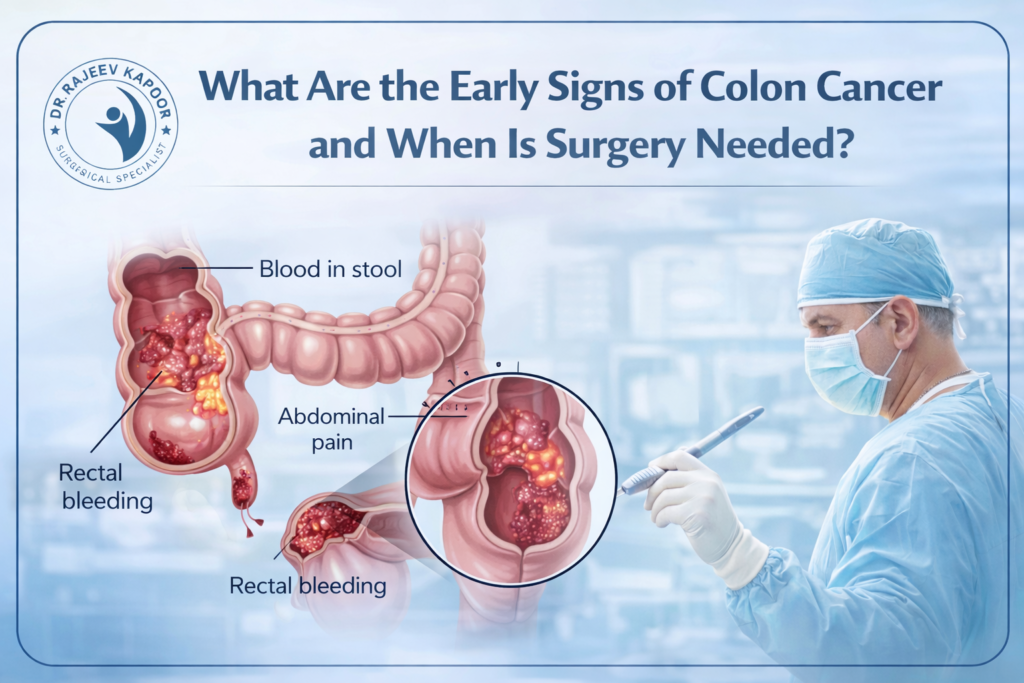
Colon cancer is one of the most common gastrointestinal cancers worldwide, and its incidence in India has been steadily increasing. The good news is that when detected early, colon cancer is highly treatable. With over 30 years of surgical experience, Dr. Rajeev Kapoor emphasizes early diagnosis and timely surgical intervention as the key to improving survival outcomes. This article explains the early warning signs, risk factors, and when surgery becomes necessary. What Is Colon Cancer? Colon cancer develops from the inner lining of the large intestine (colon). In most cases, it begins as a small growth called a polyp, which may gradually turn cancerous over time. Because early-stage colon cancer often produces mild or vague symptoms, it is frequently diagnosed late if screening is ignored. Early Signs of Colon Cancer Recognizing early symptoms can significantly improve outcomes. 1️⃣ Change in Bowel Habits Persistent constipation Diarrhea lasting more than a few weeks Alternating constipation and diarrhea 2️⃣ Blood in Stool Bright red blood Dark or tarry stools Occult (hidden) blood detected on testing Rectal bleeding should never be automatically attributed to piles without evaluation. 3️⃣ Persistent Abdominal Discomfort Cramping Bloating Gas Feeling of incomplete bowel evacuation 4️⃣ Unexplained Weight Loss 5️⃣ Fatigue and Weakness Chronic blood loss can lead to anemia, causing tiredness and breathlessness. If any of these symptoms persist for more than two weeks, medical evaluation is essential. Who Is at Higher Risk? Certain individuals have a higher likelihood of developing colon cancer: Age above 45 years Family history of colorectal cancer History of colon polyps Inflammatory bowel disease (ulcerative colitis or Crohn’s disease) Obesity Sedentary lifestyle High red meat, low-fiber diet Screening is especially important in high-risk individuals. How Is Colon Cancer Diagnosed? Diagnosis typically involves: Colonoscopy (gold standard test) Biopsy of suspicious lesions CT scan for staging Blood tests including tumor markers Colonoscopy not only detects cancer but can also remove precancerous polyps, preventing disease progression. When Is Surgery Needed for Colon Cancer? Surgery is the primary and most effective treatment for localized colon cancer. It is recommended when: The tumor is confined to the colon There is no distant metastasis (or limited, resectable spread) The patient develops obstruction There is persistent bleeding There is perforation Early-stage cancer treated surgically has significantly better survival rates compared to advanced disease. Types of Colon Cancer Surgery The surgical approach depends on tumor location and stage. 1️⃣ Segmental Colectomy Removal of the cancerous portion of the colon along with nearby lymph nodes. 2️⃣ Laparoscopic Colectomy Minimally invasive technique using small incisions. Benefits include: Less pain Faster recovery Shorter hospital stay 3️⃣ Open Colectomy Required for large tumors, emergency situations, or complicated cases. In some cases, a temporary or permanent stoma may be required depending on tumor location and patient condition. Is Chemotherapy Always Required? Not always. Early-stage colon cancer may require surgery alone. Stage III and some Stage II cases may need chemotherapy after surgery. Advanced disease requires a combined treatment approach. Treatment planning is individualized based on staging. Importance of Early Screening Most colon cancers develop slowly over several years. Regular screening can detect polyps before they become malignant. General recommendations: Begin screening at age 45 Earlier if there is a family history Screening methods include: Colonoscopy Stool-based tests CT colonography Early detection dramatically improves survival rates. Can Colon Cancer Be Prevented? While not all cases are preventable, risk can be reduced by: High-fiber diet Regular exercise Maintaining healthy weight Avoiding smoking Limiting alcohol intake Routine screening Prevention and early detection go hand in hand. When Should You Consult a Surgeon? Seek immediate evaluation if you experience: Persistent rectal bleeding Ongoing change in bowel habits Severe abdominal pain Symptoms of intestinal obstruction Unexplained weight loss Early surgical consultation ensures timely intervention. Conclusion Colon cancer is highly treatable when detected early. The key lies in recognizing warning signs and not ignoring persistent symptoms. Surgery remains the cornerstone of treatment for localized disease, and outcomes are significantly better when intervention occurs at an early stage. For patients considering Colon Cancer Surgery in Chandigarh, early evaluation and expert surgical management can significantly improve long-term survival.
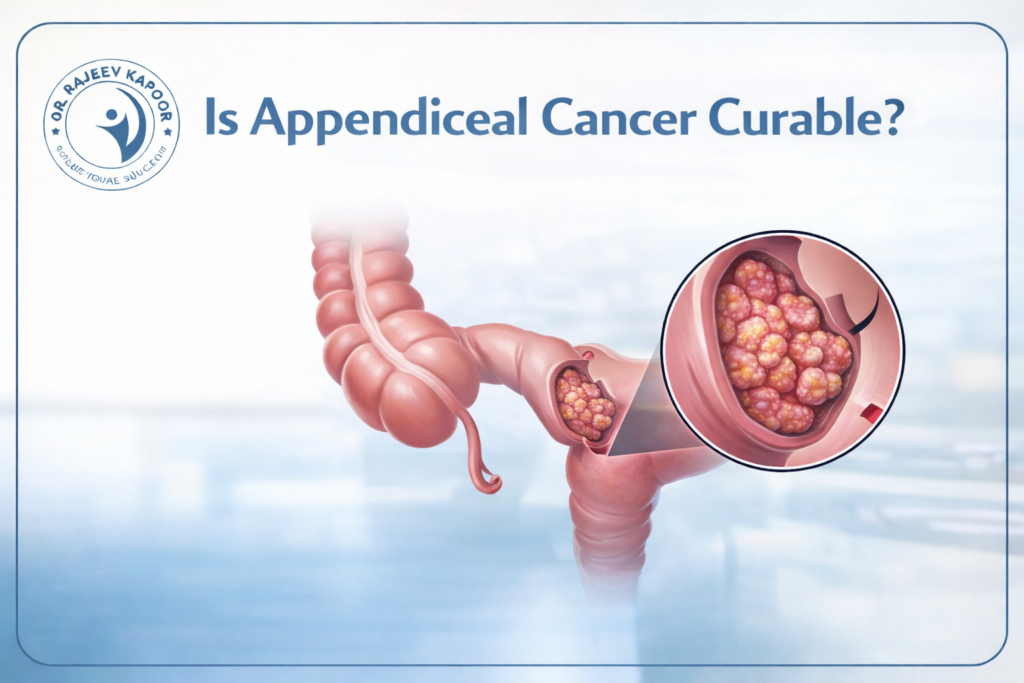
Is Appendiceal Cancer Curable
Cancer

Is Appendiceal Cancer Curable?

With over three decades of surgical experience, Dr. Rajeev Kapoor has managed complex abdominal conditions, including rare gastrointestinal malignancies. One such rare but important condition is appendiceal cancer. Because it is uncommon, many patients ask: “Is appendiceal cancer curable?” The answer depends largely on the type of tumor, stage at diagnosis, and extent of spread. Early-stage disease can often be treated successfully with surgery. What Is Appendiceal Cancer? Appendiceal cancer is a malignancy that originates in the appendix — a small tube attached to the large intestine. It is rare and often discovered incidentally during surgery for suspected appendicitis. Types of Appendiceal Tumors Not all appendiceal tumors behave the same way. Common types include: 1️⃣ Neuroendocrine Tumors (Carcinoid Tumors) Most common type Often slow-growing Frequently curable if detected early 2️⃣ Mucinous Adenocarcinoma Produces mucus Can spread within the abdominal cavity 3️⃣ Signet Ring Cell Carcinoma Rare and aggressive Requires advanced treatment Each type has a different prognosis and management strategy. What Are the Symptoms? Appendiceal cancer may not produce early symptoms. When present, they may include: Persistent abdominal pain Bloating or increasing abdominal girth Ascites (fluid accumulation) Changes in bowel habits Unexplained weight loss In many cases, it mimics appendicitis. Is Appendiceal Cancer Curable? Yes — especially when detected early and confined to the appendix. Curability Depends On: Tumor type Stage at diagnosis Whether it has spread to lymph nodes Presence of peritoneal spread Early-stage neuroendocrine tumors smaller than 2 cm often have an excellent prognosis after surgery. Advanced disease requires more aggressive management. How Is It Diagnosed? Diagnosis typically involves: Ultrasound or CT scan Colonoscopy (in selected cases) Biopsy Histopathological examination after appendectomy Sometimes, the diagnosis is made only after the appendix is removed. Treatment Options for Appendiceal Cancer Treatment is primarily surgical and tailored to tumor type and spread. 1️⃣ Appendectomy Removal of the appendix. Suitable for: Small, localized tumors Early-stage neuroendocrine tumors Often curative in selected cases. 2️⃣ Right Hemicolectomy This procedure removes the right side of the colon along with nearby lymph nodes. Recommended when: Tumor is larger than 2 cm Lymph node involvement is suspected Adenocarcinoma is diagnosed This improves long-term survival in appropriate patients. 3️⃣ Cytoreductive Surgery with HIPEC For advanced disease that has spread within the abdominal cavity, cytoreductive surgery removes visible tumor deposits. It is followed by HIPEC (Heated Intraperitoneal Chemotherapy) to destroy microscopic cancer cells. This is a specialized procedure performed in selected centers. What Is the Survival Rate? Prognosis varies: Early-stage neuroendocrine tumors → Excellent survival rates Localized adenocarcinoma → Good outcomes with surgery Advanced metastatic disease → Requires multimodal treatment Early diagnosis significantly improves outcomes. Can Appendiceal Cancer Spread? Yes. It can spread to: Peritoneum (abdominal lining) Liver Lymph nodes Mucinous tumors may cause a condition called pseudomyxoma peritonei, where mucus accumulates in the abdomen. Importance of Early Evaluation Seek medical attention if you experience: Persistent unexplained abdominal pain Increasing abdominal swelling Unexplained weight loss Recurrent appendicitis-like symptoms Early imaging and evaluation are critical. Conclusion Appendiceal cancer is rare but potentially curable, especially when detected early. Surgical treatment remains the cornerstone of management, with advanced options available for selected patients. Timely diagnosis, accurate staging, and individualized surgical planning determine the final outcome, and patients considering Appendiceal Cancer Treatment in Mohali should consult an experienced gastrointestinal surgeon for proper evaluation and treatment guidance.

Early Sign of Colon Cancer
Cancer, blog

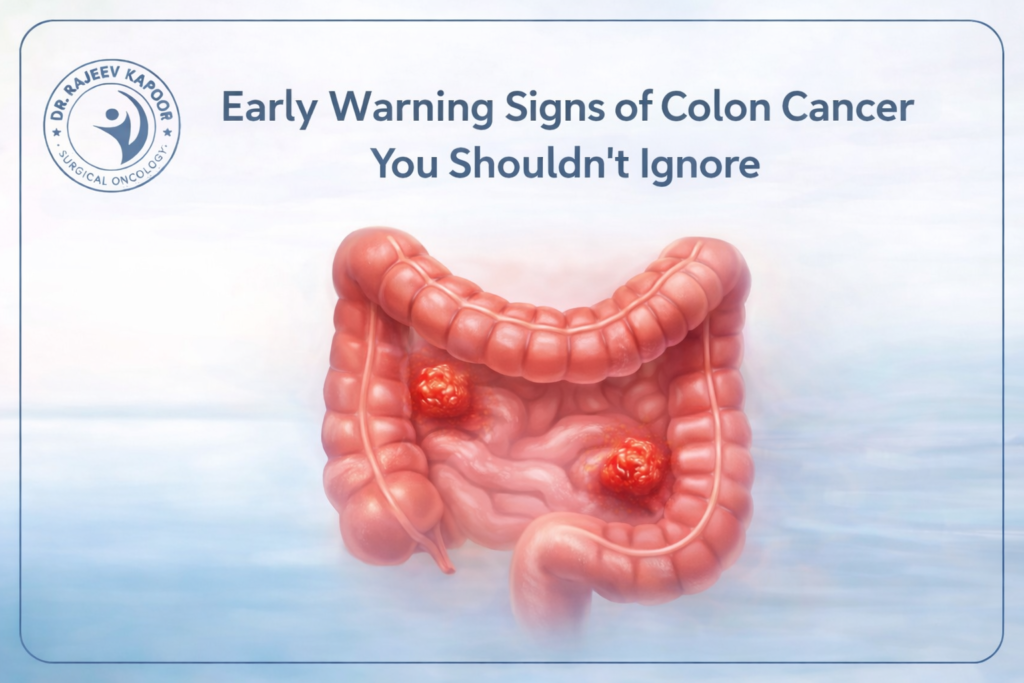
Early Warning Signs of Colon Cancer You Shouldn’t Ignore

Introduction Colon cancer, also known as colorectal cancer, is among the top five cancers affecting men and women in India. Yet, most patients are diagnosed only when the disease has already advanced. According to Dr. Rajeev Kapoor, a renowned gastrointestinal and cancer surgeon in Chandigarh, “Early detection is the key to saving lives. Awareness of the initial warning signs can make all the difference.” 1️⃣ Change in Bowel Habits One of the earliest indicators of colon cancer is a persistent change in bowel movements—such as diarrhea, constipation, or a feeling that the bowel does not empty completely. If such symptoms last more than two weeks, they should not be ignored. 💡 Tip from Dr. Kapoor: “If your bowel habits have changed and do not respond to routine diet adjustments, consult your doctor for evaluation.” 2️⃣ Blood in Stool or Rectal Bleeding The appearance of bright red or dark blood in stool may signal bleeding from the lower intestine. Though hemorrhoids are a common cause, hidden bleeding could also indicate colorectal cancer. Periodic screening can detect such bleeding early, even before visible symptoms appear. 3️⃣ Unexplained Weight Loss and Fatigue Unintentional weight loss, fatigue, or persistent weakness could point to a deeper issue. Cancer cells consume more energy, while slow internal bleeding can lead to iron-deficiency anemia, which often manifests as chronic tiredness. 4️⃣ Abdominal Pain and Bloating Patients may experience cramping, gas, or discomfort in the lower abdomen. These symptoms can be mistaken for IBS (Irritable Bowel Syndrome) but, when persistent, require a colonoscopy to rule out malignancy. 5️⃣ Family History and Genetic Risk Individuals with a family history of colon or rectal cancer—or conditions such as Lynch syndrome or familial adenomatous polyposis (FAP)—have a significantly higher risk. Dr. Kapoor recommends screening colonoscopy starting at age 45 or even earlier for those with genetic predispositions. Why Early Detection Matters When colon cancer is caught early, the survival rate can exceed 90 %. Screening methods like colonoscopy, stool occult blood tests, and CT colonography can identify precancerous polyps that can be removed before they turn cancerous. 🩺 “Every colon cancer begins as a small, silent polyp. Detecting it before it turns malignant can save a life,” emphasizes Dr. Kapoor. Prevention and Lifestyle Tips Eat a fiber-rich diet (fruits, vegetables, whole grains) Limit red and processed meat Maintain a healthy weight and regular exercise routine Avoid smoking and excess alcohol Schedule periodic screenings after 45 (or earlier if at risk) Conclusion Colon cancer is preventable, treatable, and—even in many cases—curable when detected early. Awareness of these warning signs and timely medical evaluation can dramatically improve outcomes. If you or a loved one experience any of these symptoms, don’t delay. 

soft tissue sarcoma
Sarcoma, blog, Cancer

Soft Tissue Sarcoma: Understanding This Rare but Treatable Cancer

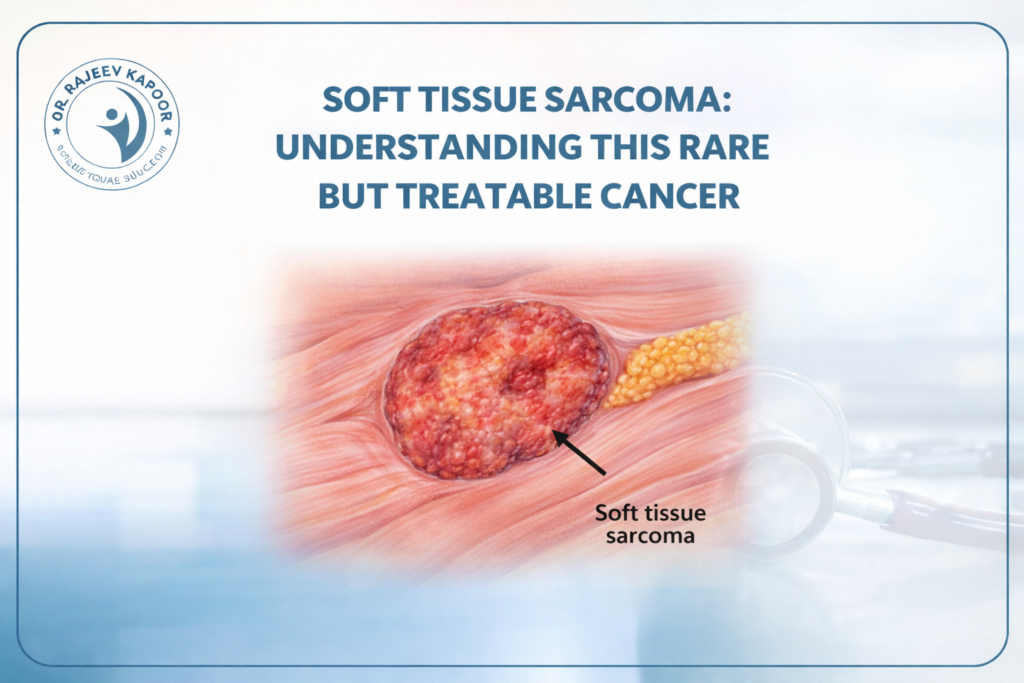
Soft tissue sarcoma (STS) is a rare group of cancers that arise from the body’s connective tissues—muscles, fat, nerves, and blood vessels. Though uncommon, these tumors can occur anywhere in the body and often remain silent until they reach an advanced stage. “Sarcomas are challenging because they can grow quietly for months. But with today’s imaging and surgical advances, early intervention leads to excellent results,” explains Dr. Rajeev Kapoor, senior cancer and gastrointestinal surgeon based in Chandigarh. 1️⃣ What Is Soft Tissue Sarcoma? Soft tissue sarcomas comprise over 70 different subtypes, including liposarcoma, leiomyosarcoma, synovial sarcoma, and angiosarcoma. They account for only about 1 % of adult cancers yet can occur at any age. These tumors develop from cells that form structural tissues of the body — making them capable of appearing in the limbs, abdomen, chest, or head-and-neck region. 2️⃣ Key Symptoms You Should Watch For A painless, enlarging lump anywhere in the body Deep-seated swelling or mass > 5 cm that persists Unexplained pain or pressure when the tumor presses against nerves Reduced mobility if located near joints or muscles Unexplained weight loss or fatigue in later stages “Any lump that grows steadily or returns after removal must never be ignored,” warns Dr. Kapoor. 3️⃣ Diagnosis and Imaging Techniques A precise diagnosis requires a multidisciplinary approach: MRI Scan: Determines tumor size and relation to surrounding structures CT Scan: Assesses spread to lungs or other organs Core-Needle Biopsy: Essential for histopathological confirmation PET-CT: Evaluates metastatic disease and treatment planning Dr. Kapoor stresses the importance of getting biopsies performed only by trained oncological surgeons, as improper procedures can complicate later surgeries. 4️⃣ Treatment Options Modern treatment for soft tissue sarcoma is both effective and customized: a. Surgery – Cornerstone of Treatment Wide local excision removing tumor with clear margins Limb-sparing techniques preserve function without amputation b. Radiation Therapy Given before or after surgery to reduce recurrence risk Image-guided and intensity-modulated radiation (IMRT) minimizes damage to normal tissue c. Chemotherapy and Targeted Therapy Drugs like Doxorubicin and Ifosfamide for aggressive subtypes Targeted molecules and immunotherapy agents are showing remarkable promise in advanced cases “Our goal is to combine oncologic safety with functional preservation. With modern techniques, we can save limbs and lives,” adds Dr. Kapoor. 5️⃣ Survival and Prognosis When detected early and managed by a specialized team, soft tissue sarcoma can be successfully treated. The overall 5-year survival rate ranges between 65–80 %, depending on the tumor stage and type. Regular follow-up is crucial to monitor for recurrence or metastasis. 6️⃣ Early Detection and Awareness in India In India, sarcomas are often diagnosed late due to lack of awareness and misdiagnosis as benign lumps. Public education and early screening efforts — especially through campaigns like Sarcoma Awareness Month (July) — can significantly improve outcomes. Conclusion Soft tissue sarcoma may be rare, but it is not untreatable. Advances in diagnostics, precision surgery, and targeted therapies have dramatically improved prognosis. If you notice a persistent or unusual lump, consult a specialist without delay. Dr. Rajeev Kapoor, a trusted cancer and gastrointestinal surgeon in Chandigarh, leads a multidisciplinary team offering comprehensive care for sarcoma and other complex cancers.

diet to reduce your risk of colon cancer
blog, Cancer

Can Diet and Lifestyle Reduce Your Risk of Colon Cancer?

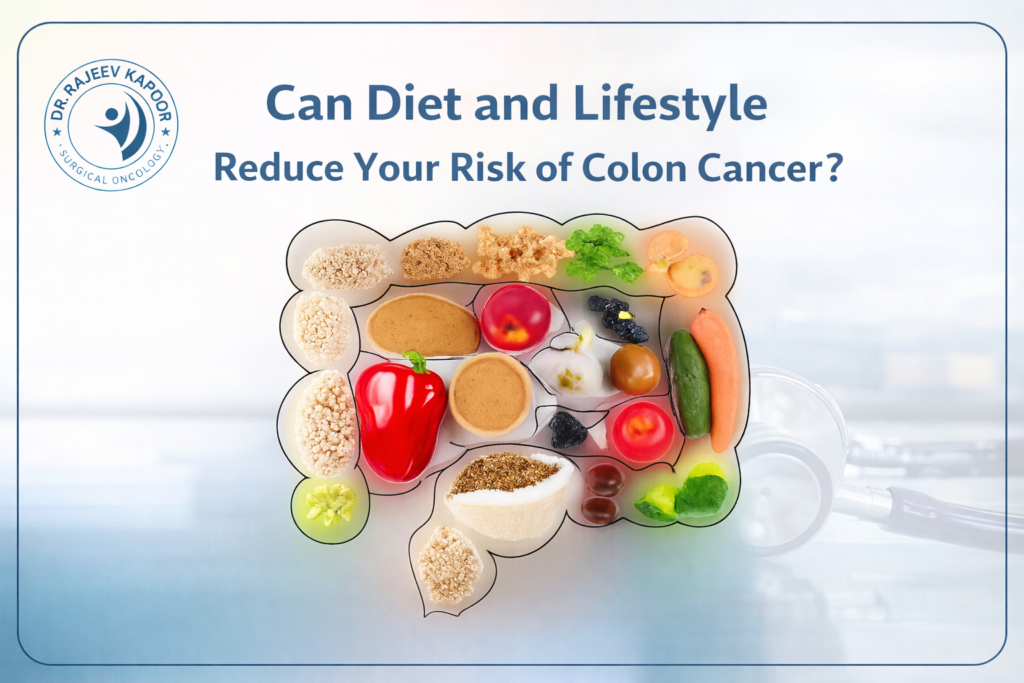
Colon cancer is increasingly affecting younger adults in India, largely due to modern dietary habits and sedentary lifestyles. But the good news is — many cases can be prevented through simple lifestyle changes. “Nearly 40% of colon cancers are linked to modifiable risk factors such as diet, obesity, and inactivity,” says Dr. Rajeev Kapoor, one of Chandigarh’s leading gastrointestinal and cancer surgeons. “Your plate and your lifestyle can be your first line of defense.” 1️⃣ The Link Between Diet and Colon Cancer Our colon is directly influenced by what we eat. Diets low in fiber and high in fat, processed meats, and refined carbohydrates can trigger inflammation and alter gut bacteria, paving the way for cancerous changes. High-risk foods include: Red meat (beef, pork, lamb) — increases exposure to carcinogenic compounds Processed meats (sausages, ham, bacon) — rich in nitrates and preservatives Refined sugars and junk food — promote obesity and insulin resistance On the other hand, diets rich in fiber, antioxidants, and omega-3 fatty acids can protect colon health. 2️⃣ Protective Foods That Help Prevent Colon Cancer Food Group Protective Role Examples Fiber-rich foods Speeds up bowel movement, reduces toxin exposure Whole grains, lentils, oats Cruciferous vegetables Contain sulforaphane, a cancer-fighting compound Broccoli, cabbage, cauliflower Leafy greens Rich in folate and antioxidants Spinach, kale, methi Probiotic foods Balance gut microbiota Curd, yogurt, kefir Omega-3 sources Reduce inflammation Fish, flaxseed, walnuts Fruits & citrus Vitamin C and flavonoids protect colon lining Oranges, papaya, apples “I always tell my patients — a colorful plate is a healthy plate. Each color represents a different protective nutrient,” notes Dr. Kapoor. 3️⃣ The Role of Lifestyle in Colon Cancer Prevention a. Regular Physical Activity At least 150 minutes of moderate exercise per week (like brisk walking, yoga, cycling) Physical activity helps maintain a healthy weight and improves bowel motility b. Weight Management Obesity, especially central abdominal fat, increases the risk of colon cancer by altering insulin and hormone balance. Maintaining a BMI below 25 significantly lowers risk. c. Quit Smoking and Limit Alcohol Both smoking and alcohol increase oxidative stress in colon cells, contributing to DNA damage. Moderate or avoid completely. d. Regular Screening and Checkups Screening is crucial even for those without symptoms, especially after age 45 or earlier if there’s a family history. Recommended tests include: Fecal occult blood test (FOBT) Colonoscopy (gold standard for early detection) CT colonography “Many people wait for symptoms before they act. Screening saves lives — it detects precancerous polyps before they become cancer,” emphasizes Dr. Kapoor. 4️⃣ The Indian Context: Changing Food Habits, Rising Risks The shift from traditional Indian diets to Westernized fast-food patterns has led to increased incidence of lifestyle diseases — including colon cancer. Urbanization, stress, and late-night eating further worsen digestive health. Promoting awareness about balanced diets, home-cooked meals, and mindful eating can be powerful public-health strategies in India. 5️⃣ Your Colon Health Checklist ✅ Eat at least 25–30 grams of fiber daily ✅ Include 2–3 servings of fruits & vegetables in every meal ✅ Avoid processed meats and limit red meat ✅ Exercise 30 minutes a day ✅ Schedule a screening colonoscopy after 45 ✅ Stay hydrated and manage stress Conclusion Colon cancer is not inevitable — it’s preventable. By making conscious food and lifestyle choices, you can dramatically reduce your risk and protect your digestive health for years to come. Dr. Rajeev Kapoor, a trusted gastrointestinal and cancer surgeon in Chandigarh, advocates for preventive healthcare through lifestyle awareness, early diagnosis, and modern surgical care. “Prevention is far more powerful than treatment — and it begins in your kitchen.”

Advances in Minimally Invasive Cancer Surgery
Cancer, blog

Advances in Minimally Invasive Cancer Surgery: How Technology Is Changing Outcomes

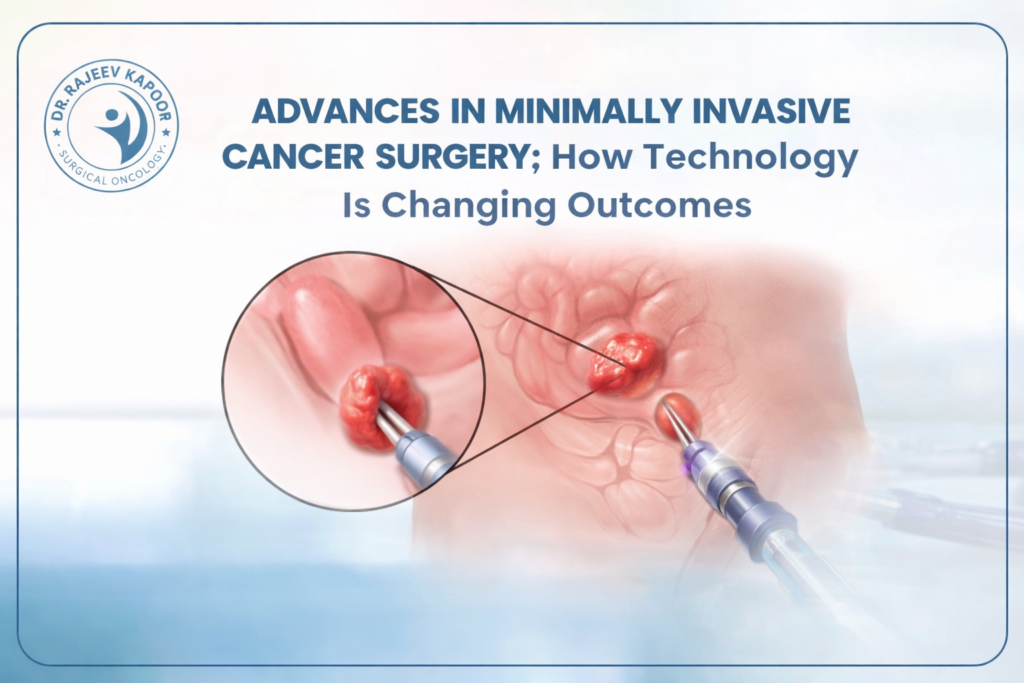
Cancer treatment has evolved dramatically in the last decade. The scalpel is no longer the only symbol of surgery — today, precision, technology, and faster recovery define success. “Our goal is not just to remove the tumor, but to restore quality of life as quickly as possible. That’s where minimally invasive surgery is transformative,” explains Dr. Rajeev Kapoor, senior gastrointestinal and cancer surgeon at Chandigarh. 1️⃣ What Is Minimally Invasive Cancer Surgery? Minimally invasive cancer surgery (MICS) refers to procedures performed through tiny incisions using cameras and specialised instruments, instead of large open cuts. Techniques include: Laparoscopic surgery Robotic-assisted surgery Thoracoscopic and endoscopic resections These approaches allow surgeons to access complex areas like the colon, stomach, or pancreas with remarkable precision — while minimizing trauma to healthy tissues. 2️⃣ Key Advantages for Patients Benefit Impact Smaller incisions Less pain and scarring Minimal blood loss Reduced transfusion risk Faster recovery Shorter hospital stay Lower infection rate Enhanced postoperative safety Early return to routine Better patient experience “In colon and gastrointestinal cancers, laparoscopic and robotic surgery can reduce hospital stay from 8–10 days to just 3–5 days,” shares Dr. Kapoor. 3️⃣ Robotic Surgery: The New Frontier Robotic-assisted systems such as Da Vinci Surgical Robot bring magnified 3D visualization and ultra-precise hand movements, translating the surgeon’s motions into micro-movements inside the body. This allows for: Millimeter-level precision in delicate dissections Reduced nerve damage in pelvic and rectal surgeries Improved oncological margins (complete tumor removal) Dr. Kapoor’s team employs these technologies in colorectal, hepatobiliary, and sarcoma resections, ensuring both oncological safety and functional preservation. 4️⃣ Applications in Gastrointestinal and Soft Tissue Cancers Colon & Rectal Cancer: Laparoscopic colectomy and robotic rectal surgery Stomach Cancer: Minimally invasive gastrectomy for early and advanced cases Liver and Pancreas: Keyhole resections with enhanced recovery programs Sarcoma: Limb-sparing resections using precision navigation tools “For many cancers, patients can walk within 24 hours and resume normal diet in two days. That’s the power of technology-led care,” notes Dr. Kapoor. 5️⃣ Safety and Oncological Outcomes Extensive global studies confirm that minimally invasive techniques achieve equal or better cancer-control outcomes compared to open surgery — provided they are performed by trained specialists. Postoperative recovery, immune response, and quality of life are significantly superior. 6️⃣ The Future of Cancer Surgery in India India is rapidly adopting robotics, fluorescence imaging, and AI-driven navigation tools. Dr. Kapoor foresees a future where precision oncology, powered by technology and data, makes cancer surgery safer, smarter, and more personalized. “We are entering an era where technology complements judgment — allowing us to heal, not just operate.” Conclusion Minimally invasive cancer surgery represents a revolution in cancer care — reducing pain, enhancing precision, and restoring dignity in recovery. For patients seeking advanced, evidence-based, and compassionate treatment, Dr. Rajeev Kapoor and his team in Chandigarh offer state-of-the-art surgical expertise backed by global standards.

colon cancer treatment in Chandigarh
Cancer, Chemoport

Chemoport: The Small Hidden Device That Makes the Cancer Journey Much Easier

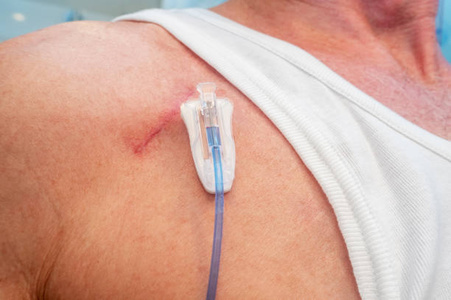
A chemoport is one of those quiet heroes in cancer care—small, hidden under the skin, and rarely talked about, yet it makes treatment smoother, safer, and far more comfortable for patients. For anyone undergoing repeated chemotherapy, it can be life-changing. What exactly is a chemoport? A chemoport (also called a port-a-cath or implantable venous port) is a small medical device placed just under the skin, usually on the upper chest. It connects to a thin tube (catheter) that goes directly into one of the large veins near the heart. It has two main parts: A small reservoir or “port” that sits under the skin. A catheter that carries medicines into the bloodstream. Nurses and doctors access the port by gently inserting a special needle through the skin into the port. Once accessed, chemotherapy drugs flow smoothly into the bloodstream. Why is it used? Chemotherapy often needs to be given over several months. Many of these drugs can irritate or damage small veins in the arm. Over time, repeated needles can cause pain, swelling, and scarring, making IV access more difficult. A chemoport solves these problems by providing a strong, stable, long-term access point. Benefits of a chemoport Fewer needle pricks Instead of searching for veins every time, the medical team uses the same port at each visit. This reduces pain and anxiety significantly. Protects fragile veins Some chemotherapy medicines can burn or damage small veins. A port delivers these drugs safely into a large vein where they are quickly diluted. Lower risk of leakage Because the port is secure, the chance of drugs leaking into surrounding tissues (a serious complication called extravasation) is much lower. Can stay in place for months or years A chemoport can remain safely in the body throughout the entire treatment course. Some patients even keep it beyond treatment if long-term monitoring or occasional IV therapy is expected. More comfortable for long infusions Chemotherapy sessions can last hours. A port avoids the discomfort of having a cannula in the arm for long periods. Easy for blood tests Ports can often be used to draw blood, reducing the number of pricks needed. How is a chemoport inserted? The procedure is usually done under local anaesthesia with mild sedation. It is done in OT by a surgeon trained in the technique.. A small cut is made, the port is placed under the skin, and the catheter is connected to a large central vein. Most patients go home the same day. The port sits discreetly under the skin—visible as a small bump but not noticeable under clothing. Care and maintenance Ports need to be flushed regularly with saline or heparin to prevent blockage. This is a quick, painless procedure done during visits. Patients can bathe normally and continue daily activities. Swimming is allowed once the incision has healed. Are there any risks? Like any medical device, ports carry some risks—mostly rare and manageable: Infection Blockage of the catheter Bruising after insertion Rarely, clot formation in the vein With good technique and care, complications are uncommon. Why doctors strongly recommend it A chemoport makes long-duration treatment smoother, safer, and far less stressful. It preserves veins, improves drug delivery, and greatly improves patient comfort. For many patients, it removes a major emotional burden—the fear of needle pricks at every visit. In modern cancer care, a chemoport is not just a device. It is a part of supportive therapy that respects the patient’s comfort, dignity, and quality of life during a difficult journey. Cancer treatment is tough enough. A chemoport simply makes it kinder. — Dr. Rajeev Kapoor #Chemoport #ChemotherapyCare #CancerSupport #Oncology #PatientCare #DrRajeevKapoor #CancerTreatment #ColorectalCancer #RK

Colon Cancer Patient Story
blog, Cancer

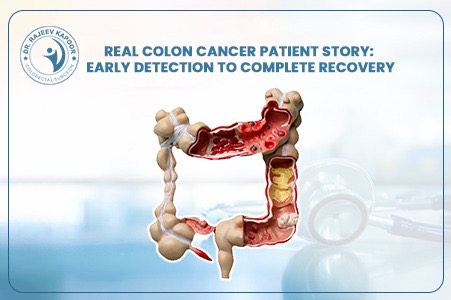
Real Colon Cancer Patient Story: Early Detection to Complete Recovery

Mr. Khanna’s story began with two signs that should never be ignored—persistent abdominal pain and blood in the stool. These symptoms are common in many conditions, but they are also early warning signs of colorectal cancer. His doctor advised immediate tests, including a CT scan and then a colonoscopy. The colonoscopy showed a growth in the right side of the colon that looked cancerous. He met me soon after. I explained that colon cancer often starts as a small polyp that slowly grows over years. Many people have no symptoms until the tumour becomes large. In Mr. Khanna’s case, the safest and most effective treatment was surgery. He underwent a laparoscopic right hemicolectomy, which is the standard operation for cancers on the right side of the colon. In this procedure, the part of the bowel containing the tumour is removed, along with the blood vessels and lymph nodes that drain that area. This is important because cancer cells can travel through these channels. We removed around 30 lymph nodes, which gave us a clear picture of how far the disease had spread. Laparoscopic surgery, done through small cuts, usually means less pain, quicker recovery, and faster return to normal activity. Mr. Khanna recovered well and went home in five days. Thirteen days later, the final pathology report came. The cancer had been completely removed with clear margins, meaning no cancer cells were left behind at the edges. All his lymph nodes were negative for cancer. This placed him in Stage II colon cancer. However, the tumour had reached the outer layer of the bowel wall, known as the serosa. When a tumour grows this deep, there is a higher chance—though still small—of cancer cells escaping into the bloodstream. Because of this “high-risk” feature, chemotherapy was advised to lower the risk of the cancer returning. He had a chemo port inserted in his chest. Chemotherapy for colon cancer usually involves drugs like oxaliplatin and capecitabine/5-FU, given over three months in Stage II high-risk cases. These medicines target any microscopic cancer cells that surgery cannot see. The first few cycles went as expected—tiredness, nausea, changes in taste. After the third cycle, he developed fever and a rash. Tests showed herpes zoster (shingles), an infection that can occur when immunity is low during chemotherapy. He was treated with antiviral medication, recovered fully, and safely completed the rest of his chemotherapy. Today, Mr. Khanna has finished treatment and is doing well. For colon cancer survivors, follow-up care is very important. His plan includes: • Blood tests, including CEA (a tumour marker) • Periodic CT scans to check the abdomen and chest • Regular colonoscopies to detect new polyps early • Lifestyle advice—healthy diet, regular exercise, weight control, and avoiding smoking His story shows how colon cancer is diagnosed and treated today. Early symptoms may be mild. Early surgery, when possible, offers the best chance of cure. Chemotherapy adds extra protection when the tumour shows high-risk features. By sharing his journey, we hope people understand the importance of recognising symptoms, seeking medical help early, and trusting modern treatment pathways. With timely care, most patients with early-stage colon cancer can expect excellent long-term outcomes and a full return to normal life.

colon cancer prevention
Cancer, blog

Lifestyle, Microbiome & Prevention: How Modifiable Factors Are Shaping Colon Cancer Risk

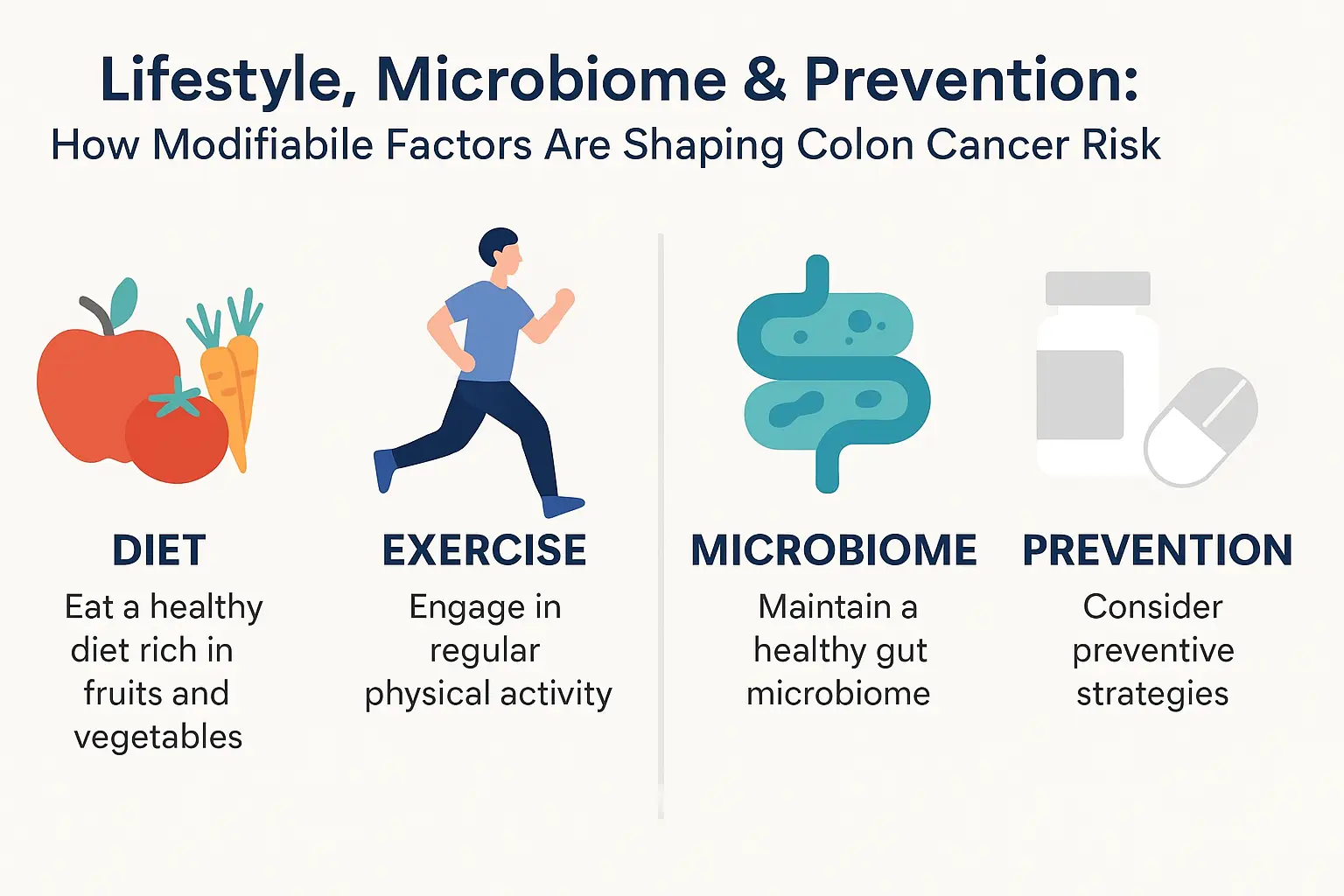
Colon cancer (colorectal cancer) is not only influenced by genetics and age—it is deeply linked to lifestyle, diet, and gut health. While medical advances are improving treatment, the best way to save lives is still prevention. Recent research in 2025 underscores how diet, physical activity, and microbiome health directly impact colon cancer risk and recurrence. Diet: The Protective Power of Nutrients A new Italian study (2025) found that diets high in beta-carotenoid and carotenoid-rich foods (like carrots, spinach, pumpkin, tomatoes) can reduce colon cancer risk by up to 40%. Diets rich in fiber, whole grains, and plant-based foods support healthy digestion and reduce cancer-promoting inflammation. Conversely, red meat, processed meat, and sugary beverages are consistently linked with higher colorectal cancer risk. Takeaway: A colorful, plant-rich plate is one of the simplest ways to fight colon cancer naturally. Exercise: Fighting Recurrence & Improving Survival A major 3-year randomized trial showed that colon cancer survivors who participated in a structured exercise program had 28% fewer recurrences and 37% fewer deaths compared to those who did not exercise. Regular physical activity improves immune function, maintains body weight, and lowers insulin resistance—all protective against cancer. Practical tip: Aim for at least 150 minutes of moderate exercise weekly, such as brisk walking, swimming, or yoga. Microbiome: The Gut–Cancer Connection The gut microbiome plays a central role in regulating inflammation, immunity, and metabolism. Certain bacterial toxins, such as colibactin produced by some E. coli strains, are linked with DNA damage and early-onset colorectal cancer. Maintaining a balanced gut flora through fiber, probiotics, and reduced processed foods may lower cancer risk. This field is still evolving, but the “gut–colon axis” is emerging as a major area for cancer prevention research. Emerging Preventive Strategies Colon-targeted drug delivery systems (e.g., nanoparticle formulations of 5-FU developed in India) promise reduced side effects and improved treatment outcomes. Chemoprevention trials are investigating vitamins, aspirin, and natural compounds for high-risk individuals. Precision prevention through genetic and microbiome profiling may soon allow tailored recommendations for each person. Conclusion Colon cancer risk is not set in stone. By embracing healthy diet choices, regular exercise, and supporting gut health, individuals can significantly lower their risk of developing colorectal cancer—or recurrence after treatment. For expert consultation and preventive guidance, Dr. Rajeev Kapoor, a renowned colorectal cancer surgeon in Mohali, India, provides comprehensive care, from lifestyle counseling to advanced surgical and oncological treatments.

Therapeutic Options in Colon Cancer
Breast Cancer, Cancer

Therapeutic Frontiers in Colon Cancer: What’s New in 2025

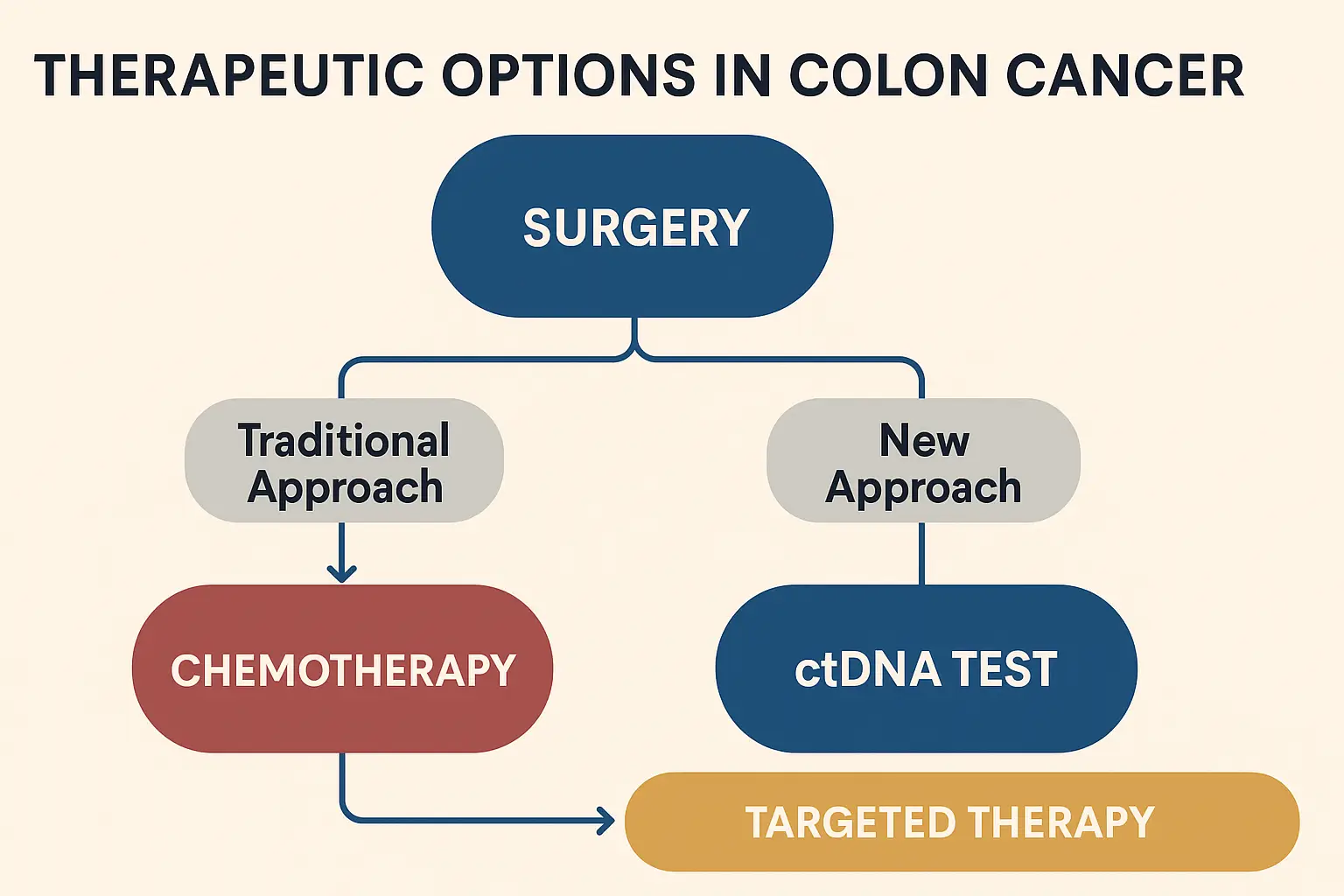
Treatment for colon cancer (colorectal cancer) is undergoing a major transformation. Once dominated by surgery, chemotherapy, and radiation, the field has now expanded into immunotherapy, targeted therapy, and precision medicine guided by genetic and molecular insights. In 2025, several breakthrough clinical trials have set the stage for a new era in colorectal cancer care. Immunotherapy: A Game-Changer for MSI-High Tumors MSI-High (Microsatellite Instability-High) and dMMR (deficient DNA mismatch repair) tumors respond exceptionally well to immunotherapy. The ipilimumab + nivolumab combination is now approved as first-line treatment for advanced MSI-High colon cancers. Studies show durable responses, with many patients experiencing long-term remission. This marks a paradigm shift: for the right patients, chemotherapy is no longer the first choice. Targeted Therapy: Precision Against Mutations The BREAKWATER trial (2025) confirmed that combining encorafenib + cetuximab + mFOLFOX6 significantly improves survival in BRAF V600E–mutant metastatic colorectal cancer. EGFR inhibitors (cetuximab, panitumumab) continue to benefit patients with RAS wild-type tumors, but resistance remains a challenge. Ongoing research focuses on HER2-positive colon cancers, with promising results from anti-HER2 agents in clinical trials. ctDNA: Guiding Post-Surgery Decisions Traditionally, many stage II and III colon cancer patients receive chemotherapy after surgery. ctDNA (circulating tumor DNA) tests now help decide who really needs chemotherapy. The DYNAMIC-III trial demonstrated that patients without ctDNA after surgery can safely avoid chemotherapy—reducing toxicity without compromising outcomes. This approach is now being integrated into treatment planning worldwide. Novel Combinations & Ongoing Trials ATOMIC Trial: Showed that adding atezolizumab (Tecentriq) to chemotherapy reduced recurrence risk by almost 50% in stage III dMMR colon cancer. TRIPLETE Trial: Testing intensified chemotherapy combinations for higher response rates. Next-generation immunotherapies (bispecific antibodies, CAR-T like approaches) are in early-stage trials for metastatic CRC. Challenges That Remain Tumor heterogeneity means not all patients respond equally to new therapies. Resistance mechanisms often develop with targeted therapy. High costs and accessibility remain barriers, especially in developing nations like India. Conclusion The year 2025 represents a turning point in colon cancer therapy. With immunotherapy, targeted agents, and ctDNA-guided strategies, patients now have more personalized, effective, and less toxic treatment options. For expert evaluation and access to advanced treatments, Dr. Rajeev Kapoor, a leading colorectal cancer surgeon in Mohali, India, offers comprehensive care—combining surgical expertise with the latest in targeted and immunotherapy approaches.

Scroll to Top
Call Now Button