Colonic Obstruction Treatment in Mohali
Colonic obstruction refers to a partial or complete blockage of the large intestine that interferes with the normal passage of intestinal contents. It is considered a potentially serious medical condition and requires timely evaluation.
Management depends on the underlying cause, severity of obstruction, and the patient’s overall clinical condition.
Understanding Colonic Obstruction
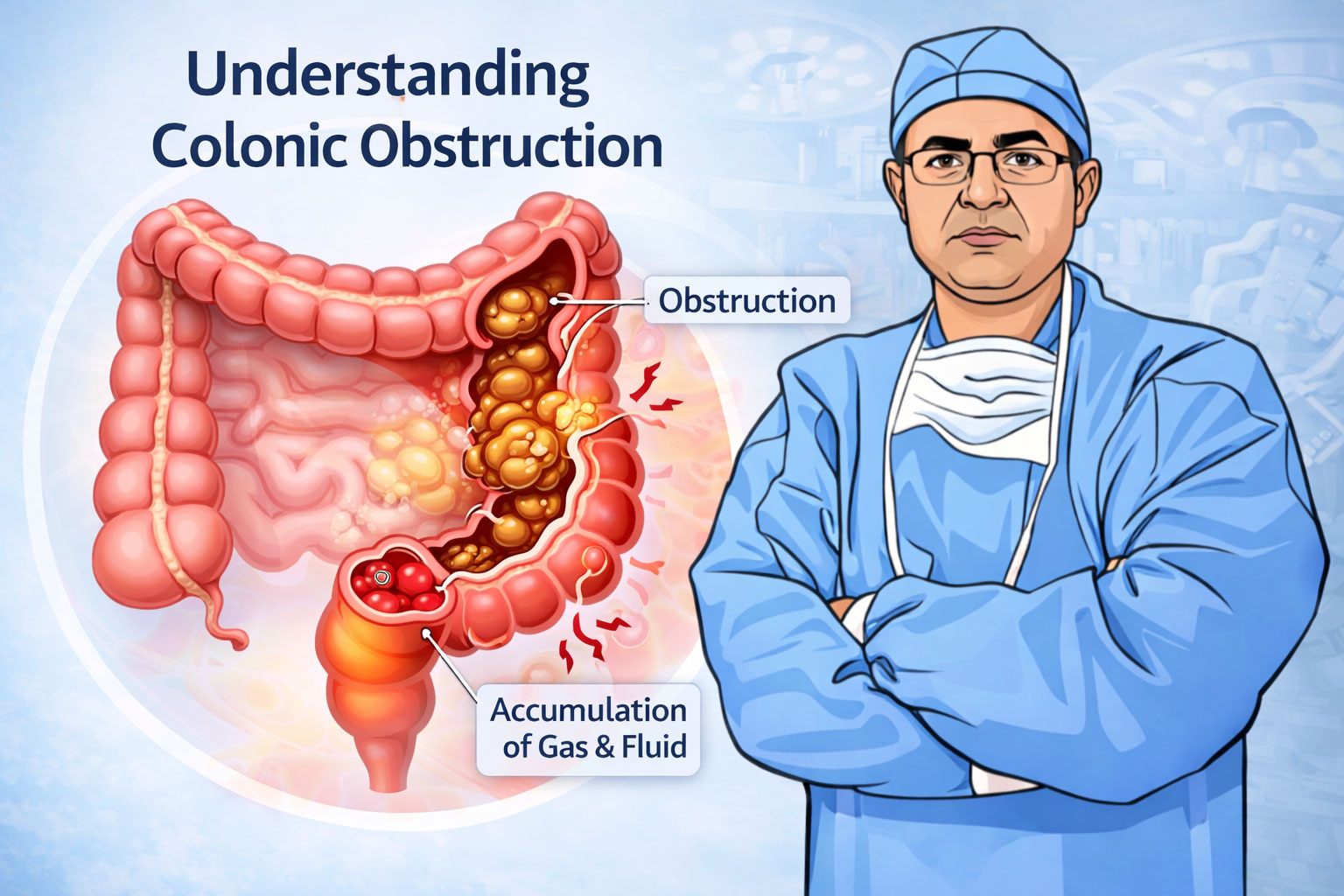
The colon plays a vital role in absorbing water and forming stool. When a blockage occurs, intestinal contents cannot move forward normally, leading to accumulation of gas and fluid.
Colonic obstruction may result from:
- Tumors of the colon
- Inflammatory conditions
- Diverticular disease
- Volvulus (twisting of the bowel)
- Strictures or narrowing of the colon
The nature and location of the obstruction influence the treatment approach.
Diagnosis of Colonic Obstruction
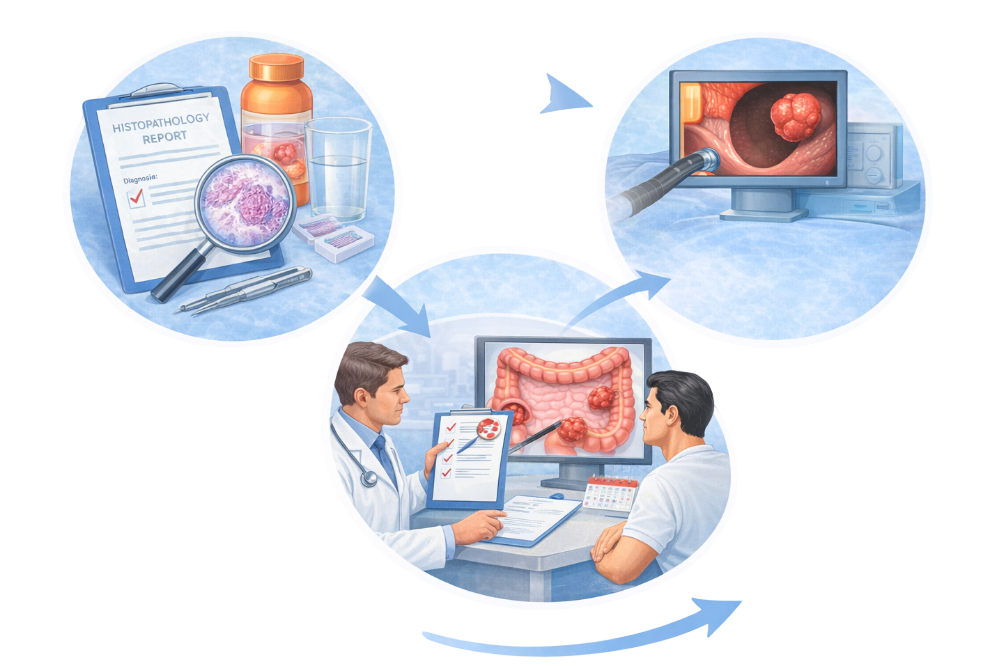
Diagnosis involves clinical evaluation and investigations such as:
- Physical examination
- Abdominal X-ray
- CT scan of the abdomen
- Blood investigations
These tests help determine the site, cause, and severity of the obstruction.
Common Symptoms
Symptoms may vary depending on whether the obstruction is partial or complete.
Common symptoms may include:
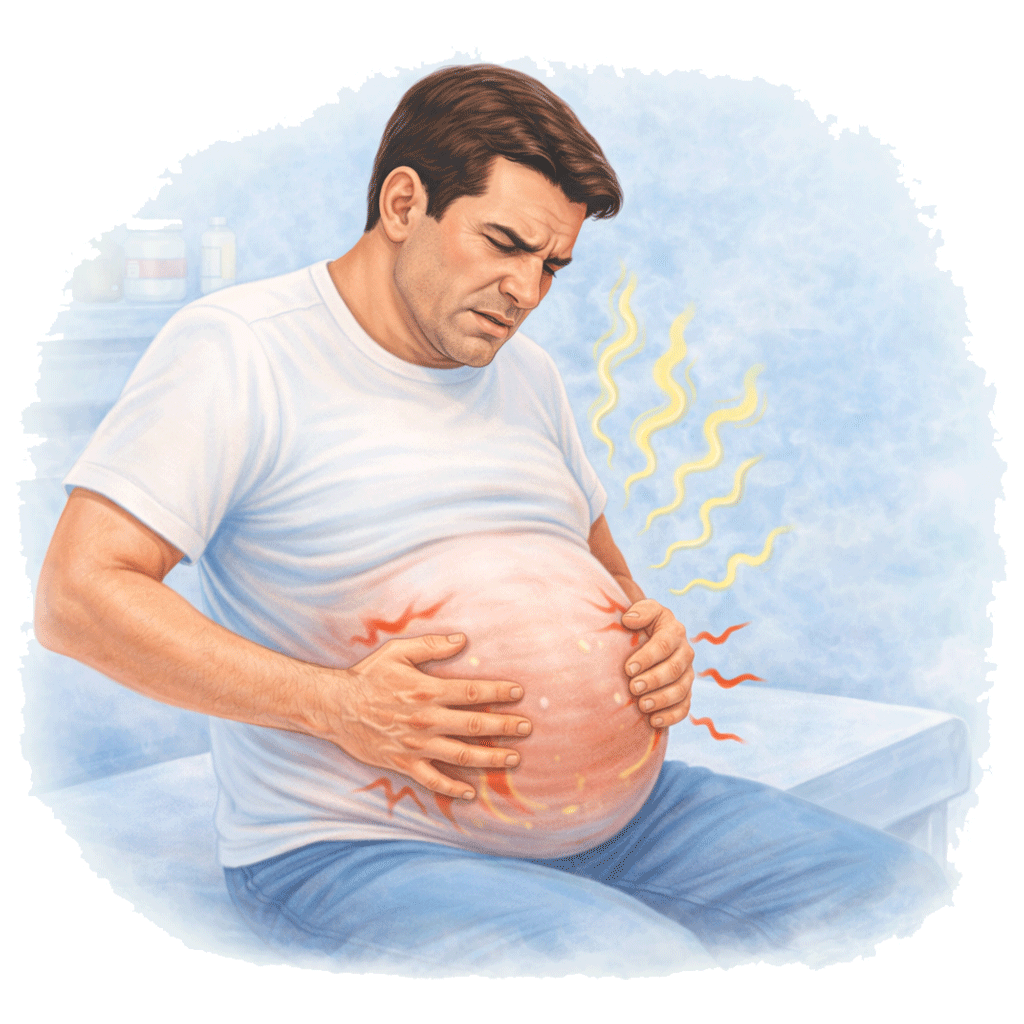
Abdominal pain and distension
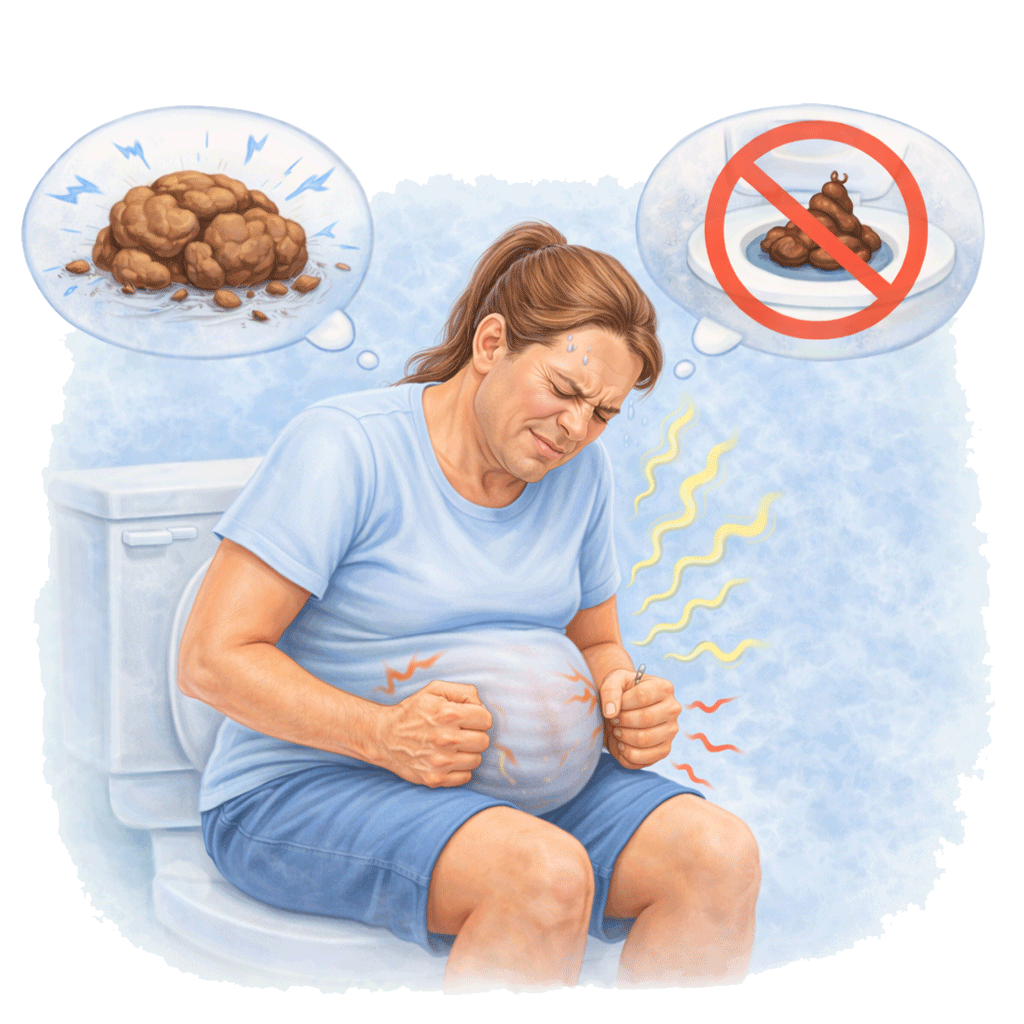
Constipation or inability to pass stool
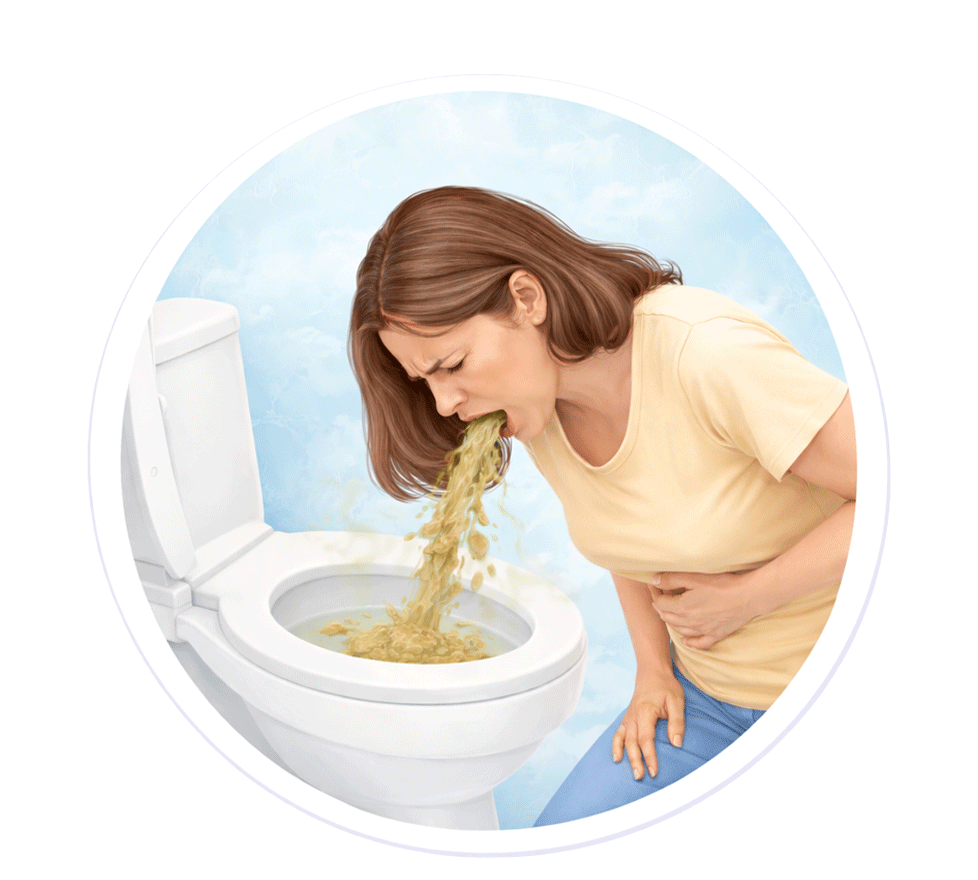
Nausea and vomiting
Reduced passage of gas
Sudden or severe symptoms require immediate medical attention.
Initial Management
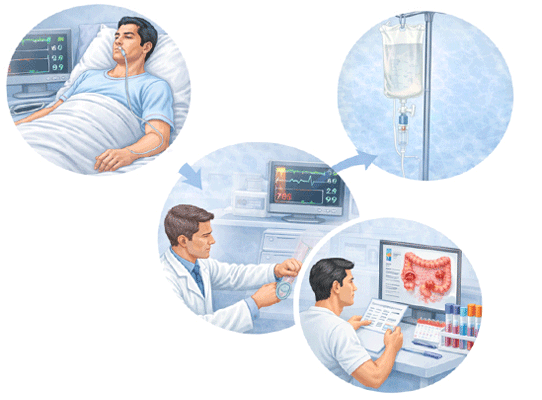
Initial management may include:
- Hospital observation
- Intravenous fluids
- Nasogastric decompression in selected cases
- Monitoring of vital signs and laboratory parameters
The response to initial treatment helps guide further management decisions.
Role of Surgery
Surgery may be required in cases where:
- The obstruction is complete
- There is suspicion of compromised blood supply to the bowel
- Conservative management is unsuccessful
- The obstruction is caused by a mass or structural abnormality
The objective of surgery is to relieve the obstruction and address the underlying cause, following accepted surgical principles.
Types of Surgical Procedures
Depending on clinical findings, procedures may include:
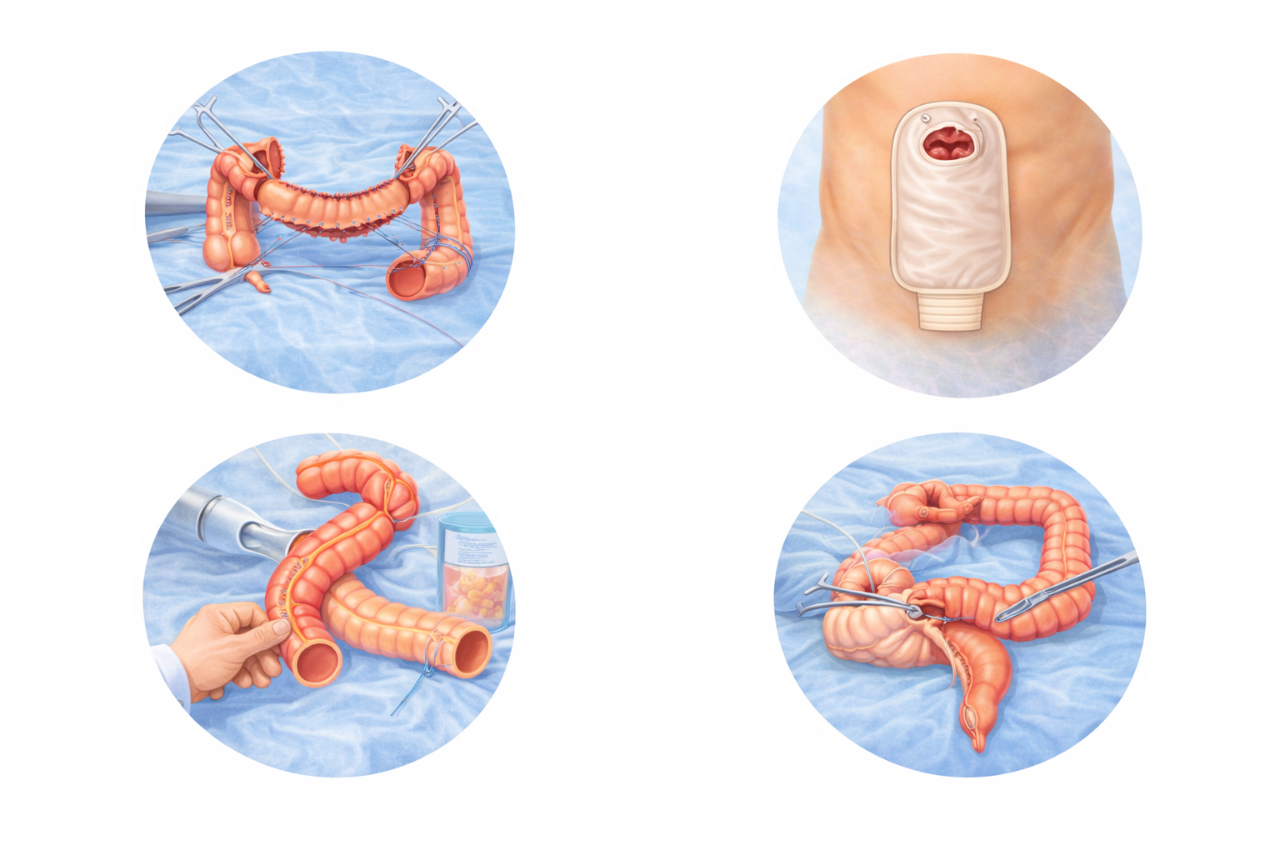
- Resection of the affected segment of colon
- Creation of a temporary or permanent stoma
- Detorsion in cases of volvulus
- Bypass procedures in selected situations
The choice of procedure is based on individual clinical assessment.
Pre-treatment Assessment
Before surgical intervention, patients typically undergo:
- Detailed clinical evaluation
- Imaging studies
- Laboratory investigations
- Anesthesia fitness assessment
These steps help ensure safe and appropriate management.
Post-treatment Care and Follow-Up
Post-treatment care generally includes:
- Monitoring during hospital stay
- Gradual reintroduction of diet
- Follow-up consultations
- Management of underlying causes when applicable
Long-term follow-up depends on the initial cause of obstruction.
About the Author of This Information
Dr. Rajeev Kapoor is a practicing surgeon based in Mohali, Punjab. He provides clinical services in the field of gastrointestinal, colorectal, and general surgery. This website is intended for informational and educational purposes only.
Disclaimer
The information provided on this page is for general educational purposes only. It is not a substitute for professional medical advice, diagnosis, or treatment. Treatment decisions should be made after consultation with a qualified medical professional, based on individual clinical evaluation.