Intra-abdominal Abscess

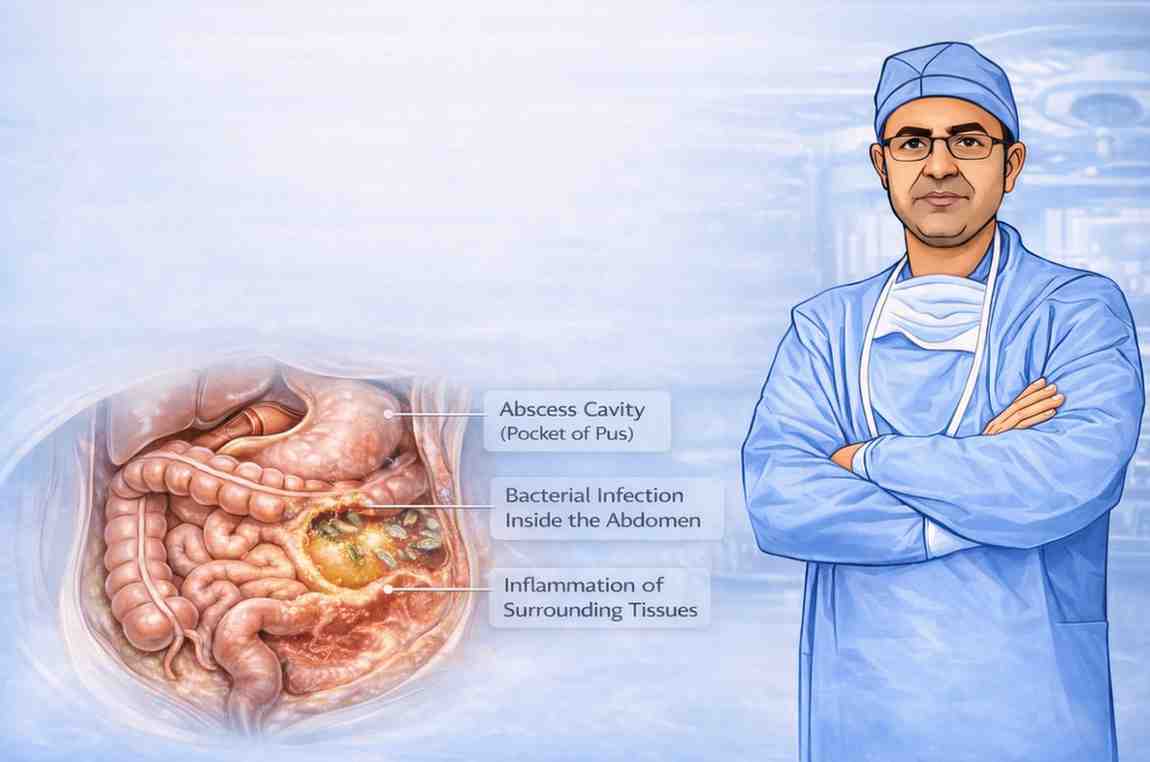
An intra-abdominal abscess is a localized collection of pus within the abdominal cavity. It usually develops as a result of infection, inflammation, or complications following abdominal surgery or injury. The abscess forms when the body attempts to contain an infection within a confined area.

Intra-abdominal abscesses may occur in different parts of the abdomen, such as around the intestines, liver, or pelvic region. Prompt evaluation and appropriate medical management are important to prevent complications.

Management depends on the location of the abscess, the underlying cause, and the overall condition of the patient. This page provides general information about intra-abdominal abscess and its management.

Understanding Intra-abdominal Abscess

The abdominal cavity contains several organs including the stomach, intestines, liver, pancreas, and spleen. When bacteria or other microorganisms enter the abdominal cavity, the body may respond by forming a pocket of pus to isolate the infection.

An abscess typically contains infected fluid, bacteria, immune cells, and tissue debris. If left untreated, it may lead to further infection or spread to surrounding tissues.

Intra-abdominal abscesses can develop following conditions such as perforation of the gastrointestinal tract, appendicitis, diverticulitis, or abdominal trauma.

Causes of Intra-abdominal Abscess

Common causes may include:

  • Perforation of the stomach or intestines
  • Appendicitis
  • Diverticulitis
  • Complications after abdominal surgery
  • Inflammatory bowel disease
  • Abdominal trauma or injury
  • Spread of infection from nearby organs

Identifying the underlying cause helps guide appropriate treatment.

Common Symptoms

Symptoms may vary depending on the location and severity of the abscess. Common symptoms may include:

Abdominal pain or tenderness

Fever and chills

Nausea or vomiting

Loss of appetite

In some cases, symptoms may develop gradually over several days.

Diagnosis of Intra-abdominal Abscess

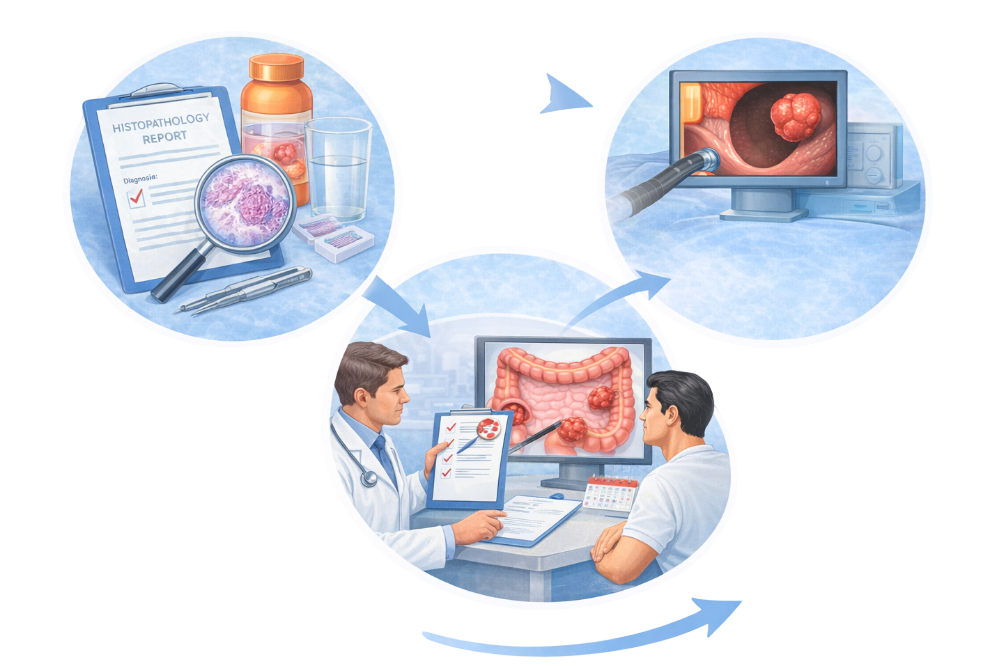
Diagnosis is based on clinical evaluation and diagnostic investigations, which may include:

  • Clinical examination and medical history
  • Blood tests to detect infection or inflammation
  • Imaging studies such as CT scan or ultrasound
  • Additional investigations if required

Imaging studies are particularly useful in identifying the location and size of the abscess.

Role of Treatment in Intra-abdominal Abscess

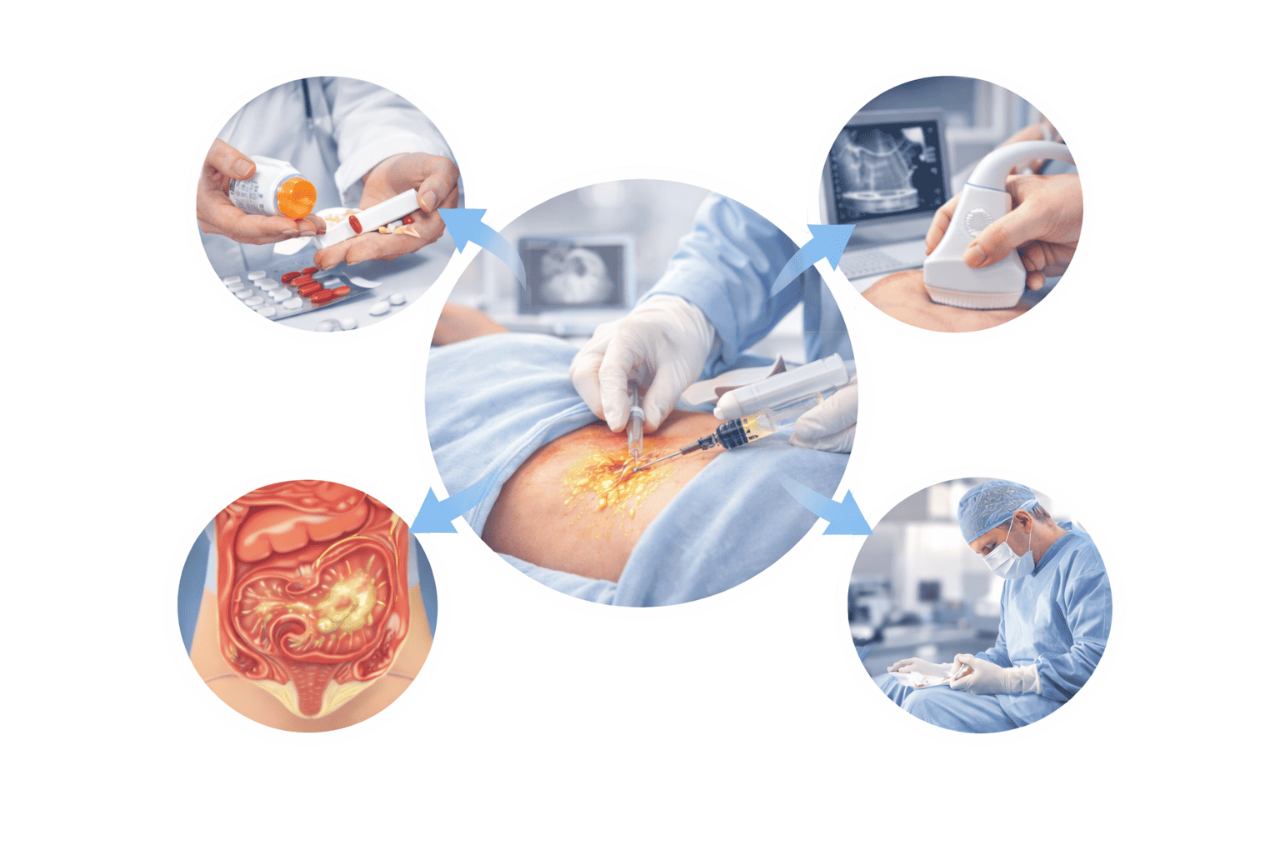
Treatment aims to control infection and remove the accumulated pus. The treatment approach may depend on:

  • Size and location of the abscess
  • Underlying cause of infection
  • General health condition of the patient

Management may involve antibiotics, drainage procedures, or surgery in certain situations.

Types of Treatment Approaches

Based on clinical findings, treatment options may include:

  • Antibiotic therapy
  • Image-guided drainage using ultrasound or CT guidance
  • Surgical drainage in selected cases
  • Treatment of the underlying cause of infection

The most suitable approach is determined after clinical evaluation by the treating healthcare team.

Pre-treatment Assessment

Before treatment, patients generally undergo:

  • Clinical evaluation
  • Relevant imaging studies
  • Laboratory investigations
  • Assessment of overall medical condition

These assessments help determine the most appropriate management plan.

About the Author of This Information

Dr. Rajeev Kapoor is a practicing surgeon based in Mohali, Punjab. He provides clinical services in the field of gastrointestinal, colorectal, and general surgery. This website is intended for informational and educational purposes only.

Disclaimer

The information provided on this page is for general educational purposes only. It is not a substitute for professional medical advice, diagnosis, or treatment. Treatment decisions should be made after consultation with a qualified medical professional, based on individual clinical evaluation.
Scroll to Top
Call Now Button