Perforation

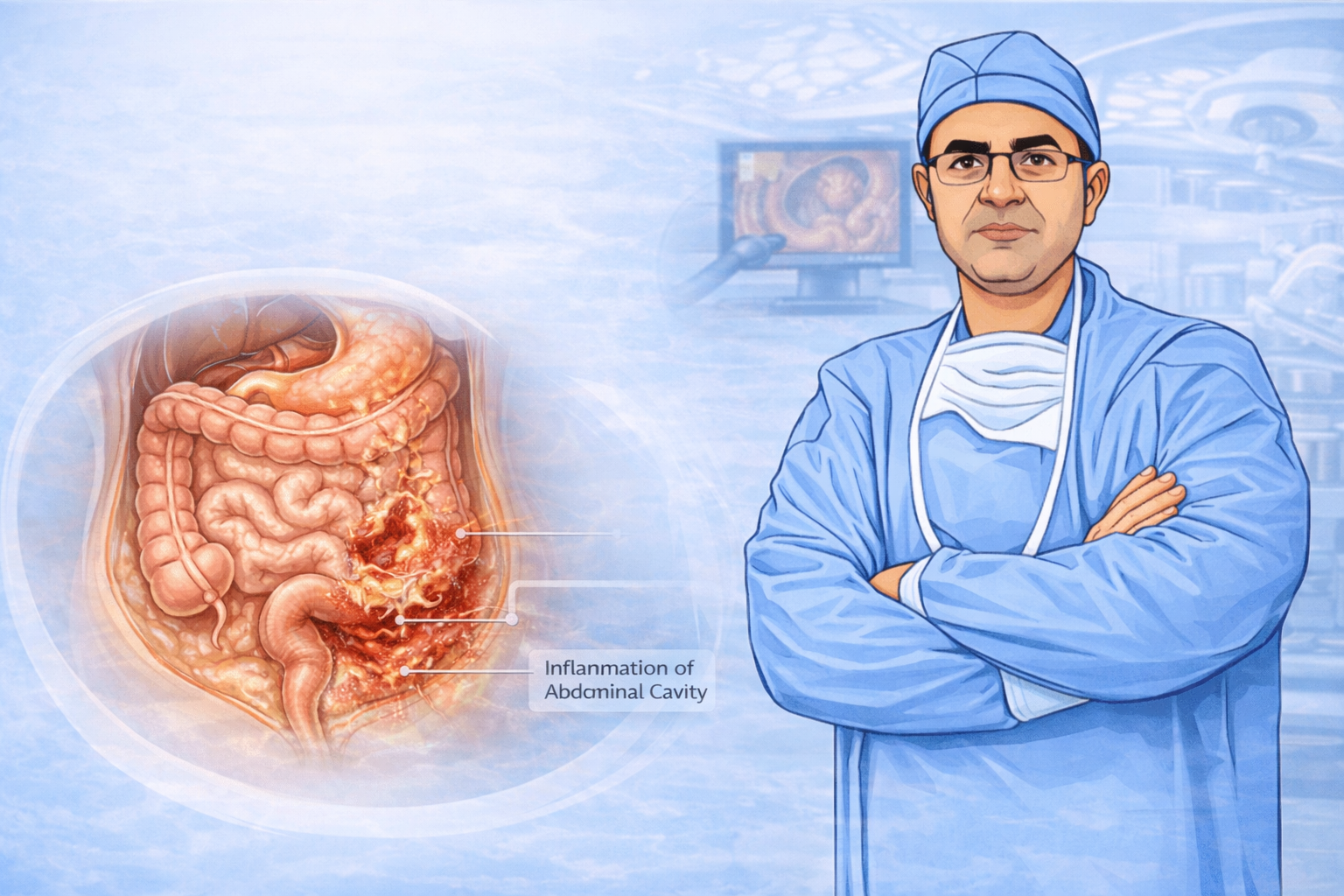
Perforation refers to the formation of a hole or tear in the wall of a hollow organ, most commonly occurring in the stomach, small intestine, or large intestine. When perforation occurs, the contents of the gastrointestinal tract may leak into the abdominal cavity, potentially leading to infection and inflammation of the abdominal lining (peritonitis).
Gastrointestinal perforation is considered a medical emergency and usually requires urgent medical evaluation and treatment

Understanding Gastrointestinal Perforation

The gastrointestinal tract is responsible for digestion and absorption of food. The walls of these organs normally keep the digestive contents contained within the digestive system.

A perforation occurs when a defect or rupture develops in the wall of the organ. This may allow digestive fluids, bacteria, or partially digested food to enter the abdominal cavity, potentially leading to inflammation of the abdominal lining.

Perforation can occur due to a variety of medical conditions or injuries affecting the digestive system.

Causes of Perforation

Several medical conditions and injuries can lead to perforation of the gastrointestinal tract, including:

  • Peptic ulcer disease
  • Appendicitis
  • Diverticulitis
  • Inflammatory bowel disease (such as Crohn’s disease)
  • Infections
  • Trauma or injury to the abdomen
  • Complications from medical procedures (e.g., endoscopy)
  • Intestinal obstruction
  • Certain medications, such as long-term use of non-steroidal anti-inflammatory drugs (NSAIDs)

Symptoms

Symptoms may develop suddenly and can worsen rapidly. Common symptoms include:

Severe and sudden abdominal pain

Abdominal tenderness or rigidity

Fever and chills

Nausea and vomiting

If these symptoms occur, immediate medical attention is necessary.

Diagnosis

Diagnosis of gastrointestinal perforation usually involves a combination of:

Clinical Evaluation

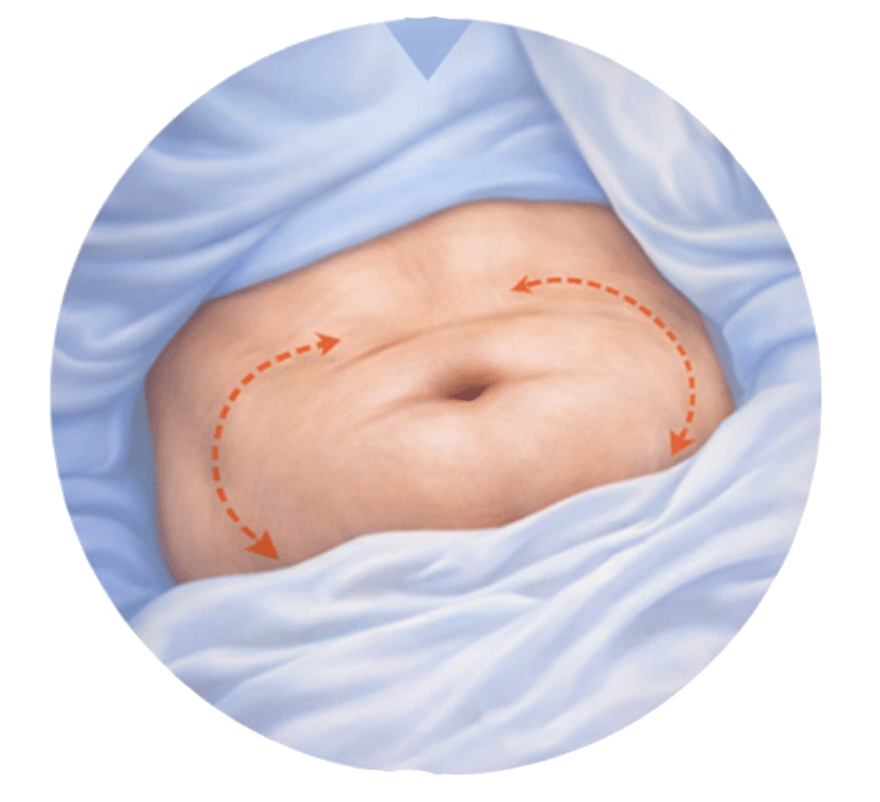
A healthcare professional will review the patient’s medical history and symptoms and perform a physical examination, including assessment of abdominal tenderness.

Imaging Tests

To confirm the diagnosis and identify the location of the perforation, imaging tests may be recommended, such as:

  • X-ray of the abdomen or chest (to detect free air)
  • CT scan of the abdomen
  • Ultrasound in selected cases

Treatment

Treatment depends on the cause, location, and severity of the perforation as well as the patient’s overall condition.

Emergency Management

Initial management may include:

  • Intravenous fluids
  • Antibiotics
  • Pain management
  • Stabilisation of the patient

Surgical Treatment

In many cases, surgery is required to repair the perforation and clean the abdominal cavity. Surgical options may include:

  • Primary repair of the perforation
  • Removal of the affected section of the intestine
  • Temporary or permanent stoma formation in certain situations

The specific procedure is determined based on clinical findings.

Possible Complications

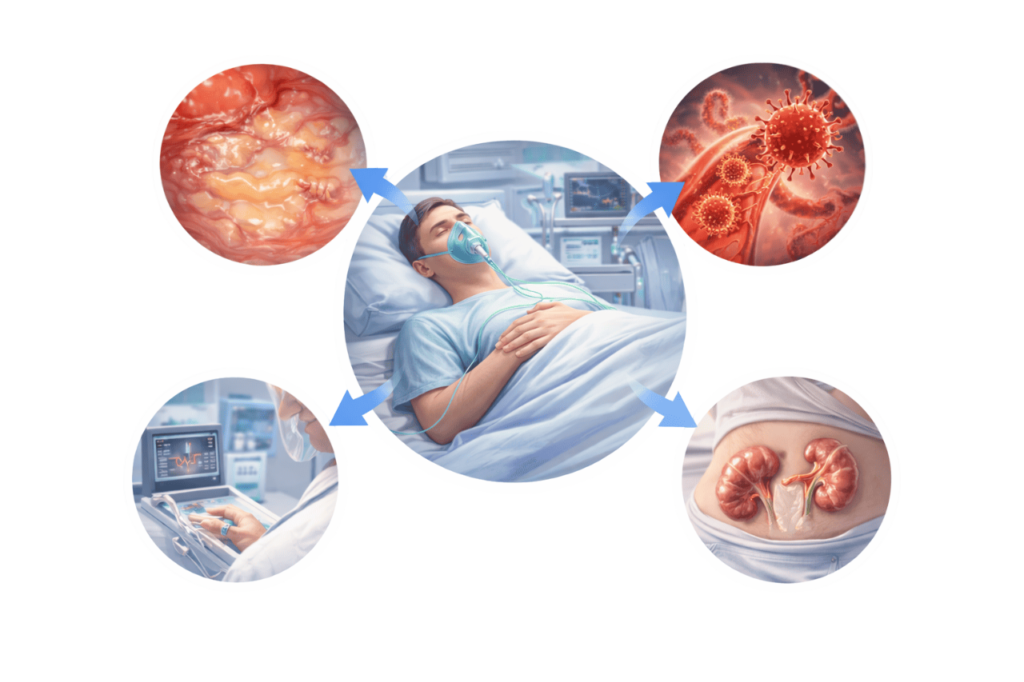
If not treated promptly, perforation may lead to serious complications such as:

  • Peritonitis
  • Sepsis
  • Abscess formation
  • Organ failure

Early diagnosis and treatment can help reduce these risks.

When to Seek Medical Attention

Immediate medical care should be sought if a person experiences:

  • Sudden, severe abdominal pain
  • Persistent vomiting
  • Fever with abdominal tenderness
  • Abdominal swelling with inability to pass stool or gas

Prompt assessment helps identify the underlying cause and determine the appropriate management.

About the Author of This Information

Dr. Rajeev Kapoor is a practicing surgeon based in Mohali, Punjab. He provides clinical services in the field of gastrointestinal, colorectal, and general surgery. This website is intended for informational and educational purposes only.

Disclaimer

The information provided on this page is for general educational purposes only. It is not a substitute for professional medical advice, diagnosis, or treatment. Treatment decisions should be made after consultation with a qualified medical professional, based on individual clinical evaluation.
Scroll to Top
Call Now Button