Pruritus Ani Management in Mohali

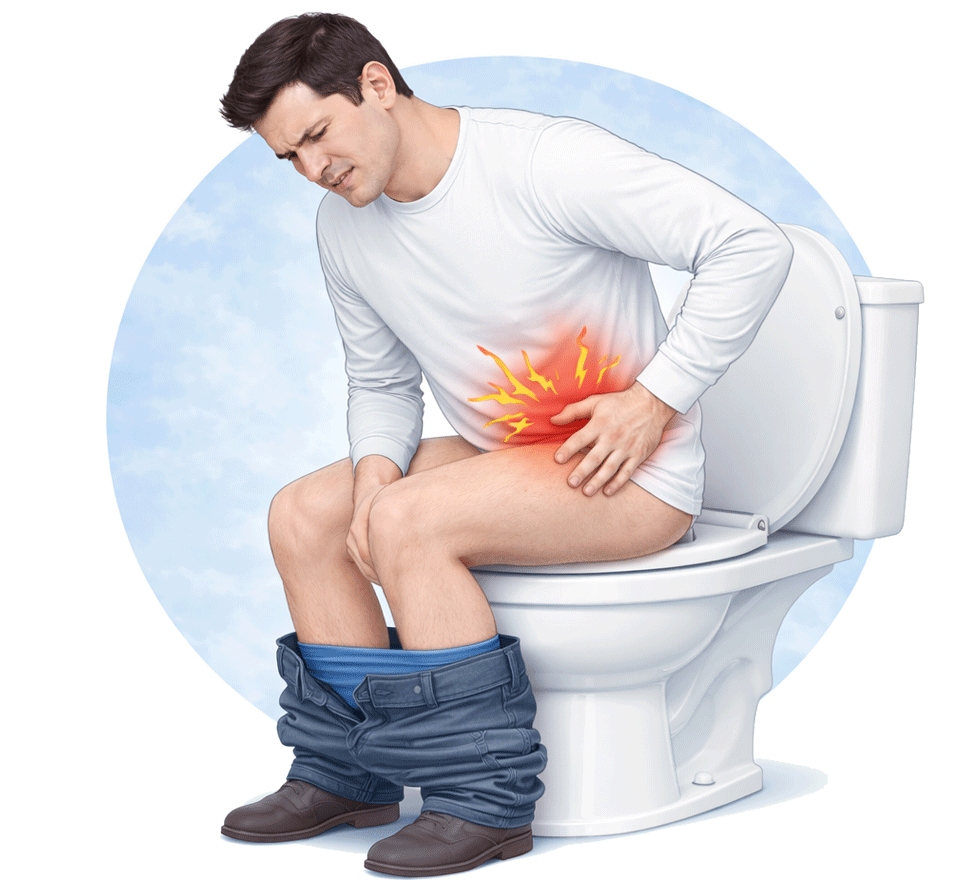
Pruritus ani refers to persistent itching or irritation of the skin around the anus. It may occur as a primary condition or secondary to other anorectal or dermatological disorders. The severity of symptoms can vary and may affect daily comfort.
Management depends on identifying and addressing the underlying cause.

Understanding Pruritus Ani

The perianal skin is sensitive and may become irritated due to multiple factors. Pruritus ani may be classified as:
  • Primary (Idiopathic) – No identifiable underlying cause
  • Secondary – Associated with another condition
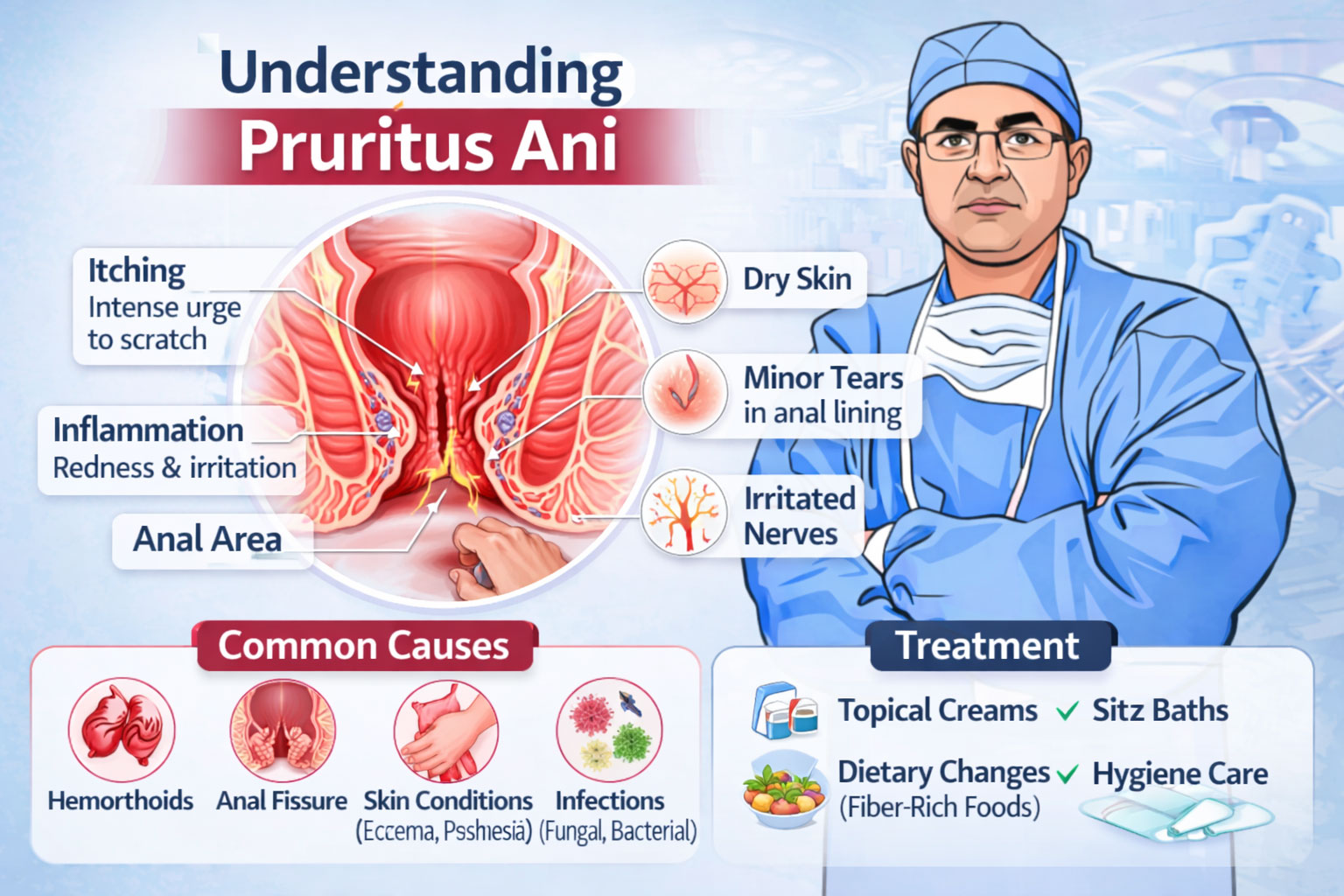
Possible contributing factors include:
  • Excess moisture or sweating
  • Poor or excessive hygiene
  • Hemorrhoids or anal fissures
  • Fungal or bacterial infections
  • Certain foods or skin sensitivities
  • Inflammatory bowel conditions
Identifying the cause is important for appropriate management.
Common Symptoms

Symptoms may include:

Persistent itching around the anus

Burning sensation

Redness or skin irritation

Discomfort during or after bowel movements

Scratching may worsen irritation and lead to skin damage.

Diagnosis

Evaluation typically includes:
  • Detailed medical history
  • Physical examination of the perianal area
  • Assessment for associated anorectal conditions
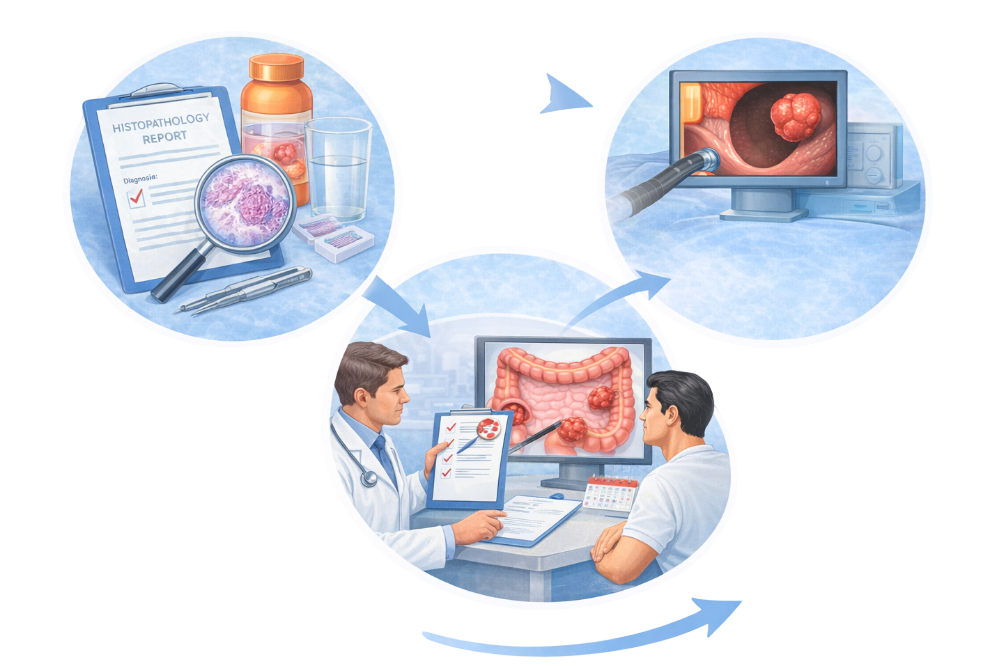
In selected cases, additional tests may be advised to rule out infections or underlying gastrointestinal disorders.

Management of Pruritus Ani

Treatment focuses on relieving symptoms and correcting underlying causes.
Management may include:
  • Maintaining appropriate perianal hygiene
  • Avoiding irritants such as perfumed soaps
  • Use of prescribed topical medications when indicated
  • Treatment of associated conditions such as hemorrhoids or infections
  • Dietary adjustments if required
Care is individualized based on clinical findings.

When Further Evaluation Is Needed

Further evaluation may be advised if:
  • Symptoms are persistent despite initial measures
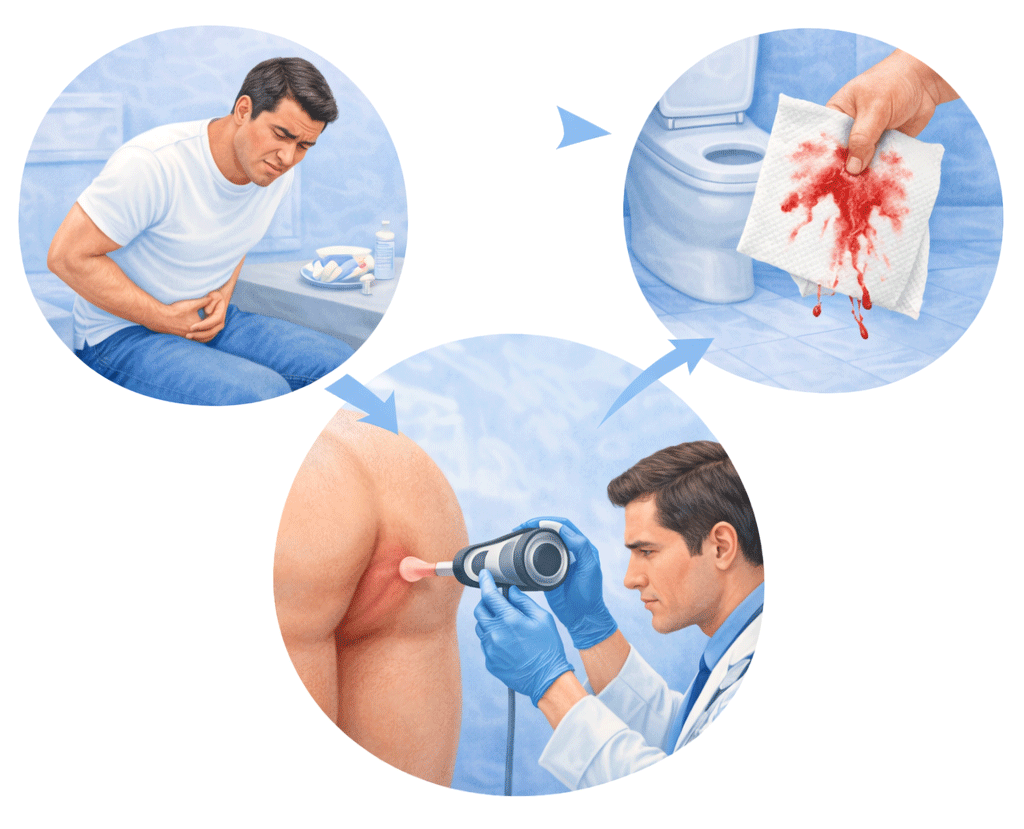
  • There is associated bleeding or discharge
  • Underlying anorectal pathology is suspected
Prompt assessment helps ensure appropriate treatment.

Pre-treatment Assessment

Before initiating specific treatment, patients generally undergo:
  • Clinical evaluation
  • Review of medical and dietary history
  • Examination for associated anorectal conditions
This assists in identifying contributing factors.

Post-treatment Care and Follow-Up

Follow-up care may include:
  • Monitoring symptom improvement
  • Reinforcement of hygiene and lifestyle guidance
  • Reassessment if symptoms recur
Long-term management depends on the underlying cause.

About the Author of This Information

Dr. Rajeev Kapoor is a practicing surgeon based in Mohali, Punjab. He provides clinical services in the field of gastrointestinal, colorectal, and general surgery. This website is intended for informational and educational purposes only.

Disclaimer

The information provided on this page is for general educational purposes only. It is not a substitute for professional medical advice, diagnosis, or treatment. Treatment decisions should be made after consultation with a qualified medical professional, based on individual clinical evaluation.
Scroll to Top
Call Now Button