Vulval Cancer

What is Vulval Cancer?

Vulval cancer is a rare type of cancer that develops in the external female genital area, known as the vulva. This includes the labia, clitoris, and vaginal opening. Most cases are a type of Squamous Cell Carcinoma, which arises from the skin cells covering the vulva.
It is more commonly seen in older women, although it can occur at any age.
Sarcoma

Causes and Risk Factors

While the exact cause is not always known, certain factors may increase risk:
  • Infection with Human Papillomavirus (HPV)
  • Increasing age
  • Smoking
  • Chronic vulval skin conditions
  • Weakened immune system

Symptoms of Vulval Cancer

Common symptoms may include:
  • Persistent itching or burning in the vulval area
  • A lump, sore, or ulcer that does not heal
  • Pain or tenderness in the vulva
  • Bleeding not related to menstruation
  • Skin changes (thickening, discoloration)
If symptoms persist for more than 2–3 weeks, medical evaluation is advised.

Diagnosis

Diagnosis involves:
  • Physical and pelvic examination
  • Biopsy (confirmatory test)
  • Imaging tests such as MRI or CT scan (if required)
Early diagnosis improves treatment outcomes.

Treatment Options in Chandigarh

Treatment depends on the stage and overall health of the patient:

Surgery

The main treatment involves removal of the cancerous tissue. The extent of surgery varies based on tumor size and spread.

Radiation Therapy

Used either alone or along with surgery to destroy cancer cells.

Chemotherapy

May be recommended in advanced cases or when cancer has spread.

Importance of Early Detection

Early-stage vulval cancer is often highly treatable. Regular gynecological check-ups and awareness of symptoms play a crucial role.

Multidisciplinary Care Approach

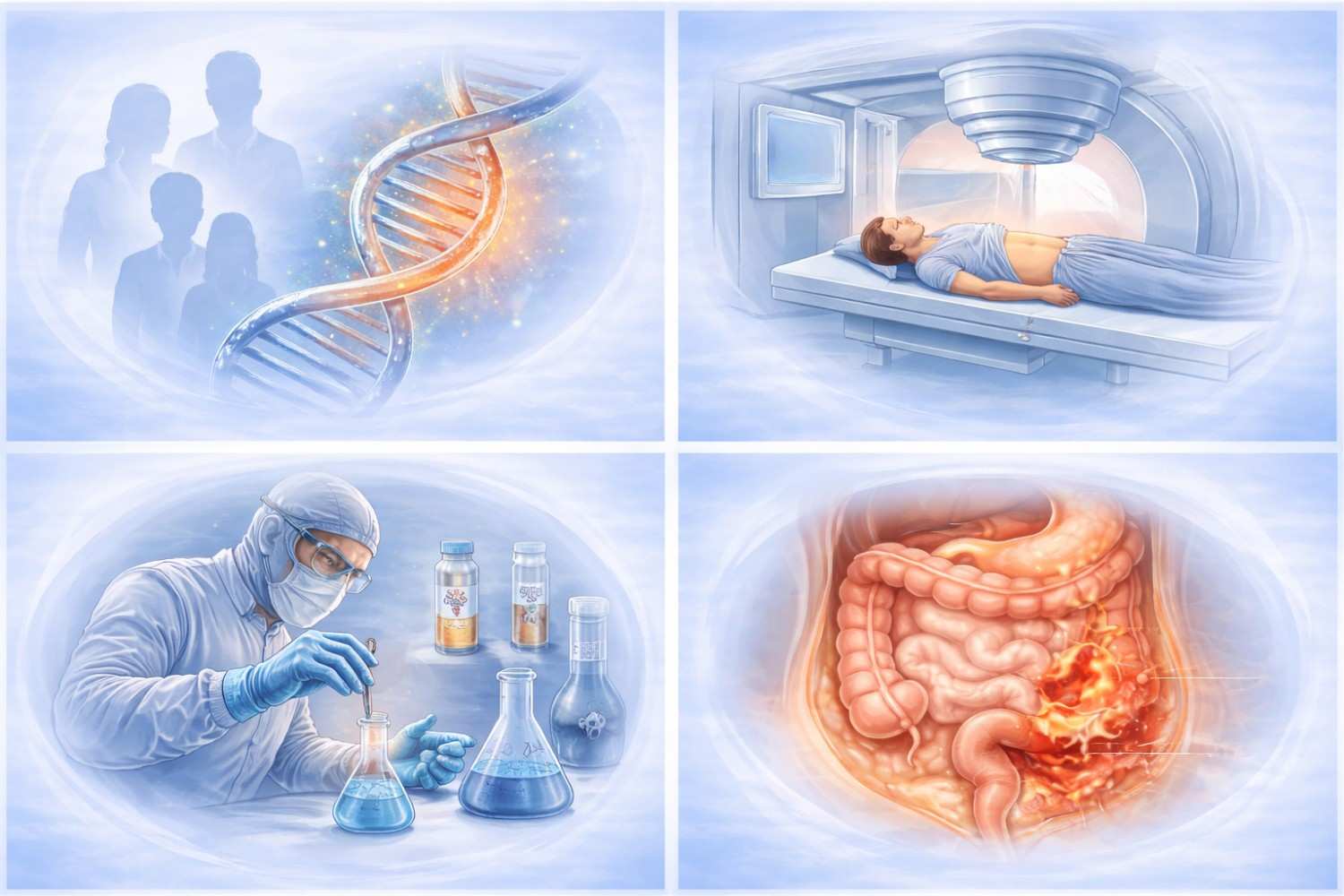
Treatment of ischiorectal sarcoma requires a coordinated approach involving:
  • Surgical oncologists
  • Medical oncologists
  • Radiation specialists
  • Pathologists

When to Consult a Doctor

Consult a qualified healthcare provider if you experience:
  • Persistent itching, pain, or sores
  • Any unusual growth or lump
  • Unexplained bleeding

About the Author of This Information

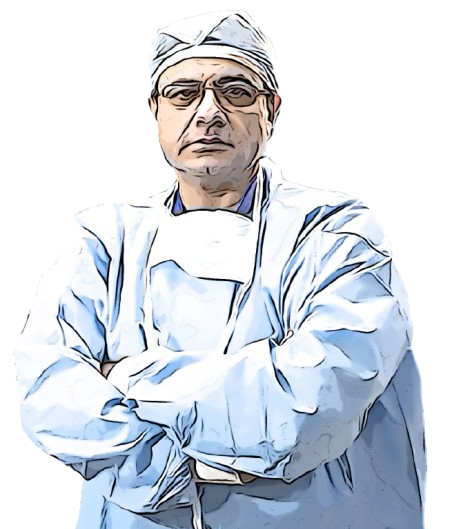
Dr. Rajeev Kapoor is a practicing surgeon based in Mohali, Punjab. He provides clinical services in the field of gastrointestinal, colorectal, and general surgery. This website is intended for informational and educational purposes only.

Disclaimer

The information provided on this page is for general educational purposes only. It is not a substitute for professional medical advice, diagnosis, or treatment. Treatment decisions should be made after consultation with a qualified medical professional, based on individual clinical evaluation.
Scroll to Top
Call Now Button