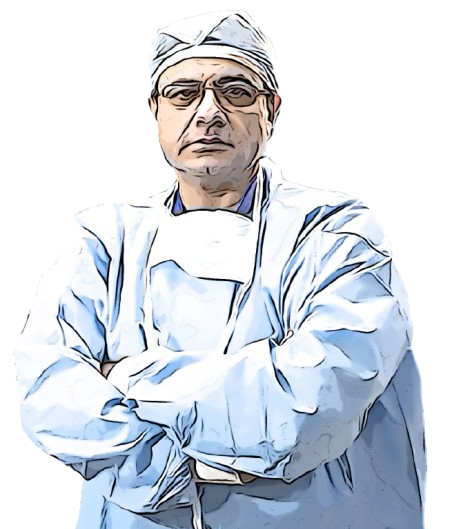
Dr. Rajeev Kapoor – Header
📍 Fortis Hospital, Sector 62, Mohali, Punjab – 160062 📞 +91 98765 07444 ✉ rkap01@gmail.com

Bilateral & Recurrent Hernias

Bilateral and recurrent hernias are specific types of abdominal wall hernias that require careful clinical evaluation and individualized treatment planning. Management depends on factors such as the type of hernia, prior surgical history, symptom severity, and the patient’s overall medical condition. Surgical repair is commonly considered when symptoms are present or complications are likely.
This document provides general medical information about bilateral and recurrent hernias and their management.
Bilateral & Inguinal Hernias

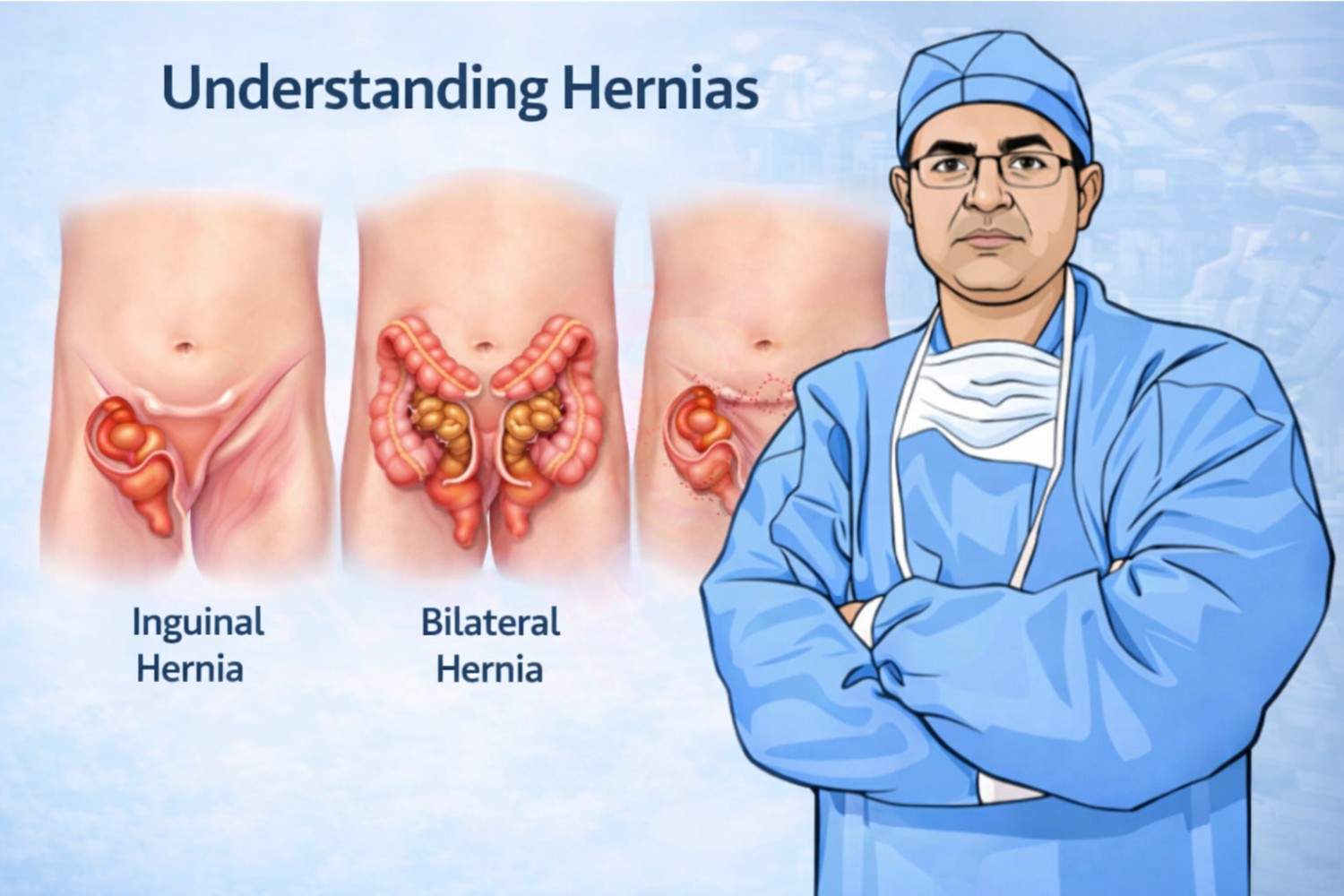
Understanding Hernias

A hernia occurs when an internal organ or tissue protrudes through a weakened area in the surrounding muscle or connective tissue. The most common type is an inguinal hernia, which occurs in the groin region.
A bilateral hernia refers to hernias occurring on both sides of the groin.

A recurrent hernia occurs when a hernia reappears at or near the site of a previous surgical repair.

Common Symptoms

Symptoms may vary depending on whether the obstruction is partial or complete.
Common symptoms may include:
Bilateral & Inguinal Hernias

Swelling or bulge in the groin area (on one or both sides)

Umbilical Hernia Treatment in Chandigarh

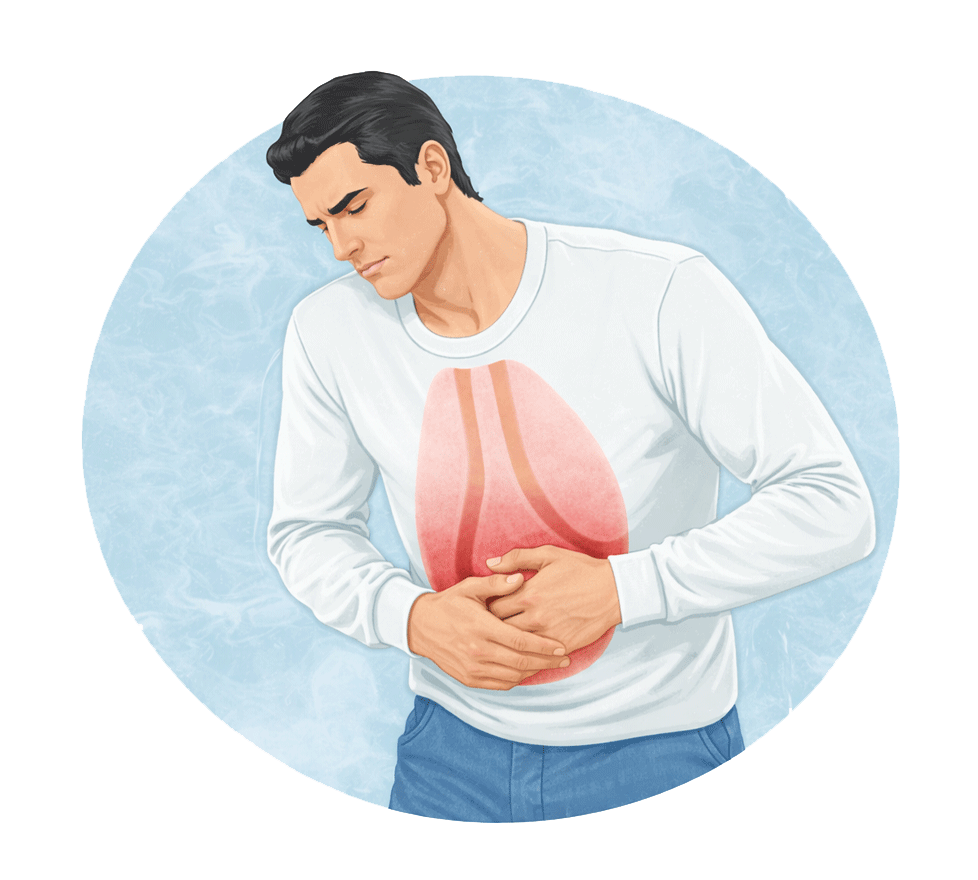
Discomfort or pain, especially while lifting or coughing

Colon Cancer Surgeon Mohali

Feeling of heaviness in the lower abdomen

Bilateral & Inguinal Hernias

Reappearance of swelling after previous surgery (in recurrent cases)

Urgent medical attention is required if there is sudden severe pain, vomiting, or inability to reduce the swelling.

Diagnosis

Diagnosis typically includes:

• Detailed medical history
• Physical examination
• Ultrasound of the groin region (when required)
• CT scan in selected recurrent or complex cases

Role of Surgery

Surgical repair is commonly recommended for symptomatic bilateral and recurrent hernias. The objective of surgery is to reposition the protruding tissue and reinforce the weakened abdominal wall.
The choice of technique depends on previous surgical approach, location and size of the defect, scar tissue, and overall health status.
Bilateral & Recurrent Hernias

Surgical Options

Open Hernia Repair:
A conventional approach performed through an incision over the affected area.
Laparoscopic Hernia Repair:
A minimally invasive technique performed using small incisions and specialized instruments.
Mesh Reinforcement:
In most adult hernia repairs, surgical mesh is used to strengthen the abdominal wall and reduce the risk of recurrence based on clinical assessment.


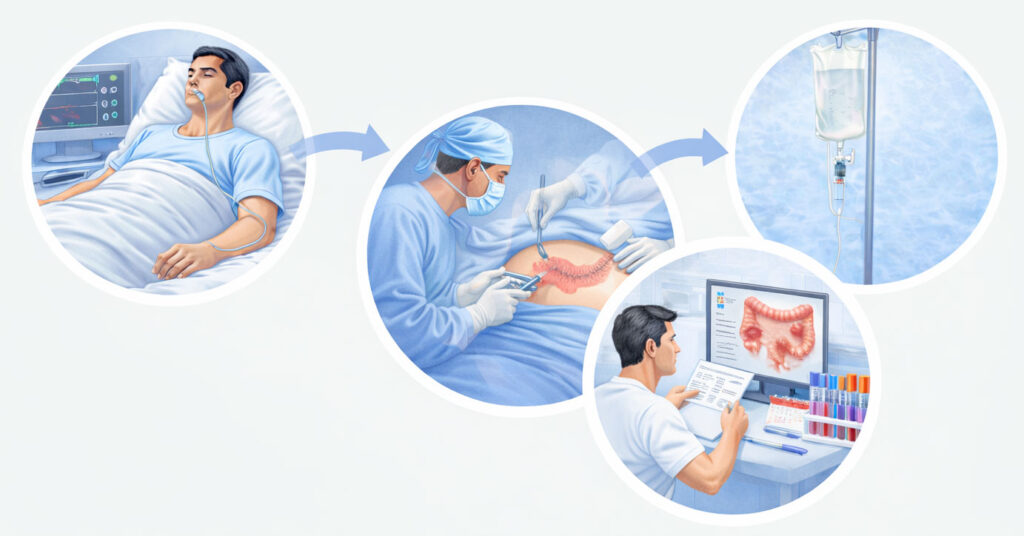
Pre-operative Assessment

Before surgery, patients generally undergo:

• Clinical evaluation
• Anesthesia fitness assessment
• Routine laboratory investigations
• Imaging studies where indicated

Colorectal Polyps Treatment in Mohali

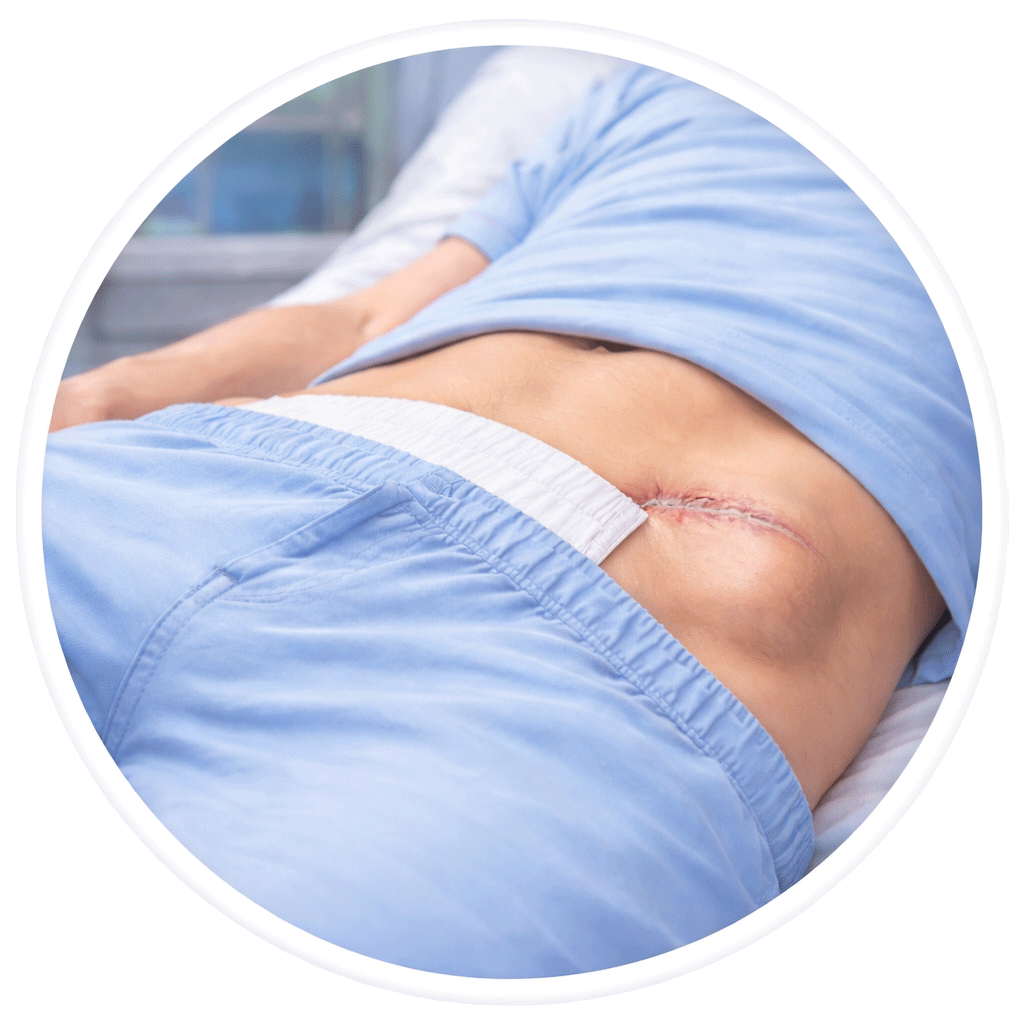
Post-operative Care and Follow-Up

Post-operative management typically includes:

• Short hospital stay (depending on procedure)
• Gradual return to oral diet
• Pain management
• Advice regarding activity restrictions
• Scheduled follow-up consultations

Colorectal Polyps Treatment in Mohali

About the Author of This Information

Dr. Rajeev Kapoor is a practicing surgeon based in Mohali, Punjab. He provides clinical services in the field of gastrointestinal, colorectal, and general surgery. This website is intended for informational and educational purposes only.

Disclaimer

The information provided on this page is for general educational purposes only. It is not a substitute for professional medical advice, diagnosis, or treatment. Treatment decisions should be made after consultation with a qualified medical professional, based on individual clinical evaluation.

DR. Rajeev Kapoor
DR. Rajeev Kapoor
Scroll to Top