Anal Fistula

Anal Fistulas
Anal Fistula, blog

Rectal Advancement Flaps for Complex Anal Fistulas : A Surgical Approach

An anal fistula is a challenging and often painful condition that requires careful consideration and surgical management. One of the surgical techniques employed in treating complex anal fistulas is the Rectal Advancement Flaps for Complex Anal Fistulas procedure. This approach has proven to be effective in many cases. Understanding Anal Fistulas An Anal Fistulas is an abnormal connection or tunnel that forms between the anal canal (the end of the large intestine) and the skin near the anus. It typically results from an infection or abscess near the rectum. Anal fistulas can cause persistent pain, discharge, and recurrent infections, significantly affecting a patient’s quality of life. Several surgical techniques are available to manage these fistulas, and the choice of procedure depends on the type as well as complexity of the fistula. Here are some of the surgical options: Fistulotomy: This is a straightforward surgical procedure in which the surgeon cuts open the entire length of the fistula tract, allowing it to heal from the inside out. It’s typically used for simple, low-risk fistulas. Seton Placement: A seton, which is a special elastic thread, can be placed through the fistula tract. This helps in gradual drainage as well as allows the surrounding tissues to heal. Seton placement is often used when there’s a high risk of incontinence with other procedures. Seton can be used as a cutting seton too. LIFT Procedure (Ligation of the Intersphincteric Fistula Tract): This technique involves identifying and ligating the internal opening of the fistula tract while leaving the rest intact. It’s suitable for certain complex fistulas. Advancement Flap Surgery: As previously discussed, advancement flap surgery involves creating a flap of healthy tissue to cover the internal opening. This is ideal for complex fistulas near the sphincters. Plugs as well as Fillers: Special plugs or biologically derived materials can be used to seal the internal opening. These act as a barrier to encourage healing. This has not proved to be very successful as well as has high recurrence rates.  Other Factors Of Anal Fistulas Fibrin Glue: Fibrin glue is injected into the fistula tract to seal it. This technique is suitable for some low to moderately complex fistulas. Again it is not used these days as the recurrence rates are very high. Video-Assisted Anal Fistula Treatment (VAAFT): VAAFT is a minimally invasive procedure in which a small endoscope is inserted into the fistula tract. It’s used to locate as well as close the internal opening with glue or sutures. This procedure can be used in very simple fistula; it too has high recurrence rates. Staged Procedures:  In complex or recurrent cases, surgeries may need to be staged, where several procedures are performed over multiple sessions. Colostomy:  In severe cases or when all other methods fail, a colostomy may be considered. This involves diverting the fecal stream to allow the area to heal. The choice of surgery depends on individual factors, such as the type and location of the Anal Fistulas, the patient’s overall health, as well as the surgeon’s preference and expertise. A thorough evaluation by a colorectal surgeon is necessary to determine the most suitable surgical approach for each patient. While these surgical techniques have their own advantages as well as considerations, the primary goal is to treat the fistula effectively while preserving anal function and minimizing the risk of complications such as incontinence. Consulting with a specialist is crucial to ensure the best possible outcome for patients dealing with Anal Fistulas. The Role of Rectal Advancement Flaps The Rectal Advancement Flap procedure is a surgical technique designed to treat complex anal fistulas. Complex anal fistulas are those that are associated with a high risk of recurrence or have multiple tracts, making them challenging to manage with simple procedures like fistulotomy. Patients with recurrent or complex cases often require specialized care, and consulting a surgeon experienced in fistula surgery can make a significant difference in treatment outcomes. How The Procedure Works? Patient Preparation: The patient is placed under general anaesthesia and positioned on special contraption, called yeloow fin stirrups. Identifying the Fistula: The surgeon carefully identifies the fistula’s tract or tracts, often using specialized tools as well as techniques. Creating a Flap as well as suturing the internal opening: A flap of healthy rectal tissue is created. This flap is designed to close the internal opening of the fistula, which is usually situated within the rectal lining. Flap Advancement: The created flap is advanced as well as sutured over the internal opening, effectively sealing it. Drainage: n some cases, a seton or drain may be placed to ensure proper drainage while the fistula heals. Closure: The external opening of the fistula is left open or may be partially closed depending on the specific case. Advantages of Rectal Advancement Flaps Low Risk of Incontinence: One significant advantage of the Rectal Advancement Flap procedure is its low risk of causing faecal incontinence. This makes it a preferred choice for many complex fistulas, especially those close to the anal sphincters. Effective Closure: By creating a flap of healthy tissue, this procedure effectively closes the internal opening of the fistula, reducing the risk of recurrence. While the Rectal Advancement Flap procedure offers many advantages, there are also potential considerations as well as complications: Healing Time: Healing can take several weeks to months. It’s essential for patients to follow post-operative care instructions carefully. Recurrence: While the risk of recurrence is low, it can still occur, particularly in challenging cases. Infection: As with any surgical procedure, there is a risk of infection, which needs to be managed with appropriate antibiotics. Conclusion The Rectal Advancement Flap procedure is a valuable surgical approach for treating complex Anal Fistulas, providing effective closure while minimizing the risk of incontinence. It’s essential for patients to consult with experienced colorectal surgeons to determine the most suitable treatment for their specific condition. For More Information Stay Updated With : drrajeevkapoor.com Also Read: Latest Surgical Management of Left Colon Cancer The Technology Behind Robotic Surgery Is Bowel Content Leakage
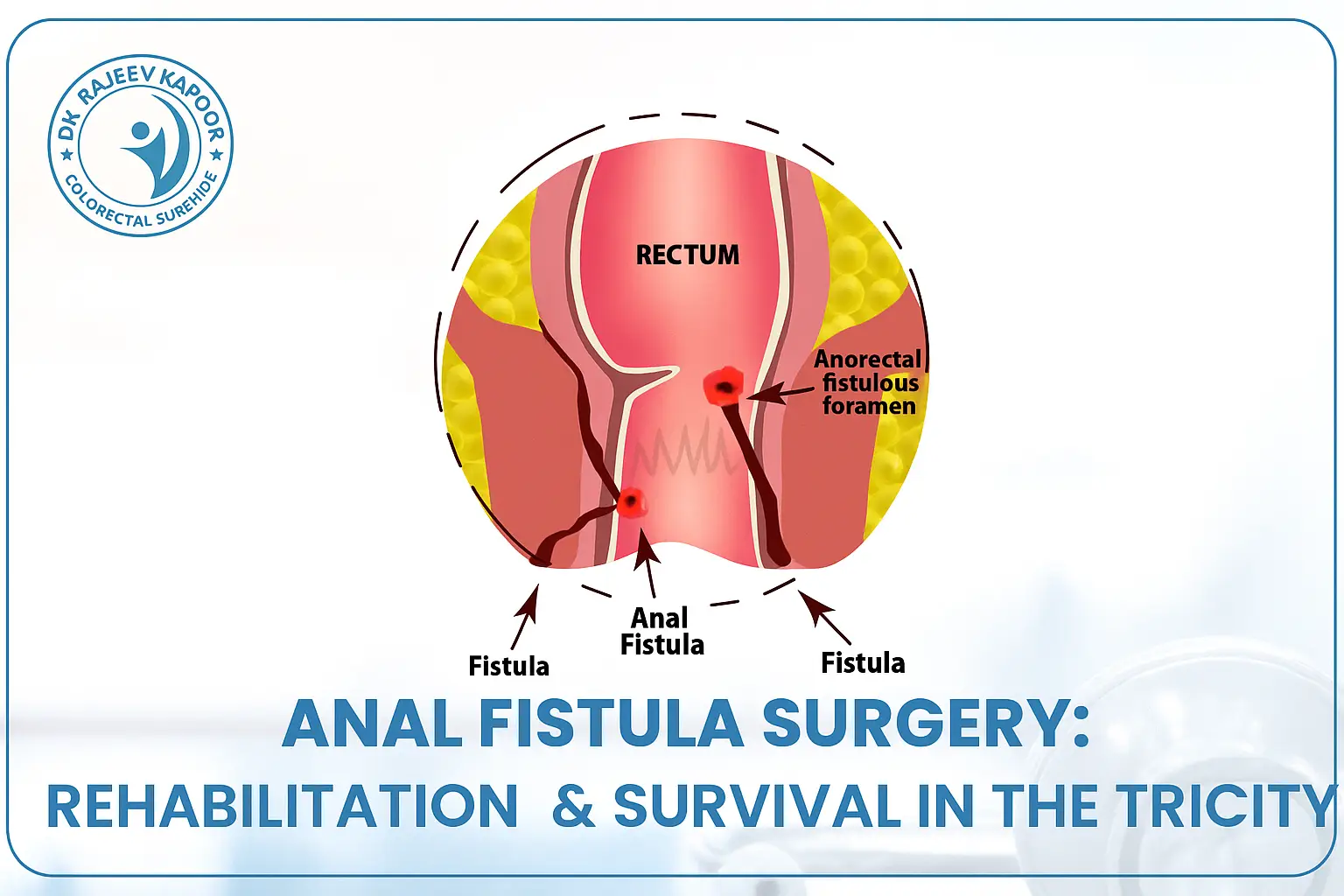
Anal Fistula Surgery in Chandigarh
Anal Fistula, blog

Anal Fistula: Surgery is the Best Bet

Anal Fistula Surgery Surgery is typically essential to deal with anal fistula as they normally do not heal on their own. There are a number of different procedures. The very best alternative for you will certainly rely on the position of anal fistula and also whether it’s a solitary channel or branches off in various instructions. Occasionally you might require to have a first evaluation of the location under general anaesthetic (where you’re asleep) to assist figure out the best treatment. This is called Examination under Anaesthesia. This can be done during the main surgery too. Proper communication and consents will have to be obtained about possible options to be used. Your colorectal surgeon will talk to you concerning the choices available and which one they really feel is one of the most suitable for you. There are a few procedures, which became popular but long term results showed high recurrence rates and thus they fell by the way. Surgical treatment for an anal fistula is typically executed under general anaesthetic. In most cases, one day overnight stay in the hospital is required afterwards. Also See: Fistula Doctor in Chandigarh The main goal of fistula surgery treatment is to heal the fistula while avoiding damage to the sphincter muscle mass, the ring of muscular tissues that open up as well as shut the rectum, damage to which might possibly cause loss of control (anal incontinence). The most commonly used procedures are: Fistulotomy One of the most common type of surgical treatment for rectal fistulas is a fistulotomy. This includes cutting along the whole size of the fistula to open it up so it recovers and heals from within. A fistulotomy is one of the most effective treatment for lr fistulas that do not go through a lot of the sphincter muscle mass, as the risk of incontinence is least in these cases. If the specialist needs to cut a portion of anal sphincter muscle mass throughout the procedure, or the risk of incontinence is thought to be high, another procedure might be advised instead. Seton surgery If a considerable portion of rectal sphincter muscular tissue is involved, a seton surgery will be done, which is inserted into the fistula tract running across the muscle. The rest of the fistula tract is excised and the wound laid open. A seton is an item of medical string that’s left in the fistula for several weeks to keep it open. This allows it to drain and also assists it heal, while preventing the damage to the sphincter muscles. Loose setons permit fistulas to drain, however they do not cure them. They help in draining all the pus and infection over a span of weeks or months. Subsequently another surgery is required to use a tighter seton, which cuts the tract gradually over days or weeks.  This way the sphincter gets time to heal and thus maintain continence. At time, this may require numerous procedures that the doctor can go over with you. It may involve using a combination of the procedures depending upon the type of fistula. At times, The procedure involves opening up a little section of the fistula each time. Advancement flap surgery An advancement flap treatment might be considered if your fistula travels through the rectal sphincter muscular tissues and other procedures have not given good results. This entails cutting or scraping out the fistula as well as covering the hole where it went into the bowel with a flap of tissue extracted from inside the rectum, which is the final part of the digestive tract. This is used very selectively as it carries a high recurrence rate. It may be used in conjunction with seton surgery. Other Procedures There are some other procedures being used for treatment of anal fistulas recently and the long term success rates are either awaited or not very good. A few have shown good results in simple fistula. Some of the procedures are meant for specific fistulas and some just are alternate procedures. A few like fibrin glue, fistula plug and endoscopic ablation have shown higher recurrence rates. LIFT and laser ablation procedures will need more time to show long tern results, but could be used selectively for specific fistulas. At this time, best results are shown by fistulotomy or seton techniques, but as said before the choice of surgery to be employed depends on the number, length, association with abscess, previous surgeries and underlying diseases. At times, a combination of procedures give the best result. Risks of anal fistula surgery Like any type of type of therapy, therapy for anal fistulas brings a number of risks. The primary risks are: Infection as this is a high bacteria colonized area because of the passage of stools. Recurrence of the fistula– the fistula can occasionally persist despite surgical treatment Faecal incontinence— this is a potential danger with the majority of types of rectal fistula treatment, although severe incontinence is uncommon and also every effort is certainly made to prevent it. Things to remember about Fistula Surgery

Anal Fistula: The Best option is Seton Surgery
Anal Fistula, blog

Anal Fistula: The Best option is Seton Surgery

An anal fistula is a little passage that communicates in between the lumen of the digestive tract and the skin near the rectum and anal canal. They’re normally the result of an infection near the anus triggering a collection of pus (abscess) in the anal glands. When the pus drains out, it can leave a tiny track behind. Signs and symptoms of an anal fistula skin irritation around the rectum a continuous, throbbing discomfort that might be even worse when you take a seat, walk around, poo or coughing smelly discharge from near your anus passing pus or blood when you move your bowel swelling as well as inflammation around your anus and also a high temperature (fever) if you have an abscess difficulty controlling defecation (fecal incontinence) in some cases Fistula could be visible as a hole in the skin near your anus, although this may be difficult for you to see on your own.   Diagnosis of anal fistula a more physical as well as anal exam a proctoscopy, where an unique telescope with a light on completion is made use of to look inside your anus an ultrasound check, MRI scan or CT scan Causes of anal fistulas Most fistulas develop after an anal abscess. This will happen if the abscess does not recover effectively after the pus has receded. Other causes of anal fistulas consist of: Crohn’s disease — a long-term condition in which the gastrointestinal system ends up being involved Diverticulitis– infection of the small pouches that can stick out of the side of the large intestinal tract (colon). Hidradenitis suppurativa– a lasting skin condition that causes abscesses and also scarring. infection with TB or HIV. Complication of surgical procedure near the anus. Treatment of anal fistula. Anal fistulas usually call for surgical procedure as they hardly ever recover if left unattended. Since the area has lot of bacteria and cannot be rested, the post operative recovery takes time. The main options consist of: There are plenty of procedures advised; however the best results are with the following procedures Fistulotomy— a procedure that involves cutting open the whole size of the fistula so it recovers into a flat scar and is done with smaller fistulas. Seton surgery — where an a surgical thread called a seton is positioned in the fistula and left there for numerous weeks to assist healing prior to further treatment is executed to treat it or used as a cutting seton to save the sphincter damage thus preserving continence. Patients require to remain in hospital over night after surgery, although some may require to remain in healthcare facility for a couple of days. Important tips for Anal Fistula Colorectal surgeon should be consulted sooner than later. Anal fistula need surgery for treatment. Multiple staged procedures (surgeries) may be required depending on the presence of pus, number of openings and history of previous surgery. Loss of work days are minimal, though patient may nurse a post-operative wound which heals gradually Post-operative dressings are very well managed by the patients once guided well.

Anal Fistula, blog

Anal Fistula Surgery in Chandigarh | Anal Fistula Symptoms, Treatment and Management

Anal Fistula: Symptoms and Management Anal Fistula Surgery in Chandigarh – Anal fistula is a small connection, which is established between the lumen of the rectum and the external opening lies on perianal skin. There is pus discharge through the passage. It can present in many ways. Anal Fistula Symptoms Pain and swelling around the area Frequent abscesses Bloody or foul-smelling drainage (pus) from an opening around that area.  Irritation of the skin around the perianal area. Pain with bowel movements Bleeding Fever, chills and a feeling of fatigue Also See: Fistula Doctor in Chandigarh Anal Fistula Treatment and Management Surgery is almost always necessary to cure a fistula. The surgery is performed by a colorectal surgeon. The goal of the surgery is a fine balance between getting rid of the fistula while protecting the sphincter muscles, which could result in incontinence if damaged. Fistulas in which there is no or little sphincter muscle involved are treated with a fistulotomy. In this procedure, the skin and muscle over the tunnel are cut open to convert it to an open groove. Hence the wound heal from inside. Anal Fistula Seton Surgery In the case of a more complex fistula, a special drain called a seton is placed, which remains in place for at least 6 weeks. Once a seton is placed, a second operation is almost always performed. Complex fistulae may require multiple surgeries at variable intervals. Most of the fistulas respond well to surgery. But the healing process takes time. At times, fistula are associated with lot of pus in the form of abscess. Then too staged surgery is performed. At time draining setons are used to drain the pus. The type of surgery and number of surgeries required will depend on the complexity of the disease. Clinical examination is the key to making these decisions. MRI fistulogram is almost always required to assist in making plans for the surgery, Also See Colon Cancer Surgeon in Chandigarh Conclusion This disease is associated with lot of morbidity and needs plenty of patience, as it is in a dirty area of the body, which has to function daily. However, correctly treated, patients do very well. Aim is to make sure that in first instance infection is controlled, which reduces pain before proceeding for definitive surgery. Almost always, the surgery needs one night admission and subsequently patients can join work within a week of surgery. Dressing the surgical site is simple and patient can be followed up in the out patients department once a week or once in a fortnight.

Scroll to Top
Call Now Button