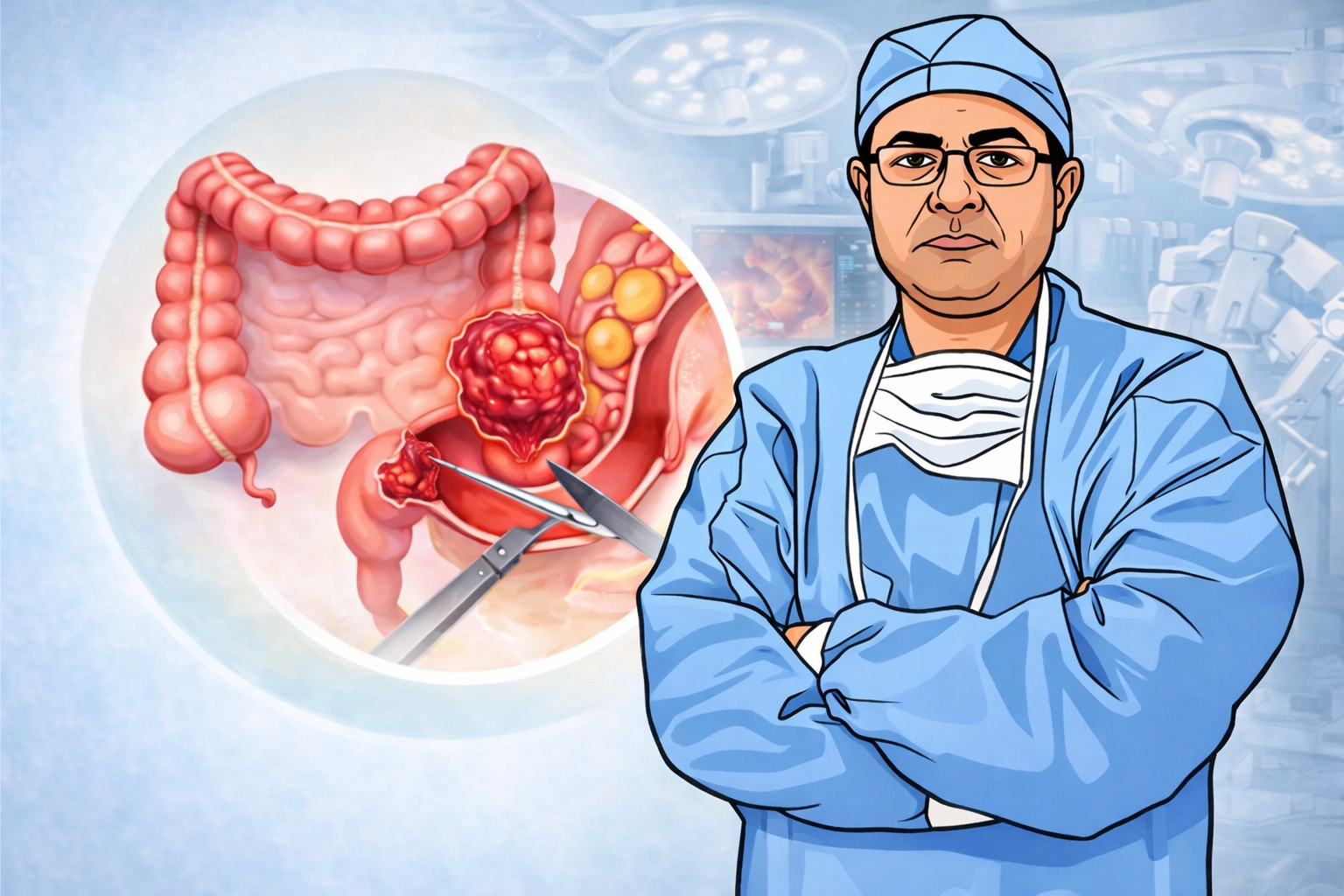
Crohn’s Disease Treatment in Mohali
Crohn’s disease is a chronic inflammatory condition that can affect any part of the gastrointestinal tract, most commonly the small intestine and colon. It belongs to a group of conditions known as inflammatory bowel disease (IBD). The course of Crohn’s disease varies among individuals and may involve periods of remission and flare-ups.
Management focuses on controlling inflammation, relieving symptoms, and addressing complications when they arise.
Understanding Crohn’s Disease
Crohn’s disease causes inflammation that may extend through multiple layers of the bowel wall. Unlike some other gastrointestinal conditions, Crohn’s disease can affect discontinuous segments of the digestive tract and may involve areas beyond the intestine.
The exact cause is not fully understood. It is believed to involve a combination of immune response, genetic predisposition, and environmental factors.
Diagnosis of Crohn’s Disease
Diagnosis is based on a combination of clinical evaluation and investigations, which may include:
- Blood tests and stool studies
- Colonoscopy with biopsy
- Imaging studies such as CT or MRI enterography
- Capsule endoscopy in selected cases
These investigations help confirm the diagnosis and assess the extent of disease involvement.
Common Symptoms
Symptoms of Crohn’s disease vary depending on the location and severity of inflammation. Some individuals may experience mild symptoms, while others may have more significant disease activity.
Common symptoms may include:
Persistent diarrhea
Abdominal pain or cramping
Fatigue
Weight loss
Reduced appetite
Symptoms may fluctuate over time and should be assessed by a medical professional.
Medical Management
Medical treatment is the primary approach for managing Crohn’s disease and aims to control inflammation and maintain remission.
Management may include:
- Anti-inflammatory medications
- Immunomodulatory therapy
- Nutritional support and dietary modification
Treatment plans are individualized based on disease severity and patient response.
Role of Surgery in Crohn’s Disease
Surgery is not curative for Crohn’s disease but may be required in certain situations, such as:
- Bowel obstruction due to strictures
- Persistent symptoms despite medical therapy
- Complications such as fistulas, abscesses, or perforation
The goal of surgery is to manage complications and improve quality of life while preserving bowel length wherever possible.
Types of Surgical Procedures
Depending on clinical findings, surgical options may include:
Resection of diseased bowel segments
Strictureplasty to widen narrowed segments
Drainage of abscesses
Surgery for fistula management
The choice of procedure is determined after detailed assessment.
Pre-treatment Assessment
Before initiating treatment or surgery, patients typically undergo:
- Comprehensive clinical evaluation
- Imaging studies
- Laboratory investigations
- Nutritional assessment
These steps assist in appropriate planning and risk reduction.
Post-treatment Care and Follow-Up
Post-treatment care may involve:
- Regular follow-up consultations
- Monitoring for disease activity
- Adjustment of medical therapy as required
- Nutritional and lifestyle guidance
Long-term follow-up is an important part of managing Crohn’s disease.
Consultation for Crohn’s Disease in Mohali
Consultation is available with Dr. Rajeev Kapoor for evaluation and discussion of management options for Crohn’s disease, particularly in cases requiring surgical assessment. Treatment decisions are based on individual clinical findings and established medical guidelines.
About the Author of This Information
Dr. Rajeev Kapoor is a practicing surgeon based in Mohali, Punjab. He provides clinical services in the field of gastrointestinal, colorectal, and general surgery. This website is intended for informational and educational purposes only.
Disclaimer
The information provided on this page is for general educational purposes only. It is not a substitute for professional medical advice, diagnosis, or treatment. Treatment decisions should be made after consultation with a qualified medical professional, based on individual clinical evaluation.