Anal Fistula Treatment in Mohali
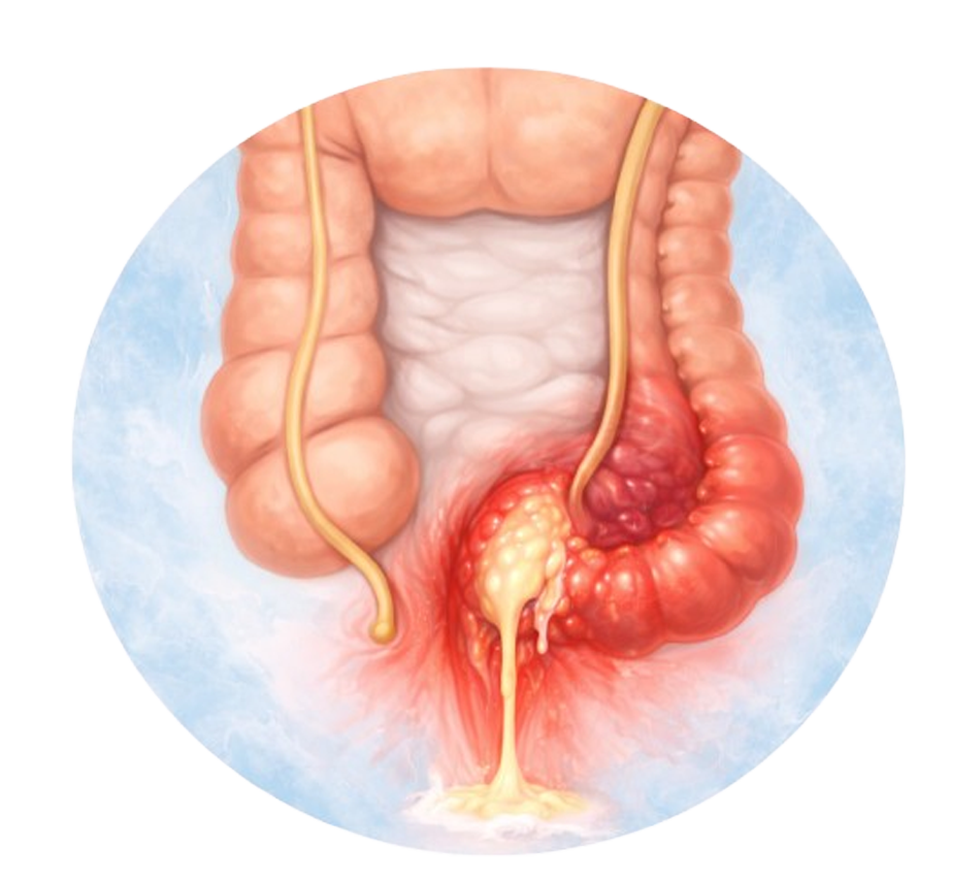
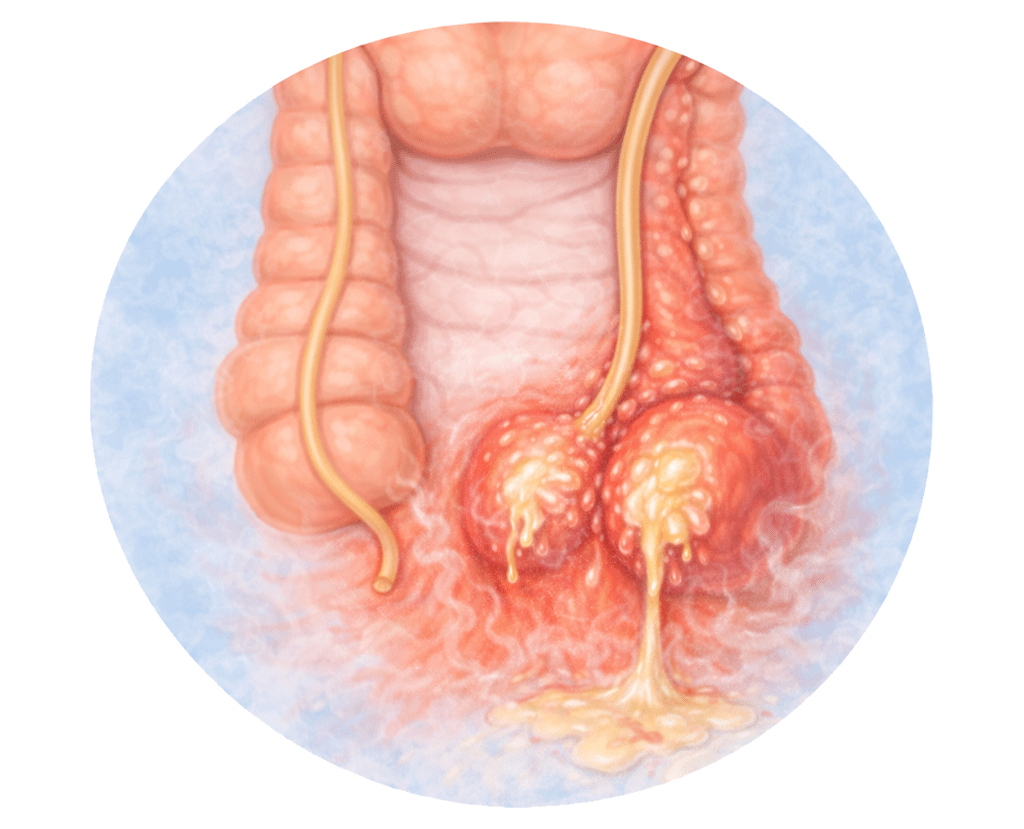
An anal fistula is an abnormal tunnel that forms between the anal canal and the skin near the anus. It usually develops following an infection or abscess in the anal glands. Anal fistulas may cause recurrent discharge and discomfort and generally require medical evaluation.
Management depends on the type of fistula, its complexity, and the involvement of surrounding structures.
Understanding Anal Fistula
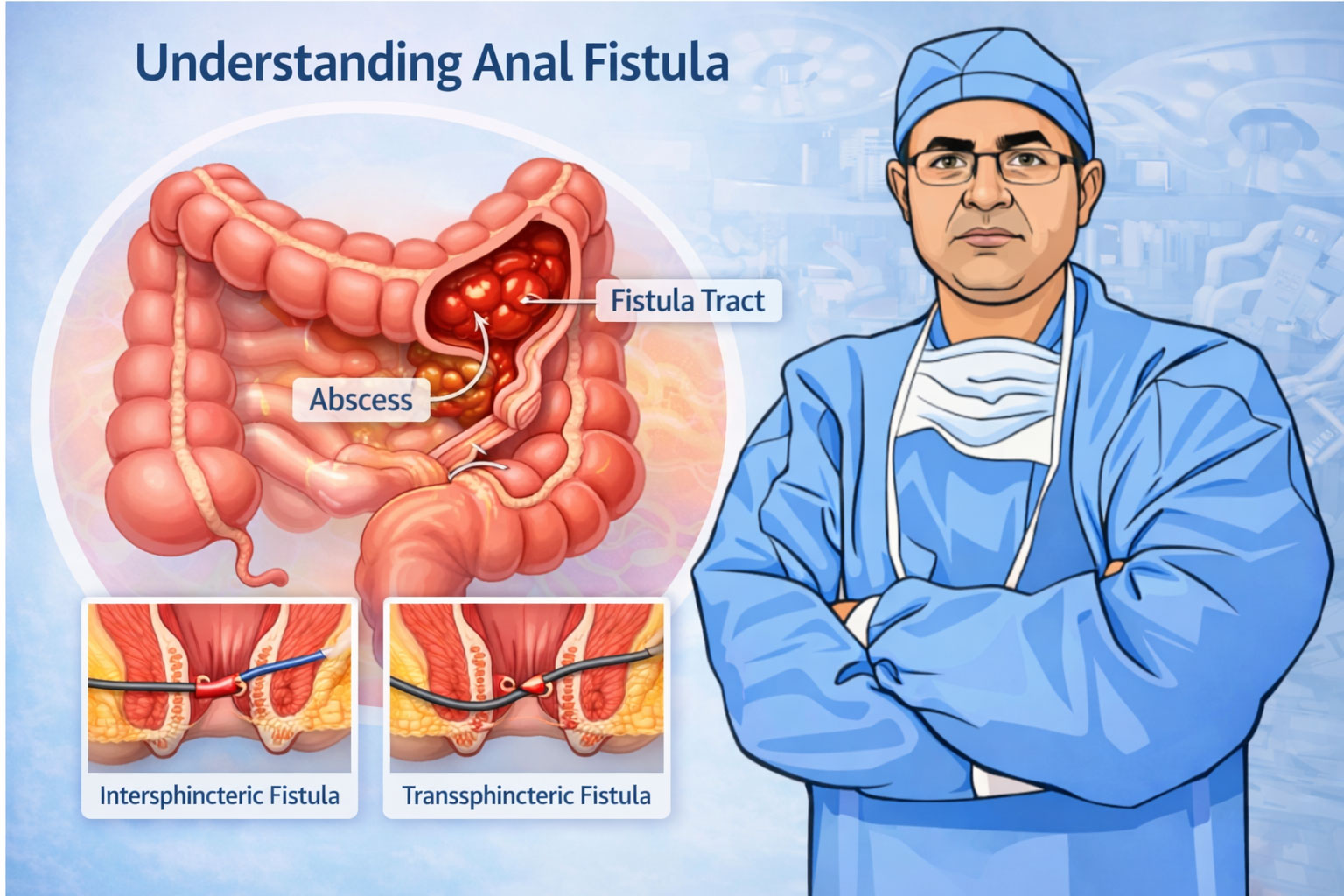
The anal canal contains small glands that can become infected. When an abscess forms and drains, either spontaneously or surgically, a persistent tract may remain, resulting in a fistula.
Anal fistulas may be classified based on their relationship to the anal sphincter muscles. This classification helps determine the appropriate treatment approach.
The nature and location of the obstruction influence the treatment approach.
Management of Anal Fistula
Unlike anal fissures, anal fistulas usually require procedural or surgical management. The objective of treatment is to eliminate the fistula tract while preserving anal sphincter function.
The treatment approach depends on:
- Type and complexity of the fistula
- Location of the internal opening
- Patient-specific clinical factors
These tests help determine the site, cause, and severity of the obstruction.
Common Symptoms
Symptoms of anal fistula may include:
Persistent or intermittent discharge of pus
Recurrent swelling near the anus
Pain or discomfort in the anal region
Skin irritation around the affected area
Symptoms may fluctuate but typically do not resolve permanently without treatment.
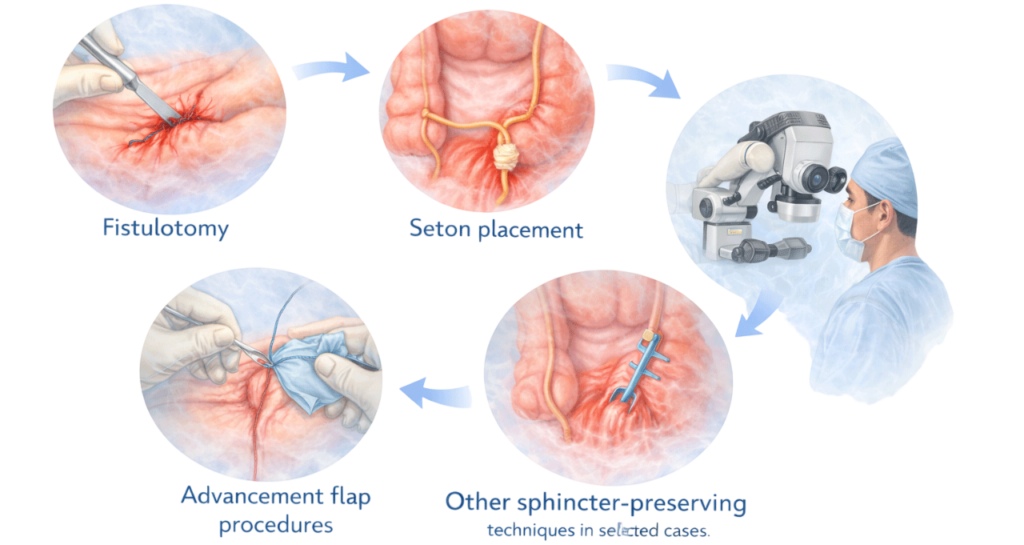
Surgical Options
Depending on clinical evaluation, procedures may include:
- Fistulotomy
- Seton placement
- Advancement flap procedures
- Other sphincter-preserving techniques in selected cases
The choice of procedure is determined after detailed assessment.
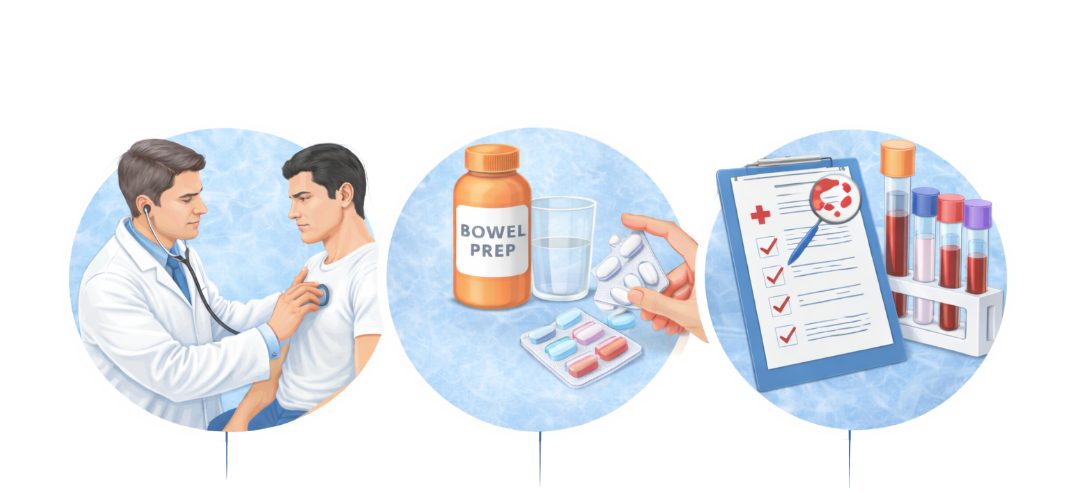
Pre-treatment Assessment
Before intervention, patients generally undergo:
Comprehensive clinical evaluation
Imaging studies when required
Review of medical history
Anesthesia fitness assessment
These steps assist in appropriate treatment planning
Post-treatment Care and Follow-Up
Post-procedure care may involve:
- Local wound care
- Pain management as advised
- Scheduled follow-up visits
- Monitoring for healing and recurrence
Recovery time varies depending on the type of procedure performed.
About the Author of This Information
Dr. Rajeev Kapoor is a practicing surgeon based in Mohali, Punjab. He provides clinical services in the field of gastrointestinal, colorectal, and general surgery. This website is intended for informational and educational purposes only.
Disclaimer
The information provided on this page is for general educational purposes only. It is not a substitute for professional medical advice, diagnosis, or treatment. Treatment decisions should be made after consultation with a qualified medical professional, based on individual clinical evaluation.