Gastrointestinal Bleed
Gastrointestinal bleeding refers to bleeding that occurs within the digestive tract. The digestive tract includes organs such as the esophagus, stomach, small intestine, large intestine, rectum, and anus. The severity of gastrointestinal bleeding can vary from mild to severe and may require prompt medical evaluation.
Gastrointestinal bleeding may occur due to a variety of underlying conditions affecting the digestive system. The source of bleeding can be located in either the upper or lower part of the gastrointestinal tract.
Management depends on the underlying cause, the severity of bleeding, and the overall condition of the patient. This page provides general information about gastrointestinal bleeding and its management.
Understanding Gastrointestinal Bleeding
The gastrointestinal tract is responsible for digestion and absorption of nutrients. Bleeding can occur when the lining of the digestive tract becomes damaged or inflamed.
Gastrointestinal bleeding may originate from different areas of the digestive system. It is generally categorized into:
Upper gastrointestinal bleeding, which originates from the esophagus, stomach, or upper part of the small intestine.
Lower gastrointestinal bleeding, which originates from the lower part of the small intestine, colon, rectum, or anus.
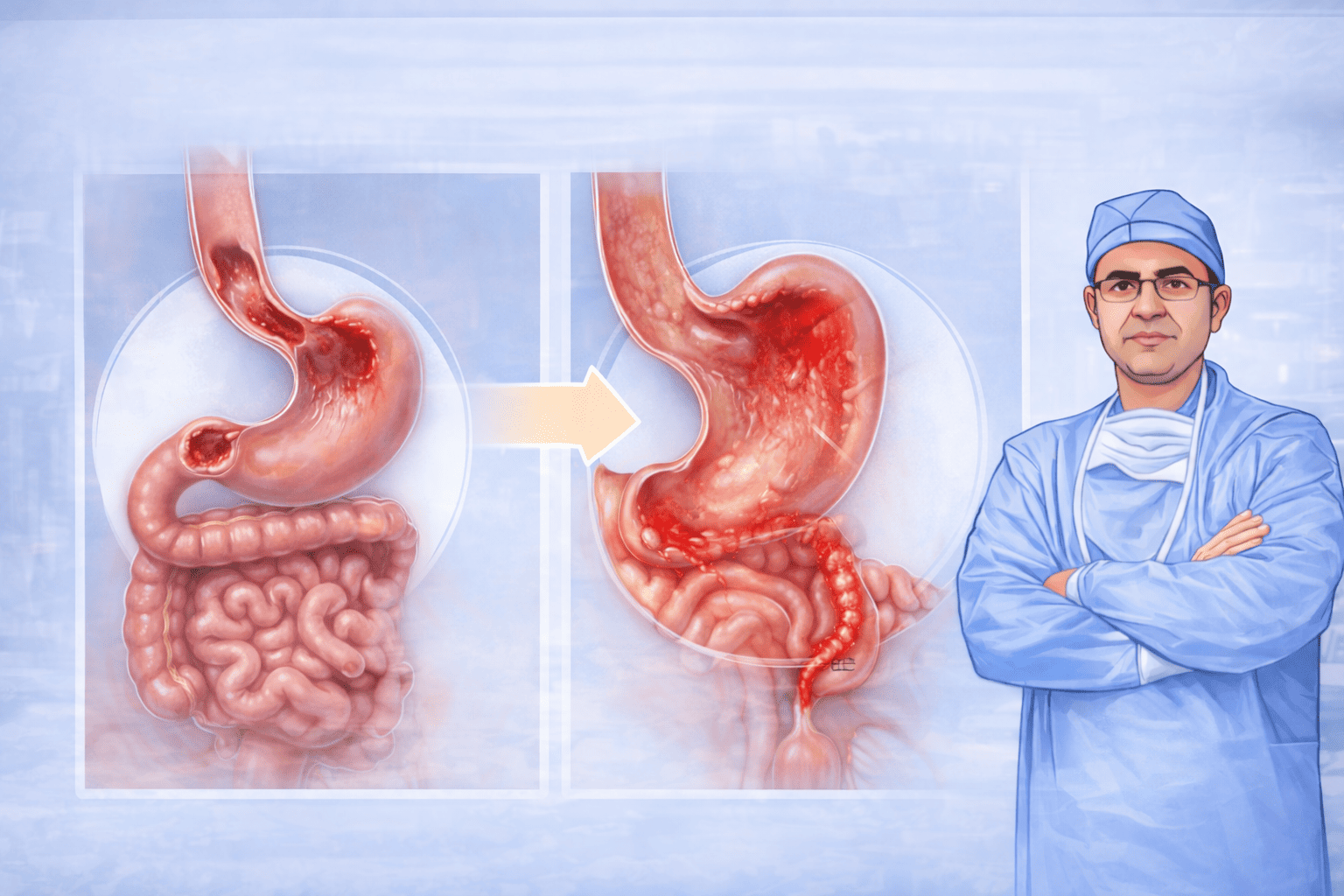
Identifying the source of bleeding is important for appropriate management.
Causes of Gastrointestinal Bleeding
Gastrointestinal bleeding may occur due to several medical conditions, including:
- Peptic ulcers
- Inflammation of the stomach lining (gastritis)
- Esophageal varices
- Diverticular disease
- Inflammatory bowel disease
- Hemorrhoids
- Polyps or tumors of the digestive tract
The underlying cause determines the type of treatment required.
Common Symptoms
Symptoms may vary depending on the location and severity of bleeding. Common symptoms may include:
Vomiting blood
Black or tarry stools
Weakness, dizziness, or fatigue
Abdominal pain or discomfort
In some cases, significant blood loss may require urgent medical attention.
Diagnosis of Gastrointestinal Bleeding
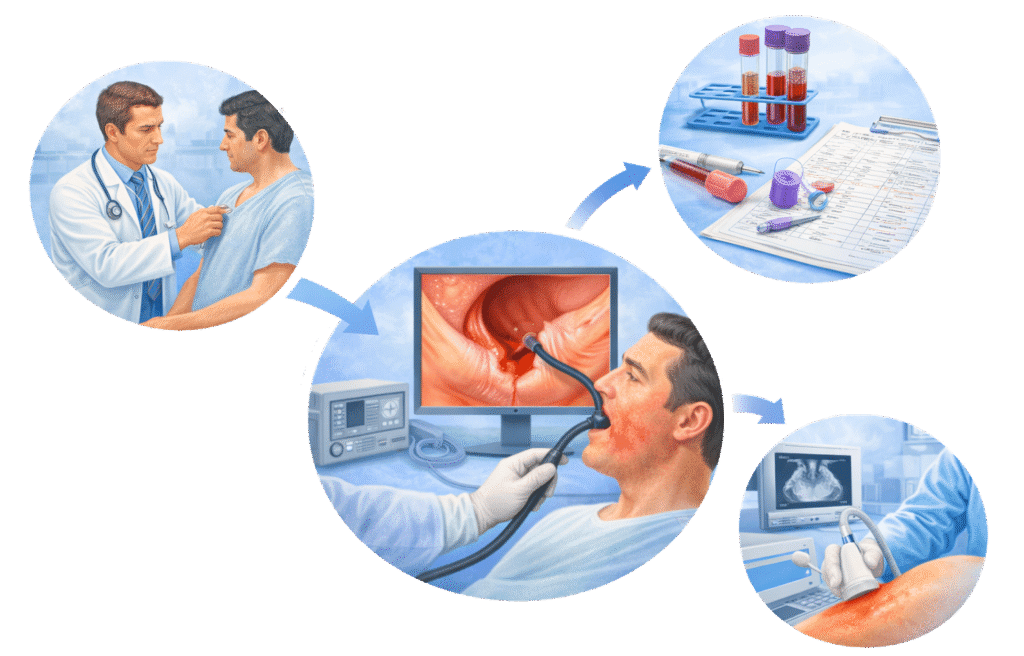
Diagnosis is based on clinical evaluation and diagnostic investigations, which may include:
- Clinical examination and medical history
- Blood tests to assess blood loss and overall health
- Endoscopic procedures such as upper gastrointestinal endoscopy or colonoscopy
- Imaging studies if required
These investigations help identify the location and cause of the bleeding.
Role of Treatment in Gastrointestinal Bleeding
Treatment focuses on controlling the bleeding and addressing the underlying cause. The treatment approach depends on several factors, including:
- Location of the bleeding source
- Severity of blood loss
- Underlying medical condition
- General health condition of the patient
Management may involve medical therapy, endoscopic procedures, or surgical intervention in selected cases.
Types of Treatment Approaches
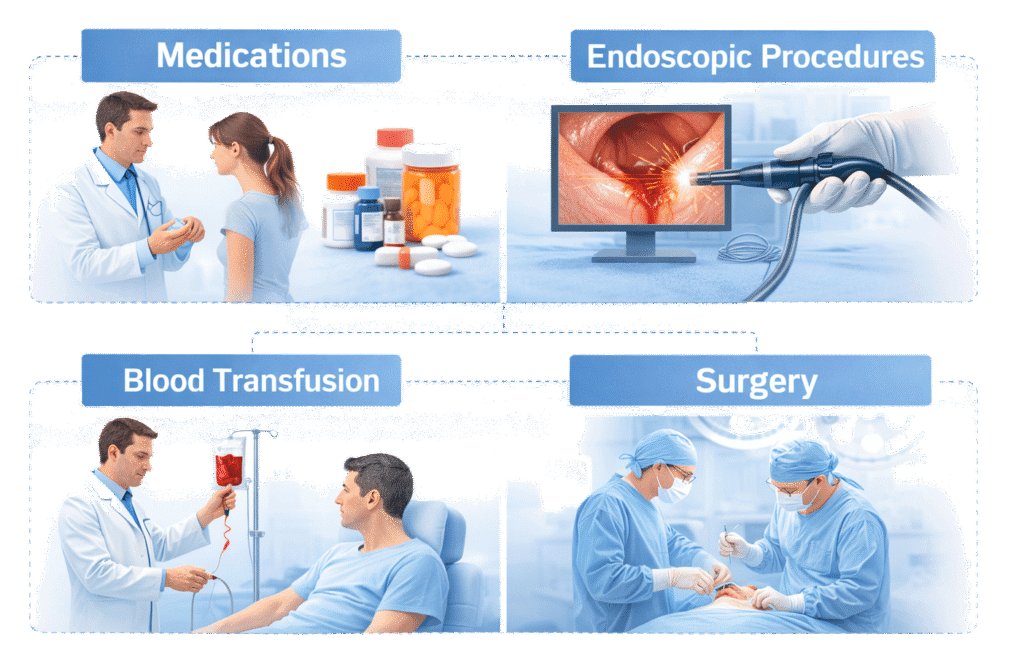
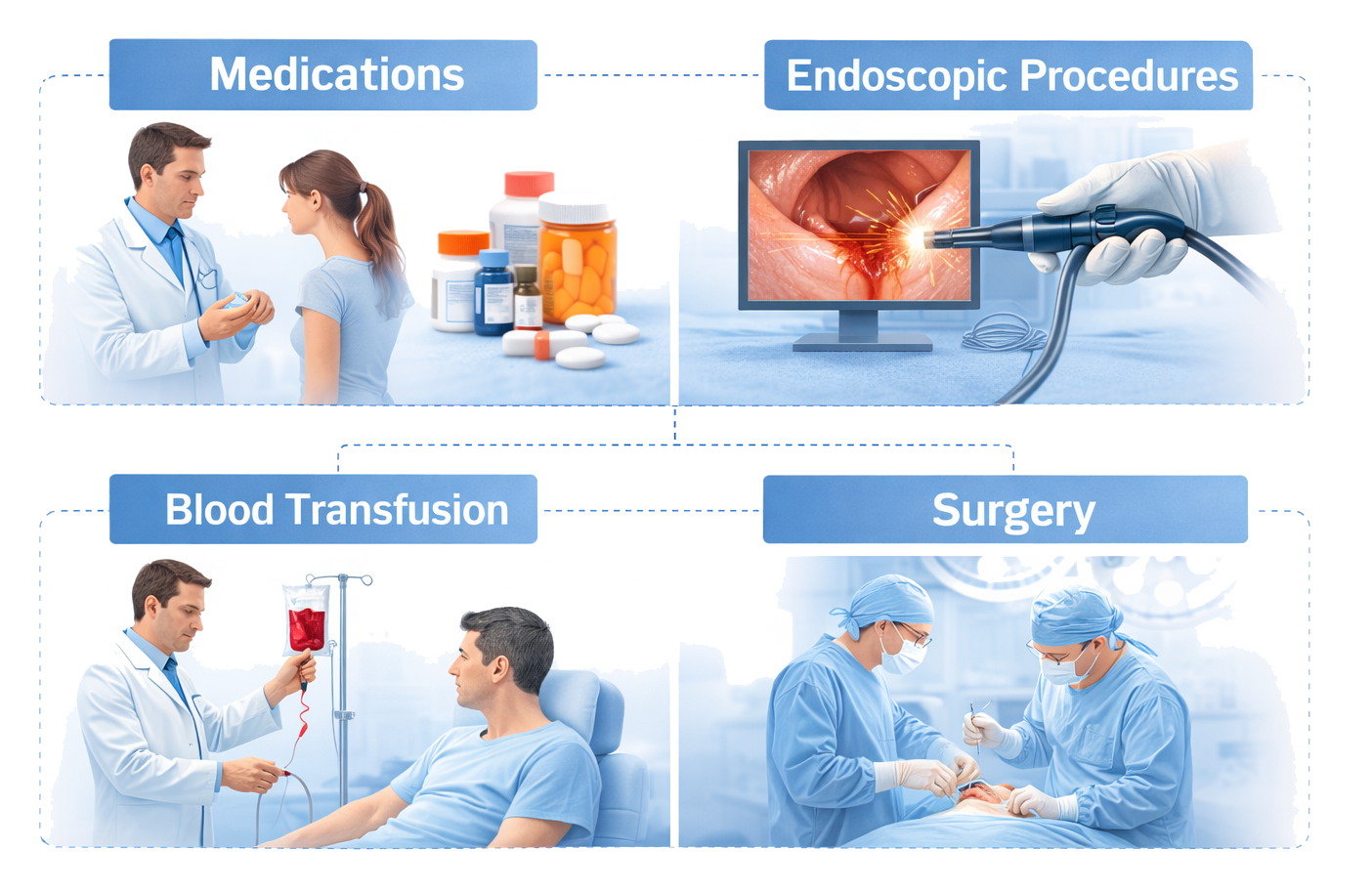
Based on clinical findings, treatment options may include:
- Medications to reduce stomach acid or control bleeding
- Endoscopic procedures to identify and treat the bleeding source
- Blood transfusion in cases of significant blood loss
- Surgical treatment in selected situations
The most appropriate treatment plan is determined after clinical evaluation by the treating healthcare team.
Pre-treatment Assessment
Before treatment, patients generally undergo:
- Clinical evaluation
- Laboratory investigations
- Endoscopic examination
- Assessment of overall medical condition
These assessments help guide appropriate treatment planning.
About the Author of This Information
Disclaimer