Inguinal Hernia

What is an Inguinal Hernia?

An inguinal hernia occurs when abdominal contents (such as intestine or fatty tissue) protrude through a weakened area in the lower abdominal wall, typically in the groin region. It is one of the most common types of hernia and is seen more frequently in men.

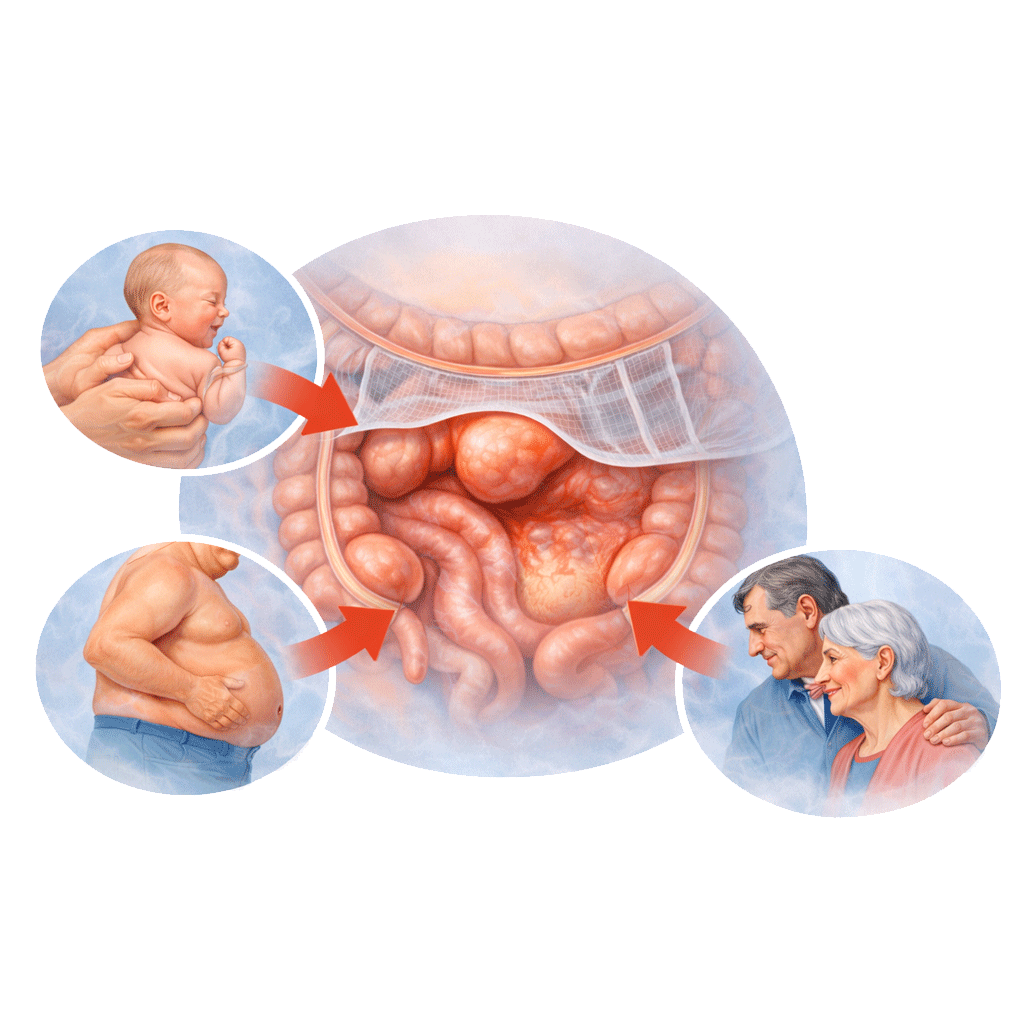
Causes and Risk Factors

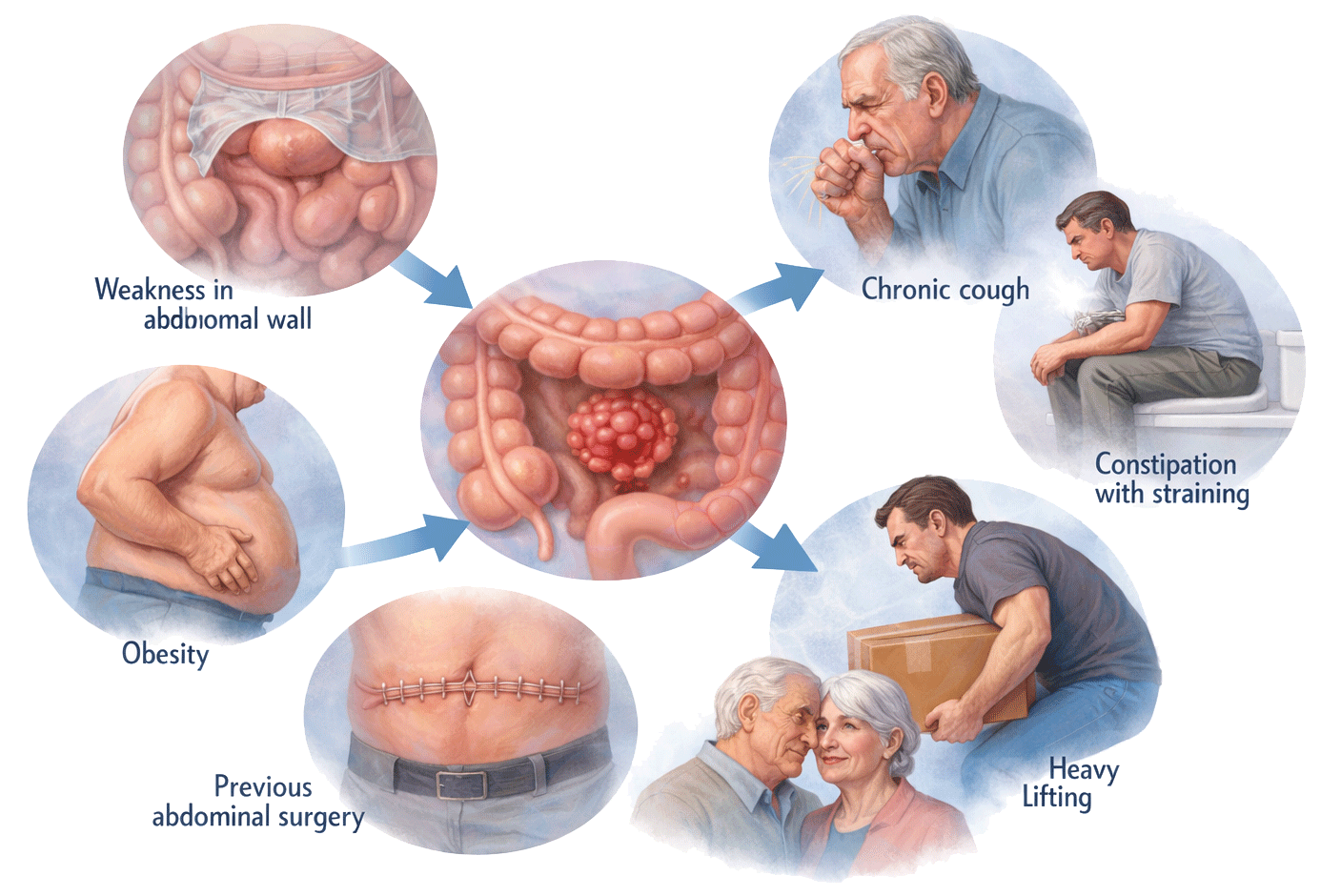
  • Weakness in the abdominal wall (congenital or acquired)
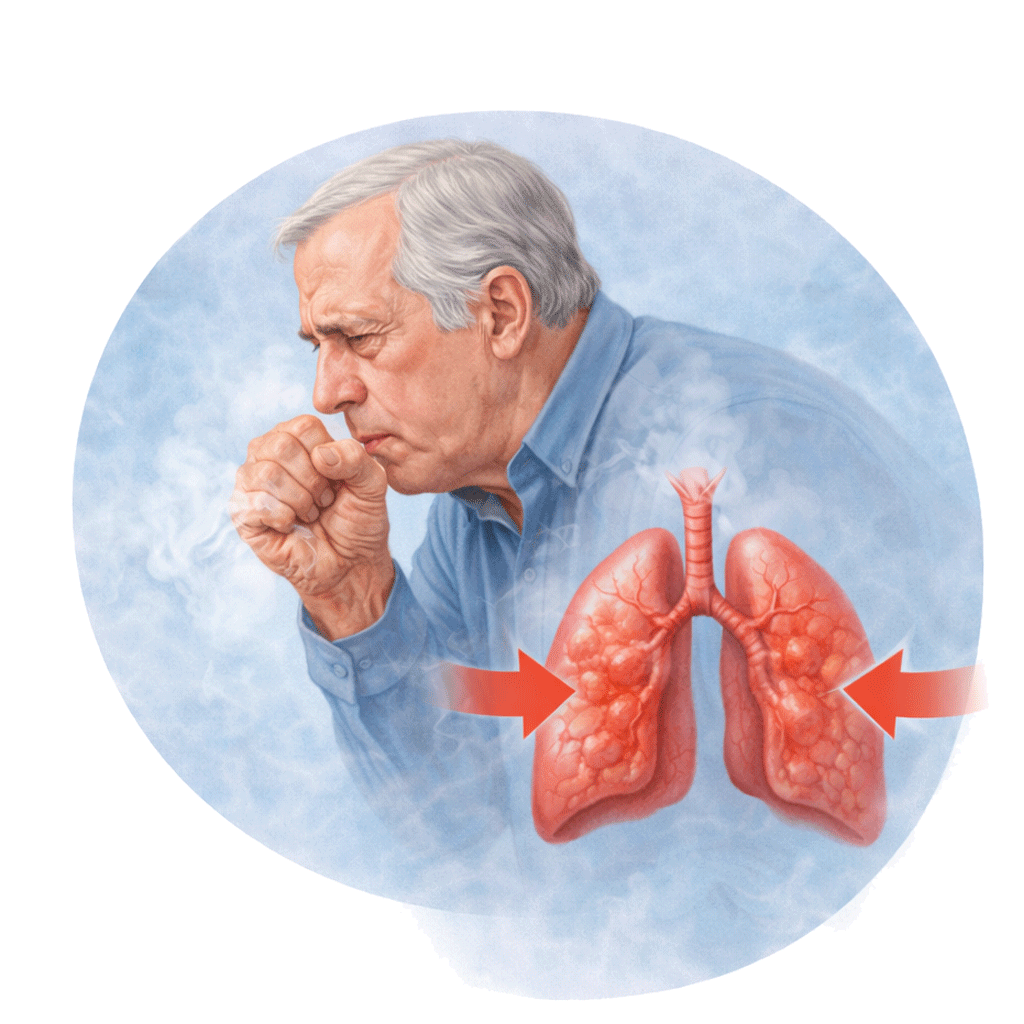
  • Chronic cough
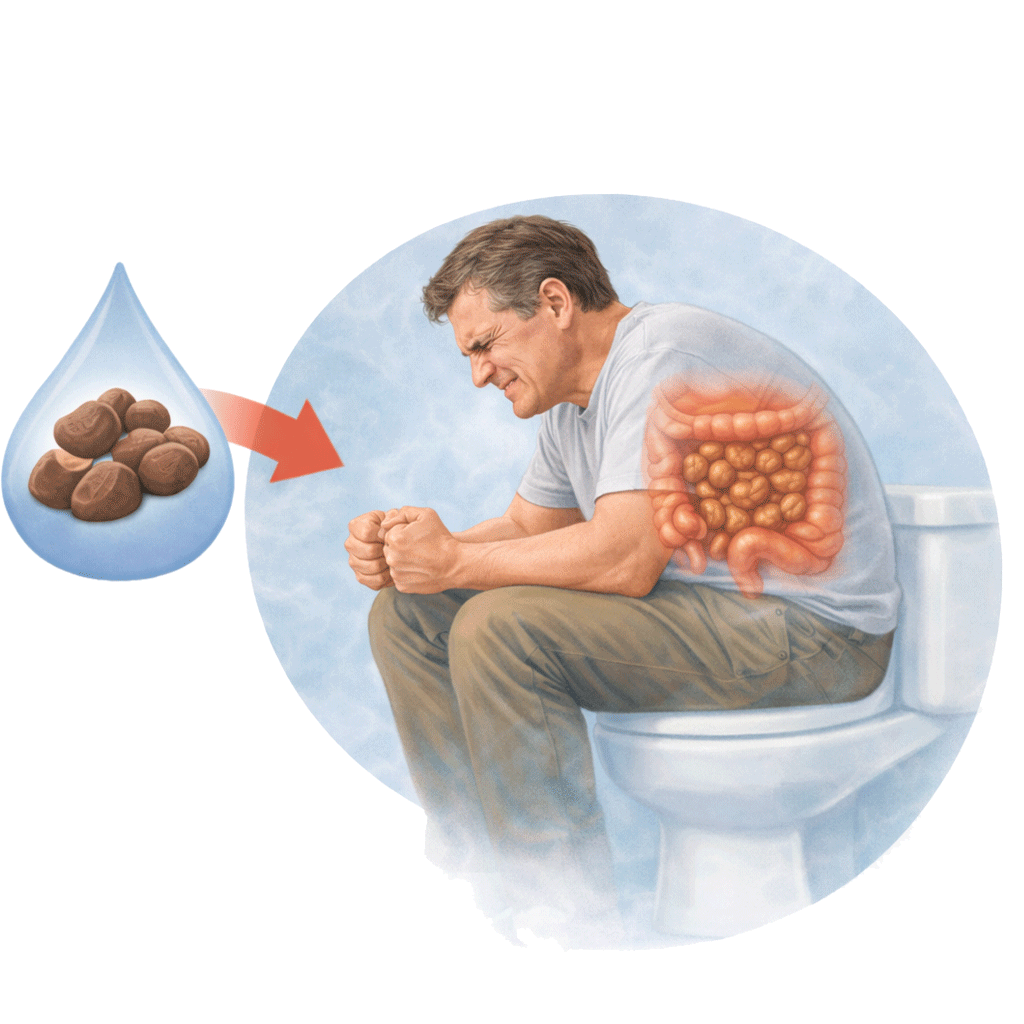
  • Constipation with straining
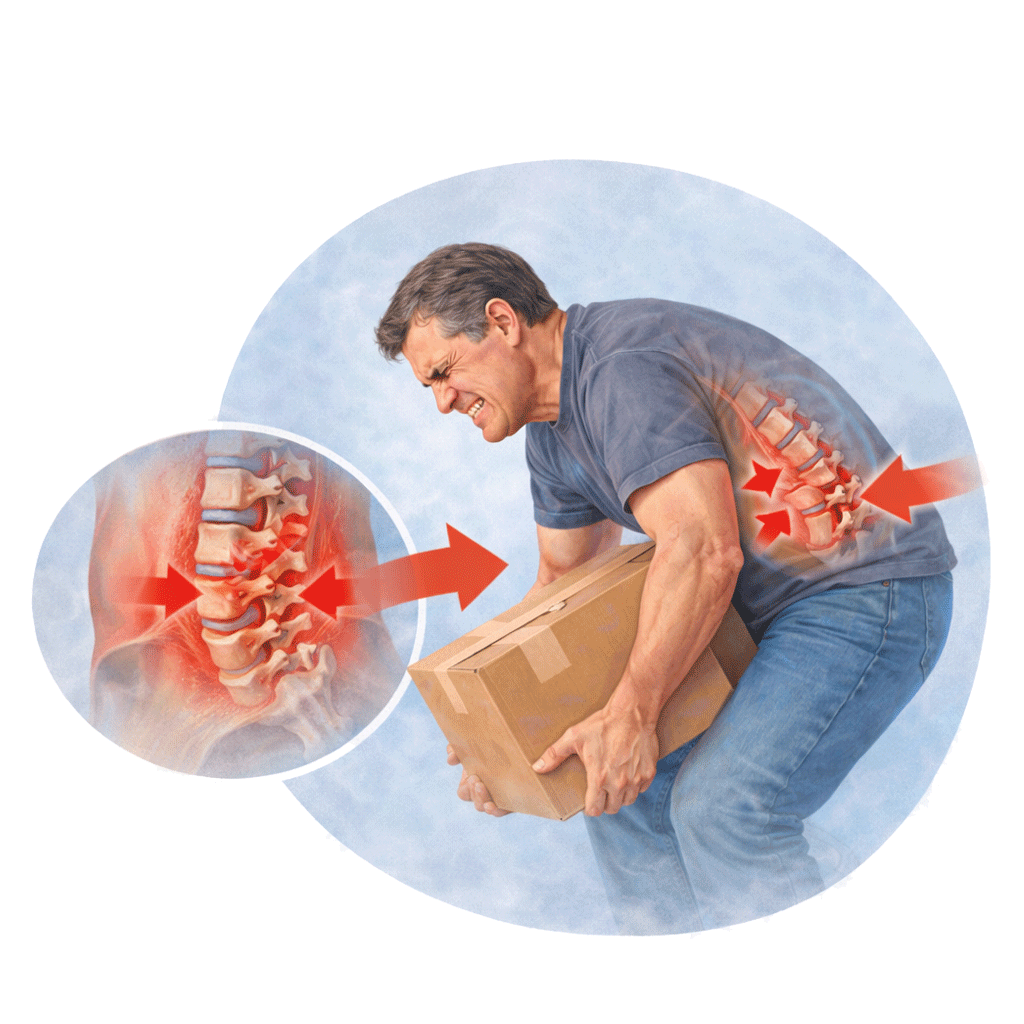
  • Heavy lifting
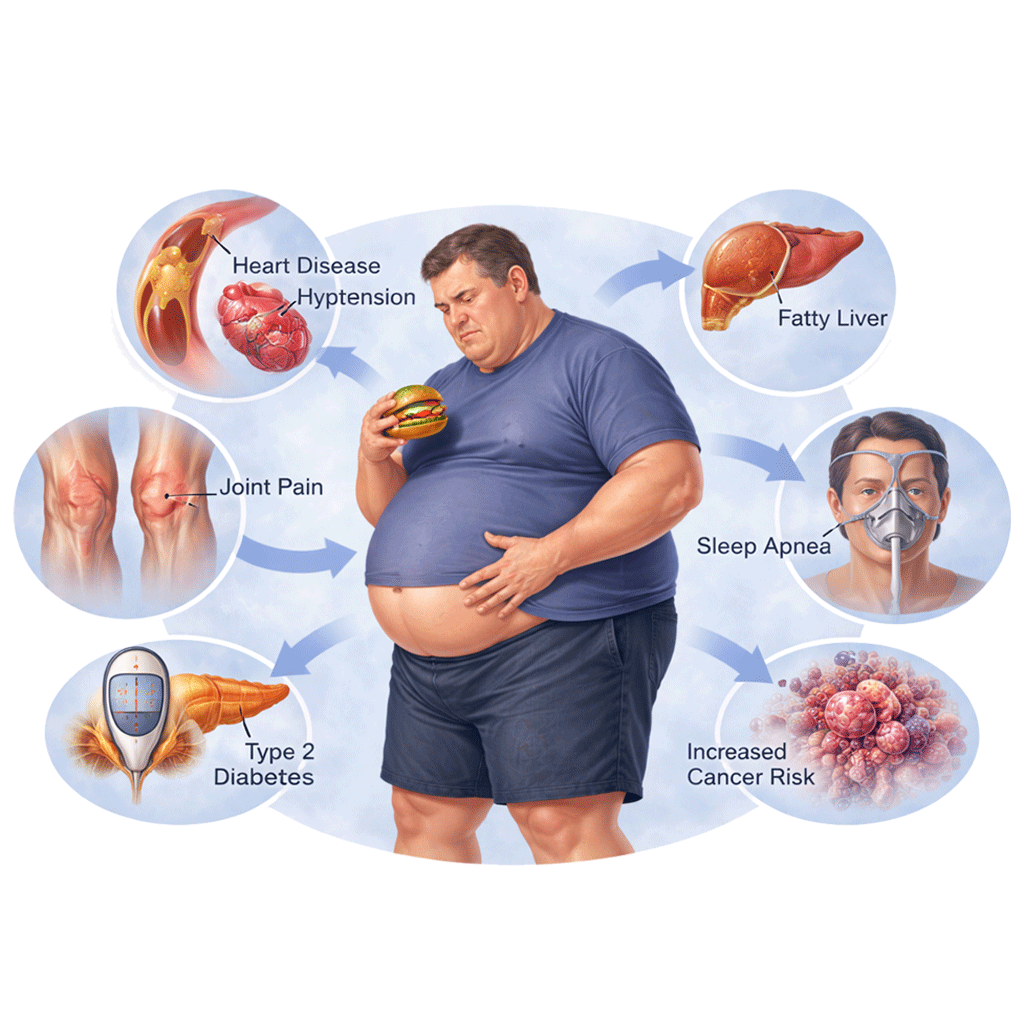
  • Obesity
  • Previous abdominal surgery
  • Advancing age

Causes and Risk Factors

Weakness in the abdominal wall (congenital or acquired)

Chronic cough

Constipation with straining

Heavy liftinga

Obesity

Previous abdominal surgery

Advancing age

Symptoms

  • Swelling or bulge in the groin, which may increase on coughing or straining
  • Dull aching pain or discomfort
  • Heaviness in the groin
  • In some cases, sudden severe pain (may indicate complication)
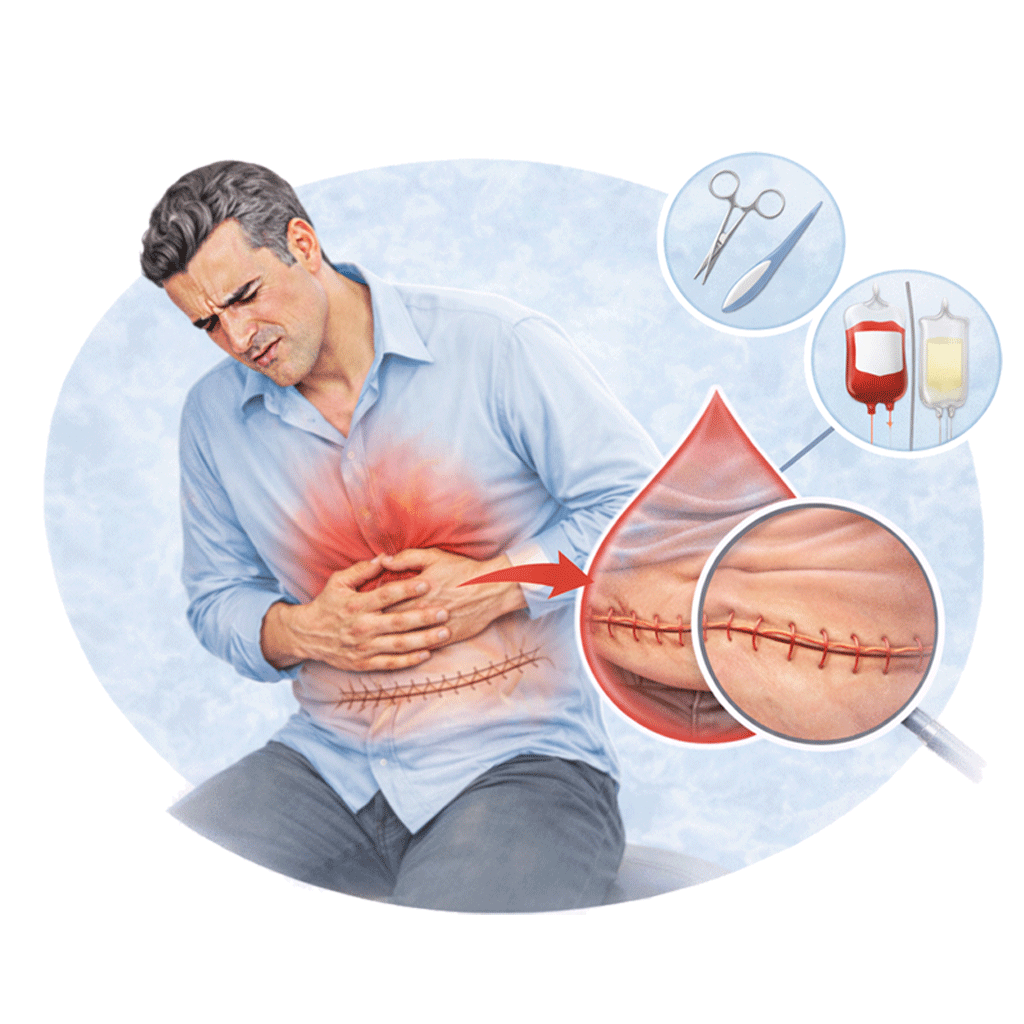
If the hernia becomes irreducible (cannot be pushed back) or painful, urgent medical attention is required.

Diagnosis

Diagnosis is primarily clinical, based on physical examination. Imaging such as ultrasound may be advised in selected cases.

Treatment

The definitive treatment for inguinal hernia is surgery. Options include:
  • Open Hernia Repair
  • Laparoscopic Hernia Repair
The choice of procedure depends on clinical findings, patient fitness, and surgeon’s assessment. Surgery usually involves reinforcement of the abdominal wall, often using mesh.

When to Seek Medical Care

Immediate consultation is required if there is:
  • Sudden severe pain
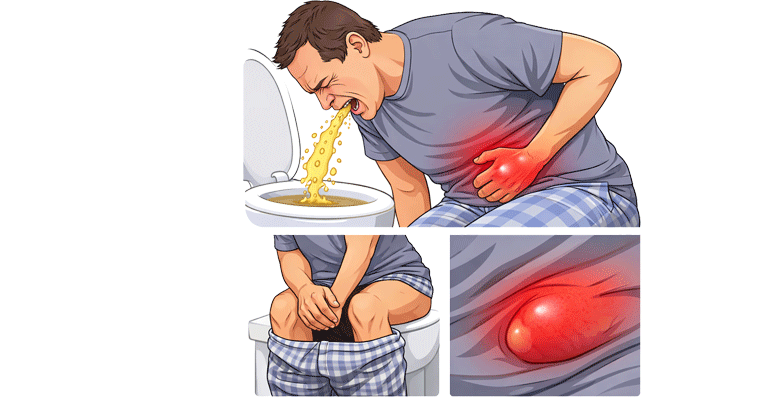
  • Nausea or vomiting
  • Redness over the swelling
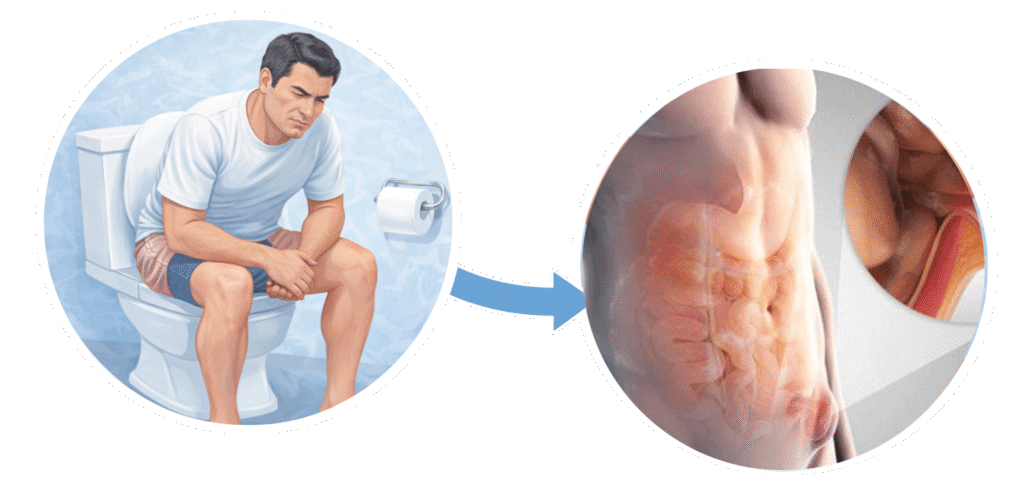
  • Inability to pass stools or gas
These may indicate strangulation, a surgical emergency.

About the Author of This Information

Dr. Rajeev Kapoor is a practicing surgeon based in Mohali, Punjab. He provides clinical services in the field of gastrointestinal, colorectal, and general surgery. This website is intended for informational and educational purposes only.

Disclaimer

The information provided on this page is for general educational purposes only. It is not a substitute for professional medical advice, diagnosis, or treatment. Treatment decisions should be made after consultation with a qualified medical professional, based on individual clinical evaluation.
Scroll to Top
Call Now Button