Ischiorectal Sarcoma Treatment in Chandigarh
What is Ischiorectal Sarcoma?
Ischiorectal sarcoma is a rare type of soft tissue cancer that develops in the ischiorectal fossa — a fat-filled space located near the anal canal and rectum. It falls under the broader category of Soft Tissue Sarcoma, which arises from connective tissues such as fat, muscle, nerves, or blood vessels.
Because of its deep location, the condition may remain unnoticed in early stages and is often diagnosed when symptoms become more noticeable.
Causes and Risk Factors
The exact cause is often unknown. However, certain factors may increase risk:
- Genetic predisposition
- Previous radiation therapy
- Exposure to certain chemicals
- Chronic inflammation in the pelvic region
Symptoms of Ischiorectal Sarcoma
Patients may experience:
- Persistent pain or discomfort in the anal or buttock region
- A palpable lump or swelling near the anus
- Difficulty sitting or walking
- Changes in bowel habits
- Unexplained weight loss (in advanced cases)
Early consultation with a qualified medical professional is essential for timely diagnosis.
Diagnosis
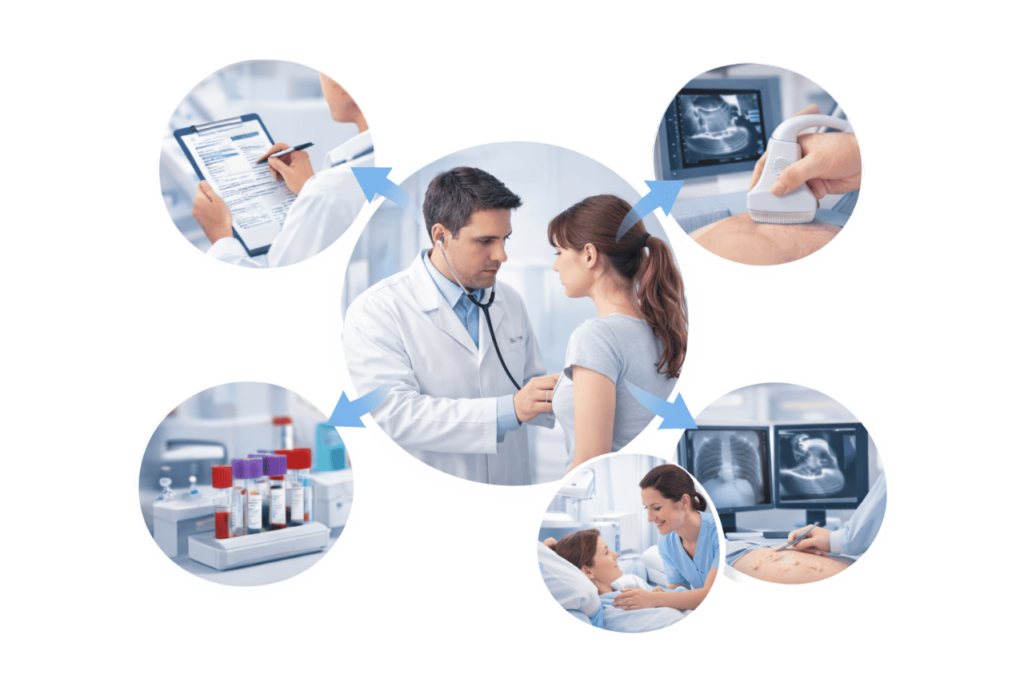
Diagnosis typically involves:
- Clinical examination
- Imaging tests such as MRI or CT scan
- Biopsy (definitive confirmation)
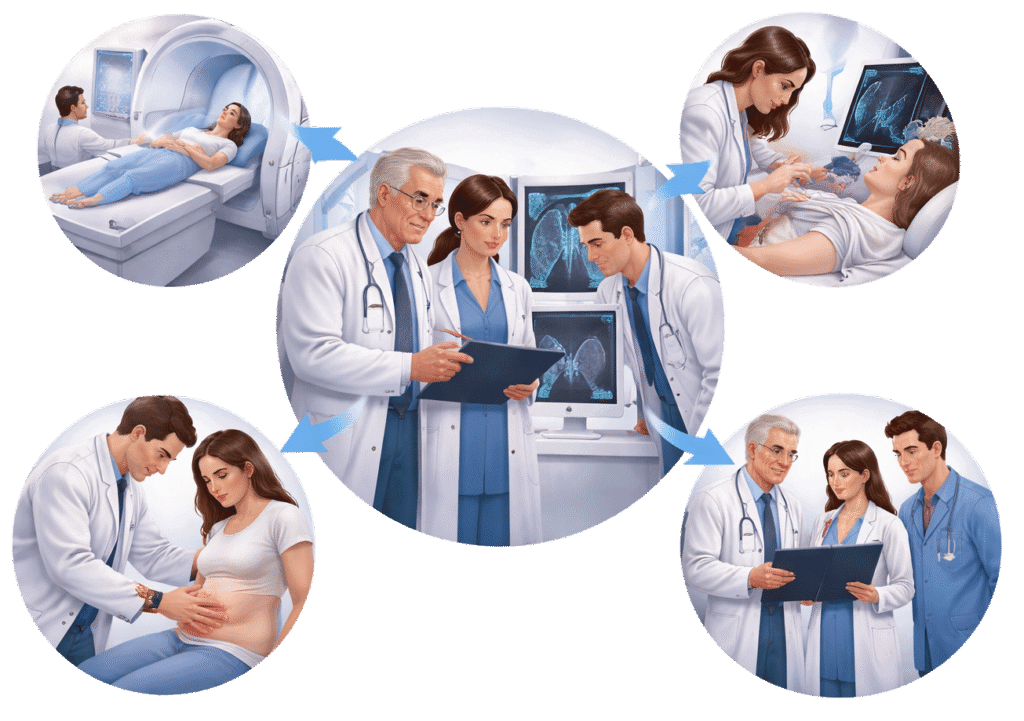
A multidisciplinary team including oncologists, radiologists, and surgeons is usually involved in diagnosis and treatment planning.
Treatment Options in Chandigarh
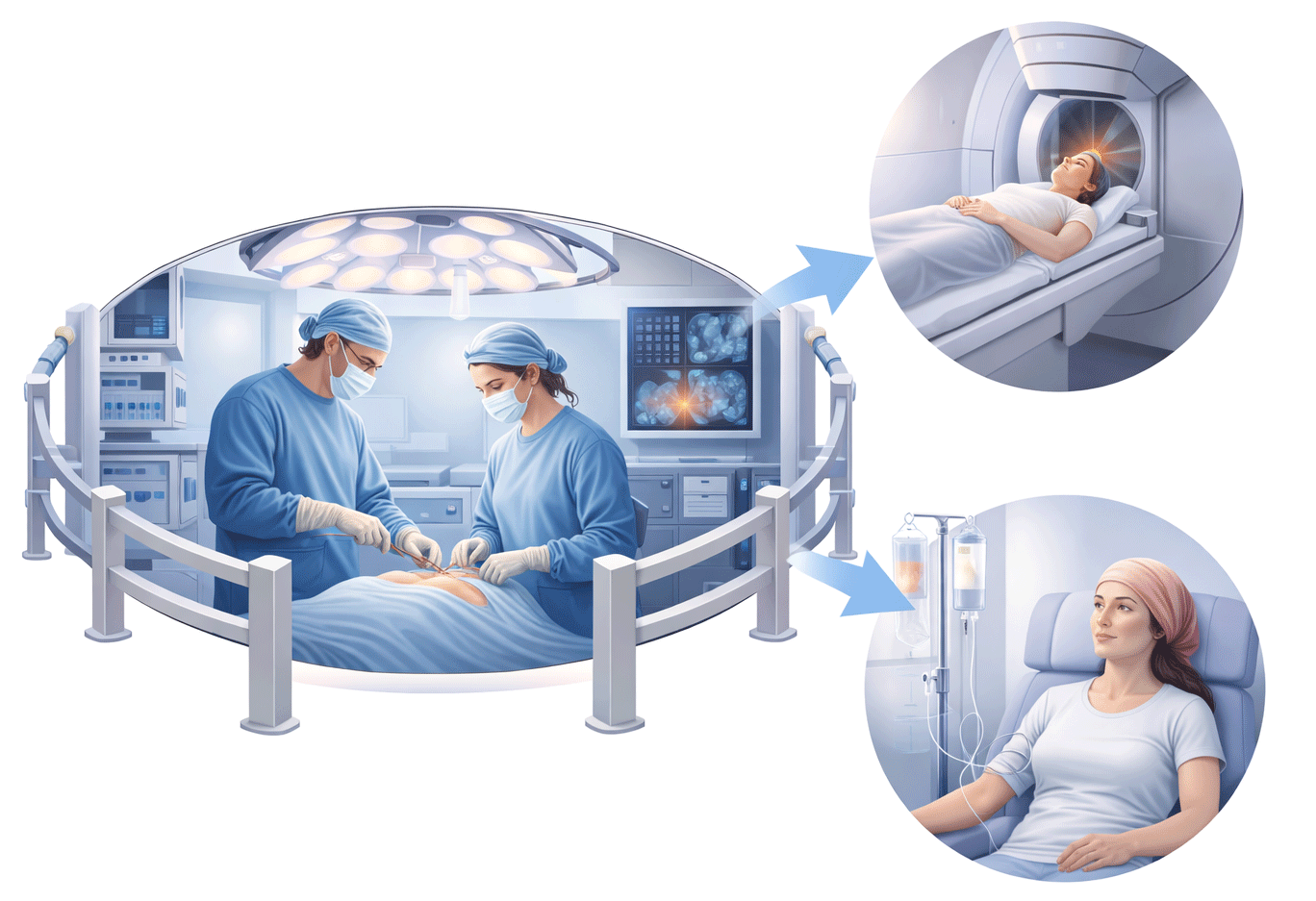
Treatment depends on tumor size, location, and stage. Options may include:
Surgery
Surgical removal of the tumor is the primary treatment whenever feasible. The goal is complete excision with clear margins.
Radiation Therapy
Radiotherapy may be used before or after surgery to reduce tumor size or prevent recurrence.
Chemotherapy
In certain cases, chemotherapy is recommended, especially if the cancer has spread or is aggressive.
Multidisciplinary Care Approach
Treatment of ischiorectal sarcoma requires a coordinated approach involving:
- Surgical oncologists
- Medical oncologists
- Radiation specialists
- Pathologists
Prognosis
The outcome depends on:
- Stage at diagnosis
- Tumor size and grade
- Completeness of surgical removal
Early detection significantly improves treatment outcomes.
About the Author of This Information
Dr. Rajeev Kapoor is a practicing surgeon based in Mohali, Punjab. He provides clinical services in the field of gastrointestinal, colorectal, and general surgery. This website is intended for informational and educational purposes only.
Disclaimer
The information provided on this page is for general educational purposes only. It is not a substitute for professional medical advice, diagnosis, or treatment. Treatment decisions should be made after consultation with a qualified medical professional, based on individual clinical evaluation.