Perianal Abscess Treatment in Mohali

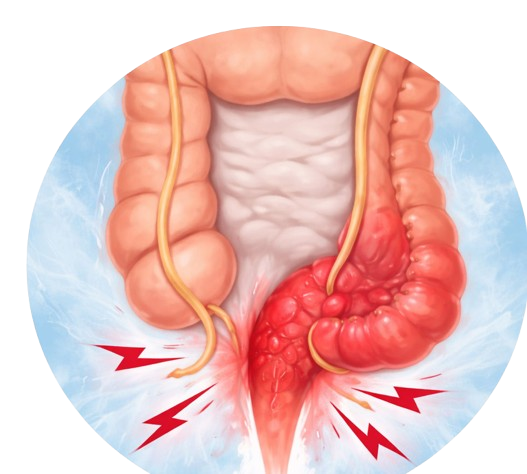
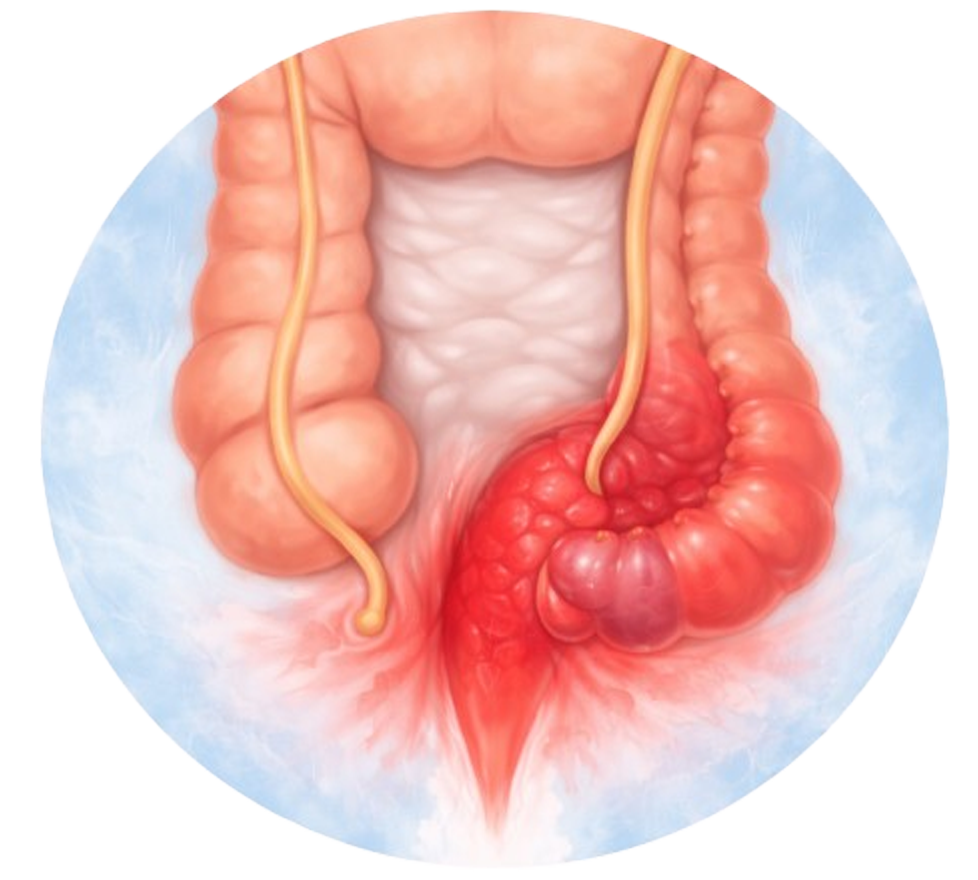
A perianal abscess is a localized collection of pus that develops near the anus, usually as a result of infection in the anal glands. It may cause pain, swelling, and discomfort and often requires medical evaluation.
Management depends on the size of the abscess, severity of infection, and overall clinical condition of the patient.

Understanding Perianal Abscess

Small glands located inside the anal canal can become blocked and infected. When infection progresses, it may lead to the formation of an abscess in the surrounding tissues.
Perianal abscesses may vary in depth and location, including:
  • Superficial perianal abscess
  • Ischiorectal abscess
  • Intersphincteric abscess
  • Supralevator abscess
The classification depends on the anatomical location of the infection.
Common Symptoms

Symptoms may include:

Severe pain in the anal region

Swelling or redness near the anus

Fever

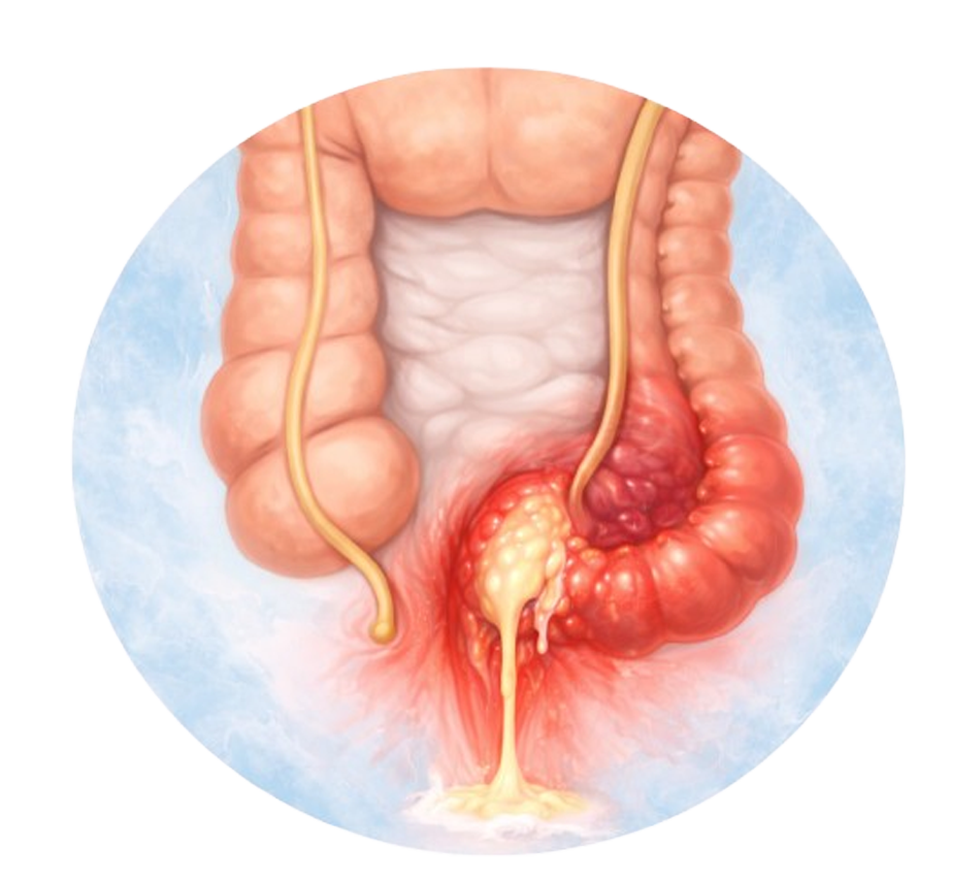
Pus discharge if the abscess drains spontaneously

Symptoms may develop over a short period and typically require prompt evaluation.

Management of Perianal Abscess

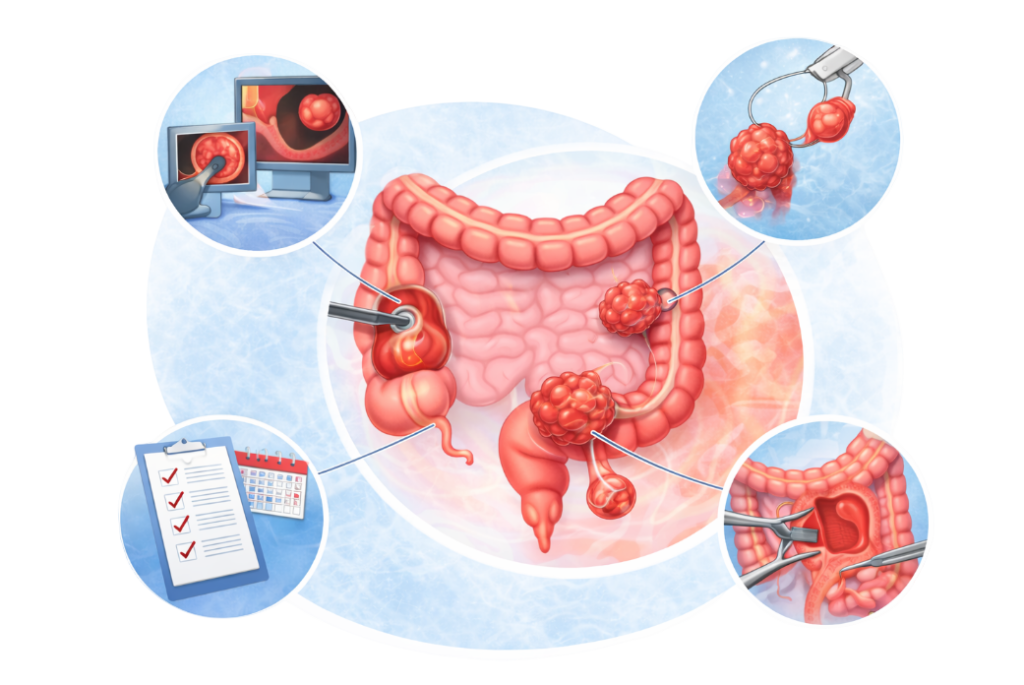
The primary treatment for a perianal abscess is drainage of the infected collection.
Management may include:
  • Incision and drainage under appropriate anesthesia
  • Antibiotic therapy when indicated
  • Pain management and supportive care
Antibiotics alone are generally not sufficient without drainage when a collection of pus is present.

Diagnosis

Diagnosis is usually based on:
  • Clinical history
  • Physical examination
  • Digital rectal examination
In deeper or complex cases, imaging such as ultrasound or MRI may be advised to determine the extent of infection.

Risk of Fistula Formation

In some cases, a perianal abscess may be associated with or followed by the development of an anal fistula. Follow-up evaluation is important to monitor for this possibility.

Pre-treatment Assessment

Before intervention, patients typically undergo:
  • Clinical evaluation
  • Review of medical history
  • Assessment of overall health status
  • Relevant laboratory investigations when required
These steps assist in safe treatment planning.

Post-treatment Care and Follow-Up

After drainage:
  • Wound care instructions are provided
  • Follow-up visits are scheduled
  • Monitoring for recurrence or fistula formation is advised
Recovery time varies depending on the size and depth of the abscess.

About the Author of This Information

Dr. Rajeev Kapoor is a practicing surgeon based in Mohali, Punjab. He provides clinical services in the field of gastrointestinal, colorectal, and general surgery. This website is intended for informational and educational purposes only.

Disclaimer

The information provided on this page is for general educational purposes only. It is not a substitute for professional medical advice, diagnosis, or treatment. Treatment decisions should be made after consultation with a qualified medical professional, based on individual clinical evaluation.
Scroll to Top
Call Now Button