Pilonidal Disease Treatment in Mohali

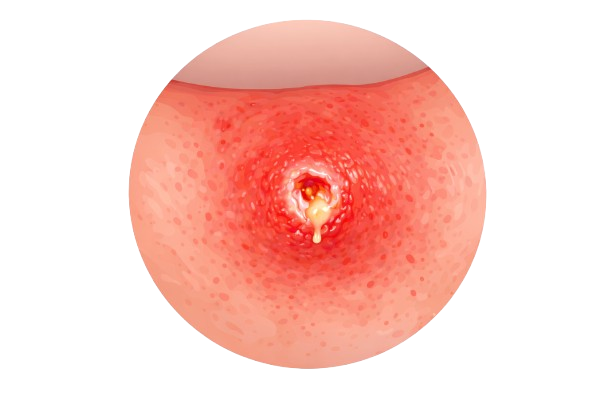
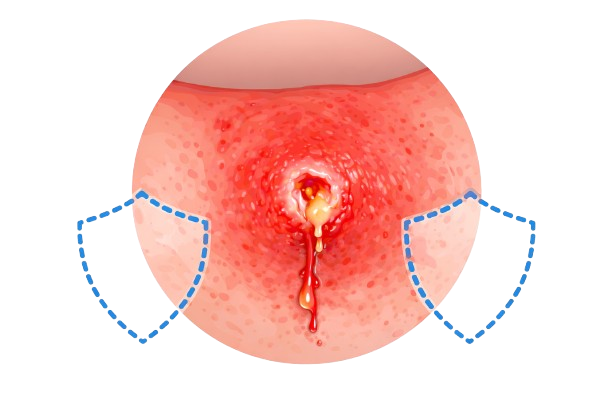
Pilonidal disease is a condition affecting the skin and subcutaneous tissue near the tailbone, typically in the cleft between the buttocks. It may present as a cyst, sinus, or abscess and can cause pain, swelling, and discharge.
Management depends on the severity of symptoms, presence of infection, and recurrence pattern.
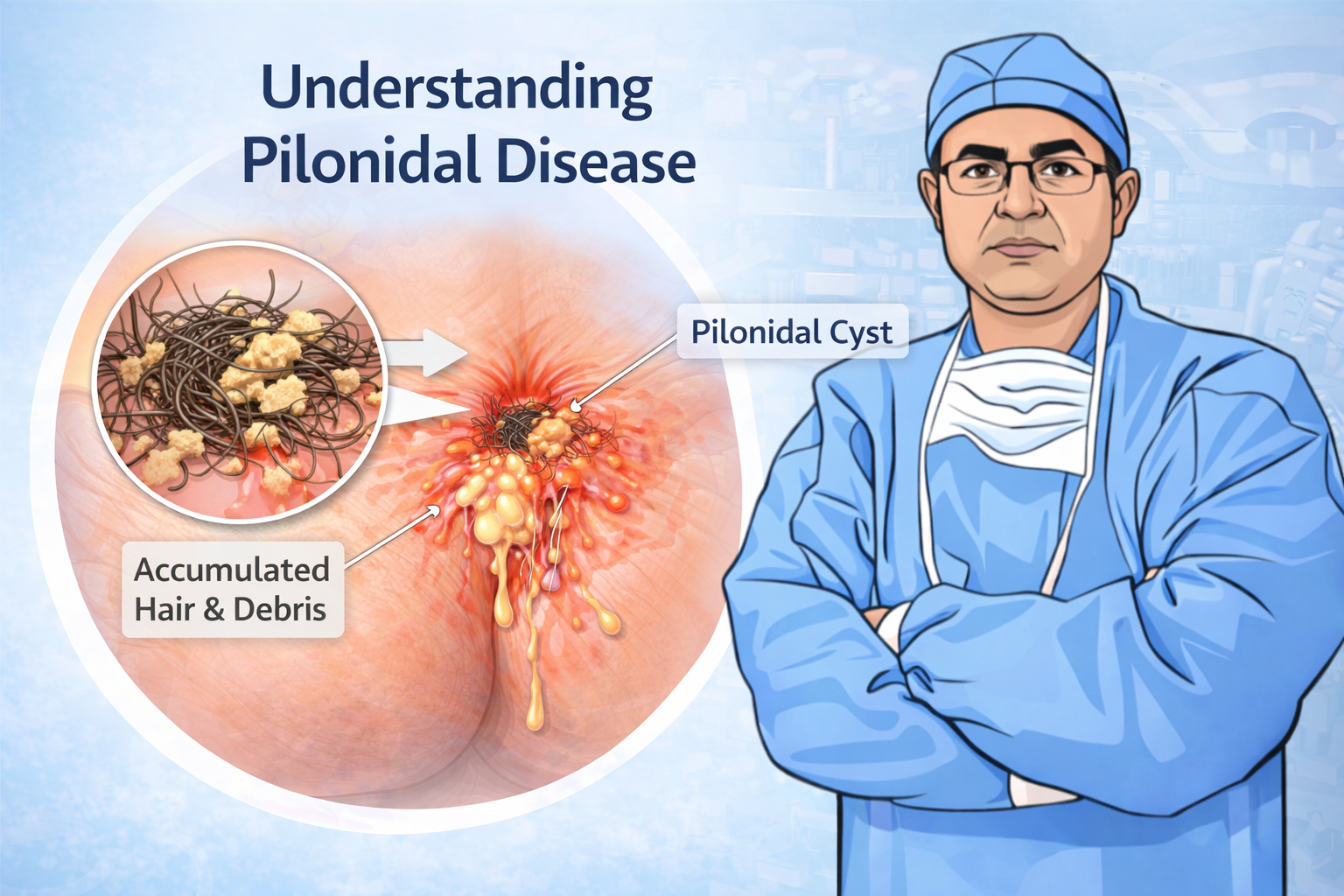

Understanding Pilonidal Disease

Pilonidal disease usually develops when hair and debris become trapped beneath the skin, leading to inflammation or infection. It is more commonly seen in young adults and may be associated with prolonged sitting, friction, or local irritation.
The condition may present as:
  • Pilonidal cyst (fluid-filled cavity)
  • Pilonidal abscess (infected swelling)
  • Pilonidal sinus (chronic tract with discharge)

Management of Pilonidal Disease

Treatment depends on whether the condition is acute or chronic.

Conservative Management

In mild or early cases:
  • Local hygiene measures
  • Hair removal in the affected area
  • Observation and monitoring

Management of Abscess

If an abscess is present:
  • Incision and drainage may be required
  • Antibiotics may be prescribed when indicated

Common Symptoms

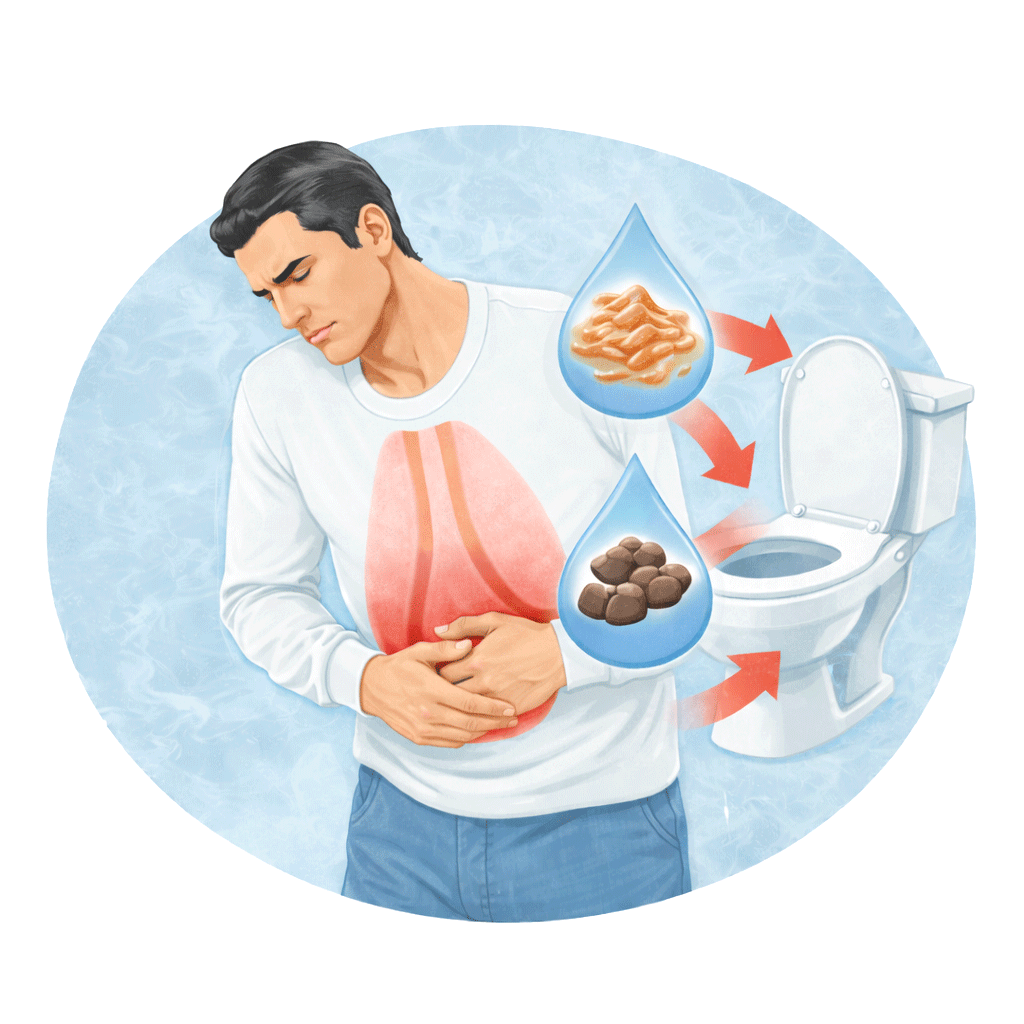
Symptoms may include:

Pain or tenderness near the tailbone

Swelling or redness in the affected area

Pus or blood-stained discharge

Recurrent episodes of infection

In acute cases, fever may be present.

Diagnosis

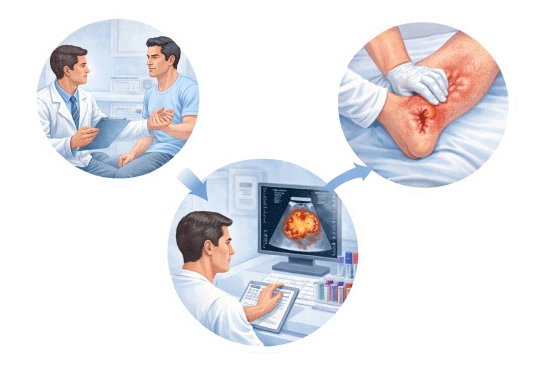
Diagnosis is usually based on:
  • Clinical history
  • Physical examination of the affected area
Further investigations are rarely required unless the presentation is atypical.

Role of Surgery

Surgical management may be considered in:
  • Recurrent pilonidal disease
  • Persistent sinus formation
  • Chronic discharge
  • Failure of conservative treatment
The objective of surgery is to remove the diseased tissue and reduce recurrence risk while promoting wound healing.

Types of Surgical Procedures

Depending on clinical findings, options may include:
Excision with primary closure
Excision with healing by secondary intention
Flap procedures in selected recurrent or complex cases
The choice of procedure is determined after clinical evaluation.

Pre-treatment Assessment

Before surgical intervention, patients generally undergo:
  • Clinical evaluation
  • Review of medical history
  • Anesthesia fitness assessment
These steps assist in safe procedural planning.

Post-treatment Care and Follow-Up

Post-treatment care may involve
  • Wound care instructions
  • Monitoring for healing
  • Advice on hygiene and hair control
  • Scheduled follow-up visits
Recovery varies depending on the procedure performed.

About the Author of This Information

Dr. Rajeev Kapoor is a practicing surgeon based in Mohali, Punjab. He provides clinical services in the field of gastrointestinal, colorectal, and general surgery. This website is intended for informational and educational purposes only.

Disclaimer

The information provided on this page is for general educational purposes only. It is not a substitute for professional medical advice, diagnosis, or treatment. Treatment decisions should be made after consultation with a qualified medical professional, based on individual clinical evaluation.
Scroll to Top
Call Now Button