Radiation Proctitis Management in Mohali

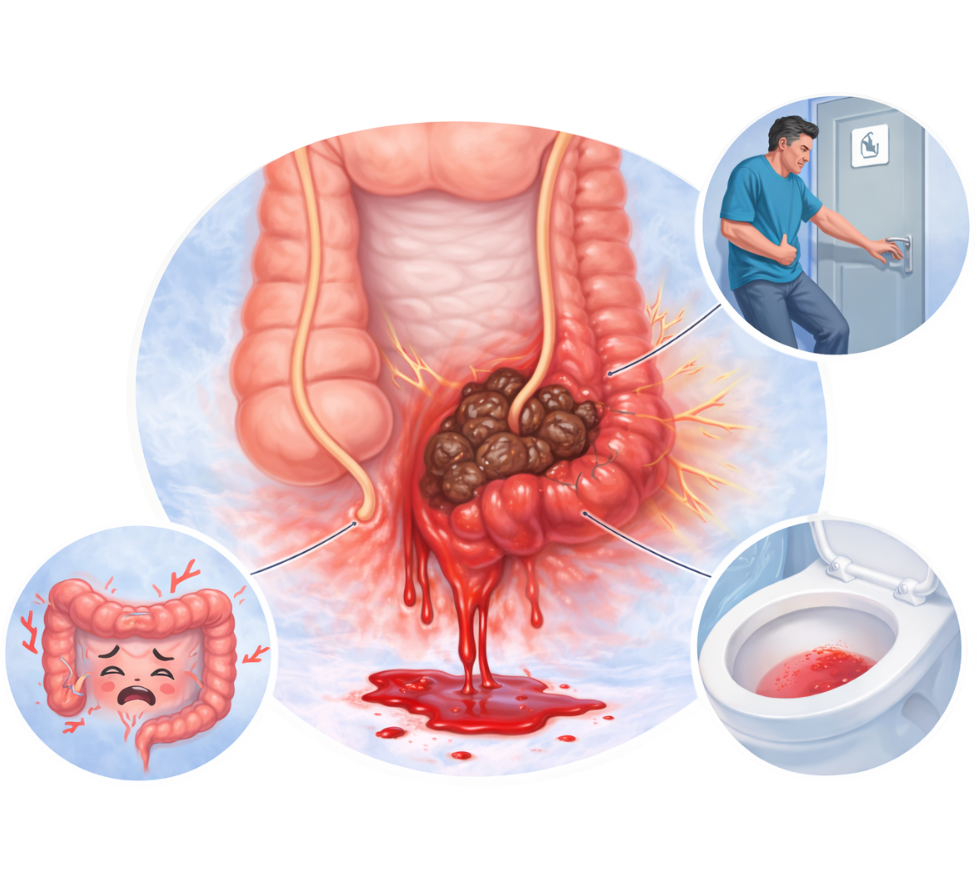
Radiation proctitis is inflammation of the rectal lining that occurs as a result of radiation therapy, most commonly administered for cancers of the pelvis such as prostate, rectal, cervical, or uterine cancer. Symptoms may develop during radiation treatment or months to years after therapy.
Management depends on symptom severity, duration, and the extent of rectal involvement.

Understanding Radiation Proctitis

Radiation therapy may affect healthy rectal tissue while targeting nearby cancerous tissue. This can lead to irritation, inflammation, and in some cases, chronic changes in the rectal lining.
Radiation proctitis is generally classified as:
  • Acute radiation proctitis – Occurs during or shortly after radiation therapy
  • Chronic radiation proctitis – Develops months or years after completion of radiation
The clinical course varies among individuals.
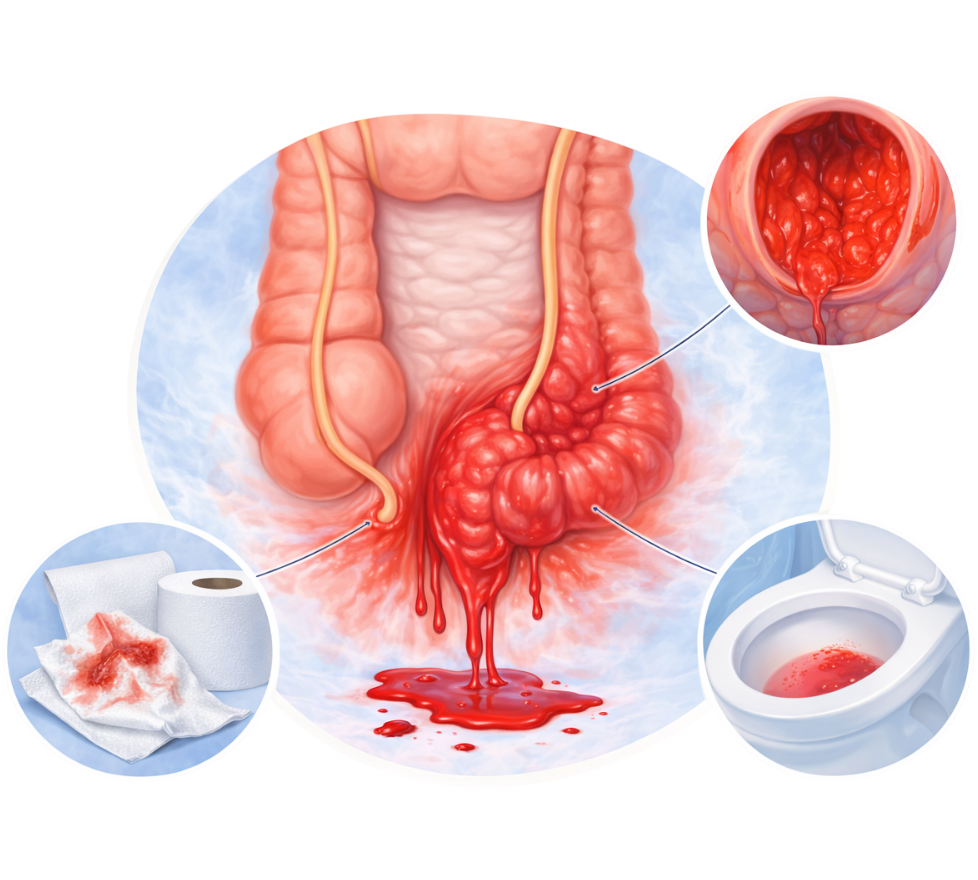
Common Symptoms

Symptoms may include:

Rectal bleeding

Urgency to pass stools

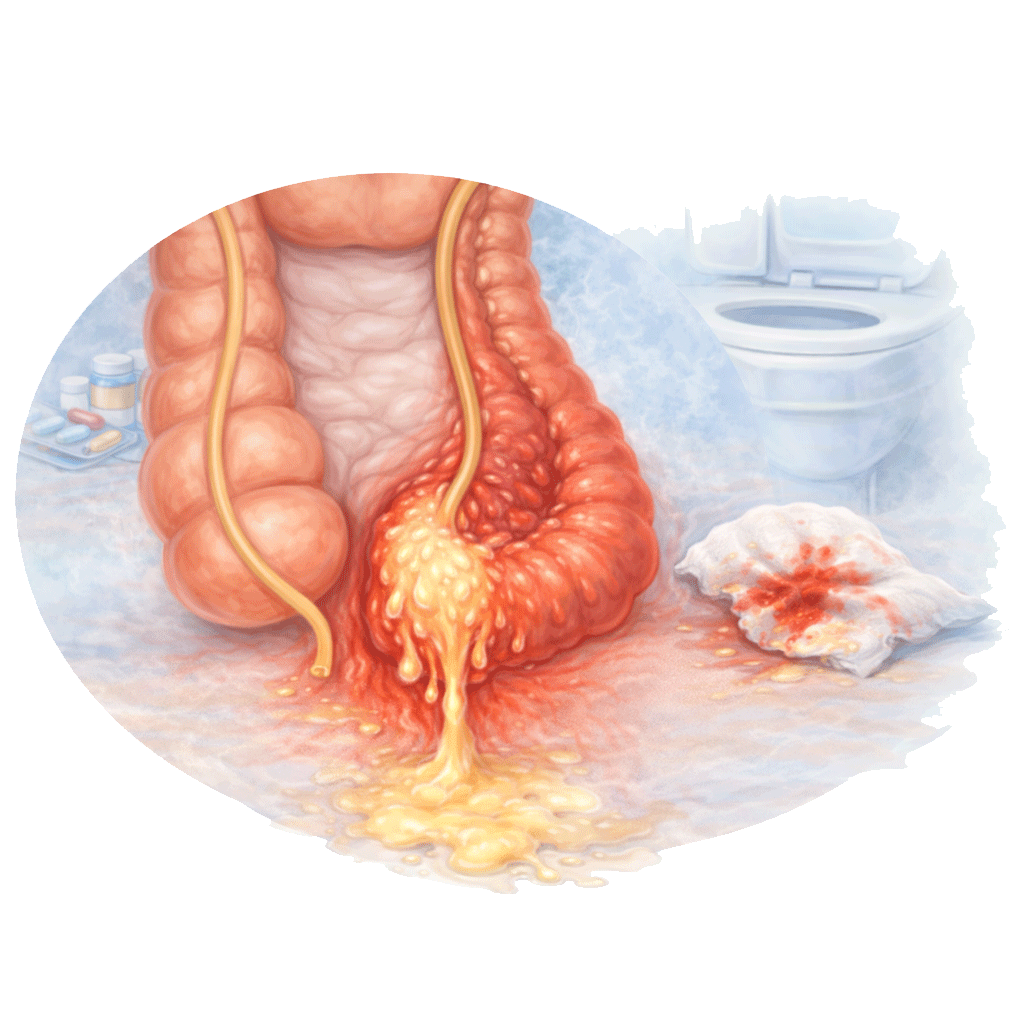
Diarrhea

Mucus discharge

In chronic cases, symptoms may be intermittent and vary in intensity.

Diagnosis

Diagnosis is based on:
  • Clinical history, including prior radiation therapy
  • Physical examination
  • Proctoscopy or colonoscopy
  • Biopsy in selected cases
Investigations help confirm the diagnosis and exclude other rectal conditions.

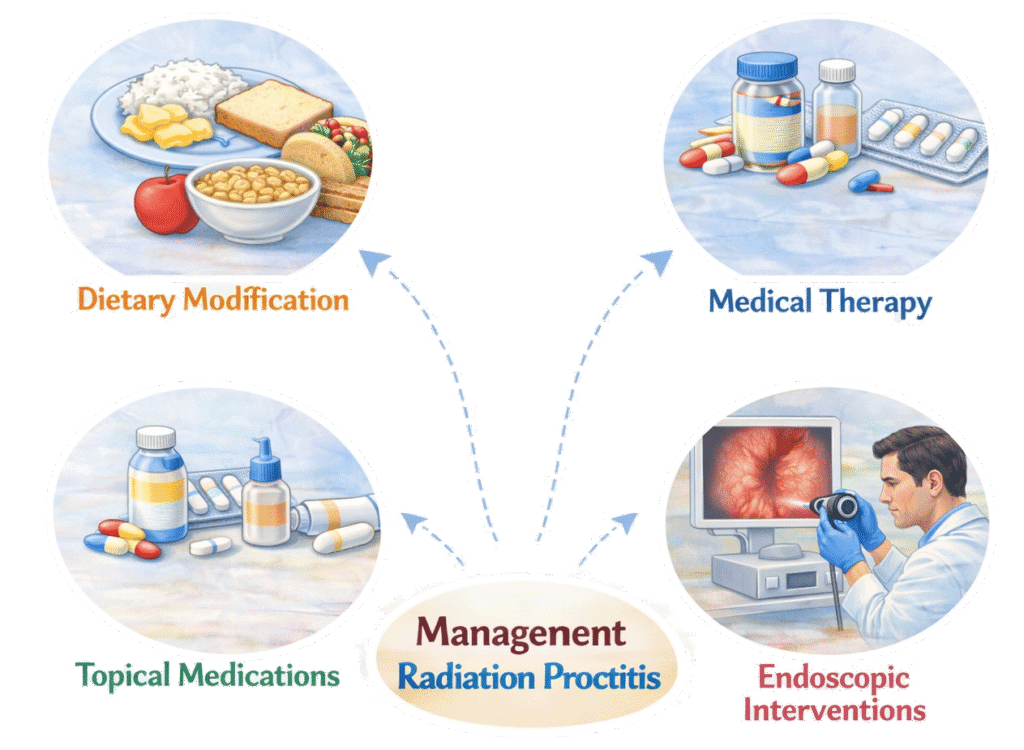
Management of Radiation Proctitis

Treatment depends on symptom severity and may include:
  • Dietary modification
  • Medical therapy to reduce inflammation
  • Topical medications
  • Endoscopic interventions in selected cases
Management is individualized based on clinical findings.

Role of Procedural or Surgical Intervention

Procedural intervention may be considered when:
  • Rectal bleeding is persistent
  • Medical management is not sufficient
  • Complications such as strictures or ulceration occur
Surgical intervention is considered in selected cases after careful evaluation.

Pre-treatment Assessment

Before initiating treatment, patients generally undergo:
  • Clinical evaluation
  • Endoscopic assessment when required
  • Laboratory investigations
These steps assist in determining the appropriate management plan.

Post-treatment Care and Follow-Up

Follow-up care may involve:
  • Monitoring of symptoms
  • Adjustment of medical therapy
  • Periodic endoscopic review when indicated
Long-term follow-up depends on symptom pattern and response to treatment.

About the Author of This Information

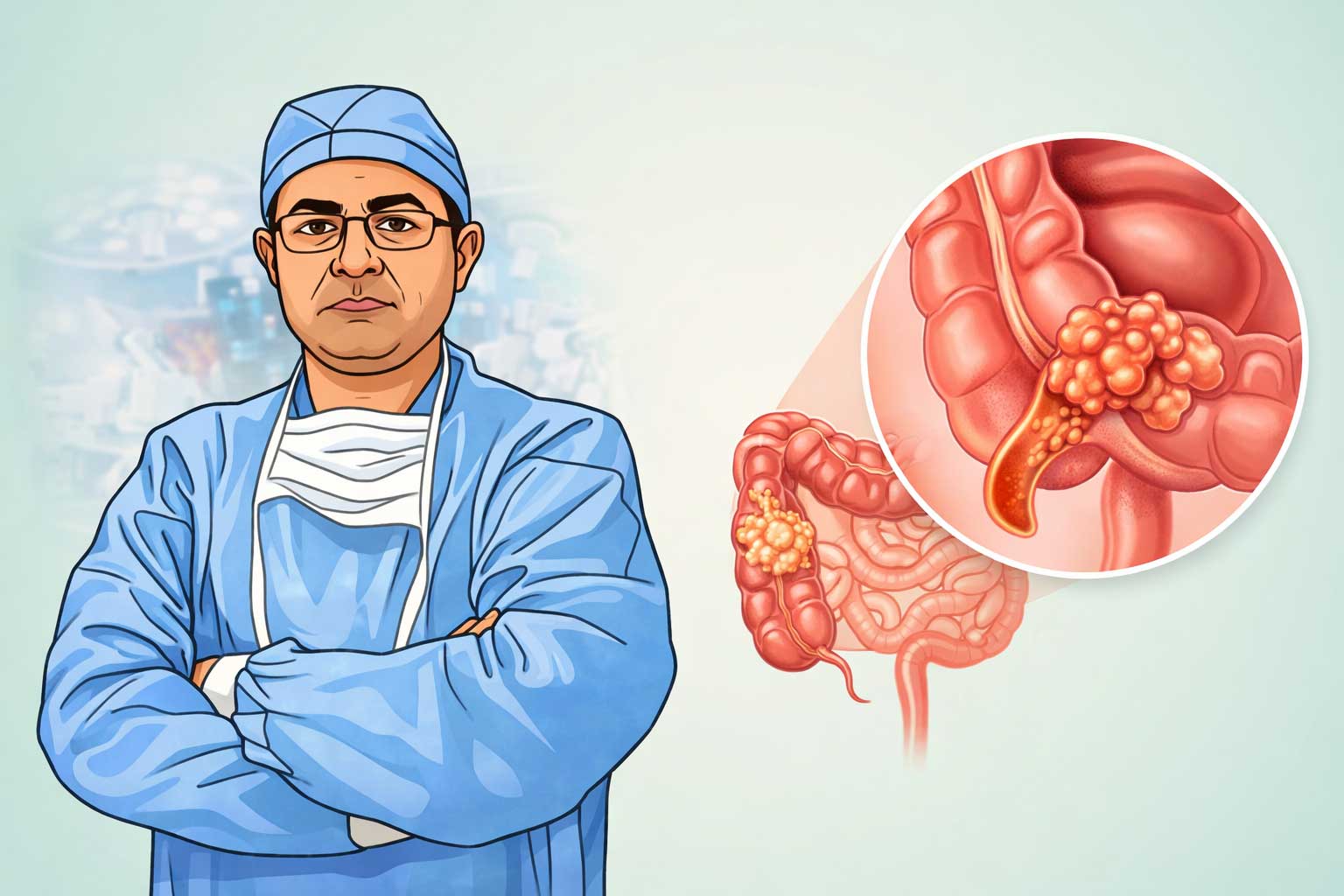
Dr. Rajeev Kapoor is a practicing surgeon based in Mohali, Punjab. He provides clinical services in the field of gastrointestinal, colorectal, and general surgery. This website is intended for informational and educational purposes only.

Disclaimer

The information provided on this page is for general educational purposes only. It is not a substitute for professional medical advice, diagnosis, or treatment. Treatment decisions should be made after consultation with a qualified medical professional, based on individual clinical evaluation.
Scroll to Top
Call Now Button