
Recovery After Surgery
What to expect in the days and weeks after your operation — and how to help your body heal safely at home.
Your First Days After Surgery
Recovery begins the moment your surgery is over. The pace varies depending on the type and extent of the operation, but here is what typically happens after a major abdominal or colorectal procedure.
Day 0 — Waking Up
You will wake in the recovery area or ICU with monitoring equipment, an IV drip, and possibly a urinary catheter. Feeling groggy, cold, or slightly confused is normal. Pain is managed actively — tell your nurse immediately if you are uncomfortable.
Day 1 — Getting Moving
Your surgical team will encourage you to sit up and, if possible, take a few steps with support. Early movement reduces the risk of blood clots and chest infections, and helps your bowel wake up. You may begin sipping clear fluids.
Days 2–4 — Building Up
You will gradually move to soft food as your bowel starts working again. Drains and catheters are removed when safe. Passing gas (flatus) is a good sign — it means your intestine is recovering.
Days 4–7+ — Preparing for Discharge
Once you are eating comfortably, pain is controlled with oral medicines, and your surgical team is satisfied, you will be cleared to go home. If you have a stoma, a stoma nurse will teach you how to care for it before discharge. Your discharge summary will include all important contact details and instructions.
Already read our pre-surgery guide? If not, the Preparing for Surgery page explains everything that happens before your operation, including the PAC clinic, fasting, and what to pack.
Diet After Colorectal Surgery
Your bowel needs time to adjust after surgery. What you eat — and how quickly you return to normal food — matters for healing.

Week 1 — Clear Fluids & Soft Foods
Start with water, clear soups, dal ka paani, buttermilk, and diluted juices. Progress to khichdi, dahi, mashed dal, idli, and soft chapati when your surgeon says you are ready.
Weeks 2–4 — Gradual Return
Add soft-cooked vegetables (lauki, tori, pumpkin), well-cooked rice, moong dal, boiled eggs, and steamed fish. Avoid fried, spicy, or very fibrous foods until your team advises otherwise.
After 4 Weeks — Normal Diet
Most patients can return to a normal, balanced diet within 4–6 weeks. Introduce foods one at a time. If something causes discomfort, bloating, or loose stools, wait a week and try again.
Stay Hydrated
Drink at least 8–10 glasses of water daily. Dehydration is a common reason patients feel unwell after discharge. Coconut water, nimbu paani, and ORS are helpful, especially in summer.
If you have a stoma: Diet advice may differ. Some foods may cause extra gas or loose output. Your stoma nurse will give you a personalised food guide. Read more on our Living with a Stoma page.
Wound Care — Abdominal Surgery
Keeping your surgical wound clean and dry is the most important thing you can do to prevent infection after an abdominal operation.
Keep It Clean & Dry
You can usually shower 48 hours after surgery. Let water run gently over the wound — do not scrub. Pat dry with a clean towel. Avoid soaking in a bath or swimming pool until your surgeon gives the all-clear.
Watch for Changes
Mild redness and slight swelling near stitches is normal in the first few days. But if you notice increasing redness, pus, a bad smell, or the wound edges separating — contact your surgical team without delay.
Stitches & Staples
Absorbable stitches dissolve on their own. Non-absorbable stitches or staples are removed at your follow-up clinic visit, typically 7–14 days after surgery. Do not attempt to remove them yourself.
Recovery After Perianal Surgery
Recovery after surgery in the anal or perianal region — such as for hemorrhoids, anal fistula, anal fissure, or perianal abscess — follows a different path from abdominal surgery. Because stool passes through the surgical area every day, wound care and bowel management are especially important.
Sitz Bath — Essential After Perianal Surgery
A sitz bath means sitting in a tub of warm (not hot) water for 10–15 minutes, 2–3 times a day — and always after every bowel movement. This keeps the wound clean, eases pain, and promotes healing. Your surgical team will advise how long to continue.
Wound Care — Perianal Wounds Are Not Stitched
Unlike abdominal surgery, most perianal wounds are deliberately left open to heal from the inside out. This is normal and intentional. The wound will gradually close over days to weeks. Keep the area clean with sitz baths and gentle washing. A light gauze pad can be used to absorb any discharge.
Discharge & Bleeding — What Is Normal
Some discharge (fluid or slight blood-staining) from the perianal wound is normal and expected as part of the healing process. Occasional light bleeding, especially after a bowel movement, is common during the first few weeks. However, if bleeding is heavy, persistent, or increasing, contact your surgical team or visit the Emergency Department.
Avoid Constipation & Straining
Constipation and straining are the biggest enemies of healing after perianal surgery. Eat a high-fibre diet (fruits, vegetables, isabgol/psyllium husk), drink plenty of water, and take stool softeners as prescribed. A soft, regular stool that passes without effort is the goal.
Staged Procedures — Fistula Surgery
Anal fistula surgeries are sometimes done in stages — meaning more than one operation may be planned. This is deliberate and done to protect the sphincter muscles that control continence. If your surgery is staged, your surgeon will explain the timeline and what to expect between procedures.
Long-Term Follow-Up
Perianal conditions such as fistulae and pilonidal disease can recur. Regular follow-up visits allow your surgeon to pick up any recurrence at an early stage, when it is easiest to treat. Attend all scheduled appointments, even if you feel completely well.
If You Have a Stoma
Some operations — particularly for colorectal cancer or severe inflammatory bowel disease — require creation of a stoma (an opening on the abdomen through which stool is collected in a bag). This may be temporary or permanent.
Before discharge, a stoma care nurse will teach you how to change the bag, care for the skin around the stoma, and manage your diet. It takes time and practice — and it is completely normal to feel unsure at first.

Key points to remember: the stoma should look pink and moist. If it turns dark, blue-black, or produces no output for more than 12 hours, seek urgent medical help at the Emergency Department.
Ileostomy Patients — Risk of Dehydration & Electrolyte Imbalance
If you have an ileostomy (a stoma made from the small intestine), your body loses significantly more fluid and salts than normal — because the large bowel, which normally absorbs water, has been bypassed. This makes you especially vulnerable to dehydration, electrolyte imbalance, and silent kidney damage if fluid intake is not maintained.
- Drink at least 2–3 litres of fluid every day — over and above your normal diet. Water, ORS (oral rehydration salts), nimbu paani with salt, coconut water, and buttermilk are all helpful.
- Always carry a water bottle with you when you leave the house — this is not optional.
- In Indian summers, stay in a cool room, avoid direct sun, and increase your fluid intake further. Heat increases fluid loss through both the stoma and sweating.
- Watch your urine output — if you are passing very little urine, or it is very dark and concentrated, you are dehydrated. Act immediately by drinking more fluids.
- Watch for symptoms of electrolyte imbalance: dizziness, muscle cramps, weakness, confusion, or feeling faint. If these occur, seek urgent medical help.
- There is a real risk of silent renal (kidney) failure if chronic dehydration goes unrecognised. Your surgical team will monitor your kidney function through blood tests at follow-up, but day-to-day hydration is your responsibility.
Detailed stoma guidance is available on our dedicated Living with a Stoma page — including bag changes, skin care, diet tips, and returning to daily life.
Activity, Exercise & Return to Work
Your body needs rest — but gentle movement helps recovery. The key is to build up gradually and listen to your body.
Weeks 1–2 — Gentle Walking
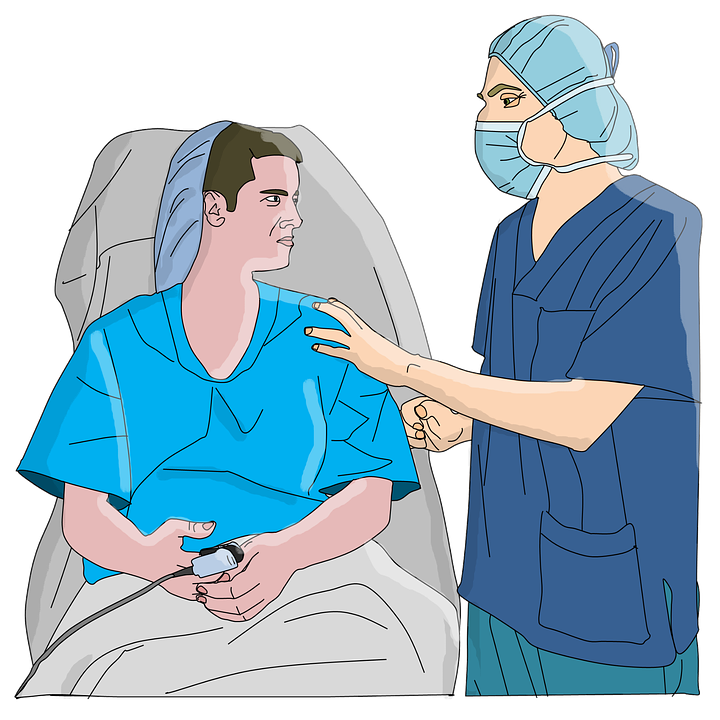
Short, slow walks around the house are encouraged from the day you get home. Walk a little more each day. Avoid sitting or lying in one position for long periods.
Weeks 2–6 — No Heavy Lifting
Do not lift anything heavier than 3–5 kg for at least 4–6 weeks. This protects your abdominal wound and reduces hernia risk. Avoid driving until you can brake comfortably — usually 2–4 weeks.
Return to Work
Desk work: typically 2–4 weeks. Physical or manual work: 6–8 weeks or more. Every patient is different — your surgeon will advise based on the type of surgery and your progress.
Warning Signs — When to Seek Help
Most recoveries go smoothly. But some symptoms need urgent attention. If you experience any of the following, use the contact details on your discharge summary or go directly to the Emergency Department.
Seek Urgent Medical Attention If You Have:
- Fever above 100.4°F (38°C) that does not settle
- Wound turning red, hot, swollen, or leaking pus
- Bleeding from the wound or from the rectum (heavy or increasing)
- Severe or worsening abdominal pain
- No passage of gas or stool for more than 3 days
- Persistent vomiting or inability to keep fluids down
- Sudden shortness of breath, chest pain, or calf swelling
- Stoma turning dark, blue, or producing no output for 12+ hours
Do not wait or try to manage these at home. Early treatment of complications gives the best results. It is always better to visit the Emergency Department and be reassured than to delay. If the problem is not an emergency but persists, contact your surgical team using the details on your discharge summary.
For Cancer Patients — Oncology & Adjuvant Treatment
If you have been operated on for cancer, surgery may be only one part of your treatment plan. Depending on the stage and type of cancer, your team may recommend additional treatment after surgery.

Post-Operative Chemotherapy
Some patients need chemotherapy after surgery (called adjuvant chemotherapy). This is designed to reduce the risk of the cancer coming back. Your medical oncologist will discuss whether this applies to you, the drugs involved, the duration, and the possible side effects.
Post-Operative Radiation Therapy
In certain cancers — particularly rectal cancer — radiation therapy may be recommended after (or sometimes before) surgery. Your radiation oncologist will plan and supervise this. Sessions are usually short and given over several weeks.
Your Oncology Team
After cancer surgery, your care does not end with the surgeon. You will be followed up by a team that typically includes a surgical oncologist, a medical oncologist (for chemotherapy), and a radiation oncologist (if radiation is needed). Together they plan and coordinate your ongoing treatment.
Long-Term Cancer Surveillance
Follow-up continues for several years after cancer surgery. This includes regular blood tests (such as CEA), imaging (CT scans), and colonoscopies on a structured schedule. The goal is to detect any recurrence at the earliest, most treatable stage. Attend every appointment — even if you feel completely well.
Your pathology report guides the plan. At your first follow-up visit, your surgeon will discuss the pathology results and whether additional treatment (chemotherapy, radiation, or both) is recommended. Not all cancer patients need adjuvant treatment — it depends on your individual situation.
Emotional Recovery
Surgery affects your mind as well as your body. It is completely normal to feel anxious, tearful, frustrated, or low in the weeks after an operation — especially after cancer surgery.
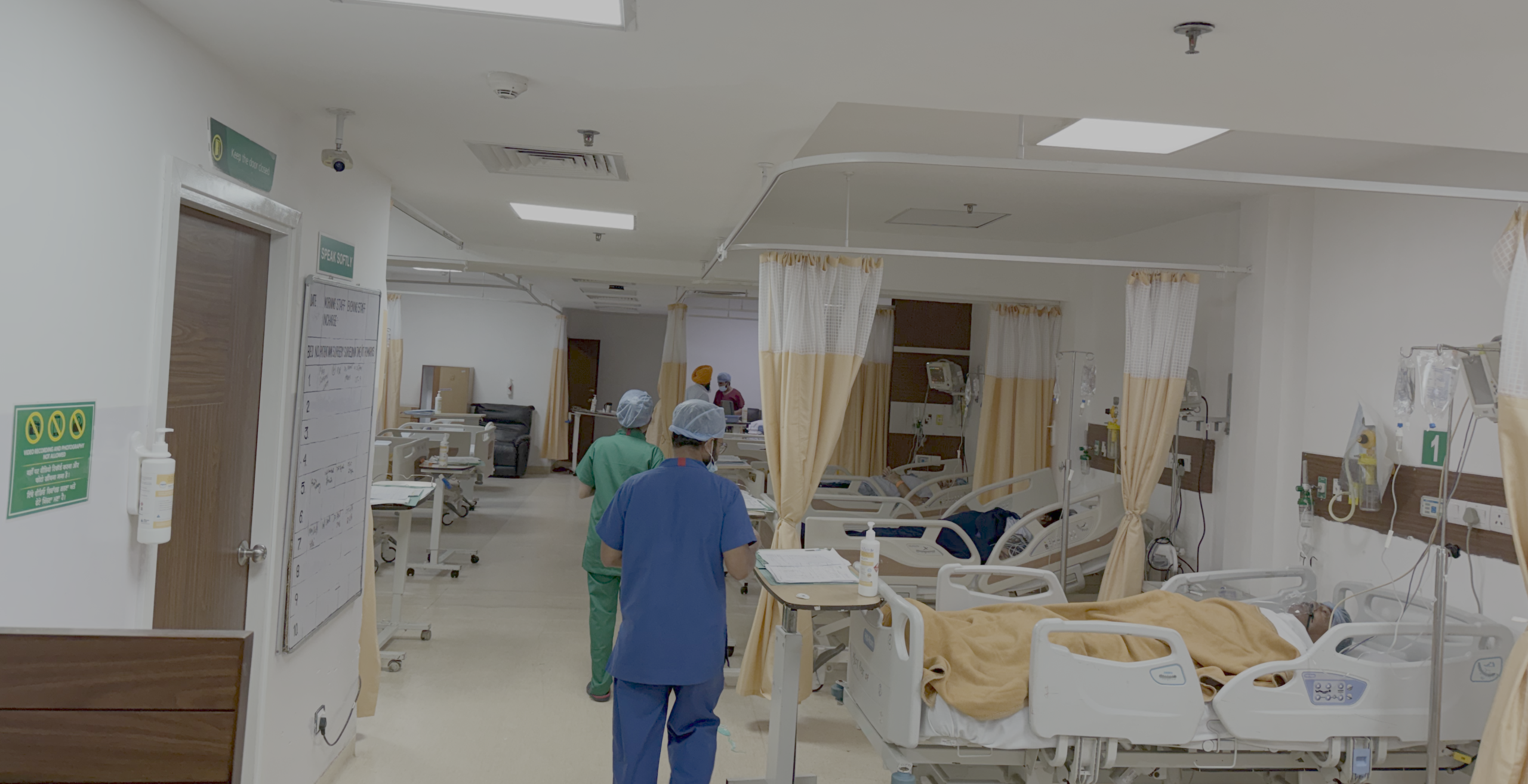
Many patients describe feeling "not themselves" for several weeks. Sleep may be disturbed. Appetite may be low. You may feel dependent on others and frustrated by what you cannot yet do. These feelings are a normal part of healing.
If you have been treated for cancer, you may experience fear of recurrence, difficulty concentrating, or a sense of emotional numbness. This does not mean something is wrong with you — it means you have been through something significant.
Talk to someone. Share how you are feeling with a trusted family member, friend, or your treating doctor. If low mood or anxiety persists beyond a few weeks, ask your doctor about professional counselling. Asking for help is a sign of strength — not weakness.
Your Follow-Up Schedule
Follow-up appointments are an essential part of your care — even if you feel well. They allow your surgeon to check healing, review pathology results, and plan any further treatment.
First Clinic Visit — 7 to 14 Days
Wound check, removal of stitches or staples if needed, and review of how you are recovering. Your pathology report (biopsy result) may be discussed at this visit.
Do Not Miss Appointments
Whether your surgery was for cancer or a benign condition, regular follow-up allows your surgeon to detect problems early — including recurrence of conditions like fistulae or pilonidal disease. Early detection means simpler treatment.
Frequently Asked Questions
Related Pages
For appointments or enquiries: Contact page | drrajeevkapoor.com
