cancer

What Are the Early Signs of Colon Cancer and When Is Surgery Needed
Cancer, Colon. Cancer

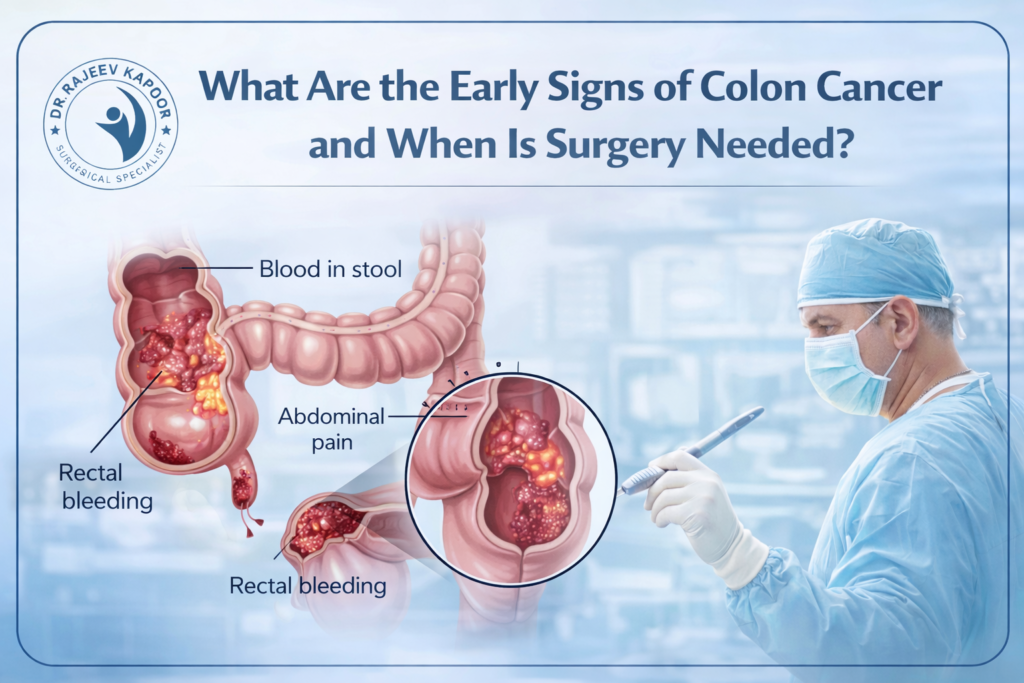
What Are the Early Signs of Colon Cancer and When Is Surgery Needed?

Colon cancer is one of the most common gastrointestinal cancers worldwide, and its incidence in India has been steadily increasing. The good news is that when detected early, colon cancer is highly treatable. With over 30 years of surgical experience, Dr. Rajeev Kapoor emphasizes early diagnosis and timely surgical intervention as the key to improving survival outcomes. This article explains the early warning signs, risk factors, and when surgery becomes necessary. What Is Colon Cancer? Colon cancer develops from the inner lining of the large intestine (colon). In most cases, it begins as a small growth called a polyp, which may gradually turn cancerous over time. Because early-stage colon cancer often produces mild or vague symptoms, it is frequently diagnosed late if screening is ignored. Early Signs of Colon Cancer Recognizing early symptoms can significantly improve outcomes. 1️⃣ Change in Bowel Habits Persistent constipation Diarrhea lasting more than a few weeks Alternating constipation and diarrhea 2️⃣ Blood in Stool Bright red blood Dark or tarry stools Occult (hidden) blood detected on testing Rectal bleeding should never be automatically attributed to piles without evaluation. 3️⃣ Persistent Abdominal Discomfort Cramping Bloating Gas Feeling of incomplete bowel evacuation 4️⃣ Unexplained Weight Loss 5️⃣ Fatigue and Weakness Chronic blood loss can lead to anemia, causing tiredness and breathlessness. If any of these symptoms persist for more than two weeks, medical evaluation is essential. Who Is at Higher Risk? Certain individuals have a higher likelihood of developing colon cancer: Age above 45 years Family history of colorectal cancer History of colon polyps Inflammatory bowel disease (ulcerative colitis or Crohn’s disease) Obesity Sedentary lifestyle High red meat, low-fiber diet Screening is especially important in high-risk individuals. How Is Colon Cancer Diagnosed? Diagnosis typically involves: Colonoscopy (gold standard test) Biopsy of suspicious lesions CT scan for staging Blood tests including tumor markers Colonoscopy not only detects cancer but can also remove precancerous polyps, preventing disease progression. When Is Surgery Needed for Colon Cancer? Surgery is the primary and most effective treatment for localized colon cancer. It is recommended when: The tumor is confined to the colon There is no distant metastasis (or limited, resectable spread) The patient develops obstruction There is persistent bleeding There is perforation Early-stage cancer treated surgically has significantly better survival rates compared to advanced disease. Types of Colon Cancer Surgery The surgical approach depends on tumor location and stage. 1️⃣ Segmental Colectomy Removal of the cancerous portion of the colon along with nearby lymph nodes. 2️⃣ Laparoscopic Colectomy Minimally invasive technique using small incisions. Benefits include: Less pain Faster recovery Shorter hospital stay 3️⃣ Open Colectomy Required for large tumors, emergency situations, or complicated cases. In some cases, a temporary or permanent stoma may be required depending on tumor location and patient condition. Is Chemotherapy Always Required? Not always. Early-stage colon cancer may require surgery alone. Stage III and some Stage II cases may need chemotherapy after surgery. Advanced disease requires a combined treatment approach. Treatment planning is individualized based on staging. Importance of Early Screening Most colon cancers develop slowly over several years. Regular screening can detect polyps before they become malignant. General recommendations: Begin screening at age 45 Earlier if there is a family history Screening methods include: Colonoscopy Stool-based tests CT colonography Early detection dramatically improves survival rates. Can Colon Cancer Be Prevented? While not all cases are preventable, risk can be reduced by: High-fiber diet Regular exercise Maintaining healthy weight Avoiding smoking Limiting alcohol intake Routine screening Prevention and early detection go hand in hand. When Should You Consult a Surgeon? Seek immediate evaluation if you experience: Persistent rectal bleeding Ongoing change in bowel habits Severe abdominal pain Symptoms of intestinal obstruction Unexplained weight loss Early surgical consultation ensures timely intervention. Conclusion Colon cancer is highly treatable when detected early. The key lies in recognizing warning signs and not ignoring persistent symptoms. Surgery remains the cornerstone of treatment for localized disease, and outcomes are significantly better when intervention occurs at an early stage. For patients considering Colon Cancer Surgery in Chandigarh, early evaluation and expert surgical management can significantly improve long-term survival.
Is Appendiceal Cancer Curable
Cancer

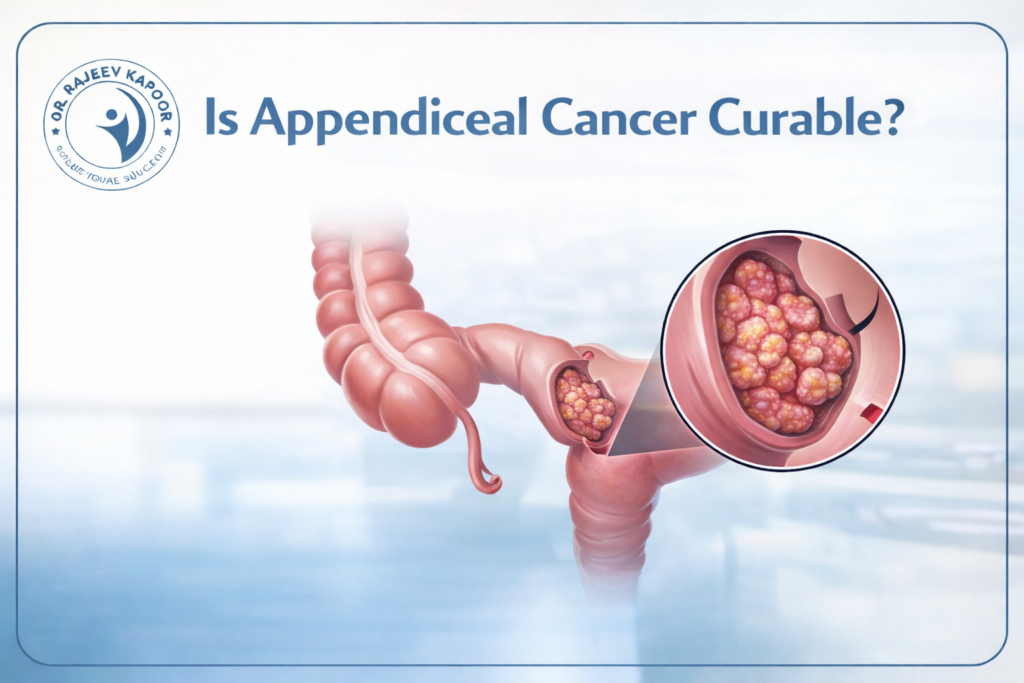
Is Appendiceal Cancer Curable?

With over three decades of surgical experience, Dr. Rajeev Kapoor has managed complex abdominal conditions, including rare gastrointestinal malignancies. One such rare but important condition is appendiceal cancer. Because it is uncommon, many patients ask: “Is appendiceal cancer curable?” The answer depends largely on the type of tumor, stage at diagnosis, and extent of spread. Early-stage disease can often be treated successfully with surgery. What Is Appendiceal Cancer? Appendiceal cancer is a malignancy that originates in the appendix — a small tube attached to the large intestine. It is rare and often discovered incidentally during surgery for suspected appendicitis. Types of Appendiceal Tumors Not all appendiceal tumors behave the same way. Common types include: 1️⃣ Neuroendocrine Tumors (Carcinoid Tumors) Most common type Often slow-growing Frequently curable if detected early 2️⃣ Mucinous Adenocarcinoma Produces mucus Can spread within the abdominal cavity 3️⃣ Signet Ring Cell Carcinoma Rare and aggressive Requires advanced treatment Each type has a different prognosis and management strategy. What Are the Symptoms? Appendiceal cancer may not produce early symptoms. When present, they may include: Persistent abdominal pain Bloating or increasing abdominal girth Ascites (fluid accumulation) Changes in bowel habits Unexplained weight loss In many cases, it mimics appendicitis. Is Appendiceal Cancer Curable? Yes — especially when detected early and confined to the appendix. Curability Depends On: Tumor type Stage at diagnosis Whether it has spread to lymph nodes Presence of peritoneal spread Early-stage neuroendocrine tumors smaller than 2 cm often have an excellent prognosis after surgery. Advanced disease requires more aggressive management. How Is It Diagnosed? Diagnosis typically involves: Ultrasound or CT scan Colonoscopy (in selected cases) Biopsy Histopathological examination after appendectomy Sometimes, the diagnosis is made only after the appendix is removed. Treatment Options for Appendiceal Cancer Treatment is primarily surgical and tailored to tumor type and spread. 1️⃣ Appendectomy Removal of the appendix. Suitable for: Small, localized tumors Early-stage neuroendocrine tumors Often curative in selected cases. 2️⃣ Right Hemicolectomy This procedure removes the right side of the colon along with nearby lymph nodes. Recommended when: Tumor is larger than 2 cm Lymph node involvement is suspected Adenocarcinoma is diagnosed This improves long-term survival in appropriate patients. 3️⃣ Cytoreductive Surgery with HIPEC For advanced disease that has spread within the abdominal cavity, cytoreductive surgery removes visible tumor deposits. It is followed by HIPEC (Heated Intraperitoneal Chemotherapy) to destroy microscopic cancer cells. This is a specialized procedure performed in selected centers. What Is the Survival Rate? Prognosis varies: Early-stage neuroendocrine tumors → Excellent survival rates Localized adenocarcinoma → Good outcomes with surgery Advanced metastatic disease → Requires multimodal treatment Early diagnosis significantly improves outcomes. Can Appendiceal Cancer Spread? Yes. It can spread to: Peritoneum (abdominal lining) Liver Lymph nodes Mucinous tumors may cause a condition called pseudomyxoma peritonei, where mucus accumulates in the abdomen. Importance of Early Evaluation Seek medical attention if you experience: Persistent unexplained abdominal pain Increasing abdominal swelling Unexplained weight loss Recurrent appendicitis-like symptoms Early imaging and evaluation are critical. Conclusion Appendiceal cancer is rare but potentially curable, especially when detected early. Surgical treatment remains the cornerstone of management, with advanced options available for selected patients. Timely diagnosis, accurate staging, and individualized surgical planning determine the final outcome, and patients considering Appendiceal Cancer Treatment in Mohali should consult an experienced gastrointestinal surgeon for proper evaluation and treatment guidance.

soft tissue sarcoma
Sarcoma, blog, Cancer

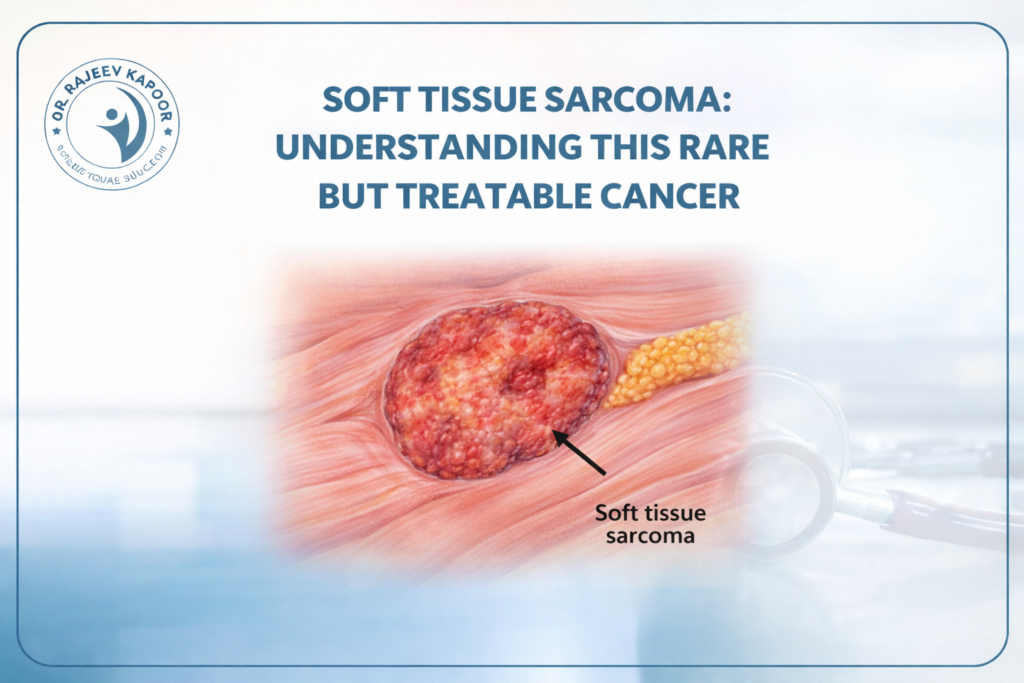
Soft Tissue Sarcoma: Understanding This Rare but Treatable Cancer

Soft tissue sarcoma (STS) is a rare group of cancers that arise from the body’s connective tissues—muscles, fat, nerves, and blood vessels. Though uncommon, these tumors can occur anywhere in the body and often remain silent until they reach an advanced stage. “Sarcomas are challenging because they can grow quietly for months. But with today’s imaging and surgical advances, early intervention leads to excellent results,” explains Dr. Rajeev Kapoor, senior cancer and gastrointestinal surgeon based in Chandigarh. 1️⃣ What Is Soft Tissue Sarcoma? Soft tissue sarcomas comprise over 70 different subtypes, including liposarcoma, leiomyosarcoma, synovial sarcoma, and angiosarcoma. They account for only about 1 % of adult cancers yet can occur at any age. These tumors develop from cells that form structural tissues of the body — making them capable of appearing in the limbs, abdomen, chest, or head-and-neck region. 2️⃣ Key Symptoms You Should Watch For A painless, enlarging lump anywhere in the body Deep-seated swelling or mass > 5 cm that persists Unexplained pain or pressure when the tumor presses against nerves Reduced mobility if located near joints or muscles Unexplained weight loss or fatigue in later stages “Any lump that grows steadily or returns after removal must never be ignored,” warns Dr. Kapoor. 3️⃣ Diagnosis and Imaging Techniques A precise diagnosis requires a multidisciplinary approach: MRI Scan: Determines tumor size and relation to surrounding structures CT Scan: Assesses spread to lungs or other organs Core-Needle Biopsy: Essential for histopathological confirmation PET-CT: Evaluates metastatic disease and treatment planning Dr. Kapoor stresses the importance of getting biopsies performed only by trained oncological surgeons, as improper procedures can complicate later surgeries. 4️⃣ Treatment Options Modern treatment for soft tissue sarcoma is both effective and customized: a. Surgery – Cornerstone of Treatment Wide local excision removing tumor with clear margins Limb-sparing techniques preserve function without amputation b. Radiation Therapy Given before or after surgery to reduce recurrence risk Image-guided and intensity-modulated radiation (IMRT) minimizes damage to normal tissue c. Chemotherapy and Targeted Therapy Drugs like Doxorubicin and Ifosfamide for aggressive subtypes Targeted molecules and immunotherapy agents are showing remarkable promise in advanced cases “Our goal is to combine oncologic safety with functional preservation. With modern techniques, we can save limbs and lives,” adds Dr. Kapoor. 5️⃣ Survival and Prognosis When detected early and managed by a specialized team, soft tissue sarcoma can be successfully treated. The overall 5-year survival rate ranges between 65–80 %, depending on the tumor stage and type. Regular follow-up is crucial to monitor for recurrence or metastasis. 6️⃣ Early Detection and Awareness in India In India, sarcomas are often diagnosed late due to lack of awareness and misdiagnosis as benign lumps. Public education and early screening efforts — especially through campaigns like Sarcoma Awareness Month (July) — can significantly improve outcomes. Conclusion Soft tissue sarcoma may be rare, but it is not untreatable. Advances in diagnostics, precision surgery, and targeted therapies have dramatically improved prognosis. If you notice a persistent or unusual lump, consult a specialist without delay. Dr. Rajeev Kapoor, a trusted cancer and gastrointestinal surgeon in Chandigarh, leads a multidisciplinary team offering comprehensive care for sarcoma and other complex cancers.

Colon Cancer Patient Story
blog, Cancer

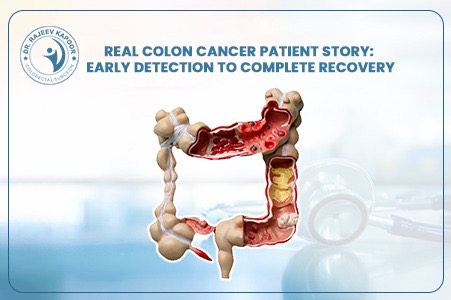
Real Colon Cancer Patient Story: Early Detection to Complete Recovery

Mr. Khanna’s story began with two signs that should never be ignored—persistent abdominal pain and blood in the stool. These symptoms are common in many conditions, but they are also early warning signs of colorectal cancer. His doctor advised immediate tests, including a CT scan and then a colonoscopy. The colonoscopy showed a growth in the right side of the colon that looked cancerous. He met me soon after. I explained that colon cancer often starts as a small polyp that slowly grows over years. Many people have no symptoms until the tumour becomes large. In Mr. Khanna’s case, the safest and most effective treatment was surgery. He underwent a laparoscopic right hemicolectomy, which is the standard operation for cancers on the right side of the colon. In this procedure, the part of the bowel containing the tumour is removed, along with the blood vessels and lymph nodes that drain that area. This is important because cancer cells can travel through these channels. We removed around 30 lymph nodes, which gave us a clear picture of how far the disease had spread. Laparoscopic surgery, done through small cuts, usually means less pain, quicker recovery, and faster return to normal activity. Mr. Khanna recovered well and went home in five days. Thirteen days later, the final pathology report came. The cancer had been completely removed with clear margins, meaning no cancer cells were left behind at the edges. All his lymph nodes were negative for cancer. This placed him in Stage II colon cancer. However, the tumour had reached the outer layer of the bowel wall, known as the serosa. When a tumour grows this deep, there is a higher chance—though still small—of cancer cells escaping into the bloodstream. Because of this “high-risk” feature, chemotherapy was advised to lower the risk of the cancer returning. He had a chemo port inserted in his chest. Chemotherapy for colon cancer usually involves drugs like oxaliplatin and capecitabine/5-FU, given over three months in Stage II high-risk cases. These medicines target any microscopic cancer cells that surgery cannot see. The first few cycles went as expected—tiredness, nausea, changes in taste. After the third cycle, he developed fever and a rash. Tests showed herpes zoster (shingles), an infection that can occur when immunity is low during chemotherapy. He was treated with antiviral medication, recovered fully, and safely completed the rest of his chemotherapy. Today, Mr. Khanna has finished treatment and is doing well. For colon cancer survivors, follow-up care is very important. His plan includes: • Blood tests, including CEA (a tumour marker) • Periodic CT scans to check the abdomen and chest • Regular colonoscopies to detect new polyps early • Lifestyle advice—healthy diet, regular exercise, weight control, and avoiding smoking His story shows how colon cancer is diagnosed and treated today. Early symptoms may be mild. Early surgery, when possible, offers the best chance of cure. Chemotherapy adds extra protection when the tumour shows high-risk features. By sharing his journey, we hope people understand the importance of recognising symptoms, seeking medical help early, and trusting modern treatment pathways. With timely care, most patients with early-stage colon cancer can expect excellent long-term outcomes and a full return to normal life.

colon cancer prevention
Cancer, blog

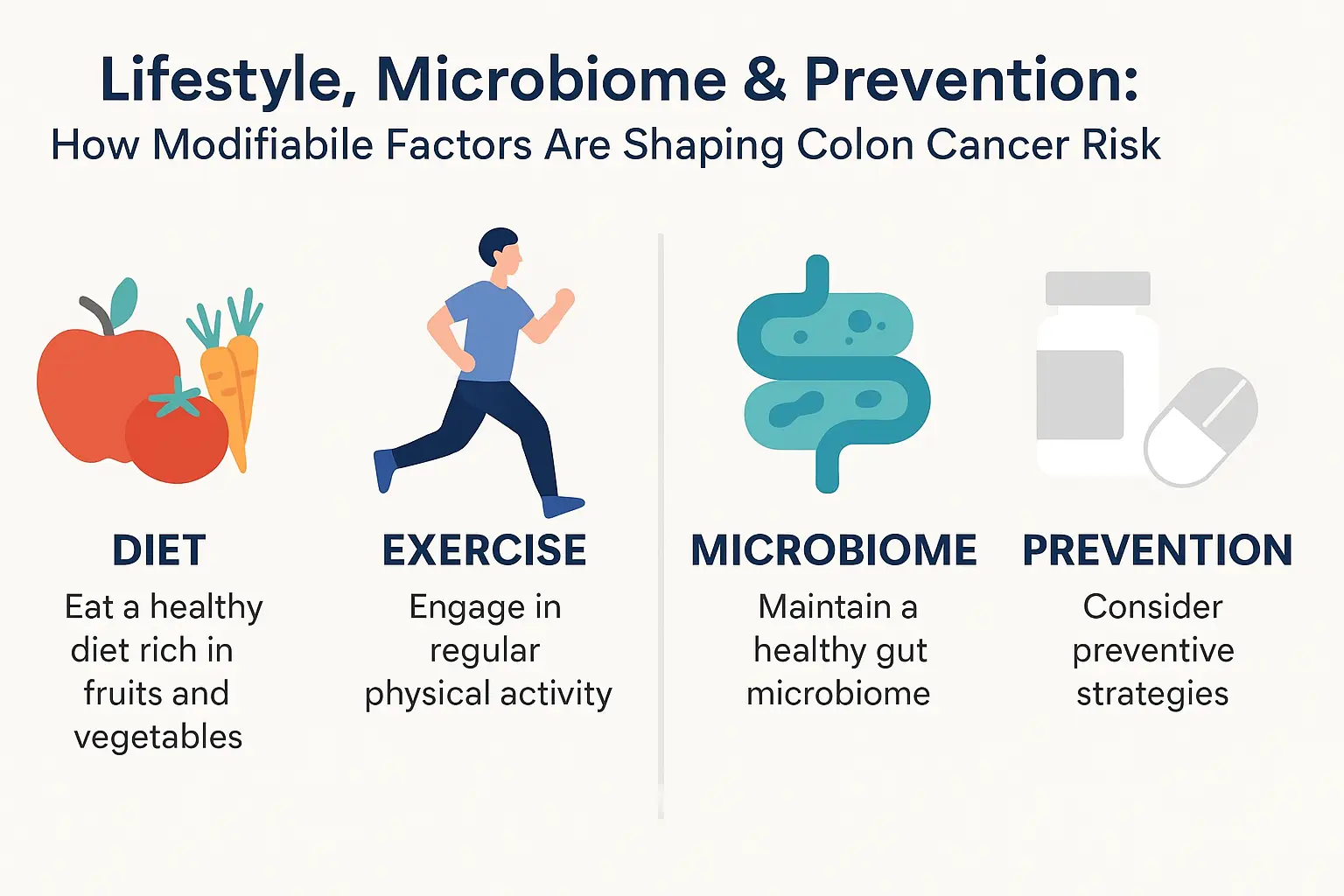
Lifestyle, Microbiome & Prevention: How Modifiable Factors Are Shaping Colon Cancer Risk

Colon cancer (colorectal cancer) is not only influenced by genetics and age—it is deeply linked to lifestyle, diet, and gut health. While medical advances are improving treatment, the best way to save lives is still prevention. Recent research in 2025 underscores how diet, physical activity, and microbiome health directly impact colon cancer risk and recurrence. Diet: The Protective Power of Nutrients A new Italian study (2025) found that diets high in beta-carotenoid and carotenoid-rich foods (like carrots, spinach, pumpkin, tomatoes) can reduce colon cancer risk by up to 40%. Diets rich in fiber, whole grains, and plant-based foods support healthy digestion and reduce cancer-promoting inflammation. Conversely, red meat, processed meat, and sugary beverages are consistently linked with higher colorectal cancer risk. Takeaway: A colorful, plant-rich plate is one of the simplest ways to fight colon cancer naturally. Exercise: Fighting Recurrence & Improving Survival A major 3-year randomized trial showed that colon cancer survivors who participated in a structured exercise program had 28% fewer recurrences and 37% fewer deaths compared to those who did not exercise. Regular physical activity improves immune function, maintains body weight, and lowers insulin resistance—all protective against cancer. Practical tip: Aim for at least 150 minutes of moderate exercise weekly, such as brisk walking, swimming, or yoga. Microbiome: The Gut–Cancer Connection The gut microbiome plays a central role in regulating inflammation, immunity, and metabolism. Certain bacterial toxins, such as colibactin produced by some E. coli strains, are linked with DNA damage and early-onset colorectal cancer. Maintaining a balanced gut flora through fiber, probiotics, and reduced processed foods may lower cancer risk. This field is still evolving, but the “gut–colon axis” is emerging as a major area for cancer prevention research. Emerging Preventive Strategies Colon-targeted drug delivery systems (e.g., nanoparticle formulations of 5-FU developed in India) promise reduced side effects and improved treatment outcomes. Chemoprevention trials are investigating vitamins, aspirin, and natural compounds for high-risk individuals. Precision prevention through genetic and microbiome profiling may soon allow tailored recommendations for each person. Conclusion Colon cancer risk is not set in stone. By embracing healthy diet choices, regular exercise, and supporting gut health, individuals can significantly lower their risk of developing colorectal cancer—or recurrence after treatment. For expert consultation and preventive guidance, Dr. Rajeev Kapoor, a renowned colorectal cancer surgeon in Mohali, India, provides comprehensive care, from lifestyle counseling to advanced surgical and oncological treatments.

Sign Of Cancer
Cancer, blog

Is Bowel Content Leakage A Sign Of Cancer?

Is Bowel Content Leakage A Sign Of Cancer? The first signs of fecal incontinence may vary depending on the underlying cause and severity of the condition. Some common early signs of fecal incontinence include: Accidental passing of gas: The first sign may be the occasional release of gas (flatulence) without intending to do so. This can happen during normal daily activities or when least expected. Leaking small amounts of stool: You might notice small amounts of stool leaking out without feeling the urge to have a bowel movement. Difficulty controlling bowel movements: You might find it challenging to hold in a bowel movement, especially when the urge to go is strong. Soiling underwear: You may experience instances where stool stains or soil your underwear or clothing due to unexpected leakage. Urgency: You may feel a sudden, intense urge to have a bowel movement and may not always make it to the bathroom in time. Constipation or diarrhea: Chronic constipation or diarrhea can contribute to fecal incontinence. Hard stool can obstruct the rectum and cause liquid stool to leak around it. Changes in bowel habits: You may notice changes in your regular bowel habits, such as increased frequency or irregularity. It is essential to be aware that fecal incontinence can have various causes, ranging from muscle or nerve damage to underlying medical conditions. In some cases, it may be temporary and resolve on its own, while in others, it may be a symptom of an underlying medical issue that requires attention and treatment. If you experience any signs of fecal incontinence or have concerns about your bowel movements, it’s crucial to discuss these symptoms with a healthcare professional. They can perform a thorough evaluation, identify the cause, and recommend appropriate treatments or interventions to improve your quality of life. Don’t hesitate to seek medical advice and support if you are facing any issues related to bowel control. Read Also: Fecal Incontinence Treatment

Treatment of Rectal Cancer
Cancer, blog

Advancements in the Treatment of Rectal Cancer

Advancements in the Treatment of Rectal Cancer: A Look at the Latest Protocols Introduction: Rectal cancer is a significant health concern that affects numerous individuals worldwide. Over the years, advancements in medical science and technology have led to the development of new treatment protocols that offer improved outcomes for patients. I am going to discuss in brief about the latest treatment approaches for cancer, highlighting the advancements that have revolutionized patient care. 1. Neoadjuvant Therapy: One of the most significant advancements in the treatment of rectal cancer is the widespread adoption of neoadjuvant therapy. This approach involves administering chemotherapy and radiation therapy before surgery. By shrinking the tumor and reducing its potential to spread, neoadjuvant therapy allows for more successful surgical outcomes, increased rates of sphincter preservation, and improved survival rates. The utilization of neoadjuvant therapy has become a standard in the management of locally advanced rectal cancer. 2. Minimally Invasive Surgery: The introduction of minimally invasive surgery techniques, such as laparoscopic and robotic-assisted surgery, has transformed rectal cancer treatment. These approaches offer numerous benefits, including reduced postoperative pain, shorter hospital stays, faster recovery times, and improved cosmetic outcomes. Minimally invasive surgery has proven to be as effective as traditional open surgery for appropriately selected patients with rectal cancer, making it a preferred option in many cases. 3. Total Mesorectal Excision (TME): Total Mesorectal Excision (TME) is a surgical technique that involves the complete removal of the rectum and surrounding lymph nodes. It has become the gold standard for surgical management of rectal cancer. TME ensures the removal of the tumor with clear surgical margins, minimizing the risk of local recurrence. The meticulous dissection of the mesorectal plane during TME has significantly improved oncological outcomes and reduced morbidity rates. 4. Organ Preservation: In select cases of early-stage rectal cancer, organ preservation approaches have gained attention. These techniques aim to spare the patient from a permanent colostomy while ensuring effective cancer control. Use of a circular stapler along with other staplers have helped us surgeons to preserve sphincters and thus avoid permanent colostomy. 5. Local excision techniques, In select cases, techniques being used such as trans anal endoscopic microsurgery (TEM) and trans anal minimally invasive surgery (TAMIS), offer a minimally invasive approach for removing small rectal tumors. These procedures are associated with reduced morbidity and improved quality of life for patients. 6. Enhanced Recovery After Surgery (ERAS): Enhanced Recovery After Surgery (ERAS) protocols have been implemented to optimize patient outcomes and recovery following rectal cancer surgery. ERAS programs involve a multimodal approach, incorporating preoperative counseling, optimized pain management, early mobilization, and judicious fluid management. By minimizing complications, reducing hospital stays, and enhancing patient satisfaction, ERAS protocols have revolutionized the postoperative care of cancer patients. 7. Targeted Therapies and Immunotherapy: The advent of targeted therapies and immunotherapy has opened new avenues for the treatment of cancer. Targeted therapies, such as monoclonal antibodies, can specifically target cancer cells, inhibiting their growth and spread. Immunotherapy harnesses the patient’s immune system to fight cancer cells. Clinical trials investigating the efficacy of these therapies in rectal cancer treatment have shown promising results, offering potential options for patients who are unresponsive to conventional treatments. Conclusion: The treatment landscape for rectal cancer has witnessed remarkable advancements in recent years. Neoadjuvant therapy, minimally invasive surgery, total mesorectal excision, organ preservation techniques, enhanced recovery protocols, and emerging targeted therapies and immunotherapy options have transformed patient care and improved outcomes. As research and innovation continue, we can expect further refinements and personalized approaches in the treatment of cancer See Also: How to Control Stage 4 Rectal Cancer How to Treat Rectal Cancer    

Rectal Cancer
Cancer, blog

Robotic APR: The latest and the best treatment for Low Rectal Cancer

Robotic APR: The latest and the best treatment for Low Rectal Cancer The most prevalent cancer in the world is colorectal cancer (CRC). With more than 1.4 million new cancer cases each year, it is the second most prevalent disease among women and the third most common cancer among men. More than half of CRC cases occur in wealthy nations, showing a geographic variance in incidence rates. Incidence rates in India are modest, at 7.2 per 100,000 for men and 5.1 per 100,000 for women. The absolute number of CRC patients is high in a nation with a population of more than a billion people. India has one of the lowest rates of CRC survival after five years, at less than 40%. What is Rectal Cancer Cancer that starts in the rectum is called rectal cancer. The large intestine’s final few inches are known as the rectum. Your colon’s final section marks the beginning of this passageway, which stops when it reaches the short, confined passageway leading to the anus. Colorectal cancer, also known as rectal cancer and colon cancer, is a term that is frequently used interchangeably. While rectal and colon tumours share many characteristics, their approaches to treatment differ greatly. This is primarily due to how closely the rectum is located to other organs and structures. Rectal cancer removal surgery may be challenging due to the restricted area within the pelvis. Rectal cancer survival rates have significantly increased as a result of recent advancements in treatment. Abdominoperineal Resection (APR) is the surgery offered for low rectal cancers. What is APR Surgery During an abdominoperineal resection (APR), the sigmoid colon, rectum, and anus are surgically excised. Rectal cancer that is very low in the rectum is most frequently treated with this treatment. The back canal and the bowel-controlling muscles will both be removed. The remaining portion cannot be repaired and the bowel reconnected. Thus a permanent colostomy is required. One needs to wear a bag over the colostomy. Faeces from your body will travel through this. A stoma is the name for the portion of the intestines that is brought out as a conduit through the abdomen. APR surgery is done after one has finished chemotherapy and/or radiation treatments for most of the rectal cancers Technological Advances in the management of Low Rectal Cancer Abdominoperineal resection (APR) procedures have been much less common over the past ten years, largely as a result of technical developments, the requirement for narrower distal margins, and the development of excellent stapling devices. Despite this, APR is still the best course of action for older patients with poor baseline functional and respiratory capacity who have rectal cancer that involves the sphincter complex or that cannot be excised with adequate distal resection margins. After chemoradiotherapy, APR continues to be the go-to treatment for anal canal squamous cell carcinoma that is persistent or recurrent. What is Minimally Invasive Rectal Surgery The standard procedure for rectal cancer surgery today is minimally invasive rectal surgery (MIRS). Although a laparoscopic technique is used in this, new paradigms for APR have been created with the advent of robotic systems. Some of the drawbacks of traditional laparoscopic rectal surgery are solved by a robotic-assisted technique.   What is Robotic Surgery for rectal cancer Robotic surgery is a type of minimally invasive surgery that is made available to remove rectal cancer. Surgery uses small incisions, similar to other minimally invasive procedures, which can lower the risk of complications compared to open surgery or large incision procedures. Robotic surgery, however, is a more modern procedure that involves very expensive and sophisticated equipment. The surgeon uses a high-definition three-dimensional camera, miniature equipment, and very small incisions in the abdomen to do  surgery using the robotic system. In certain cases, skin incisions are not even necessary. The surgeon will then control those instruments to carry out the procedure from a nearby console. Imagine the robotic system as a supercomputer that translates the actions of the surgeon into real-time, allowing for more precision. The surgeon utilizes the master controls at the surgeon console to operate the instruments during the surgery when it is robotically assisted. The instruments inside your body are controlled by a computer that interprets the actions of the surgeon to those of the tools. The surgical system reacts to commands from the surgeon, who controls the robot the entire time.   What are the advantages of Robotic Surgery over laparoscopic method for Rectal cancer The da Vinci surgical robotic system provides a clear surgical advantage over conventional laparoscopic tools thanks to its improved instrument stability, tridimensional vision, and dexterity with more degrees of wristed motion. This benefit is particularly noticeable in the deep pelvis, where the restricted working area and visibility make distal rectal dissection quite difficult. Additionally, this solid surgical platform allows for precise and fine dissection in this area under the surgeon’s full control. There are other systems too but da Vinci system is the most popular till now. What are the benefits of Robotic Rectal Surgery Rectal cancer treatment using robots provides a number of different benefits. Robotic-assisted surgery is the best option for treating distal rectal malignancies due to the obvious advantages of the enlargement and visualization as well as the enhanced dexterity in confined spaces like the true pelvis. Short-term results, according to recent literature, are equivalent to laparoscopic surgery.   A few disadvantages of Robotic Rectal Surgery The cost and greater operating time are probably the biggest obstacles to more widespread adoption of robotic surgery. However, as surgeons are becoming more efficient, robotic surgery for certain organs offer many advantages. APR for rectal cancer is one such organ. The surgeon is offered a 3D vision, superb magnification in very limited space and instrument movements which are so precise that the surrounding structures like prostate, seminal vesicles and nerves controlling micturition and ejaculation are preserved better than conventional or laparoscopic surgery. This results in much better outcomes and a fairly uneventful recovery after surgery. The chances of

surgery for Rectal Cancer?
Cancer, blog

What is sphincter preservation surgery for Rectal Cancer?

Surgeons frequently remove both the rectum and the anus from patients who have colorectal cancer in the lower portion of the colon. The patient usually requires a permanent colostomy if the anus is removed; permanent colostomy is an opening from  which faeces is collected in a bag that is fastened to the abdominal wall. Surgery that “spares” the anal sphincter while safely removing the rectal cancer is known as sphincter-sparing surgery. The rectum can be completely or partially removed during Low Anterior Resection, a surgical option for low rectal cancer. Rectal cancer treatment frequently necessitates the removal of entire rectum.  The final component of digestive system is the large intestine, which is composed of colon and rectum. The rectum and anal region make up the final 18 cm of the large intestine. Sphincters are located along the anal canal, which is the 3.8 cm portion lying next to the anal opening. Principles of cancer surgery includes removing a minimum of 2 cm of rectum below the edge of the cancer to ensure complete removal of rectal cancer. Advantages of Sphincter-sparing Surgery This surgery allows a patient with low rectal cancer retain control over the bowel movements; it also helps to Enhances the quality of life Provides cancer cure rates equal to more extreme surgery Eliminates the need to remove the sphincter muscles and anus, which allows you to eventually return to passing bowel movements through your anus What Happens During Sphincter-sparing Surgery? In this surgery, the surgeon mobilizes the rectum beyond the tumour till the edge of the sphincter. He tries to get beyond the tumour by a minimum of 2 cm and creates a space to place the stapler. If possible, it is called sphincter sparing surgery and prevents the patient from having a permanent stoma. What are these surgeries called These surgeries are called Low Anterior Resection or Ultra Low Anterior Resection What are the special requirement for sphincter saving surgery? There are many requirements for this surgery. The most important is availability of stapling devices. As we know that pelvis is a very small narrow area located in the lower part of the abdominal cavity. The rectum is located in the pelvis. Along with rectum, the pelvis also has a urinary bladder as well prostate in males and uterus and both ovaries in females. Once the rectum is removed, precise stapling instruments help the surgeon to join back the cut end of the lower rectum as well as the cut end of the left colon. The include circular stapling devices as well as flexible right angles stapling devices. There are many variants available to choose from. The choice will depend upon the kind of surgery as well as the patients’ habitat. What are the precautions required for sphincter saving surgeries? Oncologic principles of cancer removal have to be followed. Can sphincter saving surgeries be done with minimal access? Yes. These surgeries can be done with a robotic or laparoscopic approach. However, a small incision will have to be given to remove the excised part of colon. Conclusion Thus, if one has a low rectal cancer, there is a probability that sphincter saving procedure can be done. Patient should consult a colorectal surgeon and discuss the possibility.

Stage 4 Colon Cancer: Now There is Hope with Treatment
Cancer, blog

Stage 4 Colon Cancer: Now There is Hope with Treatment

Colon cancer is the 3rd most commonly identified cancer in both males as well as females in the world. In India, 4.4 people per lac get colon cancer and thus almost 60,000 people get colon cancer each year or 157 new colon cancers are diagnosed every day. Overall 5 years survival rates are 14 to 19%; however 5 year survival rates for patients with stage 4 colon cancer that metastasize to liver and had removal of liver metastases at the same time as colon surgery improved up to 70%, which is a huge survival advantage. Stage 4 colon cancer is late-stage cancer in which the disease has actually spread to other tissues or body organs in the body and also is, as a result, harder to treat. Treatment may just be partly successful, and also cancer may be more likely to return after treatment. Colon cancer usually infects the liver, however it can also infect other locations like the lungs, brain, peritoneum, or to distant lymph nodes. Surgery followed by chemotherapy for stage 4 colon cancer If there are only a couple of small locations of cancer spread (metastases) in the liver or lungs and they can be removed along with the colon cancer, surgery will give the best results. Colon surgery along with removal of a part of the liver or lung containing the cancer  procedure may give better results and helps one live longer. Surgery will be followed by appropriate chemotherapy. It’s very crucial to understand the goal of the surgery ─ whether it’s to try to heal the cancer or to avoid or alleviate signs and symptoms of the cancer. This aspect has to be clearly understood, if one has stage 4 colon cancer. Chemotherapy for stage 4 colon cancer followed by surgery and further chemotherapy If the metastases cannot be eliminated because they’re too big or there are as well several of them, chemotherapy may be given before surgery (neoadjuvant chemo). Chemo may be offered once more after surgical treatment. A lot of patients respond very well to this combination management plan. At times, the secondary tumours will disappear outright and thus the surgical procedure does become simpler and yields better results. Chemotherapy for colon cancer If the cancer spread excessive and widespread, one will not attempt to treat it with surgical procedure; chemotherapy is the main therapy in these situations. Surgical procedure might still be required if the cancer  is blocking the colon or is most likely to do so; this is called colon obstruction or large intestinal obstruction. Chemotherapy remains the backbone of management in these situations. Stage 4 colon cancer with intestinal obstruction Sometimes, a surgical procedure can be avoided by putting a stent (a hollow steel tube) right into the colon where the cancer is, during a colonoscopy, to keep it open. Otherwise, operations such as a colectomy or diverting colostomy (cutting the colon above the level of the cancer, bringing it out and affixing the end to an opening in the skin on the  belly to enable waste to be collected in a bag). This is called a colostomy or an ileostomy; these are also called diversion stomas. Chemotherapy or targeted therapy or both for stage 4 colon cancer Most people with phase IV cancer cells will certainly obtain chemo and/or targeted therapies to regulate the cancer cells. A few of the most typically regimens include: FOLFOX: leucovorin, 5-FU, and also oxaliplatin. FOLFIRI: leucovorin, 5-FU, as well as irinotecan. CAPEOX or CAPOX: capecitabine (Xeloda) and oxaliplatin. FOLFOXIRI: leucovorin, 5-FU, oxaliplatin, and irinotecan. One of the above mixes plus either a drug that targets VEGF, (bevacizumab [Avastin], ziv-aflibercept, or ramucirumab, or a drug that targets EGFR (cetuximab [Erbitux] or panitumumab. 5-FU and leucovorin, with or without a targeted medication. Capecitabine, with or without a targeted medicine. Irinotecan, with or without a targeted medicine. Cetuximab alone. Panitumumab alone. Regorafenib  alone. The option of regimen to be used depends upon a number of aspects, including previous therapies you’ve had and also your overall wellness. At times one has to toggle these combinations depending upon the effectiveness of these medications. Radiotherapy for stage 4 colon cancer Radiation treatment can also be made use of to relieve signs and symptoms in the colon from the cancer such as pain. It could additionally be used to treat locations of spread such as in the lungs or bone. It may reduce tumours for a while, but it’s not most likely to treat the cancer. Outcomes after treatment of stage 4 colon cancer Thus, we can safely say that the 5 year survival rates for colon cancer range between 14% to up to 70%. The success of specific treatment approaches may differ among individuals, with treatments successful for some individuals having little effect in others. Additionally, specialists base these statistics on previous cases. As treatments often tend to get better gradually, survival rates may be more reliable and better as improved treatments become available. Specific factors can likewise play a significant function in a person’s outcome. For instance, the age as well as general wellness of a person might influence their responsiveness to therapy. Recap for Stage 4 Colon Cancer

Scroll to Top