Ulcerative Colitis Treatment in Mohali

Ulcerative colitis is a chronic inflammatory condition that affects the inner lining of the large intestine (colon) and rectum. It is classified under inflammatory bowel disease (IBD). The disease typically follows a relapsing and remitting course, with periods of active inflammation and symptom-free intervals.
Management focuses on controlling inflammation, relieving symptoms, and preventing complications.

Understanding Ulcerative Colitis

Ulcerative colitis involves continuous inflammation of the colon, usually beginning in the rectum and extending proximally to varying extents. Unlike Crohn’s disease, inflammation in ulcerative colitis is limited to the mucosal layer of the bowel.
The exact cause is not fully understood. It is believed to involve immune system dysregulation, genetic factors, and environmental influences.

Diagnosis of Ulcerative Colitis

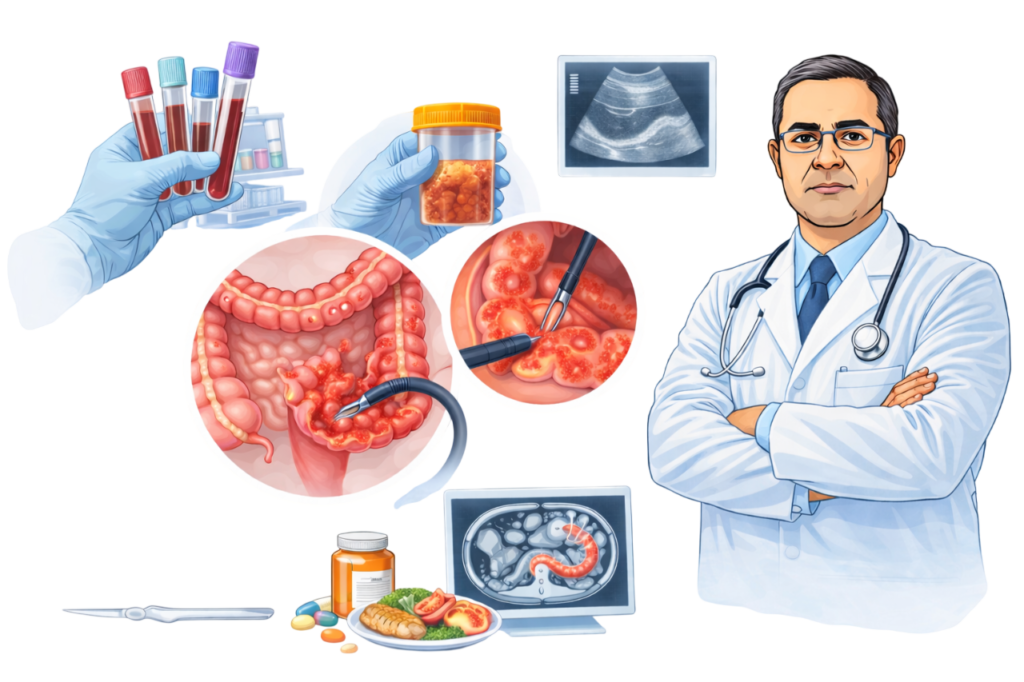
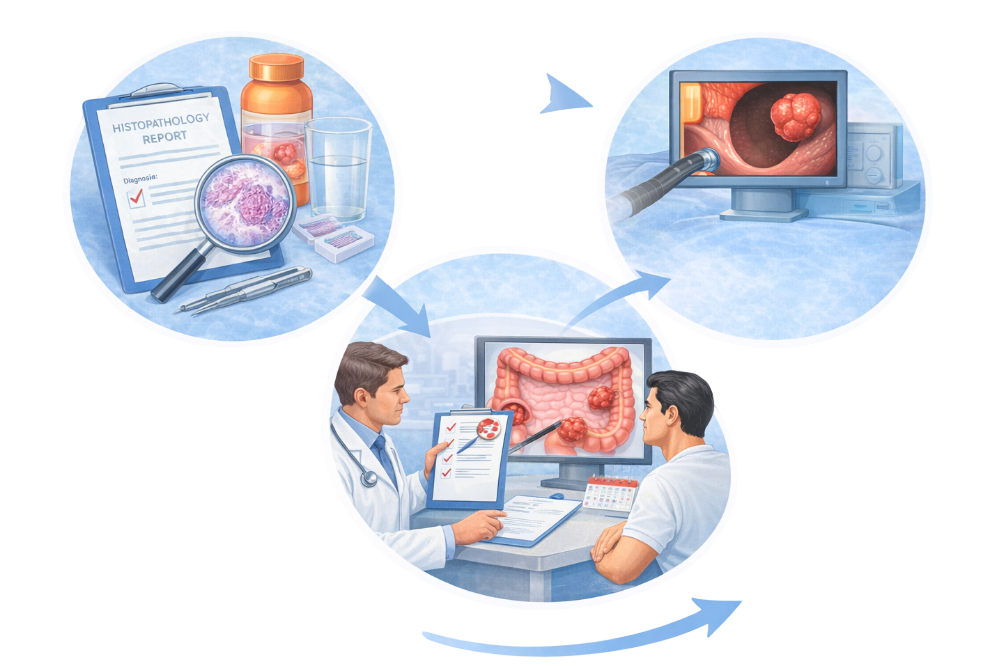
Diagnosis is based on clinical assessment and investigations, which may include:
  • Blood tests and stool examinations
  • Colonoscopy with biopsy
  • Imaging studies when required
These investigations help confirm the diagnosis and assess disease extent and severity.

Common Symptoms

Symptoms may vary depending on the extent and severity of disease activity.

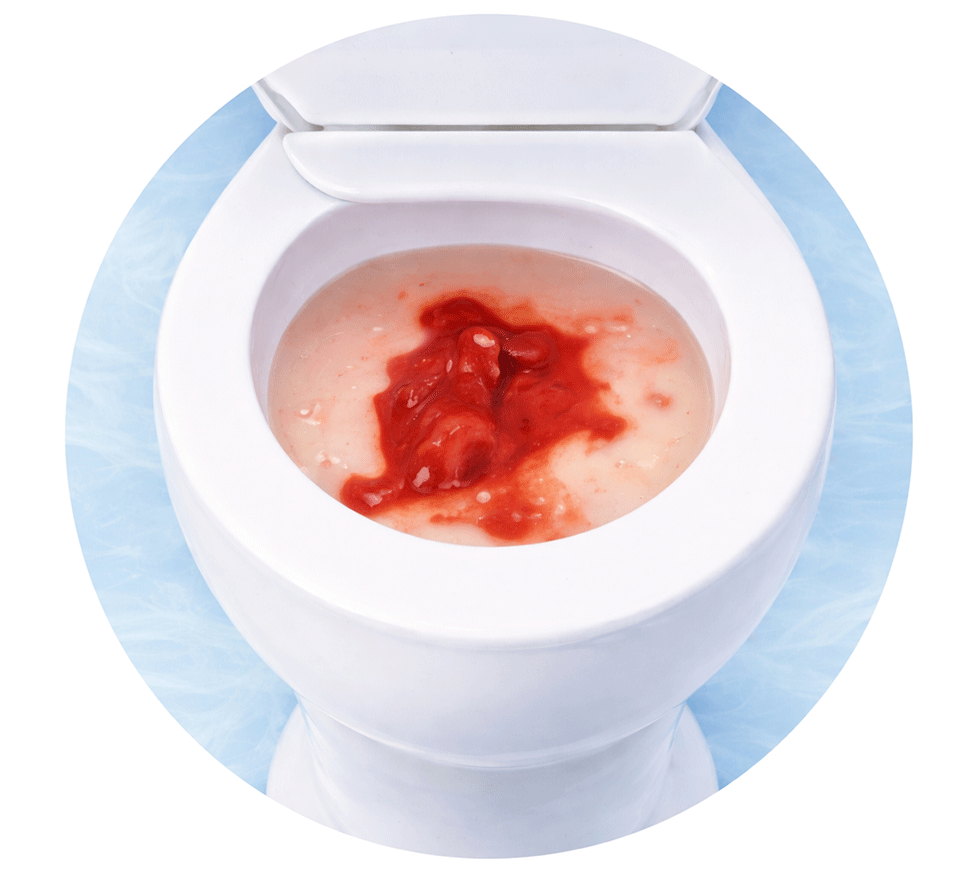
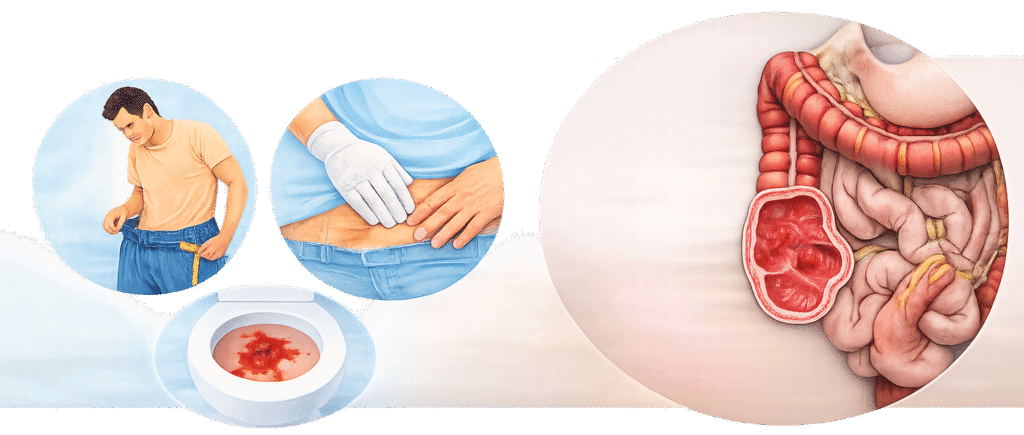
Bloody diarrhea

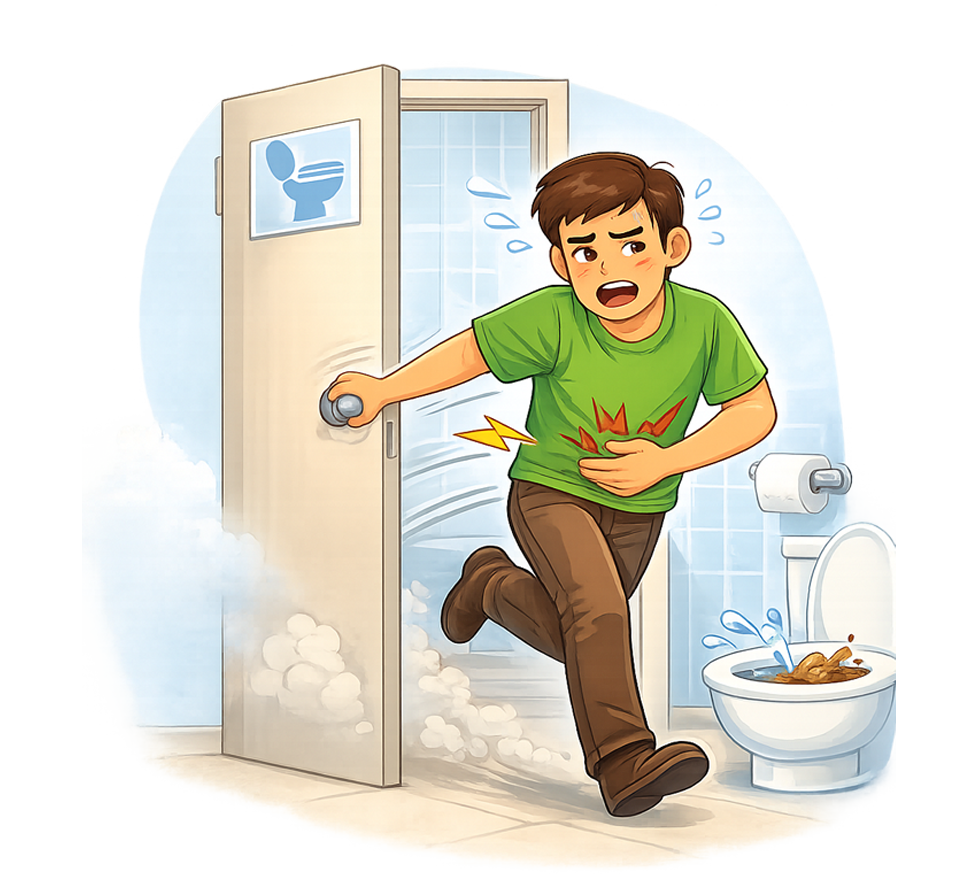
Urgency to pass stools

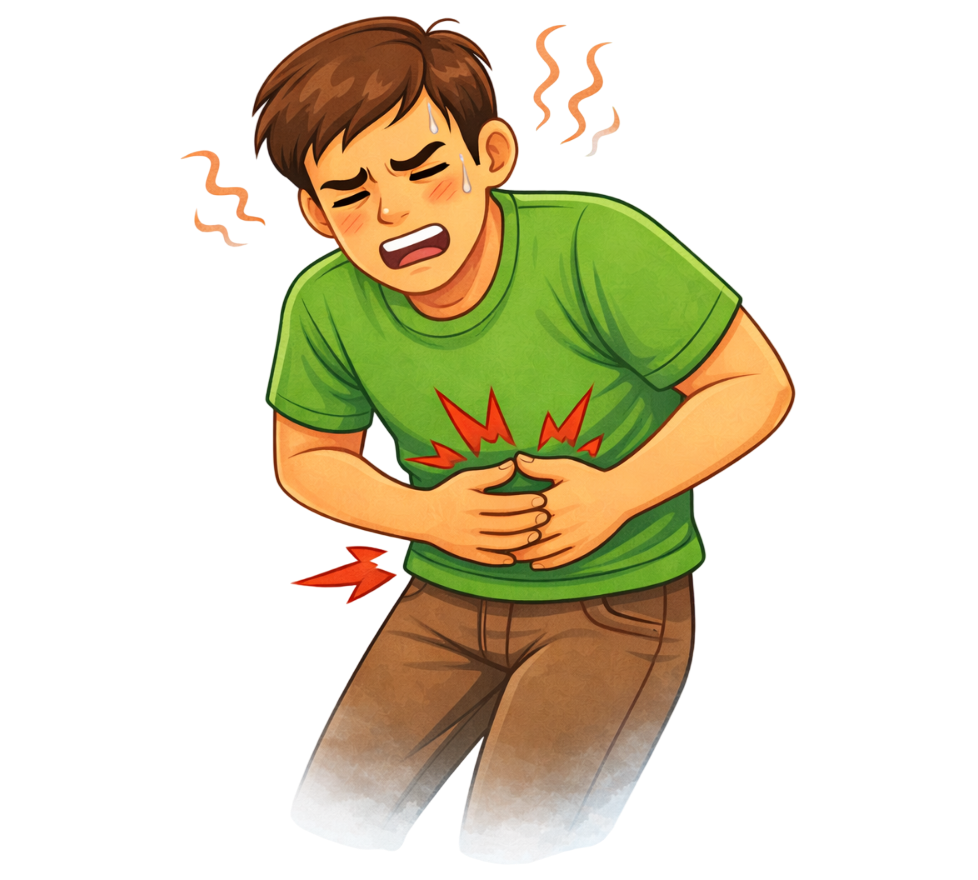
Abdominal pain or cramping

Weight loss in prolonged disease

Symptoms should be evaluated by a medical professional, particularly if persistent or severe.

Diagnosis of Ulcerative Colitis

Diagnosis is based on clinical assessment and investigations, which may include:
  • Blood tests and stool examinations
  • Colonoscopy with biopsy
  • Imaging studies when required
These investigations help confirm the diagnosis and assess disease extent and severity.

Medical Management

Medical treatment is the primary approach in ulcerative colitis and aims to induce and maintain remission.
Management may include:
  • Anti-inflammatory medications
  • Immunomodulatory therapy
  • Dietary and nutritional support
Treatment plans are individualized based on disease severity and response to therapy.

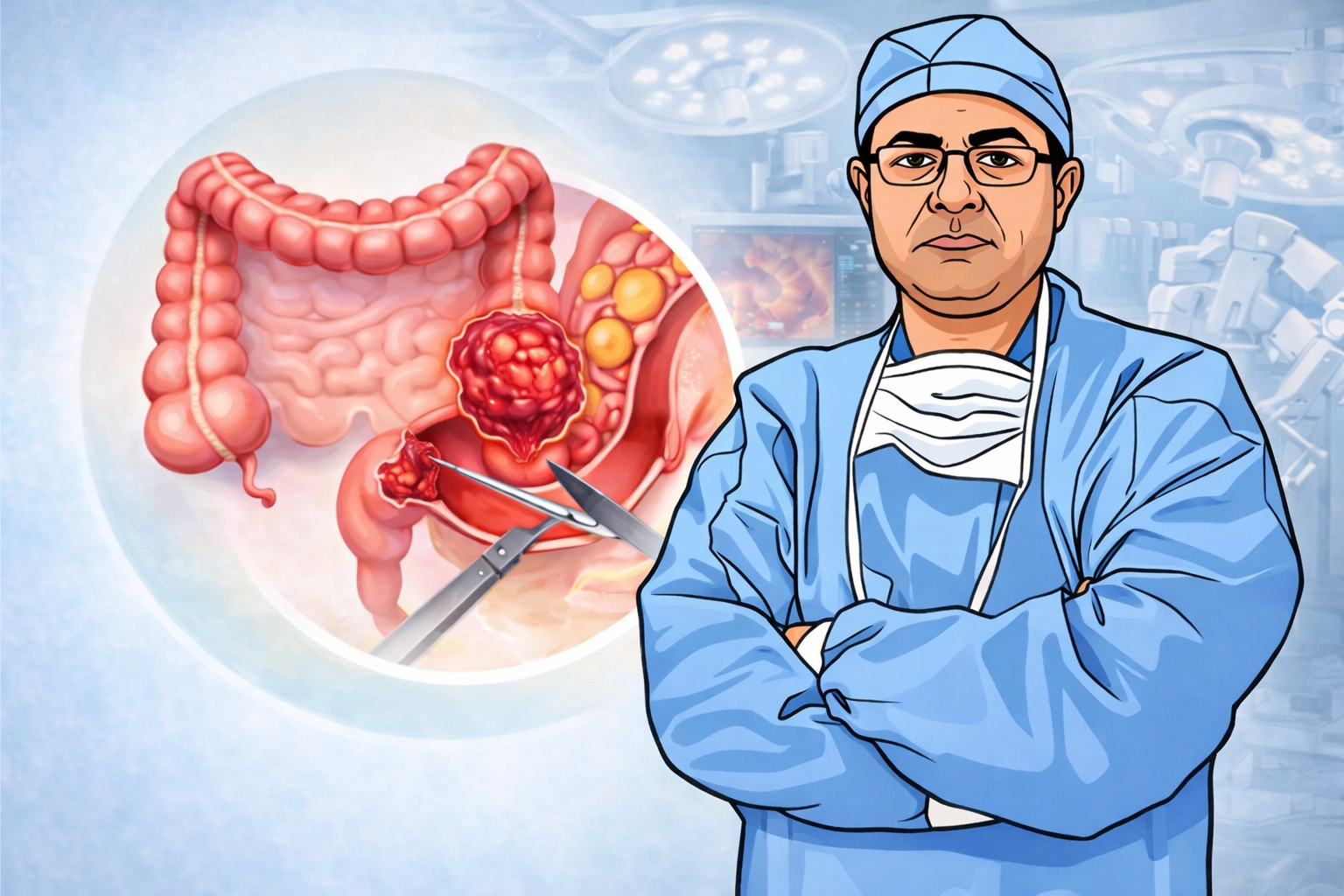
Role of Surgery in Ulcerative Colitis

Surgery may be considered in selected situations, such as:
  • Disease not controlled with medical therapy
  • Development of complications
  • Risk of malignancy in long-standing disease
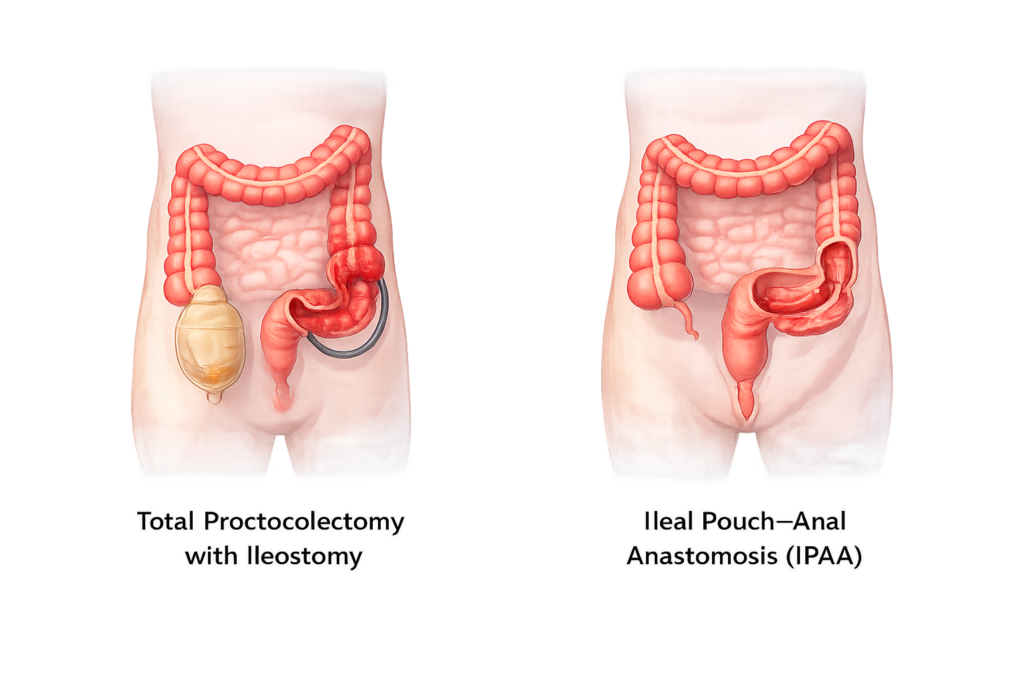
Surgical management involves removal of the diseased colon and rectum and is considered after careful evaluation.

Types of Surgical Procedures

Depending on clinical circumstances, surgical options may include:
  • Total proctocolectomy with ileostomy
  • Ileal pouch–anal anastomosis (IPAA) in suitable cases
The choice of procedure depends on individual clinical factors and patient suitability.

Pre-treatment Assessment

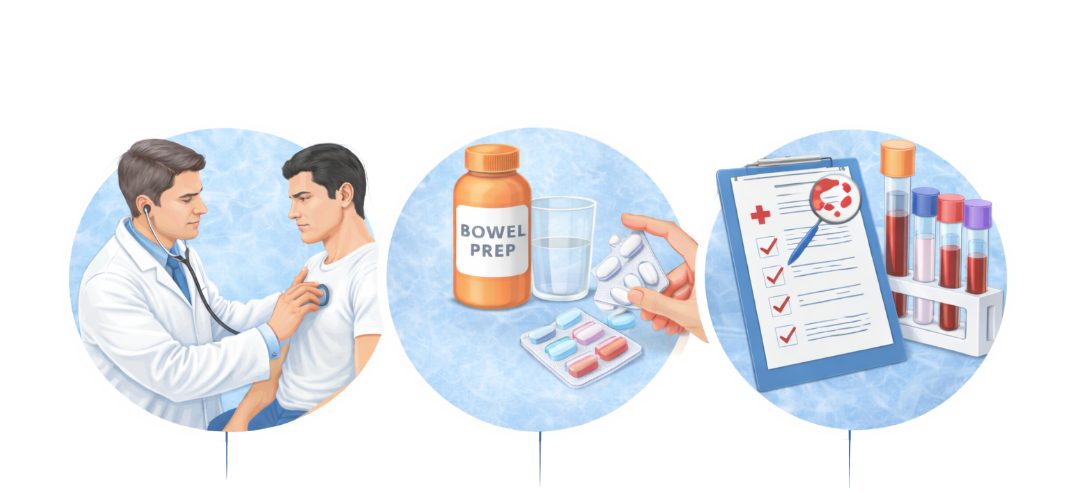
Before initiating treatment or surgery, patients typically undergo:
  • Comprehensive clinical evaluation
  • Laboratory and imaging investigations
  • Nutritional assessment
  • Anesthesia fitness evaluation when surgery is planned
These steps assist in appropriate planning and risk assessment.

Post-treatment Care and Follow-Up

Post-treatment care includes:
  • Regular follow-up consultations
  • Monitoring of disease activity
  • Long-term medical management when required
  • Surveillance for complications
Follow-up plans are tailored to individual patient needs.

Consultation for Ulcerative Colitis in Mohali

Consultation is available with Dr. Rajeev Kapoor for evaluation and discussion of management options for ulcerative colitis, particularly in cases requiring surgical assessment. Treatment decisions are based on individual clinical findings and established medical guidelines.

About the Author of This Information

Dr. Rajeev Kapoor is a practicing surgeon based in Mohali, Punjab. He provides clinical services in the field of gastrointestinal, colorectal, and general surgery. This website is intended for informational and educational purposes only.

Disclaimer

The information provided on this page is for general educational purposes only. It is not a substitute for professional medical advice, diagnosis, or treatment. Treatment decisions should be made after consultation with a qualified medical professional, based on individual clinical evaluation.
Scroll to Top
Call Now Button