blog

surgery for Rectal Cancer?
Cancer, blog

What is sphincter preservation surgery for Rectal Cancer?

Surgeons frequently remove both the rectum and the anus from patients who have colorectal cancer in the lower portion of the colon. The patient usually requires a permanent colostomy if the anus is removed; permanent colostomy is an opening from  which faeces is collected in a bag that is fastened to the abdominal wall. Surgery that “spares” the anal sphincter while safely removing the rectal cancer is known as sphincter-sparing surgery. The rectum can be completely or partially removed during Low Anterior Resection, a surgical option for low rectal cancer. Rectal cancer treatment frequently necessitates the removal of entire rectum.  The final component of digestive system is the large intestine, which is composed of colon and rectum. The rectum and anal region make up the final 18 cm of the large intestine. Sphincters are located along the anal canal, which is the 3.8 cm portion lying next to the anal opening. Principles of cancer surgery includes removing a minimum of 2 cm of rectum below the edge of the cancer to ensure complete removal of rectal cancer. Advantages of Sphincter-sparing Surgery This surgery allows a patient with low rectal cancer retain control over the bowel movements; it also helps to Enhances the quality of life Provides cancer cure rates equal to more extreme surgery Eliminates the need to remove the sphincter muscles and anus, which allows you to eventually return to passing bowel movements through your anus What Happens During Sphincter-sparing Surgery? In this surgery, the surgeon mobilizes the rectum beyond the tumour till the edge of the sphincter. He tries to get beyond the tumour by a minimum of 2 cm and creates a space to place the stapler. If possible, it is called sphincter sparing surgery and prevents the patient from having a permanent stoma. What are these surgeries called These surgeries are called Low Anterior Resection or Ultra Low Anterior Resection What are the special requirement for sphincter saving surgery? There are many requirements for this surgery. The most important is availability of stapling devices. As we know that pelvis is a very small narrow area located in the lower part of the abdominal cavity. The rectum is located in the pelvis. Along with rectum, the pelvis also has a urinary bladder as well prostate in males and uterus and both ovaries in females. Once the rectum is removed, precise stapling instruments help the surgeon to join back the cut end of the lower rectum as well as the cut end of the left colon. The include circular stapling devices as well as flexible right angles stapling devices. There are many variants available to choose from. The choice will depend upon the kind of surgery as well as the patients’ habitat. What are the precautions required for sphincter saving surgeries? Oncologic principles of cancer removal have to be followed. Can sphincter saving surgeries be done with minimal access? Yes. These surgeries can be done with a robotic or laparoscopic approach. However, a small incision will have to be given to remove the excised part of colon. Conclusion Thus, if one has a low rectal cancer, there is a probability that sphincter saving procedure can be done. Patient should consult a colorectal surgeon and discuss the possibility.

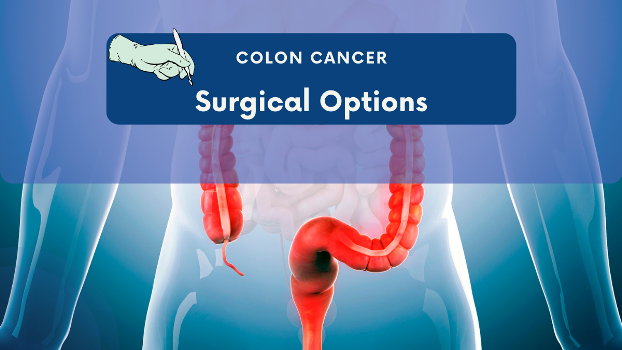
Surgical Options For Anal
Cancer, blog

Relevance of Breast Cancer Awareness Month

Breast Cancer Awareness Month Each year, October is breast cancer awareness month, a campaign to educate people about breast cancer. It is one of the commonest cancer in India. Breast cancer is defined by unrestrained development of cells, which leads to formation of swellings within the breast. If not spotted early, it can spread to other parts of the body. Breast cancer affects females both in the established and the developing world. This cancer can arise at any age but, very common above the age of 40 years. Breast Cancer is the second most commonest cancer in women in India. The typical age of developing breast cancer is 30 – 50 years. Risk factors: Family History: Ladies whose mother or sibling had breast cancer carry a greater risk of establishing this disease. Breast swellings: Women who have actually had some type of non-cancerous breast lumps are more likely to establish cancer later on. Age: As women get older, they are at higher threat of breast cancer. Diet plan and way of life choices: Females who smoke, eat high fat diet plan, drink alcohol are more at risk of establishing breast cancer. Weight problems: Obese ladies are at a higher risk of establishing breast cancer. Oestrogen exposure: Ladies who began having periods early or gone into menopause later than typical are at a greater threat of developing breast cancer. Tips for Breast Cancer Prevention It is necessary to self-examine your breasts. Ladies need to be aware as to how their breast generally feel and look. If you feel any change, then speak with your doctor. It is advisable for females who are around 40 to get their mammography done. It is an easy radiographic technique which helps in detecting abnormalities in the breast tissue. Addition of vegetables and fruits in your diet plan helps in keeping a healthy body weight. For new mothers, it is a good idea to breastfeed their child a minimum of for one year. One should be aware about self-breast exam, beginning from 20 years of age, and regularly done each month; if there is an abnormality it should be got counter checked from your surgeon.

How to control Stage 4 Rectal
Cancer, blog

How to control Stage 4 Rectal Cancer

Stage 4 rectal cancers are the ones which have spread to distant body organs as well as tissues such as the liver or lungs. Therapy alternatives for stage 4 cancer cells depend somewhat on exactly how extensive the cancer cells is. Management of Stage 4 Rectal cancer with minimal spread If there’s a possibility that all of the cancer cells can be removed (as an example, there are only a less or singular lesion in the liver or lungs), the most common treatment choices include: Surgery to eliminate the rectal cancer and far-off cancer, followed with by chemo (and/or radiation therapy sometimes). Chemo, accompanied or followed with by surgical procedure to remove the rectal cancer as well as distant cancer, generally sandwiched with by chemo as well as radiation treatment (chemoradiation). Chemoradiation, followed with by surgical procedure to eliminate the rectal cancer as well as remote cancer. This could be followed with more radiation treatment. These strategies might sustain a patient with stage 4 rectal cancer much longer. Surgical treatment to remove the rectal cancer would typically be a low former resection (LAR), proctectomy with colo-rectal anastamosis, or abdominoperineal resection (APR), depending upon where it’s located. Management of Stage 4 Rectal Cancer spread only to the liver If the only place of rectal cancer spread is to the liver, one might be treated with chemo that’s given into the artery of the liver directly. This might diminish the cancers in the liver far better than if the chemo is provided right into a arm vein (IV) or by mouth. Management of Patients with Stage 4 rectal cancer with widespread metastasis If the cancer is much more widespread as well as can not be gotten rid of entirely by surgical treatment, therapy choices depend on whether the cancer is creating an obstruction of the intestine, in which situation surgery may be required. If not, the cancer cells will likely be treated with chemo and/or targeted therapy drugs (without surgical procedure). FOLFOX: leucovorin, 5-FU, and also oxaliplatin. FOLFIRI: leucovorin, 5-FU, and irinotecan. CAPEOX or CAPOX: capecitabine (Xeloda) and oxaliplatin. FOLFOXIRI: leucovorin, 5-FU, oxaliplatin, and also irinotecan. One of the above combinations, plus either a medicine that targets VEGF (bevacizumab [Avastin], ziv-aflibercept, or ramucirumab, or a medicine that targets EGFR (cetuximab [Erbitux] or panitumumab. 5-FU and leucovorin, with or without a targeted drug. Capecitabine, with or without a targeted drug. Irinotecan, alone or in combination with a targeted drug. Cetuximab alone. Panitumumab alone. The option of drugs or drug mixes depends upon a number of elements, including any kind of previous therapies, your overall health and wellness, as well as how well you can tolerate treatment. If chemo shrinks the cancer cells, sometimes it may be possible to consider surgical treatment to try to get rid of all of the cancer now. Chemo might then be provided once more after surgical treatment. Treatment of Stage 4 non-responsive Rectal Cancer If the cancer does not diminish, a different drug combination might be attempted. For people with specific gene changes in their cancer cells, another option after preliminary radiation treatment might be therapy with an immunotherapy drug such as pembrolizumab or nivolumab. Palliative treatment for stage 4 rectal cancer For cancers that do not shrink with chemo and also extensive cancers that are causing symptoms, therapy is done to soothe signs and symptoms as well as prevent long-term problems such as bleeding or obstruction of the intestines. Treatments may consist of several of these: Surgical treatments required for palliation include: A colostomy to bypass the rectal cancer (Diversion Stoma). Fulgurating cancer in the lower rectum through the anal opening. Positioning a stent (hollow steel tube) within the rectum to keep it open; this does not require surgery. If the cancer in the liver cannot be removed by surgical treatment since they are as well huge or there are a lot of them, it may be feasible to damage them (partly or entirely) with ablation or embolization. Tips about Treatment of Advanced or Stage 4 Rectal Cancer

Surgery for colon cancer
Cancer, blog

Surgery for colon cancer: Best option for you

Surgical treatment is the most usual treatment for colon cancer and also might range from minimally invasive, such as excising a polyp throughout a colonoscopy, to, in rare instances, getting rid of the whole colon. Many surgeries for colon and rectal cancer  involve getting rid of cancer, the section of the colon in which the cancer was found, surrounding normal tissue as well as close-by lymph nodes. This is the basic principle used for all cancer surgeries of colon and rectum irrespective of whether open or minimally invasive surgical procedure is used. People may get chemotherapy treatment and/or radiation treatment before and/or after surgical procedure for rectal cancer. These adjuvant therapies may help diminish tumours prior to they are surgically gotten rid of and are intended to target cancer cells that may continue to be after surgical treatment. Such a choice will depend on the clinical staging of the cancer   Local excision and polypectomy If colon or rectal polyp or cancer is found at an early stage, it can be removed, with a colonoscope. It is a excision that does not need puncturing the abdominal wall. If the excision includes the removal of a polyp, the treatment is called a polypectomy. This is also used to remove pre malignant lesions and thus need for surgery is avoided. During these procedures, a physician accesses the colon or rectum with a colonoscope as well as a connected cutting tools used to remove the polyps or unusual cells. If a polyp or location of uncommon cells cannot be excised through these treatments, laparoscopic or open surgery may be needed. Colectomy: Total or Hemicolectomy A colectomy is the removal of all or part of the colon. The resection might be carried out as a less intrusive laparoscopic colectomy. If open surgery is needed, a lengthy incision in the abdomen might be required. With open surgery, patients will remain in the hospital for a week or more and might have a longer period of recovery. Early discharge is possible with laparoscopic or open surgery. Laparoscopic surgery for Colon Cancer Colorectal surgeon will carry out a laparoscopic colectomy to get rid of the malignant part of the colon and also neighbouring lymph nodes, and afterwards reattach the healthy ends of the colon. A laparoscopic colectomy may result in less pain, a shorter stay in the health centre and also a speedier recovery. With a laparoscopic colectomy, about 4 to 5 tiny lacerations are made around the abdomen. The medical oncologist after that inserts a laparoscope, a thin tube outfitted with a small video camera that projects photos of the within the abdominal area on a nearby screen. The colorectal surgeon after that inserts tools via these small cuts to do the surgery. Types of Colectomy used for Colon Cancer The type will depend upon the location and extent of the tumour. This will also depend on the number of tumours found in the colon. Based on above these could be: Total Colectomy Subtotal Colectomy Right Hemicolectomy Right Extended Hemicolectomy Left Hemicolectomy High Anterior Resection Sigmoid Colectomy Proctocolectomy Colostomy for colon cancer A colostomy may be needed, relying on the kind as well as degree of the colon surgical treatment carried out. During this procedure, the colon is linked to a hole in the abdomen (called a stoma) to draw away faeces from a damaged or surgically fixed part of the colon or anus. Some colostomies may be reversed as soon as the repaired tissue heals. Various other colostomies are irreversible, as well as the stoma is affixed to a colostomy bag that accumulates waste. These are called permanent colostomies and are used for very low rectal cancer which is near the anus and the sphincters are involved. Proctectomy A proctectomy is used to get rid of all or part of the rectum. A low-anterior resection entails the removal of rectum for cancer located in the top part of the rectum, which is closest to the S-shaped sigmoid colon. Some surrounding healthy rectal tissue may likewise be eliminated, in addition to nearby lymph nodes and also fatty tissue. This surgery involves a joint made with special staplers and the colostomy used is temporary. A pathologist will analyse the lymph nodes to identify if cancer cells are present. This will certainly aid physicians identify the stage of the disease and also whether chemotherapy and or radiotherapy is required. After the cancerous section of the rectum is eliminated, the colorectal oncologist links the sigmoid colon with the remaining healthy part of the rectum below the cancer. This allows waste to pass typically out of the body through the anus, once the temporary stoma is removed. Abdominoperineal resection (APR) is made use of to deal with cancer in the lower rectum. Since this treatment needs removal of the cancerous section of the lower anus nearest the anus, some or every one of the anal sphincter is likewise gotten rid of. The sphincter is a muscle that maintains the anus shut and protects against stool leak. Since the sphincter is in charge of digestive tract control, the colorectal surgeon additionally carries out a colostomy to enable the body to secrete waste. Laparoscopic or Robotic Surgery for rectal cancers All kind of proctectomies in including APR are also done by these procedures. Robotic surgery gives an edge over laparoscopic surgery as it has better magnification and is more precise in limited spaces. However open surgery may be required for larger or fixed tumours of the rectum. HIPEC for Colon Cancer Hyperthermic intraperitoneal radiation treatment (HIPEC) is an extremely focused, warmed chemotherapy therapy that is supplied directly to the abdominal area throughout surgery. Unlike systemic radiation treatment distribution, which distributes throughout the body, HIPEC may supply chemotherapy directly to cancer cells in the abdomen. This allows for higher dosages of chemotherapy therapy. HIPEC might be especially practical for people with colon cancer or rectal tumours that have not involved organs such as the liver or lungs, or to lymph nodes outside

Anal Fistula Surgery in Chandigarh
Anal Fistula, blog

Anal Fistula: Surgery is the Best Bet

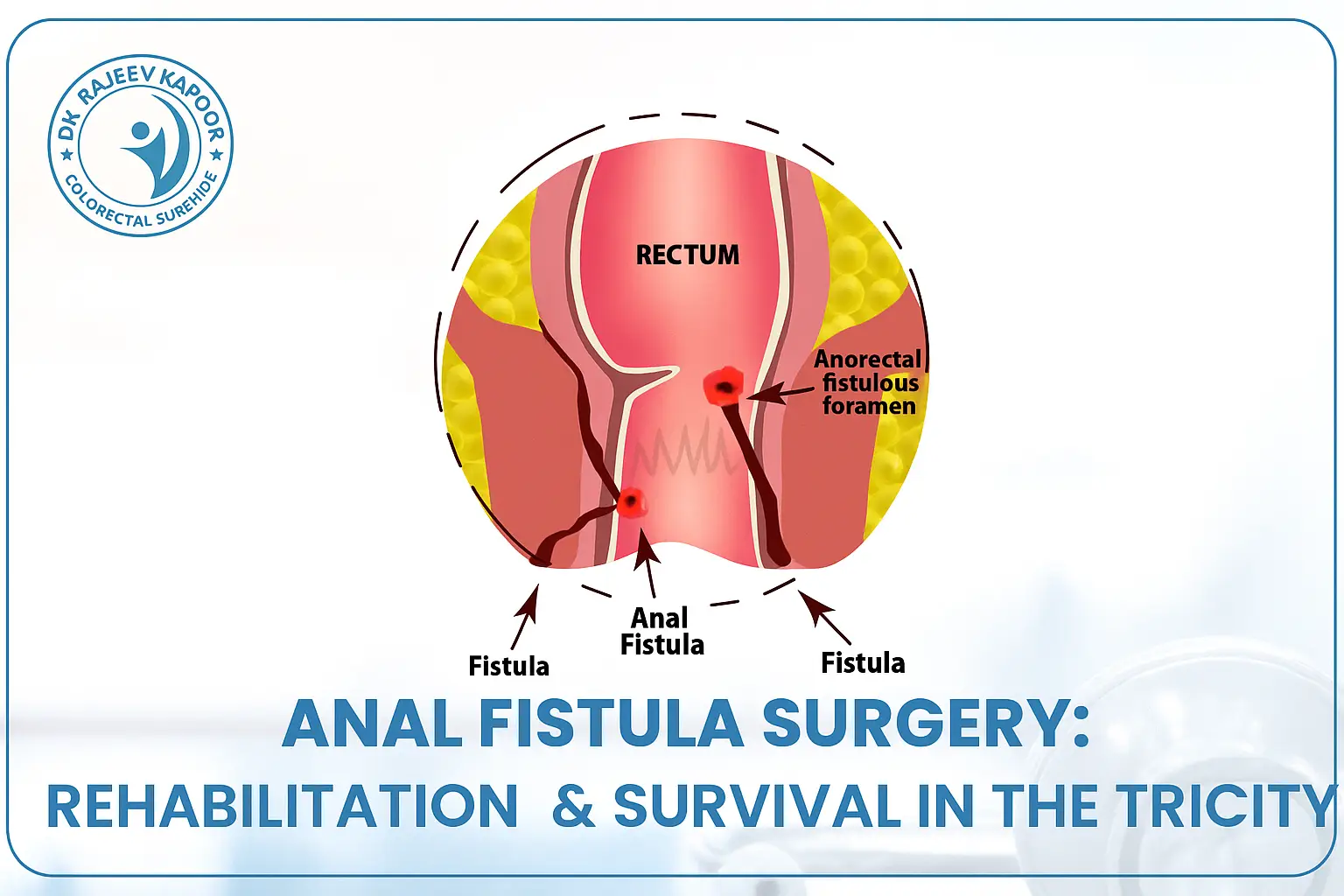
Anal Fistula Surgery Surgery is typically essential to deal with anal fistula as they normally do not heal on their own. There are a number of different procedures. The very best alternative for you will certainly rely on the position of anal fistula and also whether it’s a solitary channel or branches off in various instructions. Occasionally you might require to have a first evaluation of the location under general anaesthetic (where you’re asleep) to assist figure out the best treatment. This is called Examination under Anaesthesia. This can be done during the main surgery too. Proper communication and consents will have to be obtained about possible options to be used. Your colorectal surgeon will talk to you concerning the choices available and which one they really feel is one of the most suitable for you. There are a few procedures, which became popular but long term results showed high recurrence rates and thus they fell by the way. Surgical treatment for an anal fistula is typically executed under general anaesthetic. In most cases, one day overnight stay in the hospital is required afterwards. Also See: Fistula Doctor in Chandigarh The main goal of fistula surgery treatment is to heal the fistula while avoiding damage to the sphincter muscle mass, the ring of muscular tissues that open up as well as shut the rectum, damage to which might possibly cause loss of control (anal incontinence). The most commonly used procedures are: Fistulotomy One of the most common type of surgical treatment for rectal fistulas is a fistulotomy. This includes cutting along the whole size of the fistula to open it up so it recovers and heals from within. A fistulotomy is one of the most effective treatment for lr fistulas that do not go through a lot of the sphincter muscle mass, as the risk of incontinence is least in these cases. If the specialist needs to cut a portion of anal sphincter muscle mass throughout the procedure, or the risk of incontinence is thought to be high, another procedure might be advised instead. Seton surgery If a considerable portion of rectal sphincter muscular tissue is involved, a seton surgery will be done, which is inserted into the fistula tract running across the muscle. The rest of the fistula tract is excised and the wound laid open. A seton is an item of medical string that’s left in the fistula for several weeks to keep it open. This allows it to drain and also assists it heal, while preventing the damage to the sphincter muscles. Loose setons permit fistulas to drain, however they do not cure them. They help in draining all the pus and infection over a span of weeks or months. Subsequently another surgery is required to use a tighter seton, which cuts the tract gradually over days or weeks.  This way the sphincter gets time to heal and thus maintain continence. At time, this may require numerous procedures that the doctor can go over with you. It may involve using a combination of the procedures depending upon the type of fistula. At times, The procedure involves opening up a little section of the fistula each time. Advancement flap surgery An advancement flap treatment might be considered if your fistula travels through the rectal sphincter muscular tissues and other procedures have not given good results. This entails cutting or scraping out the fistula as well as covering the hole where it went into the bowel with a flap of tissue extracted from inside the rectum, which is the final part of the digestive tract. This is used very selectively as it carries a high recurrence rate. It may be used in conjunction with seton surgery. Other Procedures There are some other procedures being used for treatment of anal fistulas recently and the long term success rates are either awaited or not very good. A few have shown good results in simple fistula. Some of the procedures are meant for specific fistulas and some just are alternate procedures. A few like fibrin glue, fistula plug and endoscopic ablation have shown higher recurrence rates. LIFT and laser ablation procedures will need more time to show long tern results, but could be used selectively for specific fistulas. At this time, best results are shown by fistulotomy or seton techniques, but as said before the choice of surgery to be employed depends on the number, length, association with abscess, previous surgeries and underlying diseases. At times, a combination of procedures give the best result. Risks of anal fistula surgery Like any type of type of therapy, therapy for anal fistulas brings a number of risks. The primary risks are: Infection as this is a high bacteria colonized area because of the passage of stools. Recurrence of the fistula– the fistula can occasionally persist despite surgical treatment Faecal incontinence— this is a potential danger with the majority of types of rectal fistula treatment, although severe incontinence is uncommon and also every effort is certainly made to prevent it. Things to remember about Fistula Surgery

Anal Fistula: The Best option is Seton Surgery
Anal Fistula, blog

Anal Fistula: The Best option is Seton Surgery

An anal fistula is a little passage that communicates in between the lumen of the digestive tract and the skin near the rectum and anal canal. They’re normally the result of an infection near the anus triggering a collection of pus (abscess) in the anal glands. When the pus drains out, it can leave a tiny track behind. Signs and symptoms of an anal fistula skin irritation around the rectum a continuous, throbbing discomfort that might be even worse when you take a seat, walk around, poo or coughing smelly discharge from near your anus passing pus or blood when you move your bowel swelling as well as inflammation around your anus and also a high temperature (fever) if you have an abscess difficulty controlling defecation (fecal incontinence) in some cases Fistula could be visible as a hole in the skin near your anus, although this may be difficult for you to see on your own.   Diagnosis of anal fistula a more physical as well as anal exam a proctoscopy, where an unique telescope with a light on completion is made use of to look inside your anus an ultrasound check, MRI scan or CT scan Causes of anal fistulas Most fistulas develop after an anal abscess. This will happen if the abscess does not recover effectively after the pus has receded. Other causes of anal fistulas consist of: Crohn’s disease — a long-term condition in which the gastrointestinal system ends up being involved Diverticulitis– infection of the small pouches that can stick out of the side of the large intestinal tract (colon). Hidradenitis suppurativa– a lasting skin condition that causes abscesses and also scarring. infection with TB or HIV. Complication of surgical procedure near the anus. Treatment of anal fistula. Anal fistulas usually call for surgical procedure as they hardly ever recover if left unattended. Since the area has lot of bacteria and cannot be rested, the post operative recovery takes time. The main options consist of: There are plenty of procedures advised; however the best results are with the following procedures Fistulotomy— a procedure that involves cutting open the whole size of the fistula so it recovers into a flat scar and is done with smaller fistulas. Seton surgery — where an a surgical thread called a seton is positioned in the fistula and left there for numerous weeks to assist healing prior to further treatment is executed to treat it or used as a cutting seton to save the sphincter damage thus preserving continence. Patients require to remain in hospital over night after surgery, although some may require to remain in healthcare facility for a couple of days. Important tips for Anal Fistula Colorectal surgeon should be consulted sooner than later. Anal fistula need surgery for treatment. Multiple staged procedures (surgeries) may be required depending on the presence of pus, number of openings and history of previous surgery. Loss of work days are minimal, though patient may nurse a post-operative wound which heals gradually Post-operative dressings are very well managed by the patients once guided well.

Stage 4 Colon Cancer: Now There is Hope with Treatment
Cancer, blog

Stage 4 Colon Cancer: Now There is Hope with Treatment

Colon cancer is the 3rd most commonly identified cancer in both males as well as females in the world. In India, 4.4 people per lac get colon cancer and thus almost 60,000 people get colon cancer each year or 157 new colon cancers are diagnosed every day. Overall 5 years survival rates are 14 to 19%; however 5 year survival rates for patients with stage 4 colon cancer that metastasize to liver and had removal of liver metastases at the same time as colon surgery improved up to 70%, which is a huge survival advantage. Stage 4 colon cancer is late-stage cancer in which the disease has actually spread to other tissues or body organs in the body and also is, as a result, harder to treat. Treatment may just be partly successful, and also cancer may be more likely to return after treatment. Colon cancer usually infects the liver, however it can also infect other locations like the lungs, brain, peritoneum, or to distant lymph nodes. Surgery followed by chemotherapy for stage 4 colon cancer If there are only a couple of small locations of cancer spread (metastases) in the liver or lungs and they can be removed along with the colon cancer, surgery will give the best results. Colon surgery along with removal of a part of the liver or lung containing the cancer  procedure may give better results and helps one live longer. Surgery will be followed by appropriate chemotherapy. It’s very crucial to understand the goal of the surgery ─ whether it’s to try to heal the cancer or to avoid or alleviate signs and symptoms of the cancer. This aspect has to be clearly understood, if one has stage 4 colon cancer. Chemotherapy for stage 4 colon cancer followed by surgery and further chemotherapy If the metastases cannot be eliminated because they’re too big or there are as well several of them, chemotherapy may be given before surgery (neoadjuvant chemo). Chemo may be offered once more after surgical treatment. A lot of patients respond very well to this combination management plan. At times, the secondary tumours will disappear outright and thus the surgical procedure does become simpler and yields better results. Chemotherapy for colon cancer If the cancer spread excessive and widespread, one will not attempt to treat it with surgical procedure; chemotherapy is the main therapy in these situations. Surgical procedure might still be required if the cancer  is blocking the colon or is most likely to do so; this is called colon obstruction or large intestinal obstruction. Chemotherapy remains the backbone of management in these situations. Stage 4 colon cancer with intestinal obstruction Sometimes, a surgical procedure can be avoided by putting a stent (a hollow steel tube) right into the colon where the cancer is, during a colonoscopy, to keep it open. Otherwise, operations such as a colectomy or diverting colostomy (cutting the colon above the level of the cancer, bringing it out and affixing the end to an opening in the skin on the  belly to enable waste to be collected in a bag). This is called a colostomy or an ileostomy; these are also called diversion stomas. Chemotherapy or targeted therapy or both for stage 4 colon cancer Most people with phase IV cancer cells will certainly obtain chemo and/or targeted therapies to regulate the cancer cells. A few of the most typically regimens include: FOLFOX: leucovorin, 5-FU, and also oxaliplatin. FOLFIRI: leucovorin, 5-FU, as well as irinotecan. CAPEOX or CAPOX: capecitabine (Xeloda) and oxaliplatin. FOLFOXIRI: leucovorin, 5-FU, oxaliplatin, and irinotecan. One of the above mixes plus either a drug that targets VEGF, (bevacizumab [Avastin], ziv-aflibercept, or ramucirumab, or a drug that targets EGFR (cetuximab [Erbitux] or panitumumab. 5-FU and leucovorin, with or without a targeted medication. Capecitabine, with or without a targeted medicine. Irinotecan, with or without a targeted medicine. Cetuximab alone. Panitumumab alone. Regorafenib  alone. The option of regimen to be used depends upon a number of aspects, including previous therapies you’ve had and also your overall wellness. At times one has to toggle these combinations depending upon the effectiveness of these medications. Radiotherapy for stage 4 colon cancer Radiation treatment can also be made use of to relieve signs and symptoms in the colon from the cancer such as pain. It could additionally be used to treat locations of spread such as in the lungs or bone. It may reduce tumours for a while, but it’s not most likely to treat the cancer. Outcomes after treatment of stage 4 colon cancer Thus, we can safely say that the 5 year survival rates for colon cancer range between 14% to up to 70%. The success of specific treatment approaches may differ among individuals, with treatments successful for some individuals having little effect in others. Additionally, specialists base these statistics on previous cases. As treatments often tend to get better gradually, survival rates may be more reliable and better as improved treatments become available. Specific factors can likewise play a significant function in a person’s outcome. For instance, the age as well as general wellness of a person might influence their responsiveness to therapy. Recap for Stage 4 Colon Cancer

Second Cancer After Colon Cancer: Survivors need to be careful
Cancer, blog

Second Cancer After Colon Cancer: Survivors need to be careful

Colon cancer survivors can have a number of unrelated illnesses, yet usually a major concern is encountering cancer once again. Cancer that returns after therapy is called a recurrence. Some colon cancer survivors get a new unrelated cancer later in life. This is called a second cancer and has to be treated according to its own merit. They could be at greater risk for certain other types of cancer.   Individuals that have had colon cancer can get any sort of second cancer , but they have an enhanced risk of the following cancers as observed: A new colon cancer which is different from the first cancer coming back Rectal cancer Uterine cancer Anal cancer Oral cavity cancer Stomach cancer Small intestine cancer Kidney cancer Bile duct cancer Reason for second cancer after Colon Cancer The increased threat with a few of these cancers might be due to common threat aspects, such as diet, obesity, as well as exercise. Genes may likewise be an element. People with Lynch disorder (genetic non-polyposis intestines cancer cells) have actually an increased risk of many of these cancers. Follow-up after colon cancer surgery After finishing therapy for colon cancer, you should still see your physician regularly to try to find indications that cancer has actually returned or spread out. Survivors of colon cancer must additionally comply with the Screening Guidelines for the Early Detection of Cancer, such as those for breast, cervical, lung, as well as prostate cancer. For individuals who have actually had colon cancer , most experts don’t advise any extra screening to try to find second cancers unless one has symptoms. One possible exemption is in women that had colon cancer as a result of having Lynch disorder, as these women are likewise at raised threat for endometrial and also some other cancers. If you have Lynch disorder or one or more acquired syndrome, it’s important to talk to your doctor regarding your dangers. Can I decrease my danger of getting a second cancer? There are actions you can take to reduce your risk and stay as healthy and eat balanced diet as feasible. For example, people who have had intestines cancer cells ought to do their finest to stay away from tobacco items. Smoking cigarettes may even more enhance the risk of a few of the second cancers that are extra common after intestines cancer. To aid keep good wellness, colon cancer survivors need to: Get to and remain at a healthy and balanced weight. Be energetic Follow a healthy eating pattern that consists of plenty of fruits, vegetables, and whole grains, and restrictions or stays clear of red and processed meats, sweet drinks, as well as processed foods. It’s best not to drink alcohol. If you do drink, have no more than 1 beverage each day for ladies or 2 per day for men. Dr. Rajeev Kapoor is the best colon cancer surgeon in Chandigarh. If you diagnosed with colon cancer, make an appointment today!

What to Do About Painful Haemorrhoids
blog, Haemorrhoids, Piles

What to Do About Painful Haemorrhoids

About Painful Haemorrhoids There are blood vessels in the last portion of your intestines. When these vessels become swollen or large, these are called haemorrhoids. These can cause a variety of symptoms in more than 20 percent of populace. Pain is one of the most commonest symptom. The pain, discomfort as well as distress of piles can be embarrassing, but if you’re experiencing this condition, know that you’re not the only one. However, there are real treatment choices to attend to the signs and symptoms and also prospective problems of this common ailment. The very best and latest therapy strategy to resolve your painful piles and also promptly ease your signs and symptoms is available now. Signs and symptoms as well as causes of haemorrhoids. Piles are of two kinds, internal and outside. Apart from pain, piles can also feature symptoms that include bleeding, itching and prolapse The commonest cause of piles is because of straining during defecation from chronic irregular bowel movements or diarrhoea. Doing a lot of hefty training and exercises can result in haemorrhoids, as well as they generally establish during pregnancy and delivery. These are common in both the gender and more frequent as you age. Also See: Piles Doctor in Chandigarh At-home therapy options for painful haemorrhoids If you just have mild signs, you could be able to treat your painful haemorrhoid in the house. Begin by drinking plenty of water and enhancing the quantity of fibre in your diet plan. If you’re spending  lot of time on the toilet and straining as well, try to limit this habit. Warm water immersion can also help. If the pain persists consult a colorectal surgeon. Quick management for painful haemorrhoids There is no reason, why one should some remain in pain because of haemorrhoids.. Amongst your treatment alternatives for haemorrhoids are rubber band ligation or urgent surgery due to a thrombosed external haemorrhoid, which can be very painful. Relying on the intensity of your condition, the decision is taken. At times a properly conducted non-surgical treatment can ward of the painful emergency and subsequently the haemorrhoids are dealt with according to their merit. These include traditional haemorrhoidectomy to eliminate outside and inner piles, in addition to minimally intrusive and incision-less banding of haemorrhoids. Stapling can be used for prolapsing haemorrhoids. This procedure is reserved for very few but is very useful at times.   Thus it is prudent to consult a colorectal surgeon at the earliest especially for painful haemorrhoids as this pain can be very excruciating and does not allow the patient to sit comfortably. Tips for Painful Haemorrhoids

Rectal Cancer
Cancer, blog

Rectal Cancer Survivor takes life one day at a time

“Take one day at a time; always look on the positive side; and never give up.” This is what Ruchi (name changed) has to say as she battled a life changing event in her life when in May, 2012, she was diagnosed with rectal cancer that had spread to her liver. She was 32, recently married and planning to have a child. Signs and symptoms of rectal cancer Ruchi noticed something was wrong when she had multiple bleeding bouts over a span of 14 days. She had been diagnosed with haemorrhoids years ago and thus attributed her symptoms to haemorrhoids flaring up. She hoped the bleeding and urgent need to use the washroom was temporary and what she was experiencing was just a one-time flare up. However, over the next few weeks, the bleeding became more frequent and urgency continued. By the end of November, Ruchi’s symptoms stayed and she was forced (as she says) to seek appointment with me. Ruchi’s energy level had dropped so low, she was having trouble performing her job working. Bleeding with stools can be due to many reasons and should never be ignored. One of the reason for this could be a cancer of the lower colon or rectum. Many a times these bleedings are attributed to piles and thus managed without seeking a doctors consult. If this bleeding is because of a cancer, we lose chance of picking it up early and thus ensuring cure. I examined Ruchi and found that she had external haemorrhoids. However on examination of her back passage I found a tumour in her rectum. Rectum is the last portion of the intestines, where stools are stored. This area can be examined digitally with a gloved finger right in the outpatient clinic. I ordered tests which also included a colonoscopy. Her haemoglobin was low because of her bleeding. In colonoscopy, I found a large tumour in the lower rectum, 2 cm away from her anal opening. I took biopsies which came as cancer. Her CT scan revealed that she also had a solitary tumour in the liver and thus she was diagnosed to be having stage 4 rectal cancer. Counselling about rectal cancer and outcomes I sat down with Ruchi and her husband and broke the news to them. I explained about the disease and various treatment options. I also gave hope as stage 4 rectal cancers can be treated successfully and almost up to 30 percent patients have a good survival chance. The session lasted for almost an hour. I called them again next day to further discuss her treatment plans as well as answer any more questions they had. They were of course devastated at the news. Stage 4 rectal cancer requires chemo as well as radiation, followed by surgery. Her ova had to be procured and saved for future so that she can have babies. Ruchi describes getting the news she had cancer as shocking, but she says that she didn’t feel scared. “Even though both of us were crying, I was sure I was going to face it with courage”. She knew that she could rely on her husband’s support. She was also sure her parents would also help her in the crisis. She was very determined to remain positive. Surgery, chemotherapy and radiation for rectal cancer Stage 4 rectal cancer has many pathways for treatment depending on quite a few factors. After a tumour board meeting, it was decided to treat her with chemotherapy followed by radiotherapy and then surgery if required. With chemotherapy her liver tumour vanished and rectal tumour became small. After radiotherapy, the rectal tumour was difficult to feel but she had problems with incontinence. So APR surgery was planned for her. In this major surgery the rectum along with back passage is removed and the patient is given a permanent stoma called end colostomy. Ruchi underwent surgery to remove the tumour and got a permanent colostomy, where the end of her colon was brought out through a hole created in the abdomen wall on left lower abdomen. This allows wastes (faecal matter) out of the body, which is collected in a colostomy bag, that has to be emptied regularly. Life with a permanent stoma for rectal cancer surgery Ruchi says that the colostomy bag was a big mental block for her. She had been counselled about her permanent colostomy by a stoma therapist in my team, but Ruchi was still apprehensive. However the stoma therapist had multiple meetings with her and her husband and slowly she adjusted to life with a stoma. Her main focus remained about the cancer being completely eliminated and thus a favourable biopsy report after her surgery elevated her mood. “At that point, I started thinking about a future and that helped me. I was so focussed on my cancer that my communication with my husband were always about my cancer, treatment and outcomes. One month after the surgery, when I was told that the cancer at that stage had been eliminated from the body, I felt so relieved. My liver looked good and thus no further treatment was required.” Ruchi was now learning to live with her stoma and changed life style. We encouraged her to start thinking about normal chores and getting involved in managing her house. We also started her on daily exercises, walks and trips to the park. Ruchi was also counselled about her relationship and sex life. She was encouraged to roll back into the relationship at her pace. Her partner was also counselled about living with a person with a stoma. Having an understanding partner is very important; Ruchi was very lucky on that front. Surveillance for Rectal Cancer We made a 7 year surveillance plan for her so that we remain on the lookout for the cancer coming back. A three monthly visit to the clinic and yearly plan for scans and colonoscopy was planned. No bag after rectal cancer surgery 8 weeks after surgery, the stoma therapist

Scroll to Top
Call Now Button