Cancer

Surgical Options For Anal
Cancer, blog

Relevance of Breast Cancer Awareness Month

Breast Cancer Awareness Month Each year, October is breast cancer awareness month, a campaign to educate people about breast cancer. It is one of the commonest cancer in India. Breast cancer is defined by unrestrained development of cells, which leads to formation of swellings within the breast. If not spotted early, it can spread to other parts of the body. Breast cancer affects females both in the established and the developing world. This cancer can arise at any age but, very common above the age of 40 years. Breast Cancer is the second most commonest cancer in women in India. The typical age of developing breast cancer is 30 – 50 years. Risk factors: Family History: Ladies whose mother or sibling had breast cancer carry a greater risk of establishing this disease. Breast swellings: Women who have actually had some type of non-cancerous breast lumps are more likely to establish cancer later on. Age: As women get older, they are at higher threat of breast cancer. Diet plan and way of life choices: Females who smoke, eat high fat diet plan, drink alcohol are more at risk of establishing breast cancer. Weight problems: Obese ladies are at a higher risk of establishing breast cancer. Oestrogen exposure: Ladies who began having periods early or gone into menopause later than typical are at a greater threat of developing breast cancer. Tips for Breast Cancer Prevention It is necessary to self-examine your breasts. Ladies need to be aware as to how their breast generally feel and look. If you feel any change, then speak with your doctor. It is advisable for females who are around 40 to get their mammography done. It is an easy radiographic technique which helps in detecting abnormalities in the breast tissue. Addition of vegetables and fruits in your diet plan helps in keeping a healthy body weight. For new mothers, it is a good idea to breastfeed their child a minimum of for one year. One should be aware about self-breast exam, beginning from 20 years of age, and regularly done each month; if there is an abnormality it should be got counter checked from your surgeon.

How to control Stage 4 Rectal
Cancer, blog

How to control Stage 4 Rectal Cancer

Stage 4 rectal cancers are the ones which have spread to distant body organs as well as tissues such as the liver or lungs. Therapy alternatives for stage 4 cancer cells depend somewhat on exactly how extensive the cancer cells is. Management of Stage 4 Rectal cancer with minimal spread If there’s a possibility that all of the cancer cells can be removed (as an example, there are only a less or singular lesion in the liver or lungs), the most common treatment choices include: Surgery to eliminate the rectal cancer and far-off cancer, followed with by chemo (and/or radiation therapy sometimes). Chemo, accompanied or followed with by surgical procedure to remove the rectal cancer as well as distant cancer, generally sandwiched with by chemo as well as radiation treatment (chemoradiation). Chemoradiation, followed with by surgical procedure to eliminate the rectal cancer as well as remote cancer. This could be followed with more radiation treatment. These strategies might sustain a patient with stage 4 rectal cancer much longer. Surgical treatment to remove the rectal cancer would typically be a low former resection (LAR), proctectomy with colo-rectal anastamosis, or abdominoperineal resection (APR), depending upon where it’s located. Management of Stage 4 Rectal Cancer spread only to the liver If the only place of rectal cancer spread is to the liver, one might be treated with chemo that’s given into the artery of the liver directly. This might diminish the cancers in the liver far better than if the chemo is provided right into a arm vein (IV) or by mouth. Management of Patients with Stage 4 rectal cancer with widespread metastasis If the cancer is much more widespread as well as can not be gotten rid of entirely by surgical treatment, therapy choices depend on whether the cancer is creating an obstruction of the intestine, in which situation surgery may be required. If not, the cancer cells will likely be treated with chemo and/or targeted therapy drugs (without surgical procedure). FOLFOX: leucovorin, 5-FU, and also oxaliplatin. FOLFIRI: leucovorin, 5-FU, and irinotecan. CAPEOX or CAPOX: capecitabine (Xeloda) and oxaliplatin. FOLFOXIRI: leucovorin, 5-FU, oxaliplatin, and also irinotecan. One of the above combinations, plus either a medicine that targets VEGF (bevacizumab [Avastin], ziv-aflibercept, or ramucirumab, or a medicine that targets EGFR (cetuximab [Erbitux] or panitumumab. 5-FU and leucovorin, with or without a targeted drug. Capecitabine, with or without a targeted drug. Irinotecan, alone or in combination with a targeted drug. Cetuximab alone. Panitumumab alone. The option of drugs or drug mixes depends upon a number of elements, including any kind of previous therapies, your overall health and wellness, as well as how well you can tolerate treatment. If chemo shrinks the cancer cells, sometimes it may be possible to consider surgical treatment to try to get rid of all of the cancer now. Chemo might then be provided once more after surgical treatment. Treatment of Stage 4 non-responsive Rectal Cancer If the cancer does not diminish, a different drug combination might be attempted. For people with specific gene changes in their cancer cells, another option after preliminary radiation treatment might be therapy with an immunotherapy drug such as pembrolizumab or nivolumab. Palliative treatment for stage 4 rectal cancer For cancers that do not shrink with chemo and also extensive cancers that are causing symptoms, therapy is done to soothe signs and symptoms as well as prevent long-term problems such as bleeding or obstruction of the intestines. Treatments may consist of several of these: Surgical treatments required for palliation include: A colostomy to bypass the rectal cancer (Diversion Stoma). Fulgurating cancer in the lower rectum through the anal opening. Positioning a stent (hollow steel tube) within the rectum to keep it open; this does not require surgery. If the cancer in the liver cannot be removed by surgical treatment since they are as well huge or there are a lot of them, it may be feasible to damage them (partly or entirely) with ablation or embolization. Tips about Treatment of Advanced or Stage 4 Rectal Cancer

Surgery for colon cancer
Cancer, blog

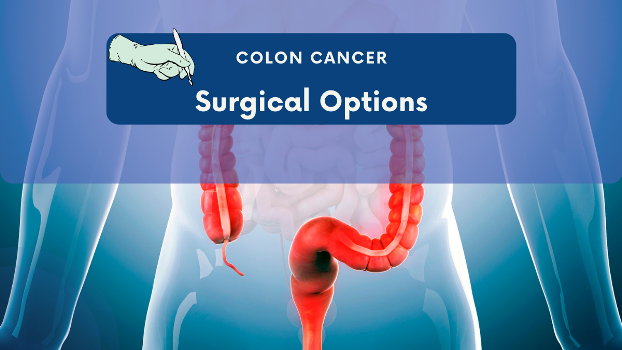
Surgery for colon cancer: Best option for you

Surgical treatment is the most usual treatment for colon cancer and also might range from minimally invasive, such as excising a polyp throughout a colonoscopy, to, in rare instances, getting rid of the whole colon. Many surgeries for colon and rectal cancer  involve getting rid of cancer, the section of the colon in which the cancer was found, surrounding normal tissue as well as close-by lymph nodes. This is the basic principle used for all cancer surgeries of colon and rectum irrespective of whether open or minimally invasive surgical procedure is used. People may get chemotherapy treatment and/or radiation treatment before and/or after surgical procedure for rectal cancer. These adjuvant therapies may help diminish tumours prior to they are surgically gotten rid of and are intended to target cancer cells that may continue to be after surgical treatment. Such a choice will depend on the clinical staging of the cancer   Local excision and polypectomy If colon or rectal polyp or cancer is found at an early stage, it can be removed, with a colonoscope. It is a excision that does not need puncturing the abdominal wall. If the excision includes the removal of a polyp, the treatment is called a polypectomy. This is also used to remove pre malignant lesions and thus need for surgery is avoided. During these procedures, a physician accesses the colon or rectum with a colonoscope as well as a connected cutting tools used to remove the polyps or unusual cells. If a polyp or location of uncommon cells cannot be excised through these treatments, laparoscopic or open surgery may be needed. Colectomy: Total or Hemicolectomy A colectomy is the removal of all or part of the colon. The resection might be carried out as a less intrusive laparoscopic colectomy. If open surgery is needed, a lengthy incision in the abdomen might be required. With open surgery, patients will remain in the hospital for a week or more and might have a longer period of recovery. Early discharge is possible with laparoscopic or open surgery. Laparoscopic surgery for Colon Cancer Colorectal surgeon will carry out a laparoscopic colectomy to get rid of the malignant part of the colon and also neighbouring lymph nodes, and afterwards reattach the healthy ends of the colon. A laparoscopic colectomy may result in less pain, a shorter stay in the health centre and also a speedier recovery. With a laparoscopic colectomy, about 4 to 5 tiny lacerations are made around the abdomen. The medical oncologist after that inserts a laparoscope, a thin tube outfitted with a small video camera that projects photos of the within the abdominal area on a nearby screen. The colorectal surgeon after that inserts tools via these small cuts to do the surgery. Types of Colectomy used for Colon Cancer The type will depend upon the location and extent of the tumour. This will also depend on the number of tumours found in the colon. Based on above these could be: Total Colectomy Subtotal Colectomy Right Hemicolectomy Right Extended Hemicolectomy Left Hemicolectomy High Anterior Resection Sigmoid Colectomy Proctocolectomy Colostomy for colon cancer A colostomy may be needed, relying on the kind as well as degree of the colon surgical treatment carried out. During this procedure, the colon is linked to a hole in the abdomen (called a stoma) to draw away faeces from a damaged or surgically fixed part of the colon or anus. Some colostomies may be reversed as soon as the repaired tissue heals. Various other colostomies are irreversible, as well as the stoma is affixed to a colostomy bag that accumulates waste. These are called permanent colostomies and are used for very low rectal cancer which is near the anus and the sphincters are involved. Proctectomy A proctectomy is used to get rid of all or part of the rectum. A low-anterior resection entails the removal of rectum for cancer located in the top part of the rectum, which is closest to the S-shaped sigmoid colon. Some surrounding healthy rectal tissue may likewise be eliminated, in addition to nearby lymph nodes and also fatty tissue. This surgery involves a joint made with special staplers and the colostomy used is temporary. A pathologist will analyse the lymph nodes to identify if cancer cells are present. This will certainly aid physicians identify the stage of the disease and also whether chemotherapy and or radiotherapy is required. After the cancerous section of the rectum is eliminated, the colorectal oncologist links the sigmoid colon with the remaining healthy part of the rectum below the cancer. This allows waste to pass typically out of the body through the anus, once the temporary stoma is removed. Abdominoperineal resection (APR) is made use of to deal with cancer in the lower rectum. Since this treatment needs removal of the cancerous section of the lower anus nearest the anus, some or every one of the anal sphincter is likewise gotten rid of. The sphincter is a muscle that maintains the anus shut and protects against stool leak. Since the sphincter is in charge of digestive tract control, the colorectal surgeon additionally carries out a colostomy to enable the body to secrete waste. Laparoscopic or Robotic Surgery for rectal cancers All kind of proctectomies in including APR are also done by these procedures. Robotic surgery gives an edge over laparoscopic surgery as it has better magnification and is more precise in limited spaces. However open surgery may be required for larger or fixed tumours of the rectum. HIPEC for Colon Cancer Hyperthermic intraperitoneal radiation treatment (HIPEC) is an extremely focused, warmed chemotherapy therapy that is supplied directly to the abdominal area throughout surgery. Unlike systemic radiation treatment distribution, which distributes throughout the body, HIPEC may supply chemotherapy directly to cancer cells in the abdomen. This allows for higher dosages of chemotherapy therapy. HIPEC might be especially practical for people with colon cancer or rectal tumours that have not involved organs such as the liver or lungs, or to lymph nodes outside

Stage 4 Colon Cancer: Now There is Hope with Treatment
Cancer, blog

Stage 4 Colon Cancer: Now There is Hope with Treatment

Colon cancer is the 3rd most commonly identified cancer in both males as well as females in the world. In India, 4.4 people per lac get colon cancer and thus almost 60,000 people get colon cancer each year or 157 new colon cancers are diagnosed every day. Overall 5 years survival rates are 14 to 19%; however 5 year survival rates for patients with stage 4 colon cancer that metastasize to liver and had removal of liver metastases at the same time as colon surgery improved up to 70%, which is a huge survival advantage. Stage 4 colon cancer is late-stage cancer in which the disease has actually spread to other tissues or body organs in the body and also is, as a result, harder to treat. Treatment may just be partly successful, and also cancer may be more likely to return after treatment. Colon cancer usually infects the liver, however it can also infect other locations like the lungs, brain, peritoneum, or to distant lymph nodes. Surgery followed by chemotherapy for stage 4 colon cancer If there are only a couple of small locations of cancer spread (metastases) in the liver or lungs and they can be removed along with the colon cancer, surgery will give the best results. Colon surgery along with removal of a part of the liver or lung containing the cancer  procedure may give better results and helps one live longer. Surgery will be followed by appropriate chemotherapy. It’s very crucial to understand the goal of the surgery ─ whether it’s to try to heal the cancer or to avoid or alleviate signs and symptoms of the cancer. This aspect has to be clearly understood, if one has stage 4 colon cancer. Chemotherapy for stage 4 colon cancer followed by surgery and further chemotherapy If the metastases cannot be eliminated because they’re too big or there are as well several of them, chemotherapy may be given before surgery (neoadjuvant chemo). Chemo may be offered once more after surgical treatment. A lot of patients respond very well to this combination management plan. At times, the secondary tumours will disappear outright and thus the surgical procedure does become simpler and yields better results. Chemotherapy for colon cancer If the cancer spread excessive and widespread, one will not attempt to treat it with surgical procedure; chemotherapy is the main therapy in these situations. Surgical procedure might still be required if the cancer  is blocking the colon or is most likely to do so; this is called colon obstruction or large intestinal obstruction. Chemotherapy remains the backbone of management in these situations. Stage 4 colon cancer with intestinal obstruction Sometimes, a surgical procedure can be avoided by putting a stent (a hollow steel tube) right into the colon where the cancer is, during a colonoscopy, to keep it open. Otherwise, operations such as a colectomy or diverting colostomy (cutting the colon above the level of the cancer, bringing it out and affixing the end to an opening in the skin on the  belly to enable waste to be collected in a bag). This is called a colostomy or an ileostomy; these are also called diversion stomas. Chemotherapy or targeted therapy or both for stage 4 colon cancer Most people with phase IV cancer cells will certainly obtain chemo and/or targeted therapies to regulate the cancer cells. A few of the most typically regimens include: FOLFOX: leucovorin, 5-FU, and also oxaliplatin. FOLFIRI: leucovorin, 5-FU, as well as irinotecan. CAPEOX or CAPOX: capecitabine (Xeloda) and oxaliplatin. FOLFOXIRI: leucovorin, 5-FU, oxaliplatin, and irinotecan. One of the above mixes plus either a drug that targets VEGF, (bevacizumab [Avastin], ziv-aflibercept, or ramucirumab, or a drug that targets EGFR (cetuximab [Erbitux] or panitumumab. 5-FU and leucovorin, with or without a targeted medication. Capecitabine, with or without a targeted medicine. Irinotecan, with or without a targeted medicine. Cetuximab alone. Panitumumab alone. Regorafenib  alone. The option of regimen to be used depends upon a number of aspects, including previous therapies you’ve had and also your overall wellness. At times one has to toggle these combinations depending upon the effectiveness of these medications. Radiotherapy for stage 4 colon cancer Radiation treatment can also be made use of to relieve signs and symptoms in the colon from the cancer such as pain. It could additionally be used to treat locations of spread such as in the lungs or bone. It may reduce tumours for a while, but it’s not most likely to treat the cancer. Outcomes after treatment of stage 4 colon cancer Thus, we can safely say that the 5 year survival rates for colon cancer range between 14% to up to 70%. The success of specific treatment approaches may differ among individuals, with treatments successful for some individuals having little effect in others. Additionally, specialists base these statistics on previous cases. As treatments often tend to get better gradually, survival rates may be more reliable and better as improved treatments become available. Specific factors can likewise play a significant function in a person’s outcome. For instance, the age as well as general wellness of a person might influence their responsiveness to therapy. Recap for Stage 4 Colon Cancer

Second Cancer After Colon Cancer: Survivors need to be careful
Cancer, blog

Second Cancer After Colon Cancer: Survivors need to be careful

Colon cancer survivors can have a number of unrelated illnesses, yet usually a major concern is encountering cancer once again. Cancer that returns after therapy is called a recurrence. Some colon cancer survivors get a new unrelated cancer later in life. This is called a second cancer and has to be treated according to its own merit. They could be at greater risk for certain other types of cancer.   Individuals that have had colon cancer can get any sort of second cancer , but they have an enhanced risk of the following cancers as observed: A new colon cancer which is different from the first cancer coming back Rectal cancer Uterine cancer Anal cancer Oral cavity cancer Stomach cancer Small intestine cancer Kidney cancer Bile duct cancer Reason for second cancer after Colon Cancer The increased threat with a few of these cancers might be due to common threat aspects, such as diet, obesity, as well as exercise. Genes may likewise be an element. People with Lynch disorder (genetic non-polyposis intestines cancer cells) have actually an increased risk of many of these cancers. Follow-up after colon cancer surgery After finishing therapy for colon cancer, you should still see your physician regularly to try to find indications that cancer has actually returned or spread out. Survivors of colon cancer must additionally comply with the Screening Guidelines for the Early Detection of Cancer, such as those for breast, cervical, lung, as well as prostate cancer. For individuals who have actually had colon cancer , most experts don’t advise any extra screening to try to find second cancers unless one has symptoms. One possible exemption is in women that had colon cancer as a result of having Lynch disorder, as these women are likewise at raised threat for endometrial and also some other cancers. If you have Lynch disorder or one or more acquired syndrome, it’s important to talk to your doctor regarding your dangers. Can I decrease my danger of getting a second cancer? There are actions you can take to reduce your risk and stay as healthy and eat balanced diet as feasible. For example, people who have had intestines cancer cells ought to do their finest to stay away from tobacco items. Smoking cigarettes may even more enhance the risk of a few of the second cancers that are extra common after intestines cancer. To aid keep good wellness, colon cancer survivors need to: Get to and remain at a healthy and balanced weight. Be energetic Follow a healthy eating pattern that consists of plenty of fruits, vegetables, and whole grains, and restrictions or stays clear of red and processed meats, sweet drinks, as well as processed foods. It’s best not to drink alcohol. If you do drink, have no more than 1 beverage each day for ladies or 2 per day for men. Dr. Rajeev Kapoor is the best colon cancer surgeon in Chandigarh. If you diagnosed with colon cancer, make an appointment today!

Rectal Cancer
Cancer, blog

Rectal Cancer Survivor takes life one day at a time

“Take one day at a time; always look on the positive side; and never give up.” This is what Ruchi (name changed) has to say as she battled a life changing event in her life when in May, 2012, she was diagnosed with rectal cancer that had spread to her liver. She was 32, recently married and planning to have a child. Signs and symptoms of rectal cancer Ruchi noticed something was wrong when she had multiple bleeding bouts over a span of 14 days. She had been diagnosed with haemorrhoids years ago and thus attributed her symptoms to haemorrhoids flaring up. She hoped the bleeding and urgent need to use the washroom was temporary and what she was experiencing was just a one-time flare up. However, over the next few weeks, the bleeding became more frequent and urgency continued. By the end of November, Ruchi’s symptoms stayed and she was forced (as she says) to seek appointment with me. Ruchi’s energy level had dropped so low, she was having trouble performing her job working. Bleeding with stools can be due to many reasons and should never be ignored. One of the reason for this could be a cancer of the lower colon or rectum. Many a times these bleedings are attributed to piles and thus managed without seeking a doctors consult. If this bleeding is because of a cancer, we lose chance of picking it up early and thus ensuring cure. I examined Ruchi and found that she had external haemorrhoids. However on examination of her back passage I found a tumour in her rectum. Rectum is the last portion of the intestines, where stools are stored. This area can be examined digitally with a gloved finger right in the outpatient clinic. I ordered tests which also included a colonoscopy. Her haemoglobin was low because of her bleeding. In colonoscopy, I found a large tumour in the lower rectum, 2 cm away from her anal opening. I took biopsies which came as cancer. Her CT scan revealed that she also had a solitary tumour in the liver and thus she was diagnosed to be having stage 4 rectal cancer. Counselling about rectal cancer and outcomes I sat down with Ruchi and her husband and broke the news to them. I explained about the disease and various treatment options. I also gave hope as stage 4 rectal cancers can be treated successfully and almost up to 30 percent patients have a good survival chance. The session lasted for almost an hour. I called them again next day to further discuss her treatment plans as well as answer any more questions they had. They were of course devastated at the news. Stage 4 rectal cancer requires chemo as well as radiation, followed by surgery. Her ova had to be procured and saved for future so that she can have babies. Ruchi describes getting the news she had cancer as shocking, but she says that she didn’t feel scared. “Even though both of us were crying, I was sure I was going to face it with courage”. She knew that she could rely on her husband’s support. She was also sure her parents would also help her in the crisis. She was very determined to remain positive. Surgery, chemotherapy and radiation for rectal cancer Stage 4 rectal cancer has many pathways for treatment depending on quite a few factors. After a tumour board meeting, it was decided to treat her with chemotherapy followed by radiotherapy and then surgery if required. With chemotherapy her liver tumour vanished and rectal tumour became small. After radiotherapy, the rectal tumour was difficult to feel but she had problems with incontinence. So APR surgery was planned for her. In this major surgery the rectum along with back passage is removed and the patient is given a permanent stoma called end colostomy. Ruchi underwent surgery to remove the tumour and got a permanent colostomy, where the end of her colon was brought out through a hole created in the abdomen wall on left lower abdomen. This allows wastes (faecal matter) out of the body, which is collected in a colostomy bag, that has to be emptied regularly. Life with a permanent stoma for rectal cancer surgery Ruchi says that the colostomy bag was a big mental block for her. She had been counselled about her permanent colostomy by a stoma therapist in my team, but Ruchi was still apprehensive. However the stoma therapist had multiple meetings with her and her husband and slowly she adjusted to life with a stoma. Her main focus remained about the cancer being completely eliminated and thus a favourable biopsy report after her surgery elevated her mood. “At that point, I started thinking about a future and that helped me. I was so focussed on my cancer that my communication with my husband were always about my cancer, treatment and outcomes. One month after the surgery, when I was told that the cancer at that stage had been eliminated from the body, I felt so relieved. My liver looked good and thus no further treatment was required.” Ruchi was now learning to live with her stoma and changed life style. We encouraged her to start thinking about normal chores and getting involved in managing her house. We also started her on daily exercises, walks and trips to the park. Ruchi was also counselled about her relationship and sex life. She was encouraged to roll back into the relationship at her pace. Her partner was also counselled about living with a person with a stoma. Having an understanding partner is very important; Ruchi was very lucky on that front. Surveillance for Rectal Cancer We made a 7 year surveillance plan for her so that we remain on the lookout for the cancer coming back. A three monthly visit to the clinic and yearly plan for scans and colonoscopy was planned. No bag after rectal cancer surgery 8 weeks after surgery, the stoma therapist

Cervical Cancer Surgery in Chandigarh | Cervical Cancer Screening
blog, Cancer, Cancer Screening, Cervical Cancer

Cervical Cancer Surgery in Chandigarh | Cervical Cancer Screening

Cervical Cancer Screening Cervical Cancer Surgery in Chandigarh – Cervical cancer screening tests aid discover cervical cancer at onset. When located early, the possibilities for successfully dealing with the condition are greatest. Ensure you obtain a health check-up annual plan, even if you do not require a screening test. If you’ve had the HPV vaccine, you still require to be evaluated. The screening suggestions listed below apply to the majority of women and have been categorized according to age. Cervical Cancer Screening for ages 21 to 29 Pap test every three years Cervical Cancer Screening for ages 30 to 64 Pap test and also human papillomavirus (HPV) test every 5 years OR Pap examination every three years Cervical Cancer Screening for ages 65 or older No further testing if you’ve had normal Pap or HPV test in past 10 years. Cervical Cancer Screening for ladies who have had a hysterectomy If you’ve have had a hysterectomy, but have not had cervical cancer cells or serious cervical dysplasia, you should speak to your doctor regarding whether you need to continue screening if your hysterectomy consisted of removal of the cervix. Get a Pap examination and HPV examination every five years if your hysterectomy didn’t consist of elimination of the cervix. Cervical Cancer Screening for women at enhanced risk of getting Cervical Cancer You may need to start screening at an earlier age, get extra examinations or be examined more frequently. You’re at raised threat for cervical cancer if you fall under several of these groups. Background of serious cervical dysplasia, which is a pre-cancerous condition Consistent HPV infection after age 30 An immune system that does not function effectively, such as organ transplant receivers and also those taking medications to reduce their immune system Background of human immunodeficiency infection (HIV). Diethylstilbestrol (DES) direct exposure prior to birth. Also See: Rectal Cancer Surgeon in Chandigarh Cervical Cancer Screening for women who have been treated for cervical cancer earlier These ladies need to be under a surveillance program as drawn up by your surgeon. It is vital one should not ignore this schedule as an early recurrence can be picked up and dealt with. If you have not been provided one such surveillance schedule, please seek it from your surgeon. Details about PAP Test used for Screening for Cervical Cancer A Pap test or smear is a screening test to detect early cervical cancer. The cervix connects the uterus to the vagina. It involves collecting a sample of cells from the cervix from two different spots using a swab or a small brush. It’s done in the OPD Clinic Its discomforting but not painful. it’s done in about five minutes. The sample is sent to the lab in a bottle. Report is usually out within two days Also See Colectomy Surgery in Chandigarh Cervical Cancer Surgery in Chandigarh

Vulvar Cancer Treatment Doctor in Chandigarh | Vulvar Cancer Surgeon
blog, Cancer, Gynaecology Cancer, Vulvar Cancer

Vulvar Cancer Treatment Doctor in Chandigarh | Vulvar Cancer Surgeon

What is vulvar cancer? Best Treatment for Vulvar Cancer – Vulvar cancer can happen on any part of the female genital organs; however most often affects the labia majora or labia minora. Cancer of the vulva is an unusual disease, accounting for 0.6 percent of all cancers in women, and also it grows slowly and gradually over several years. A lot of vulvar cancers are squamous cell carcinomas. Melanoma is another common kind of vulvar cancer that is generally located in the labia minora or clitoris. We deal with a lot more women every year with this vulvar cancer and therefore offers us a degree of experience and also proficiency that might bring about a greater opportunity for successful treatment in many cases. Vulvar Cancer Risk Factors The following elements might enhance a woman’s threat of being afflicted with vulvar cancer: Of the ladies who develop vulvar cancer, over 80 percent are more than 50, as well as fifty percent are over 70. Infection with certain kinds of HPV HIV infection Lichen sclerosus Melanoma or irregular moles on nonvulvar skin Also See: Rectal Cancer Surgeon in Chandigarh What are symptoms of vulvar cancer? Symptoms vary and may include: Red or white raised area with a rough surface on the vulva Itching or burning in the genital area Pain while passing urine Bleeding and discharge from the vagina, when one is not having a menstrual period Non healing ulcer on the vulva Change in the size of a mole on vulva Swelling or lump on the vulva or in the opening of the vagina Diagnosis of vulvar cancer It is very important that vulvar cancer is diagnosed early as well as where the cancer has spread. These are: Clinical Examination Biopsy of the growth, if the growth is large Chest X-ray CT scans MRI scans PET scans Blood tests Vulvar cancer treatments If you are identified with vulvar cancer cells, your physician will go over the very best choices to treat it. This depends upon a number of aspects, including:. The kind as well as phase of the cancer. Your general wellness. Your age. Your preferences. Also See: Colon Cancer Surgeon in Chandigarh Surgical treatment for Vulvar Cancer. Surgery is the main treatment for vulvar cancer. Best results are accrued if vulvar cancer surgery is done by a specialist with a good deal of experience in the procedure. Various forms of surgery for vulvar cancer include the following: Laser surgery: Lasers may be utilized to deal with precancerous changes. Unusual cells are burnt with a laser light beam. Lasers are not utilized for invasive vulvar cancer cells. Excision: The cancer as well as surrounding normal area of almost 1/2 inch of skin and tissues on each side of the tumour are gotten rid of. Reconstruction is done after the removal. Vulvectomy: This is major surgery in which all or major part of vulva is removed. Reconstruction is done with the help of a plastic surgeon. Pelvic exenteration: In this complex surgical procedure, the vulva and lymph nodes in the pelvis are removed. Depending upon how much the cancer cells has actually spread, the colon, anus, bladder, uterus, cervix and/or vaginal canal may be gotten rid of. Inguinal lymph node removal: Lymph nodes on one or both sides of the groin area are excised and sent for biopsy. Sentinel lymph node biopsy: The surgeon eliminates the lymph nodes closest to the cancer and looks at them under a microscope. If the cells do not have cancer cells, no more lymph nodes are gotten rid of. If the cells do have cancer, various other lymph nodes in the location will have to be removed. Topical Therapy for Vulvar Cancer This kind of treatment may be utilized in precancerous vulvar cell adjustments. These include:. Fluorouracil (5-FU), a chemotherapy drug. Imiquimod. Radiation treatment for Vulvar cancer Radiotherapy is one of the most current and innovative options for vulvar cancer. New radiation treatment enable us to target lumps a lot more precisely, delivering the optimum amount of radiation with the least damages to healthy and balanced cells. Chemotherapy for Vulvar Cancer Chemo treatment in some cases may be given with radiation treatment to aid make the cancer smaller prior to surgery. It additionally might be used to treat lymph nodes. How to prevent Vulvar Cancer: Using condoms during sexual activities To stop smoking Getting vaccinated against HPV Having routine Pap tests and pelvic exams Good hygiene of the genital organs Salient Features about Vulvar cancer  

Are your children protected from Human Papilloma Virus
Cancer, Cancer of the Cervix, Cancer Prevention, Cervical Cancer, HPV Vaccine, Vaccine

Are your children protected from Human Papilloma Virus

What is HPV infection? HPV is the most common sexually transmitted infection caused by a virus called Human Papilloma Virus or HPV. It’s passed from one person to one more via direct skin-to-skin contact through a sexual activity. A majority of sexually active men and women get HPV infection eventually or the other in their life. Most frequently, the infection subsides on its very own or transforms into a benign genital protuberance called wart. The genuine danger is when HPV triggers different kinds of cancer cells, especially cervical cancer. It’s estimated that over 3,00,000 females die each year of cervical cancer. 90% of these fatalities are preventable. Just how does HPV vaccination work against cervical cancer? HPV vaccination works specifically like various other booster shots that protect individuals against viral infections. It boosts the production of antibodies in the body to make sure that when there’s an exposure with the HPV in the future, the infection is stopped from infecting the cells. The HPV vaccination, nonetheless, does not stop other venereal diseases or heal existing HPV infections or HPV-caused illness. What does HPV vaccination shield against? High-risk kinds of HPV are connected to various sorts of cancer cells, consisting of: • Cervical cancer• Vaginal cancer• Vulval cancer• Rectal cancer• Cancer of the penis• Some cancers of the head and neck Infection with other types of HPV may trigger: • Genital Warts– little developments of swellings or skin changes on or around the genital or rectal location; they’re one of the most usual viral sexually transmitted infection (STI)• Skin growths and also verrucas– out and around the genital location• Moles on the voice box or vocal cords (laryngeal papillomas). It prevents against every one of the above. Just how Well Do These HPV Vaccines Work? HPV inoculation functions very well. HPV injection has the prospective to prevent more than 90% of HPV-attributable cancers. Given that HPV inoculation was first advised in 2006, there has actually been a substantial decrease in HPV infections. Fewer teenagers as well as young people are getting genital growths. HPV injection has likewise lowered the variety of instances of precancers of the cervix in girls. What are the types of HPV vaccines available in India:. Currently, there are 2 sorts of HPV vaccines offered in India. Both of them are qualified worldwide. The very first one is a quadrivalent vaccine called Gardasil, while the second is a bivalent one by the name Cervarix. Who requires the HPV inoculation and also when? Throughout the world, HPV inoculation is recommended at ages 11 or 12, despite the fact that it can be begun at the fairly young age of 9. The inoculation is extremely advised for all children (Males and females) till age 26, particularly if they are not correctly vaccinated versus HPV previously. Experts really feel that It is very reliable when administered before the very first sexual relations. Inoculation is not suggested for everyone older than age 26 years. Nevertheless, some grownups age 27 and up to 45 years that are not currently vaccinated might decide to obtain HPV injection after talking with their physician regarding their danger for brand-new HPV infections and the possible advantages of vaccination. HPV inoculation in this age variety offers less benefit, as even more individuals have actually already been subjected to HPV infection. Also See: Rectal Cancer Surgeon in Chandigarh How many number of dosages are advised for HPV vaccine? Only two dosages are suggested if inoculation started at age 9 as well as through age 14. Teenagers as well as young adults that start the immunization later, at ages 15 with 26 years, require three dosages of HPV vaccination. Adolescents aged 9 through 14 years who have already received two dosages of HPV vaccination less than 5 months apart will certainly need a 3rd dosage. Three doses are advised for individuals with weakened body immune systems aged 9 via 26 years. What Should Not Get HPV Vaccine? Inform your physician about any severe allergies. Individuals who should not get these HPV injections, consist of: • Individuals who have ever had a deadly allergic reaction to any type of ingredient of an HPV vaccine, or to a previous dose of HPV injection.• Individuals who have an allergy to yeast.• Individuals who are expectant. HPV vaccinations are secure for children who are mildly ill– for instance, with a low-grade fever of less than 101 levels, a cold, runny nose, or coughing. Individuals with a modest or serious ailment should wait until they are better. What Are the Possible Side Effects of HPV Vaccine? Vaccines, like any type of medicine, can have adverse effects. Lots of people that obtain HPV vaccination have no negative effects at all. Some people report having really mild adverse effects, like a sore arm from the shot. Other side effects, though mild are • Pain, redness, or swelling in the arm where the shot was given.• Fever.• Headache or sensation of being tired.• Nausea or vomiting.• Muscle or joint pain.• Quick fainting spells and also associated symptoms (such as jerking activities) can happen after any type of medical treatment, consisting of vaccination. Sitting or lying down when getting a shot as well as staying in that setting for around 15 mins after an inoculation can assist stop fainting as well as injuries brought on by falls. On extremely rare events, serious (anaphylactic) allergic reactions might happen after vaccination. People with severe allergies to any kind of part of an injection should not obtain that vaccine. Where Can I Find These HPV Vaccines? HPV vaccine might be offered at private doctor workplaces, community health centers, school-based health centres, as well as health clinics, nursing homes and tertiary care hospitals including medical colleges. Summary for HPV Vaccine

Survivor Story: Colon Cancer Surgery – During and After
Cancer, blog

Survivor Story: Colon Cancer Surgery – During and After

This is a story of one of my patient about her fight with colon cancer. She wanted to write and I encouraged her to put her experience in words. She did so, but decided that she wanted her name be changed. It all began in 2016. Sonia, a 46-year-old, mom of a then 20 year old was working full time awakened with what she assumed was a stomach ache that just didn’t want to disappear. Throughout the day it seemed to get worse and by that night she could not walk. Her husband was away on a business trip and thus her daughter, who was in Delhi university returned and took her to the hospital. Also See: Colon Cancer Surgeon in Chandigarh Diagnosis of colon cancer Lot of tests were done and the CAT Scan found a mass in her right colon which looked like a tumour. She remained in the hospital for seven days. As she writes, “Ten days of worry, testing, scans, surgical treatment and also a lot of bonding with the nurses”. During that time, a colonoscopy confirmed that the tumour had actually shut off her colon, a Pet scan validated that it had grown past the colon walls and also into the lymph nodes. So she had what we call cancer of the right colon. Once a cancer is diagnosed with colonoscopy and biopsy, the PET CT assesses the entire body for any spread. After these tests, we stage the tumour by giving it a number. Thus Sonia had stage 3 of right sided cancer of the colon and required urgent colon cancer surgery as the lesion was obstructing her ascending colon. This is called a obstructing colon cancer is normal parlance. Colon Cancer Surgery Laparoscopic surgical treatment removed the tumour, 24 cm of colon and also 21 lymph nodes. She recovered well to go home and to be followed up in the OPD. Her case was discussed in hospital tumour board and her cancer was labelled as a Stage III Colon Cancer. Her final biopsy had shown some small vessel infiltration. She was referred to medical oncologist, who made a decision that even though the nodes weren’t impacted, it would be only a short time prior to they would certainly have been, so they decided to give her chemotherapy. This is what Sonia says “Up until this point, I had been living with an extremely worn out sensation at all times as well as taking medication for chest allergy due to the fact that I was having a difficult time capturing my breath. However it turned out I was extremely anaemic and B-12 deficient. My haemoglobin was so low. After the surgery, I felt better as I had received blood transfusions. My pain was gone and since there was no big incision for my surgery, I started feeling good and cheerful” Colon cancer chemotherapy Chemotherapy treatment started a month later and consisted of 5FU, Leucovorin and Oxalliplatin. She writes “life was far from typical. I needed to take added iron tablets as well as have B-12 shots. I got on 3 types of anti-nausea drug. My hair fell from the chemo, I had consistent nose and anal bleeds but had the ability to maintain my composure as well as a will to survive.” So all patients of stage 3 and 4 with colon cancer receive chemotherapy after colon cancer surgery. Some patients of stage 2 also receive chemotherapy after colon cancer surgery as they have some bad prognostic markers. Sonia had obstruction as well as some small vessel infiltration with tumour and thus was earmarked for chemotherapy. The chemotherapy is started about 4 weeks after the surgery and the wounds are completely healed. In the interim a port is inserted to deliver chemotherapy. Sonia writes “I still had fatigue however, I had to will myself to try as well as live a rather regular life. Strolling was difficult as a result of the wooziness. I fell a number of times due to the enduring neuropathy in my feet. I had several issues with my power port but in the end everything worked well. Throughout this experience I utilized the expression “It’s all excellent” as my reply when asked just how I was doing.” Also See Rectal Cancer Surgeon in Chandigarh Colon cancer surveillance Sonia will be followed up every 3 months for five years, with proceeded checks up to 10 years. Sonia has persuaded her friends to go for screening and all have lately been checked out by their doctors. Colon cancer presents in many ways. Sonia had a complicated presentation as she developed intestinal obstruction because of colon cancer. Colon cancer surgery remains the mainstay of treatment. Laparoscopic surgery is the preferred method to do surgery. The surgeries include right, extended right or left hemicolectomy. Chemotherapy is given after surgery for some stage 2, stage 3 and stage 4 colon cancers. Preoperative chemotherapy may be used in stage 4 cancers before surgery is planned. Survival is very good in colon cancer and one should not give up hope. Sonia’s story should be a great motivator for all patients with colon cancer.

Scroll to Top
Call Now Button