Dr. Rajeev Kapoor – Header
📍 Fortis Hospital, Sector 62, Mohali, Punjab – 160062 📞 +91 98765 07444 ✉ rkap01@gmail.com

Cholangitis Treatment in Mohali

The gallbladder is a small pear-shaped organ located below the liver on the right side of the abdomen. Its main function is to store bile, a digestive fluid that helps break down fats in the food we eat.
Cholangitis can become serious if not treated promptly. Early medical evaluation and appropriate treatment are important.

What is Cholangitis?

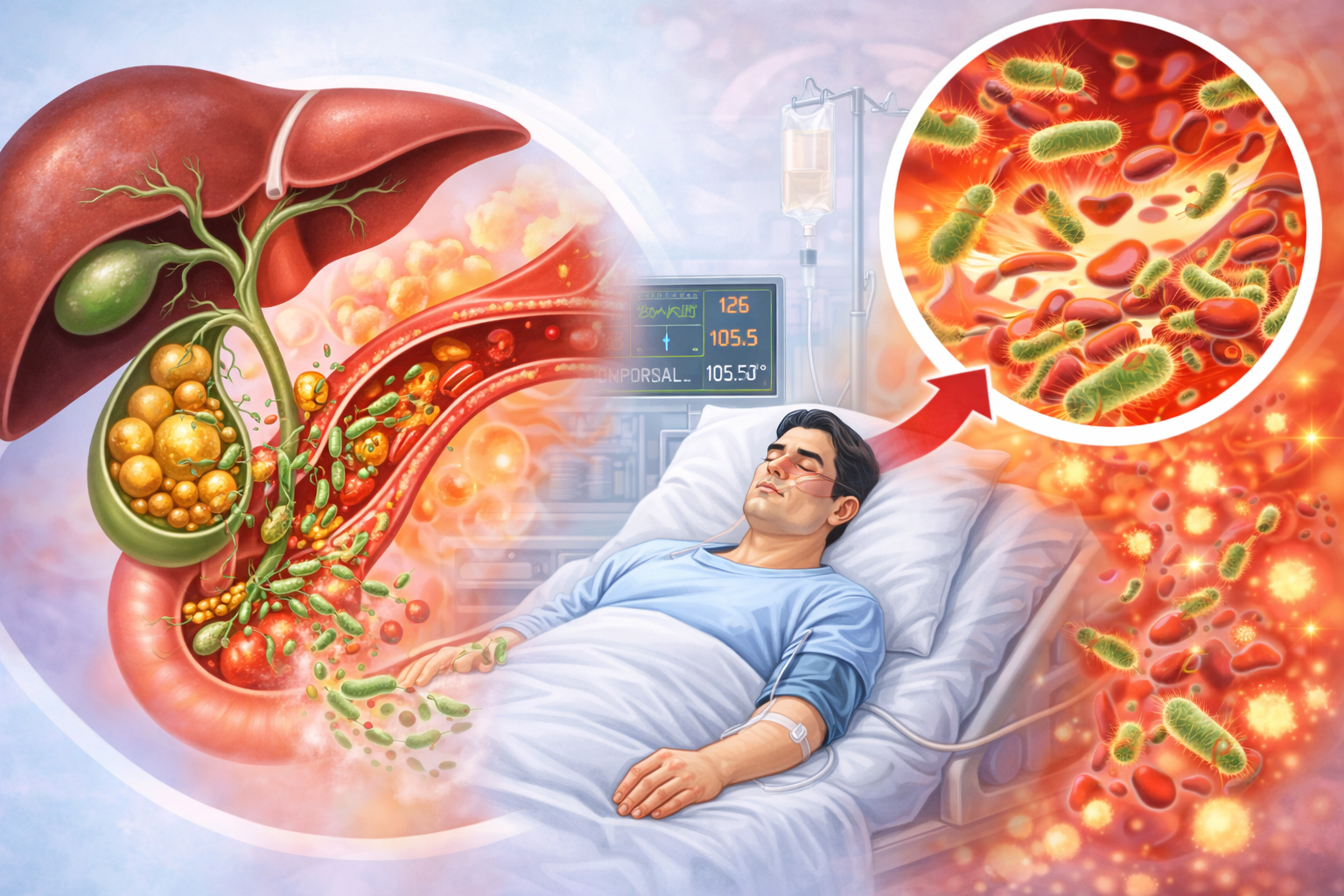
Cholangitis most commonly occurs when there is a blockage in the bile duct, allowing bacteria to multiply in stagnant bile. The blockage is often caused by stones in the common bile duct (CBD), but other causes are possible.
When infection spreads into the bloodstream, it may lead to a life-threatening condition called sepsis. Therefore, cholangitis is considered a medical emergency in many cases.


Causes

Common causes include:

• Stones in the common bile duct (CBD stones)
• Narrowing (stricture) of the bile duct
• Tumors obstructing the bile duct
• Biliary stent blockage
• Parasitic infections (rare)
• Post-surgical complications

Risk Factors

• History of gallstones
• Previous bile duct procedures
• Biliary stent placement
• Advanced age
• Diabetes
• Weakened immune system

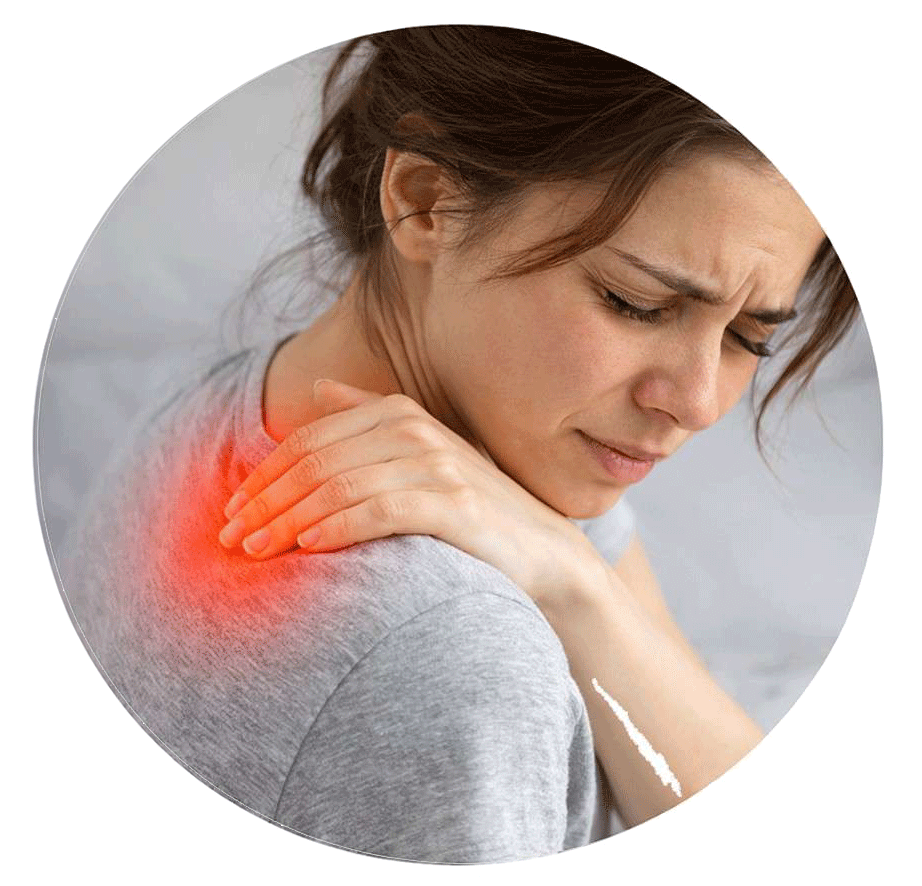
Common Symptoms

Symptoms may develop suddenly and can vary in severity.
Fever and chills

Fever and chills

Pain in the upper right abdomen

Yellowing of skin and eyes (jaundice)

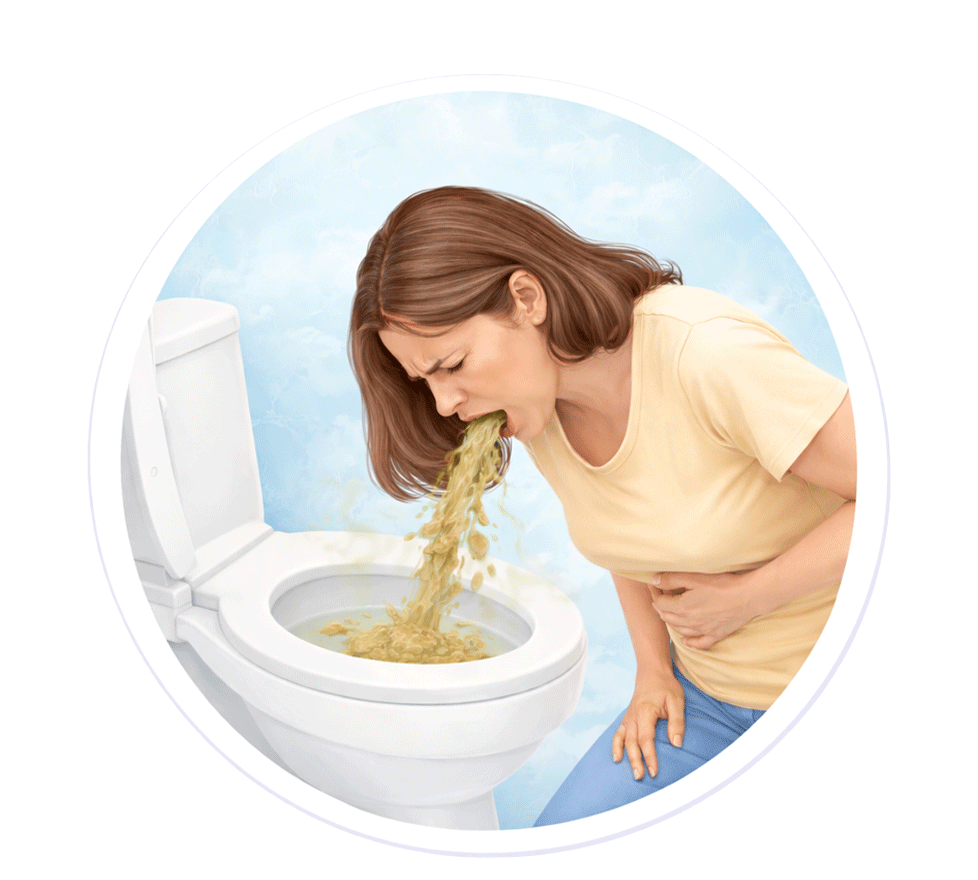
Nausea and vomiting

A classic combination of fever, abdominal pain, and jaundice is often associated with acute cholangitis.

Possible Complications

If not treated promptly, cholangitis may lead to:
  • Sepsis (bloodstream infection)
  • Liver abscess
  • Liver failure
  • Multi-organ dysfunction
Early diagnosis significantly reduces complications.

Diagnosis

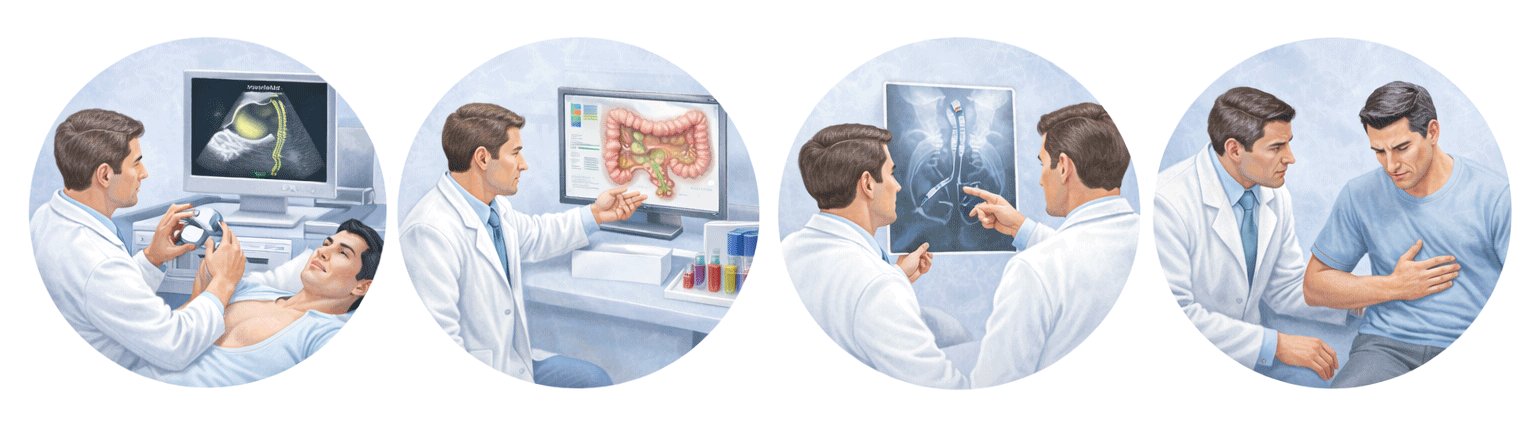
Diagnosis is based on clinical assessment and investigations such as:
  • Blood tests (including liver function tests and infection markers)
  • Ultrasound abdomen
  • CT scan
  • MRCP (Magnetic Resonance Cholangiopancreatography)
  • ERCP (Endoscopic Retrograde Cholangiopancreatography)
These tests help identify infection, obstruction, and underlying causes.

Types of Cholangitis

Acute Cholangitis
Sudden onset of infection and inflammation. This form may require urgent hospital treatment.
Chronic Cholangitis
Long-standing inflammation of the bile ducts, often associated with autoimmune or structural disorders.

Treatment

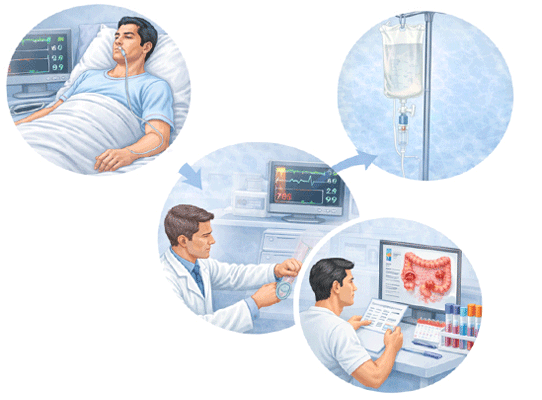
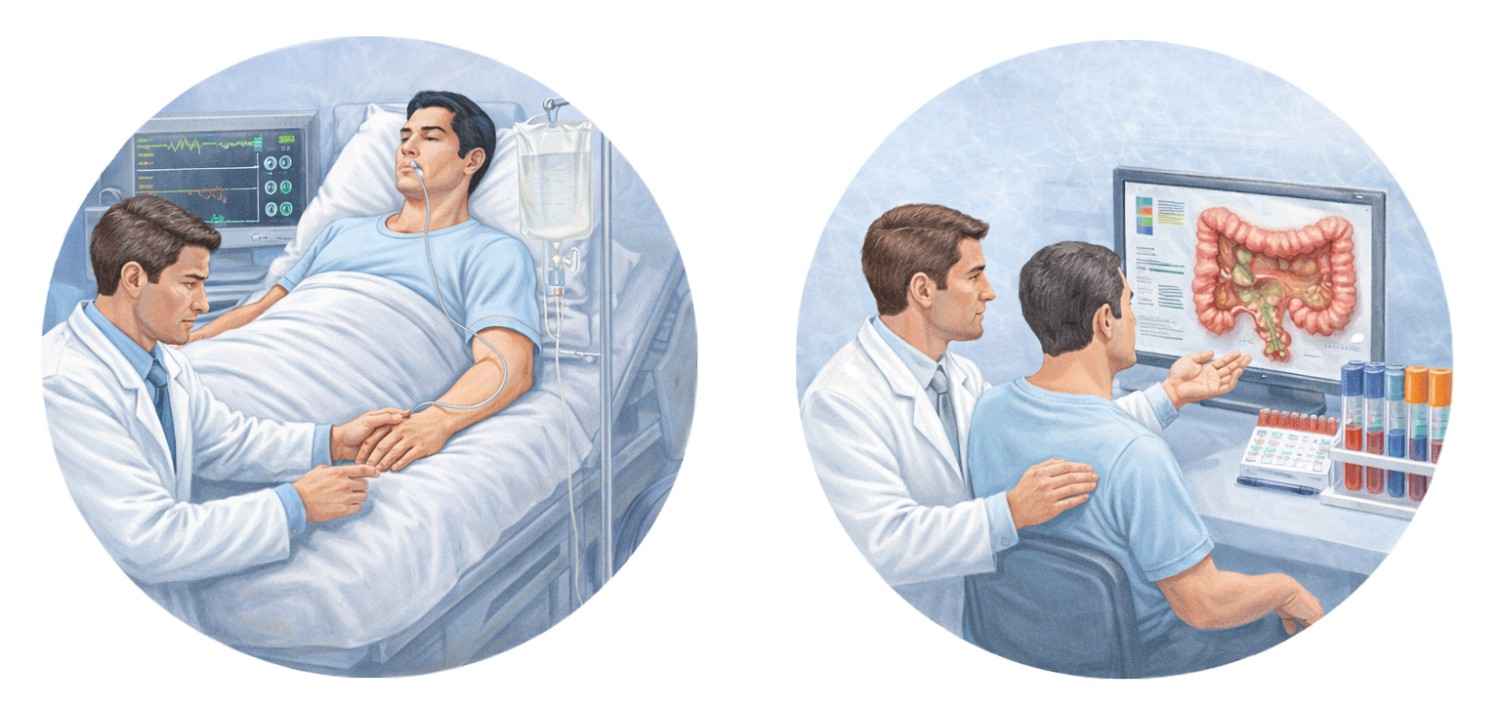
Hospital Management
  • Intravenous fluids
  • Broad-spectrum antibiotics
  • Monitoring of vital signs
Relief of Obstruction

• ERCP to remove stones or place a stent
• Percutaneous drainage (in selected cases)
• Surgical intervention when necessary 

Treatment decisions are made after careful clinical evaluation by a qualified specialist.

Prevention

  • Early treatment of gallstones
  • Regular follow-up after bile duct procedures
  • Proper management of biliary stents
  • Timely medical consultation if symptoms arise

About the Author of This Information

Dr. Rajeev Kapoor is a practicing surgeon based in Mohali, Punjab. He provides clinical services in the field of gastrointestinal, colorectal, and general surgery. This website is intended for informational and educational purposes only.

Disclaimer

The information provided on this page is for general educational purposes only. It is not a substitute for professional medical advice, diagnosis, or treatment. Treatment decisions should be made after consultation with a qualified medical professional, based on individual clinical evaluation.

DR. Rajeev Kapoor
DR. Rajeev Kapoor
Scroll to Top