Choledocholithiasis (CBD Stones)

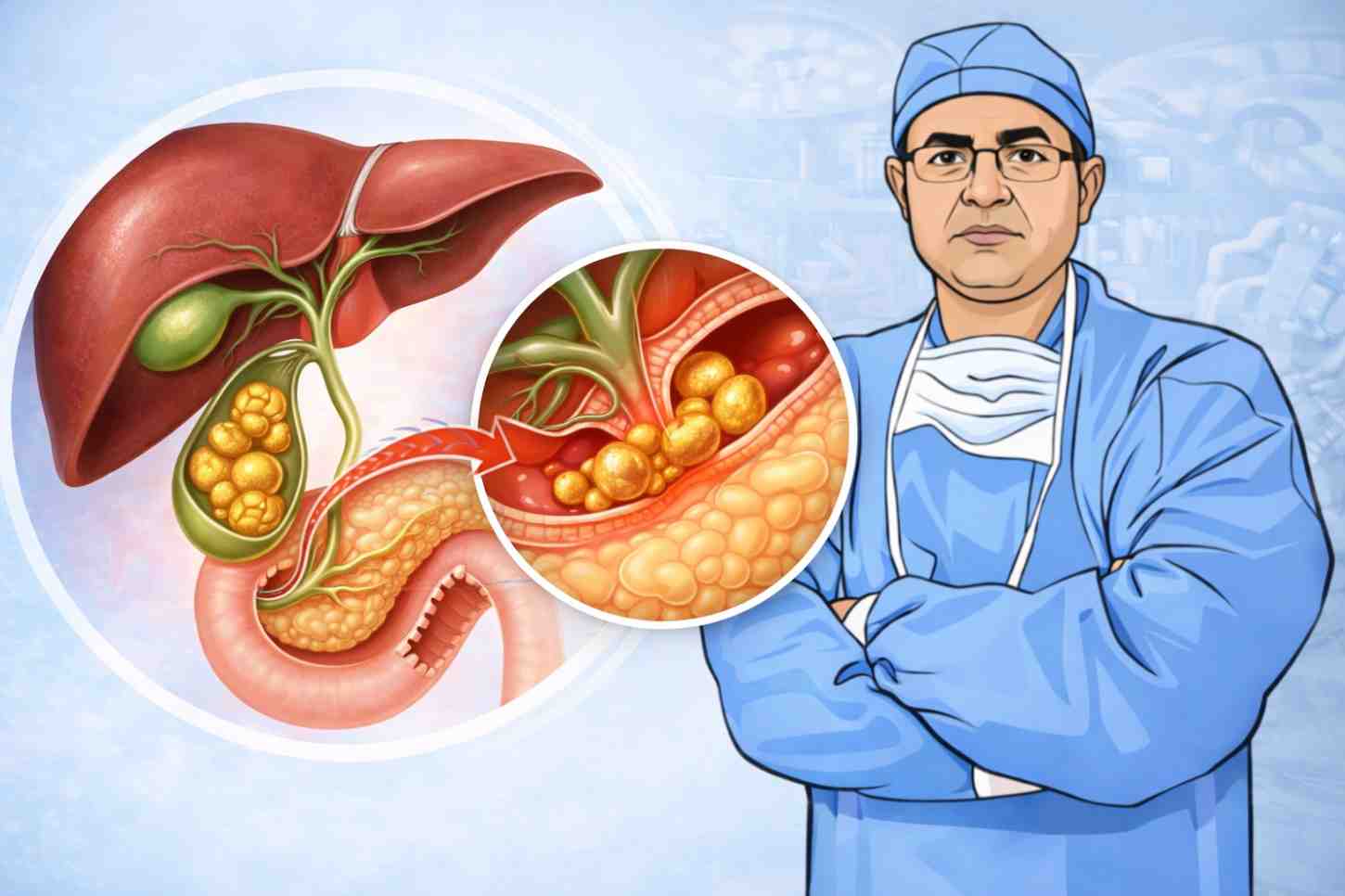
Choledocholithiasis refers to the presence of stones in the common bile duct (CBD). The common bile duct is a small tube that carries bile from the liver and gallbladder into the small intestine to help in digestion.

What is Choledocholithiasis?

Choledocholithiasis occurs when gallstones pass from the gallbladder into the common bile duct or form directly within the bile duct. These stones can block the normal flow of bile, leading to pain, infection, or other complications.
Bile flow obstruction may cause inflammation of the bile duct (cholangitis) or pancreas (pancreatitis) if not treated in time.

Causes

Common causes include:
  • Migration of gallstones from the gallbladder
  • Stone formation within the bile duct
  • Biliary tract infection
  • Previous gallbladder surgery (rarely residual stones)
  • Narrowing (stricture) of the bile duct
Risk Factors
  • History of gallstones
  • Female gender
  • Age over 40 years
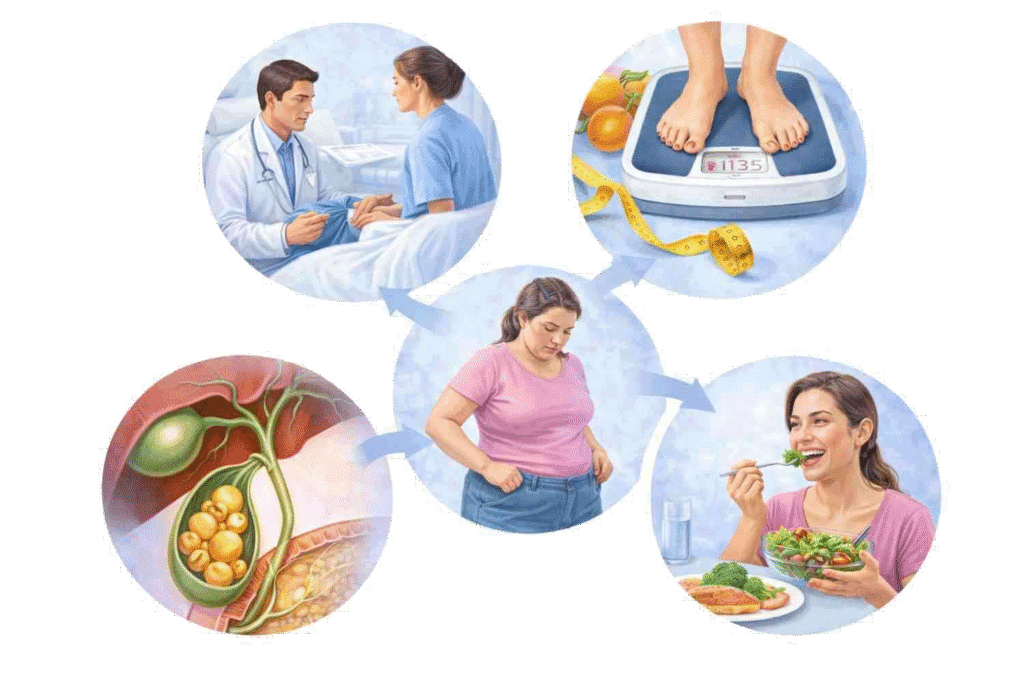
  • Obesity
  • Rapid weight loss
  • High-fat diet
  • Family history of gallstones
  • Previous biliary surgery

Common Symptoms

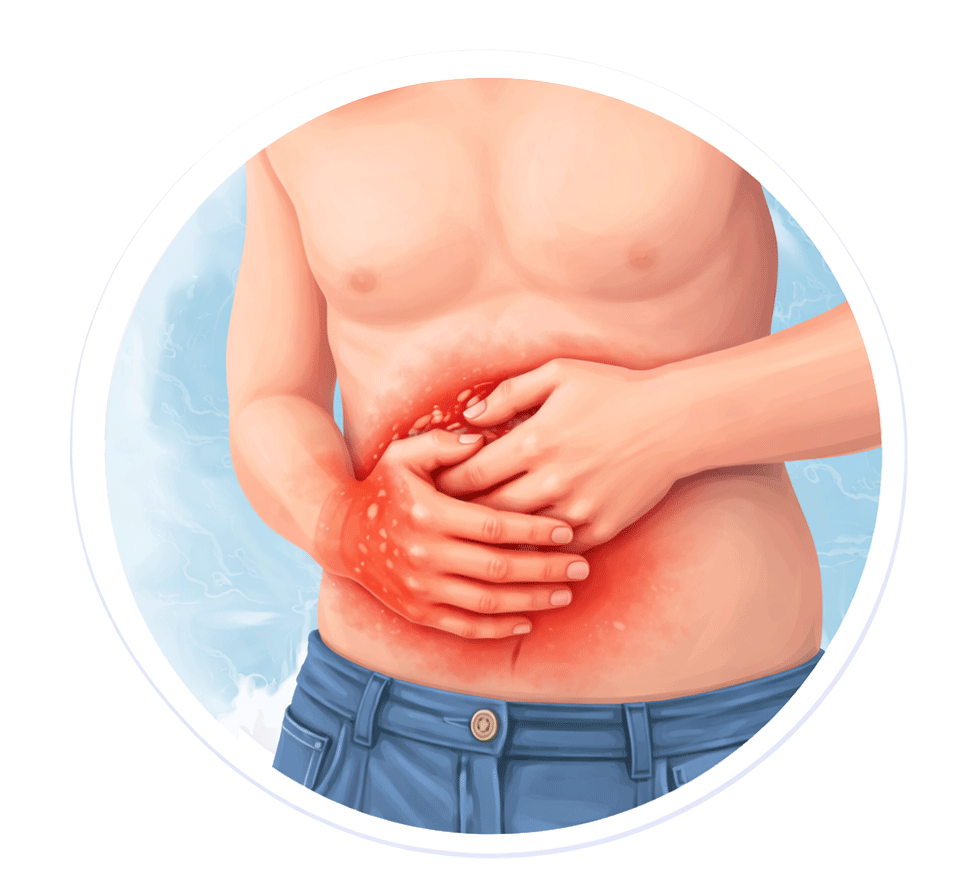
Pain in the upper right abdomen

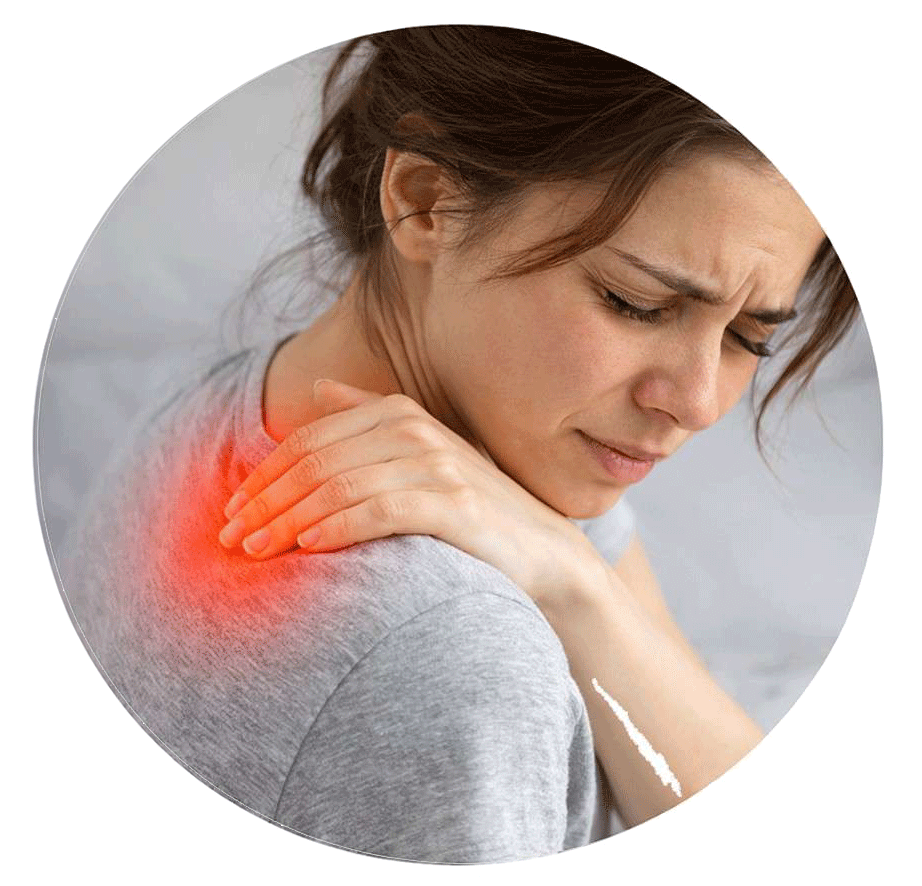
Pain radiating to the back or shoulder

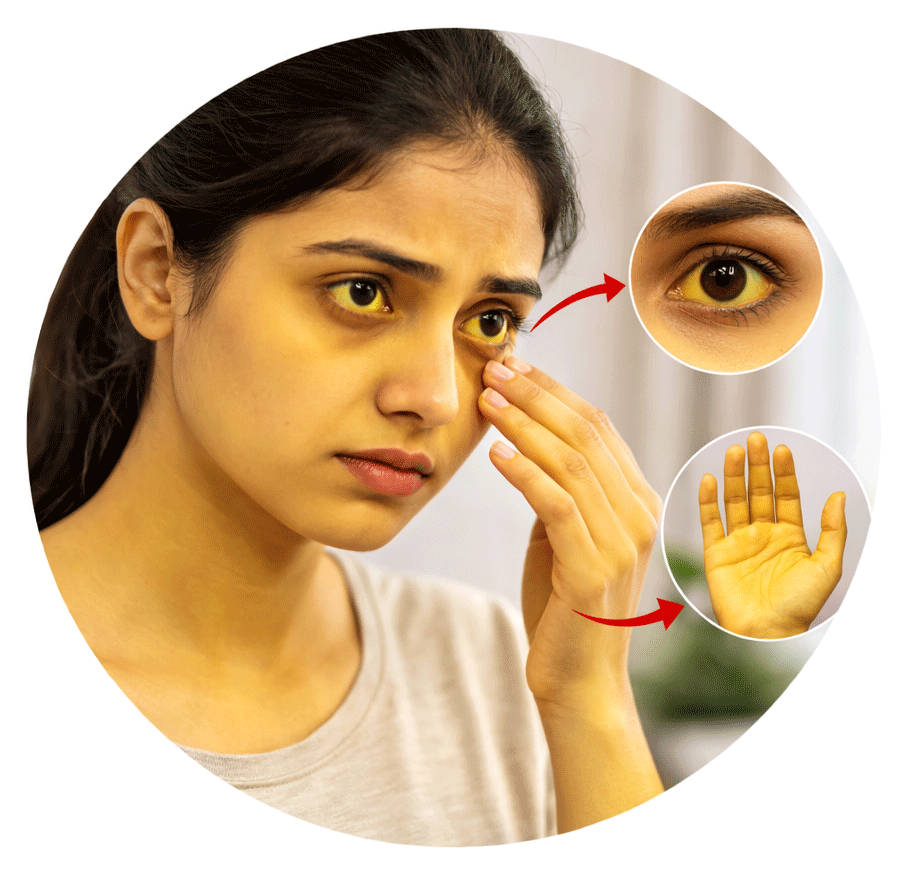
Yellow discoloration of skin and eyes (jaundice)

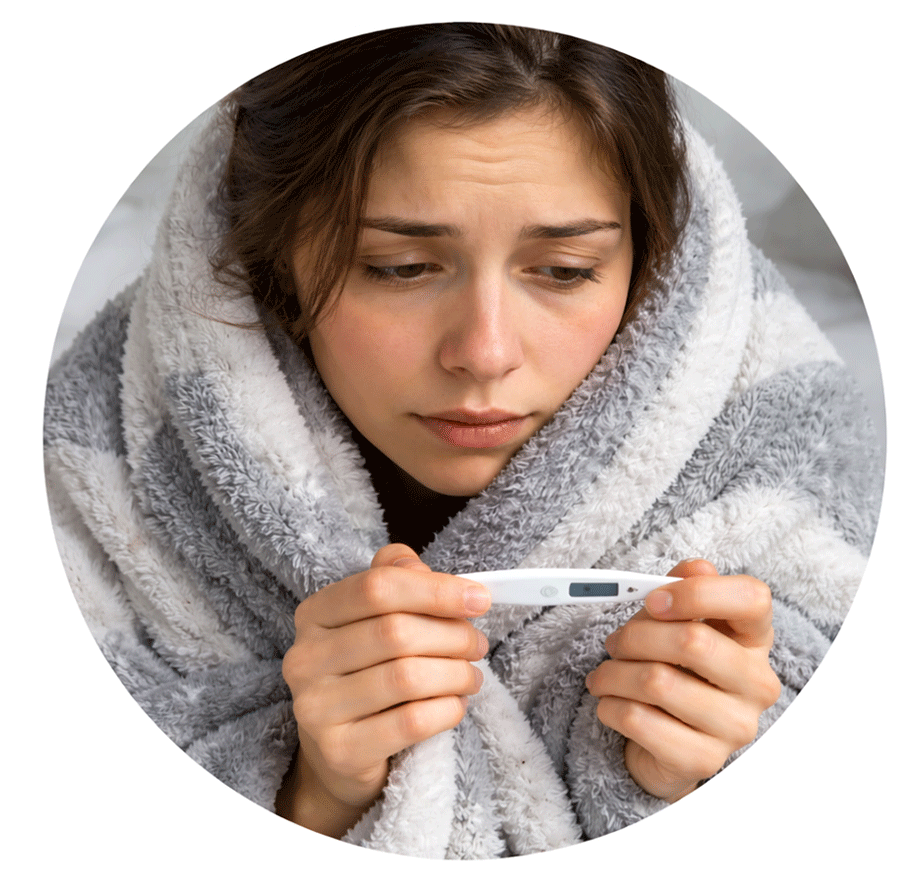
Fever and chills

Fever and chills

Seek immediate medical attention if severe abdominal pain persists, especially when associated with fever or vomiting.

Possible Complications

If untreated, CBD stones may lead to:
  • Acute cholangitis (bile duct infection)
  • Acute pancreatitis
  • Liver dysfunction
  • Sepsis (in severe infections)

Treatment

Treatment depends on symptoms, stone size, and associated complications.
Endoscopic Treatment (ERCP)

ERCP is commonly used to remove CBD stones. A flexible endoscope is passed through the mouth into the small intestine to access the bile duct and remove the stone.

Surgical Treatment
In some cases, surgery may be required, especially when:
  • Stones are large
  • ERCP is unsuccessful
  • There are associated gallbladder stones
Surgical options may include bile duct exploration along with gallbladder removal (cholecystectomy), when indicated.
Supportive Management
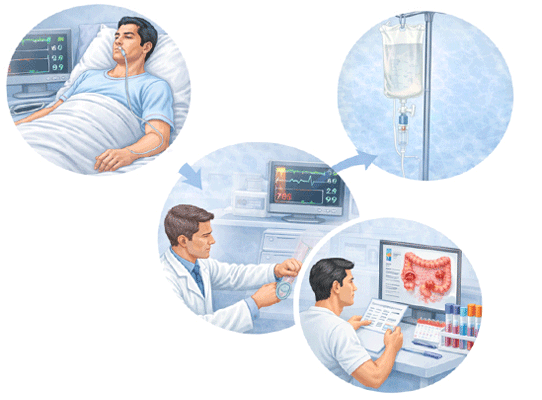
  • Intravenous fluids
  • Antibiotics (if infection suspected)
  • Pain management
Treatment decisions are made after clinical evaluation by a qualified specialist.

Diagnosis

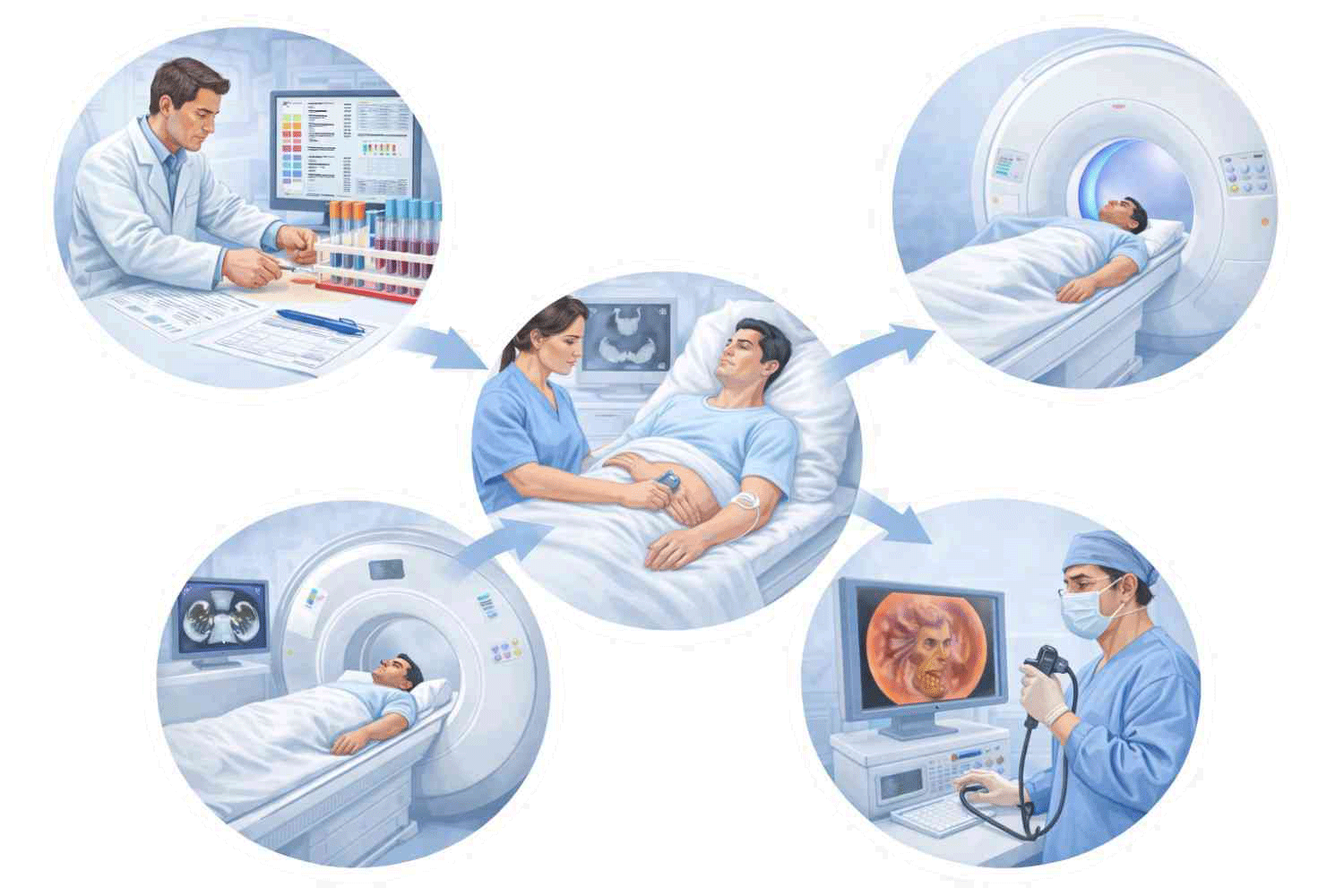
  • Blood tests (including liver function tests)
  • Ultrasound abdomen
  • MRCP (Magnetic Resonance Cholangiopancreatography)
  • CT scan (if required)
  • ERCP (Endoscopic Retrograde Cholangiopancreatography) – diagnostic and therapeutic

Prevention

  • Early treatment of gallstones
  • Maintaining healthy body weight
  • Avoiding rapid weight loss
  • Balanced diet
  • Regular medical follow-up if previously diagnosed with gallstones

About the Author of This Information

Dr. Rajeev Kapoor is a practicing surgeon based in Mohali, Punjab. He provides clinical services in the field of gastrointestinal, colorectal, and general surgery. This website is intended for informational and educational purposes only.

Disclaimer

The information provided on this page is for general educational purposes only. It is not a substitute for professional medical advice, diagnosis, or treatment. Treatment decisions should be made after consultation with a qualified medical professional, based on individual clinical evaluation.

Scroll to Top
Call Now Button