
Colon Cancer (Large Intestine Cancer)

Comprehensive information about symptoms, causes, diagnosis, and treatment options.

Overview

Colon cancer is a type of cancer that begins in the large intestine, also known as the colon. It is one of the more commonly diagnosed cancers worldwide. In many cases, colon cancer starts as small, non-cancerous growths called polyps that may gradually develop into cancer over time. Early detection plays a key role in improving outcomes and expanding treatment options.

This page is intended to provide general educational information about colon cancer. It does not replace professional medical consultation, diagnosis, or treatment. Individuals experiencing symptoms or concerns should consult a qualified healthcare provider.

Understanding Colon Cancer

The colon is an important part of the digestive system responsible for absorbing water and processing waste material. Cancer in this region usually develops slowly over several years. It may initially present as benign polyps, which can later become malignant if not treated.

Colon cancer can occur in different sections of the colon, including the ascending colon, transverse colon, descending colon, and sigmoid colon. The location of the tumor may influence symptoms and treatment strategies.

Causes and Risk Factors

The exact cause of colon cancer is not always known. However, several risk factors have been identified:

  • Age above 50 years
  • Family history of colorectal cancer
  • Personal history of polyps
  • Low-fiber and high-fat diet
  • Obesity and lack of physical activity
  • Smoking and alcohol consumption
  • Chronic inflammatory bowel conditions

Common Symptoms

Persistent change in bowel habits such as diarrhea or constipation
Blood in the stool or rectal bleeding
Abdominal discomfort including cramps or pain
Weakness, fatigue, and unexplained weight loss

In early stages, symptoms may not be noticeable. Many of these symptoms can also occur in other medical conditions, so proper medical evaluation is important.

Diagnosis

Diagnosis of colon cancer involves a combination of clinical assessment and investigations. Common methods include colonoscopy, which allows direct visualization of the colon and collection of biopsy samples. Imaging tests such as CT scans or MRI may be used to assess the extent of disease.

  • Colonoscopy with biopsy
  • Blood tests
  • CT scan or MRI
  • Histopathological examination

Stages of Colon Cancer

Staging helps determine how far the cancer has spread and guides treatment planning:

  • Stage I: Cancer limited to inner lining
  • Stage II: Spread through colon wall
  • Stage III: Spread to lymph nodes
  • Stage IV: Spread to distant organs

Treatment Options

Treatment depends on multiple factors including stage, tumor location, and patient health. Surgery is commonly used to remove the affected portion of the colon along with nearby lymph nodes.

Additional treatments such as chemotherapy or targeted therapy may be recommended in certain cases. Radiation therapy is less commonly used but may be considered in specific situations.

  • Surgical removal (colectomy)
  • Chemotherapy
  • Targeted therapy
  • Supportive care

Pre-treatment and Recovery

Before treatment, patients may undergo detailed evaluation including blood tests, imaging, and fitness assessment. After treatment, recovery may involve hospital monitoring, gradual return to diet, and regular follow-up visits.

Recovery time varies depending on the type of treatment and individual health condition. Following medical advice and maintaining follow-up schedules is important.

Prevention and Screening

Although not all cases can be prevented, certain lifestyle changes may help reduce risk. Regular screening is important, especially for individuals above 45–50 years or those with risk factors.

  • Healthy diet rich in fiber
  • Regular physical activity
  • Maintaining healthy weight
  • Avoiding tobacco and limiting alcohol
  • Routine screening tests

FAQs

Can colon cancer be cured?
Early-stage colon cancer can often be treated effectively with appropriate medical care.
Is surgery always required?
Treatment depends on stage and condition; surgery is commonly used but not always the only option.
When should screening begin?
Screening is generally recommended from age 45–50 or earlier in high-risk individuals.

About the Author of This Information

Dr. Rajeev Kapoor is a practicing surgeon based in Mohali, Punjab. He provides clinical services in the field of gastrointestinal, colorectal, and general surgery. This website is intended for informational and educational purposes only.

Disclaimer

The information provided on this page is for general educational purposes only. It is not a substitute for professional medical advice, diagnosis, or treatment. Treatment decisions should be made after consultation with a qualified medical professional, based on individual clinical evaluation.

DR. Rajeev Kapoor
DR. Rajeev Kapoor

Read More About colon cancer

cancer

surgery for Rectal Cancer?

What is sphincter preservation surgery for Rectal Cancer?

Surgeons frequently remove both the rectum and the anus from patients who have colorectal cancer...
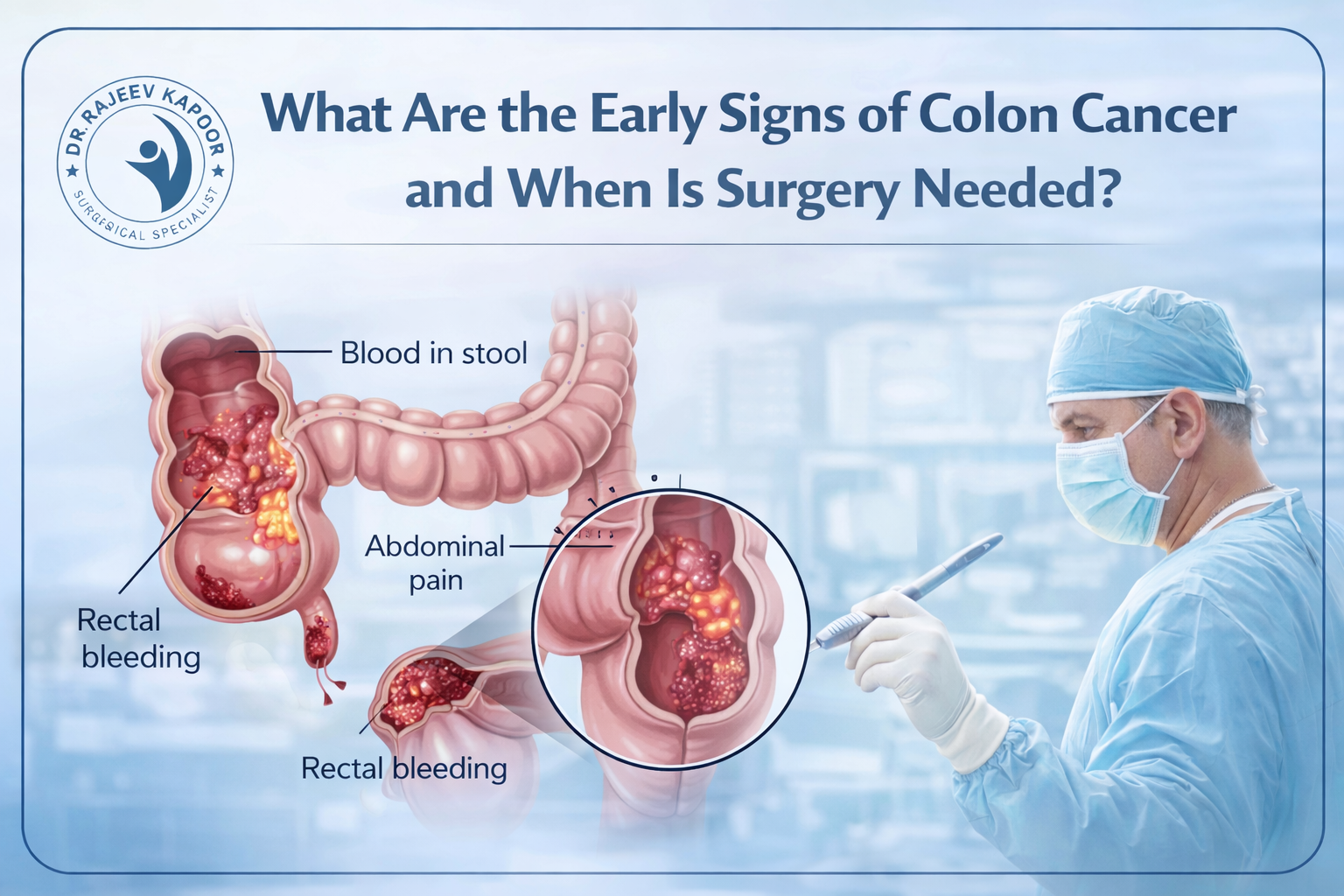
What Are the Early Signs of Colon Cancer and When Is Surgery Needed

What Are the Early Signs of Colon Cancer and When Is Surgery Needed?

Colon cancer is one of the most common gastrointestinal cancers worldwide, and its incidence in...
Understanding Right Colon Cancer: Symptoms, Diagnosis, and Treatment Options

Understanding Right Colon Cancer: Symptoms, Diagnosis, and Treatment Options

Understanding Right Colon Cancer: Symptoms, Diagnosis, and Treatment Options Right colon cancer, also known as...
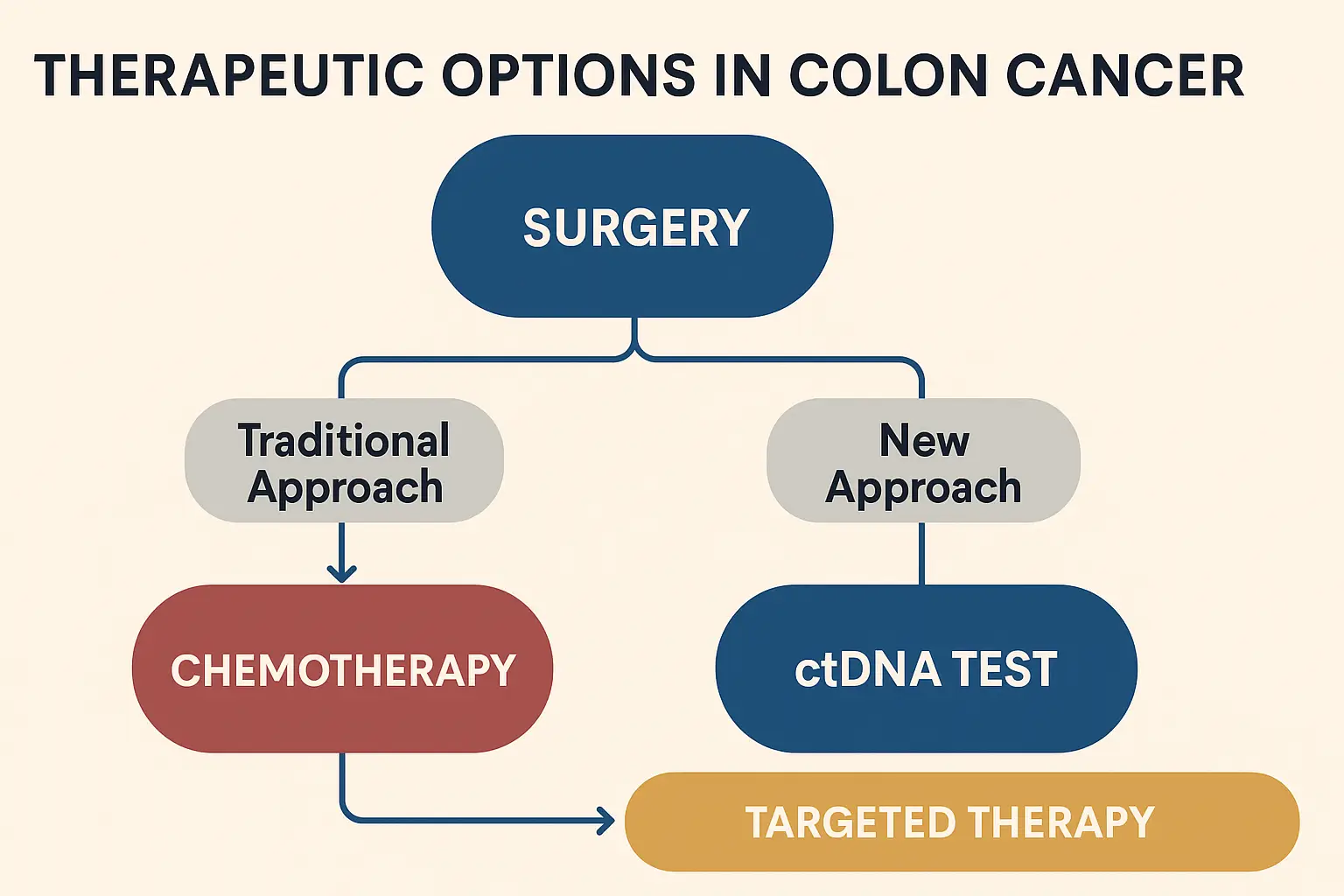
Therapeutic Options in Colon Cancer

Therapeutic Frontiers in Colon Cancer: What’s New in 2025

Treatment for colon cancer (colorectal cancer) is undergoing a major transformation. Once dominated by surgery...
Scroll to Top