





Anal Cancer Treatment in Mohali
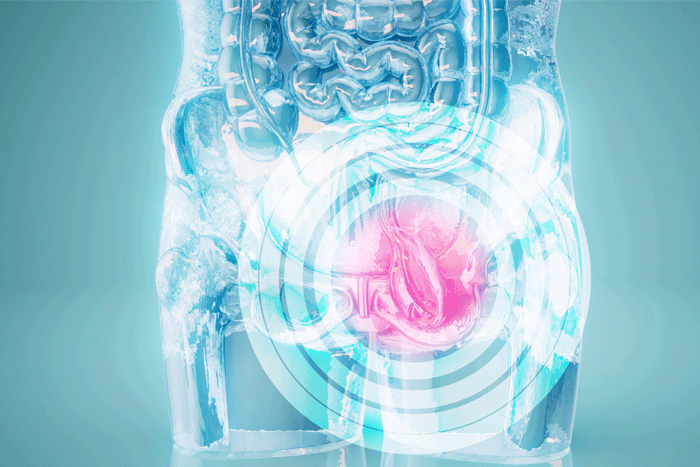
Anal cancer is a condition in which abnormal cells develop in the tissues of the anal canal. Management of anal cancer depends on multiple factors, including the type of cancer, stage of disease, and the patient’s overall medical condition. Treatment may involve one or more modalities, including medical and surgical management.
This page provides general information about anal cancer and its treatment options.
Understanding Anal Cancer
The anal canal is the terminal part of the gastrointestinal tract and plays a role in bowel control. Anal cancer may arise from the lining of the anal canal and is distinct from rectal or colon cancer.
Certain risk factors may be associated with anal cancer, including chronic infections, inflammatory conditions, and lifestyle-related factors. Early evaluation is important for appropriate management.
Role of Surgery in Anal Cancer
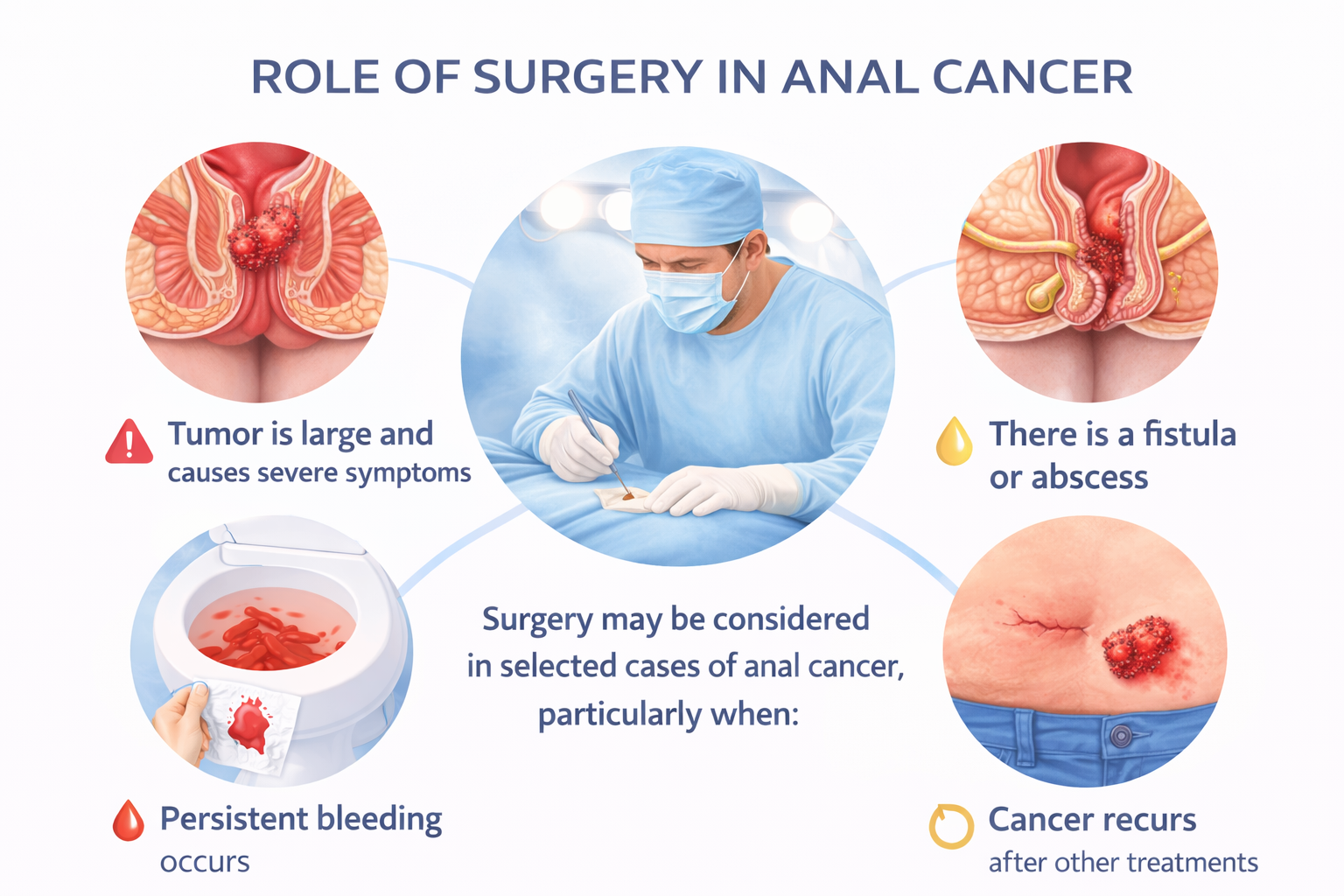
Surgery may be considered in selected cases of anal cancer, particularly when:
- There is residual disease after other treatments
- The disease is localized and suitable for surgical removal
- Complications require surgical intervention
The aim of surgery is to remove diseased tissue while following accepted oncological principles.
Common Symptoms
Symptoms of anal cancer may vary and can sometimes resemble benign anorectal conditions. Early stages may present with mild or non-specific symptoms.
Bleeding from the anal region
Anal pain or discomfort
Lump or mass near the anus
Changes in bowel habits
Persistent or worsening symptoms should be evaluated by a qualified medical professional.
Diagnosis of Anal Cancer
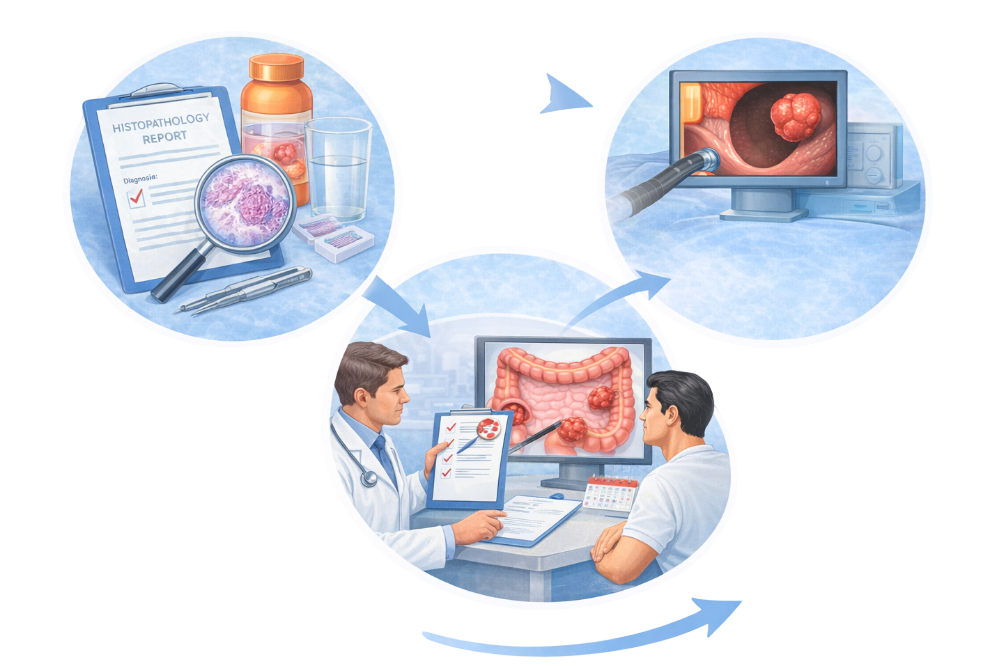
Diagnosis is based on clinical assessment and investigations, which may include:
- Physical and digital rectal examination
- Anoscopy or proctoscopy with biopsy
- Imaging studies such as MRI or CT scans
- Histopathological examination
These investigations help confirm the diagnosis and determine the extent of disease.
Treatment Approach for Anal Cancer
Treatment planning for anal cancer depends on:
- Type and stage of the tumor
- Location within the anal canal
- Patient’s general health and functional status
Management may involve non-surgical treatment, surgery, or a combination of treatment modalities, based on individual clinical findings.
Role of Surgery in Anal Cancer
Surgery may be considered in selected cases of anal cancer, particularly when:
- There is residual disease after other treatments
- The disease is localized and suitable for surgical removal
- Complications require surgical intervention
The aim of surgery is to remove diseased tissue while following accepted oncological principles.
Types of Surgical Procedures
Based on clinical evaluation, surgical options may include:
Local excision for selected early-stage lesions
Resection procedures in advanced or recurrent disease
Formation of a stoma in specific clinical situations
The choice of procedure is determined after detailed assessment.
Pre-operative Assessment
steps are part of standard pre-operative planning.
- Detailed clinical evaluation
- Relevant laboratory investigations
- Imaging studies for staging
- Multidisciplinary review when required
This helps ensure appropriate treatment planning.
Pre-treatment Assessment
Post-surgical care typically includes:
- Monitoring for recovery and complications
- Scheduled follow-up visits
- Ongoing assessment for disease control
- Supportive care as required
Regular follow-up is an important part of ongoing care.
Frequently Asked Questions (FAQs)
Is chemoradiation painful?
The procedure itself is carefully managed; most patients experience manageable local side effects.
Is surgery always needed?
No—many early-stage tumors respond fully to non-surgical treatment. Surgery is reserved for specific cases.
Will I lose bowel control?
Most patients retain control, particularly with organ-sparing approaches.
How long is treatment?
Chemoradiation typically spans several weeks. Surgical recovery depends on the procedure’s extent.
Is follow-up necessary?
Yes—close monitoring is essential to ensure continued wellness and detect any recurrence early.
About the Author of This Information
Dr. Rajeev Kapoor is a practicing surgeon based in Mohali, Punjab. He provides clinical services in the field of gastrointestinal, colorectal, and general surgery. This website is intended for informational and educational purposes only.
Disclaimer
The information provided on this page is for general educational purposes only. It is not a substitute for professional medical advice, diagnosis, or treatment. Treatment decisions should be made after consultation with a qualified medical professional, based on individual clinical evaluation.
Read More About colon cancer
cancer
When do I Need a Colonoscopy
kapoorcmcApril 25, 2021Cancer,Cancer Screening,Colorectal Cancer,Diagnostic Procedures,Rectal Cancercolon cancer,Colonic stenting,Colonoscopic biopsy,Colonoscopy,Diagnostic colonoscopy,Polyp,Polypectomy,removal of polyp,Therapeutic colonoscopy(0)
What is Colonoscopy? A colonoscopy is a test utilized to find lesions or irregularities in...
What is sphincter preservation surgery for Rectal Cancer?
kapoorcmcDecember 8, 2022Cancer,blogcancer,Colorectal Cancer,low rectal cancer,sphincter preserving surgery(0)
Surgeons frequently remove both the rectum and the anus from patients who have colorectal cancer...
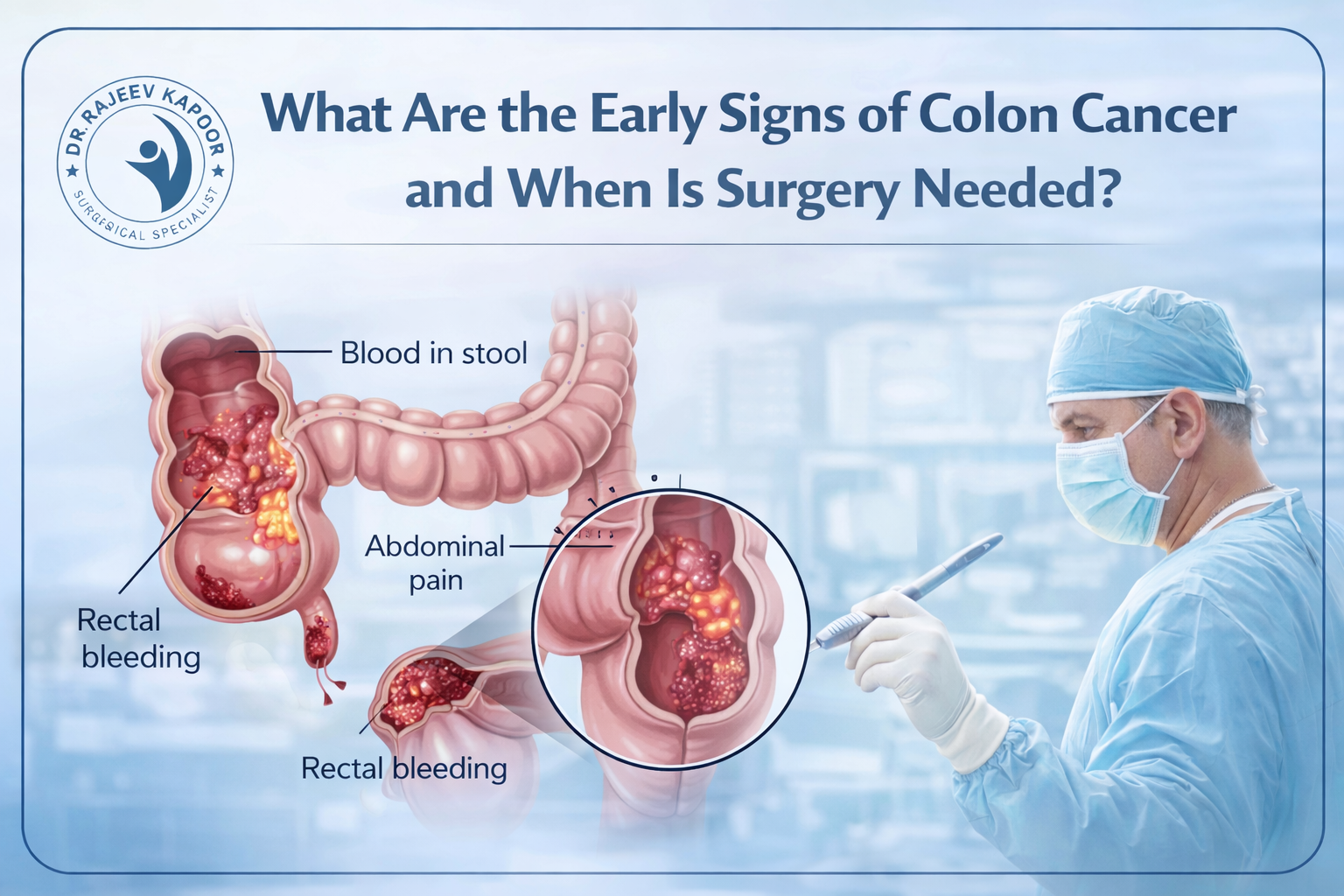
What Are the Early Signs of Colon Cancer and When Is Surgery Needed?
Colon cancer is one of the most common gastrointestinal cancers worldwide, and its incidence in...
Vulvar Cancer Treatment Doctor in Chandigarh | Vulvar Cancer Surgeon
kapoorcmcMay 19, 2021blog,Cancer,Gynaecology Cancer,Vulvar Cancercancer,treatment for vulvar cancer,Vulvar Cancer,vulvar cancer surgery(0)
What is vulvar cancer? Best Treatment for Vulvar Cancer – Vulvar cancer can happen on...
Understanding Right Colon Cancer: Symptoms, Diagnosis, and Treatment Options
kapoorcmcJuly 13, 2023Cancer,blogcolon cancer,Colorectal Cancer,colorectal surgeon,Right Colon Cancer(0)
Understanding Right Colon Cancer: Symptoms, Diagnosis, and Treatment Options Right colon cancer, also known as...
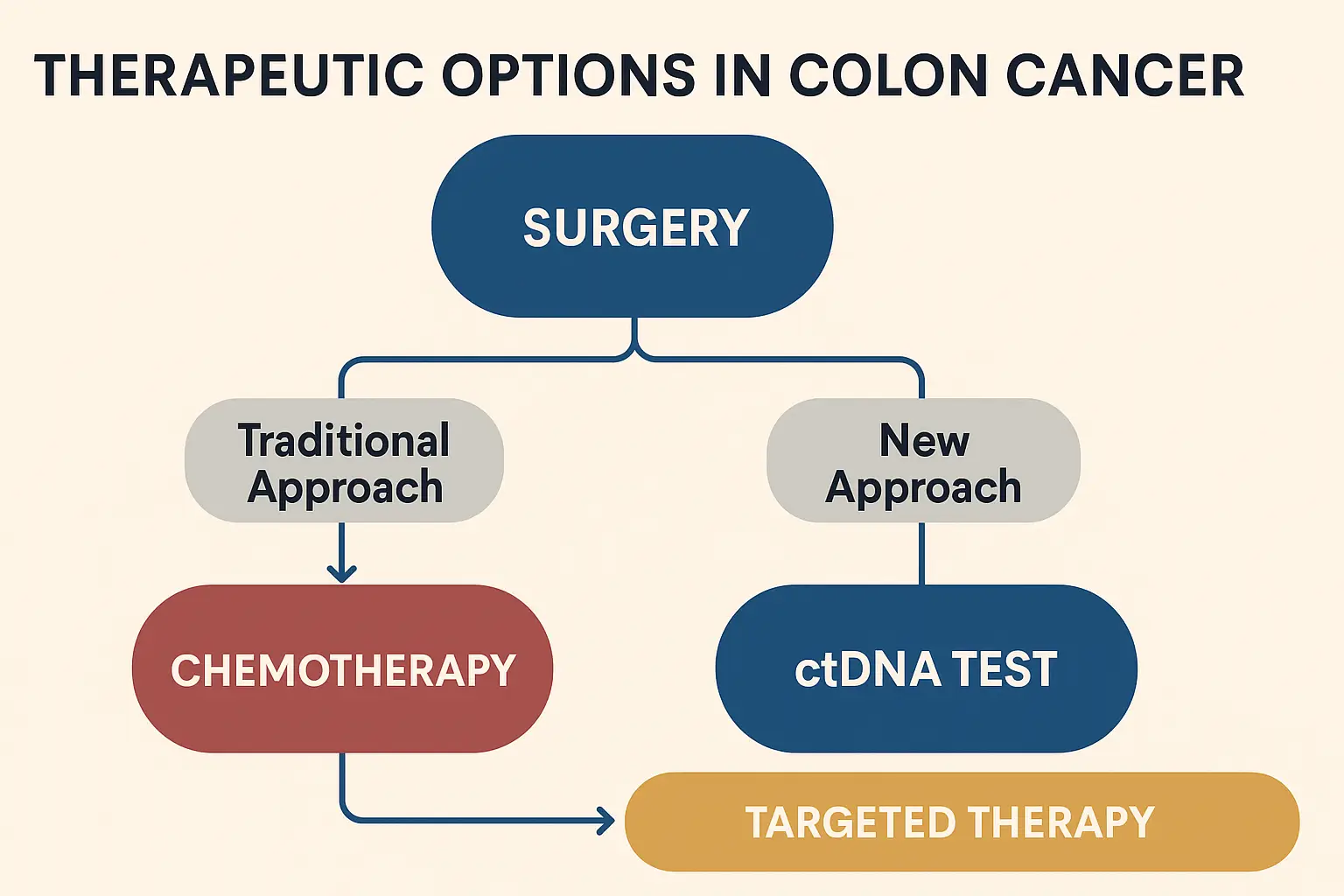
Therapeutic Frontiers in Colon Cancer: What’s New in 2025
Treatment for colon cancer (colorectal cancer) is undergoing a major transformation. Once dominated by surgery...


