
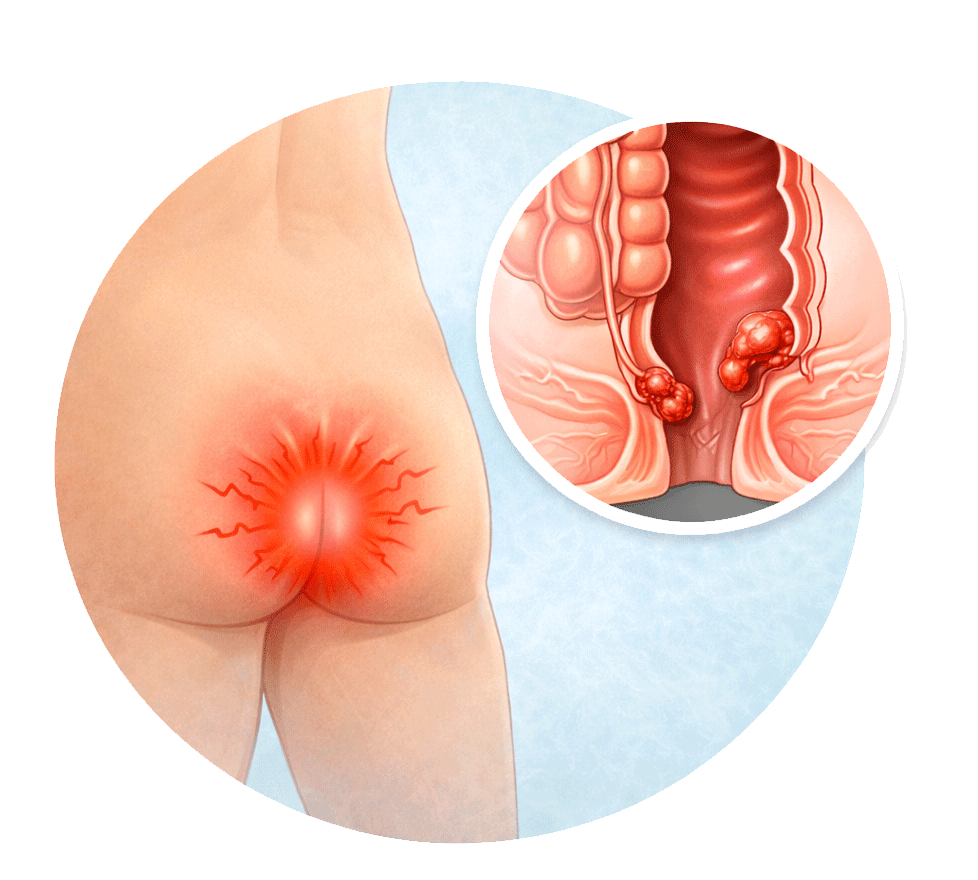




Rectal Cancer Surgery in Mohali

Rectal cancer is a condition in which abnormal cell growth develops in the rectum, the final portion of the large intestine. Management of rectal cancer depends on several factors, including the stage of disease, tumor location, and the patient’s overall health. Surgery is commonly used as part of the treatment plan, often in coordination with other medical services
This page provides general information about rectal cancer and its surgical management.

Understanding Rectal Cancer

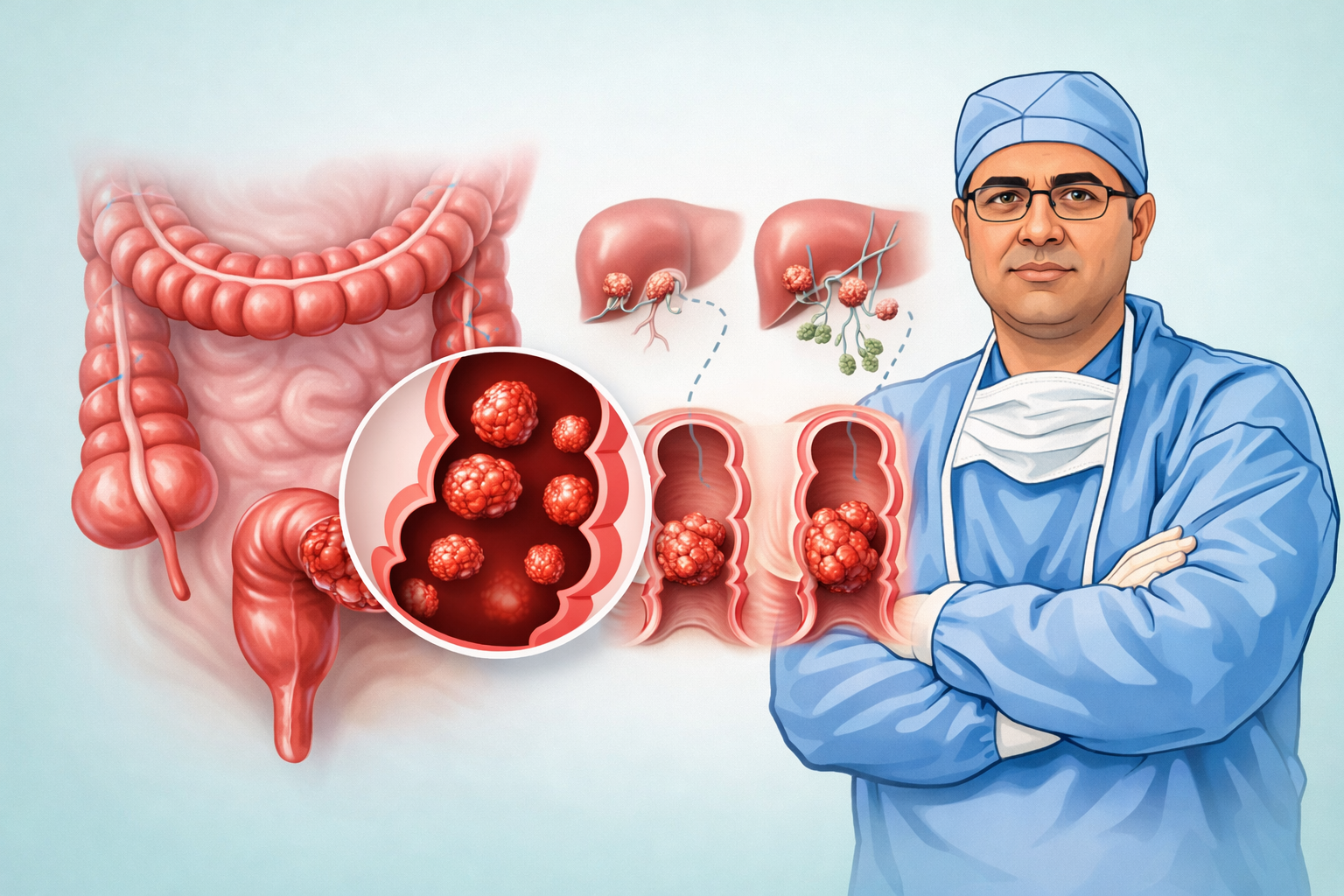
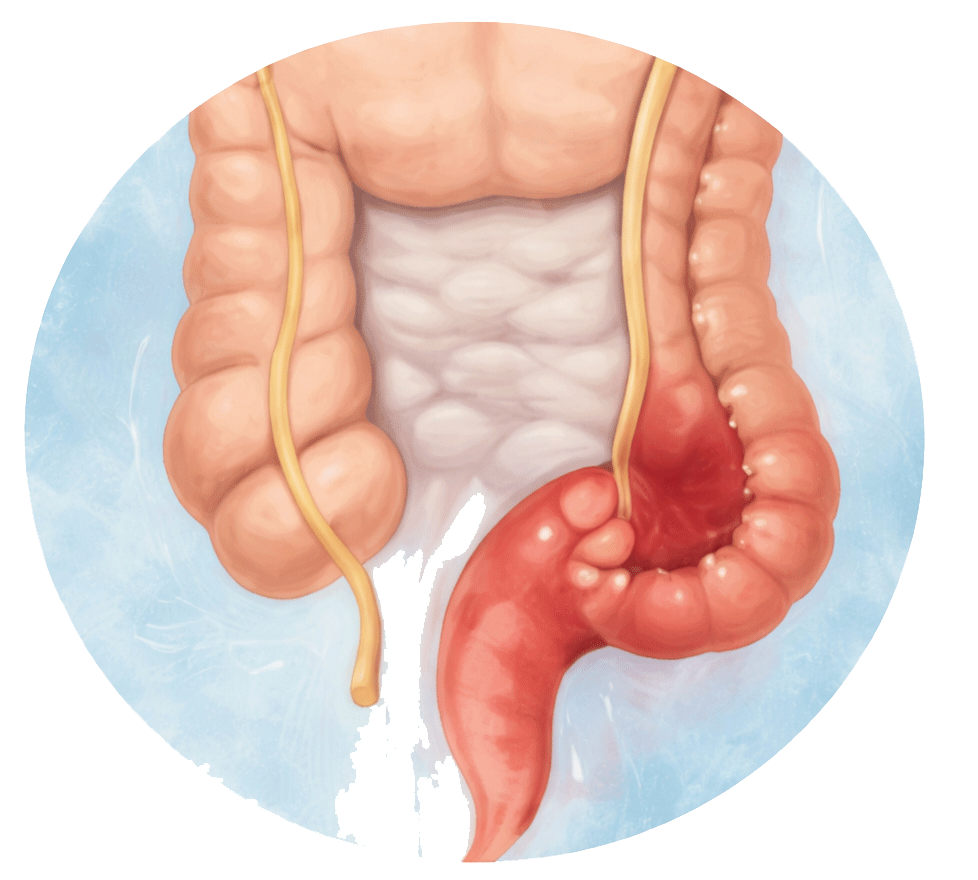
The rectum is located between the sigmoid colon and the anal canal and plays a role in stool storage before elimination. Rectal cancer may develop from changes in the lining of the rectum, sometimes beginning as benign polyps that may undergo malignant transformation over time.
Due to the rectum’s anatomical location, treatment planning often requires careful assessment to balance disease control with preservation of bowel function.

Role of Surgery in Rectal Cancer

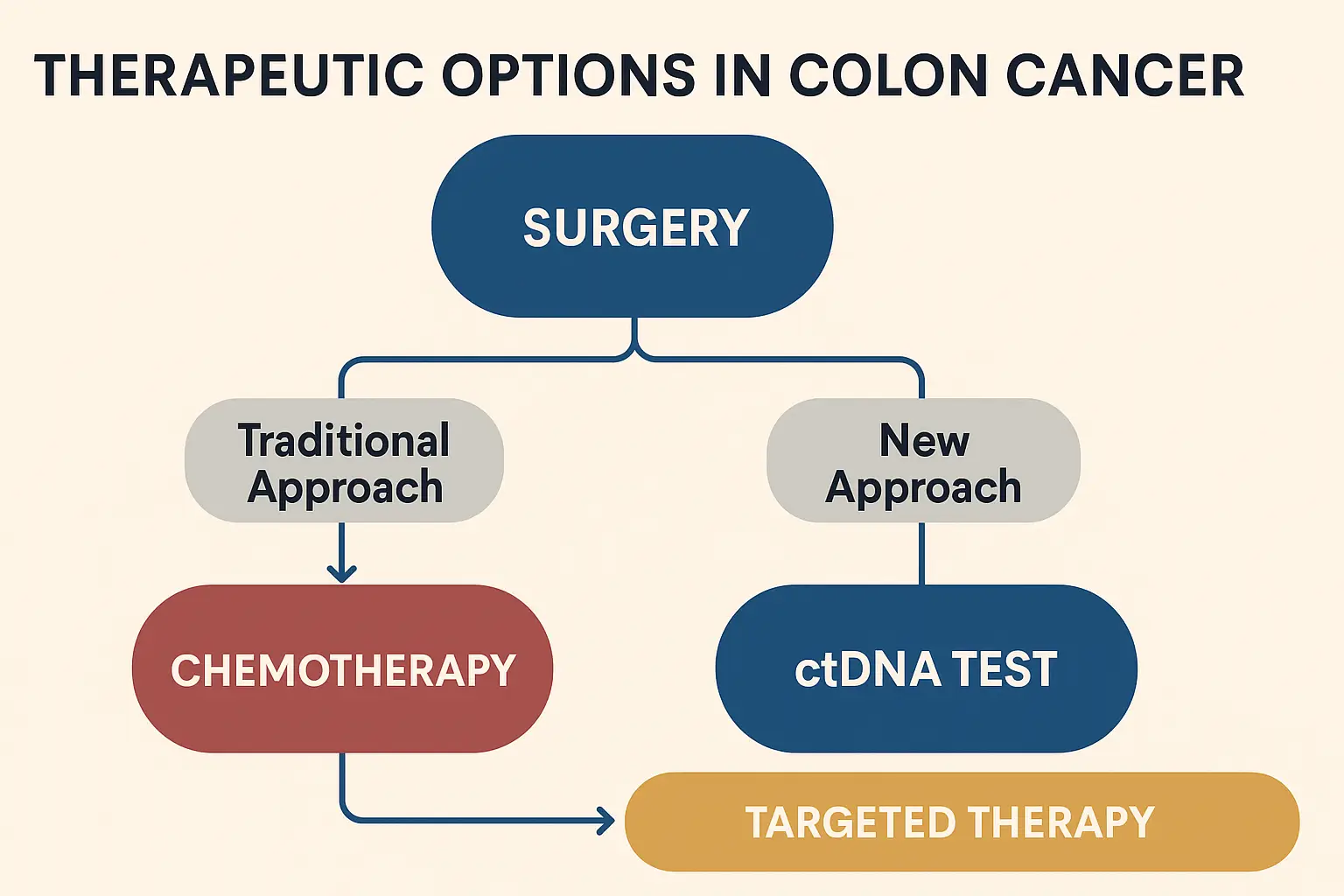
Surgery is an important component of treatment for rectal cancer in many cases. The objective of surgery is to remove the tumor along with surrounding tissues as required, while following established oncological and surgical principles.
The surgical approach depends on:
  • Tumor location within the rectum
  • Stage of the disease
  • Patient-specific clinical factors

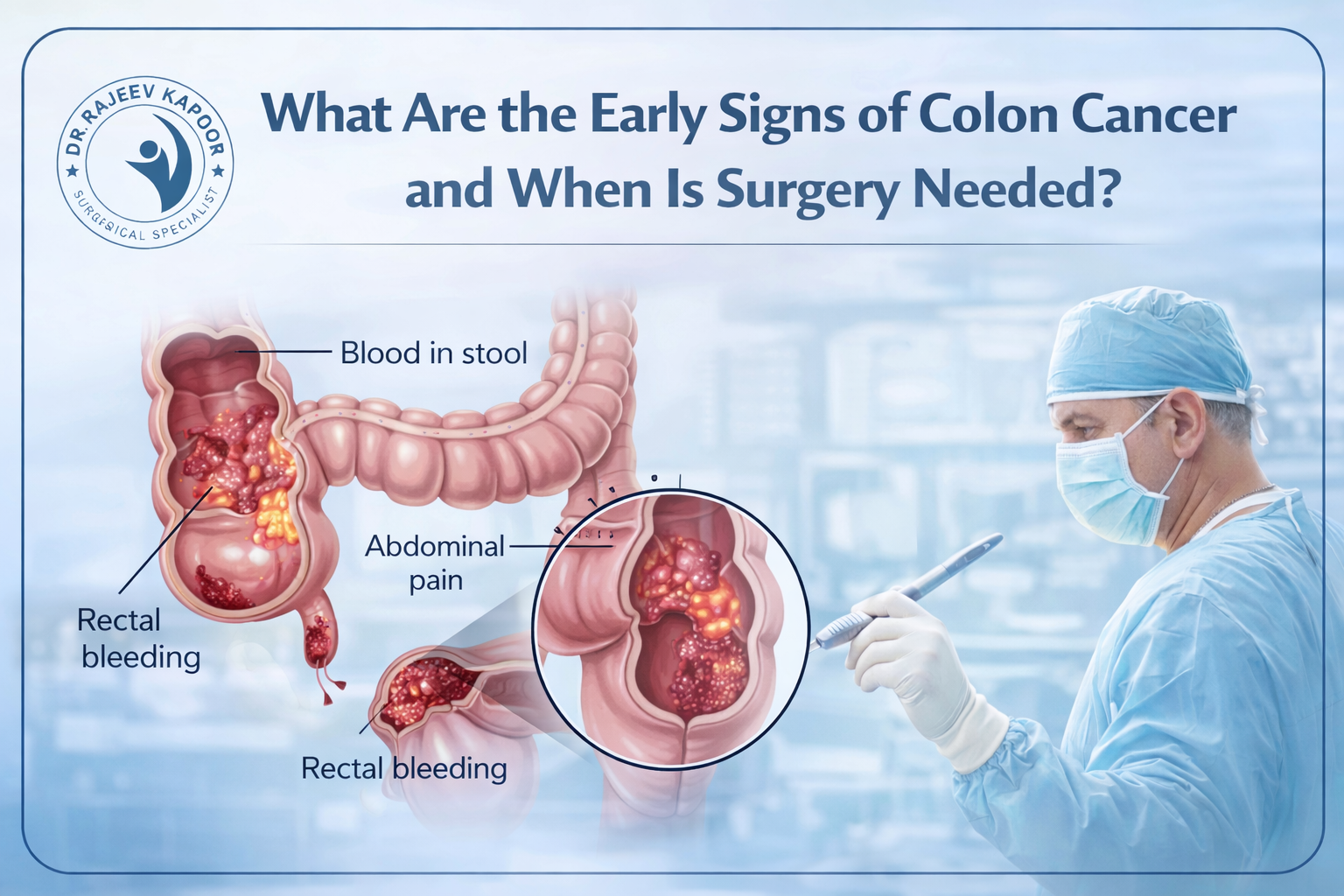
Common Symptoms

Symptoms of rectal cancer can vary and may depend on the size and location of the tumor. In some cases, early stages may not cause noticeable symptoms.

Changes in bowel habits

Blood in stool

Rectal discomfort or pain

Unexplained weight loss or fatigue

Diagnosis of Colon CancerDiagnosis of Rectal Cancer

Diagnosis is based on clinical evaluation and investigations, which may include:
  • Digital rectal examination
  • Colonoscopy or sigmoidoscopy with biopsy
  • Imaging studies such as MRI or CT scans
  • Histopathological examination
These investigations help confirm the diagnosis and determine disease extent.

Types of Rectal Cancer Surgery

Based on clinical evaluation, surgical options may include:

Low Anterior Resection (LAR)

Removal of the affected rectal segment with preservation of the anal sphincter, where feasible.

Abdominoperineal Resection (APR)

Removal of the rectum and anus in selected cases, with creation of a permanent colostomy.

Local Excision

For selected early-stage tumors meeting specific criteria.

Minimally Invasive Approaches

Laparoscopic techniques may be considered in appropriate cases.
The choice of procedure is determined after detailed assessment.

Pre-operative Assessment

Before surgery, patients generally undergo:
Prior to surgery, patients generally undergo:
  • Detailed clinical evaluation
  • Anesthesia fitness assessment
  • Relevant laboratory and imaging investigations
This helps ensure appropriate surgical planning and patient safety.

Post-operative Care and Follow-Up

Post-surgical care typically includes: 
  • Monitoring during hospital stay
  • Gradual resumption of diet and activity
  • Scheduled follow-up visits
  • Coordination with oncology services when required
Ongoing follow-up forms an important part of standard care.

About the Author of This Information

Dr. Rajeev Kapoor is a practicing surgeon based in Mohali, Punjab. He provides clinical services in the field of gastrointestinal, colorectal, and general surgery. This website is intended for informational and educational purposes only.
Prior to surgery, patients generally undergo:

Disclaimer

The information provided on this page is for general educational purposes only. It is not a substitute for professional medical advice, diagnosis, or treatment. Treatment decisions should be made after consultation with a qualified medical professional, based on individual clinical evaluation.
Scroll to Top
Call Now Button