



Rectal Cancer Surgery in Mohali

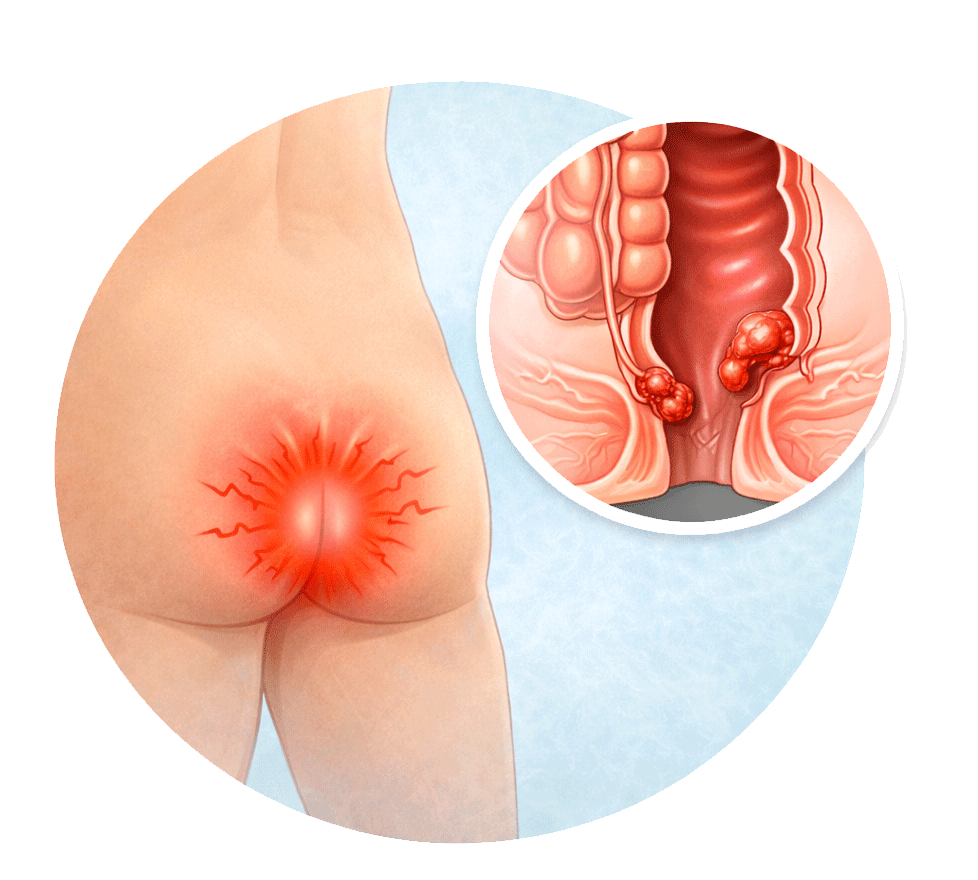
Rectal cancer is a condition in which abnormal cell growth develops in the rectum, the final portion of the large intestine. Management of rectal cancer depends on several factors, including the stage of disease, tumor location, and the patient’s overall health. Surgery is commonly used as part of the treatment plan, often in coordination with other medical services
This page provides general information about rectal cancer and its surgical management.

Understanding Rectal Cancer

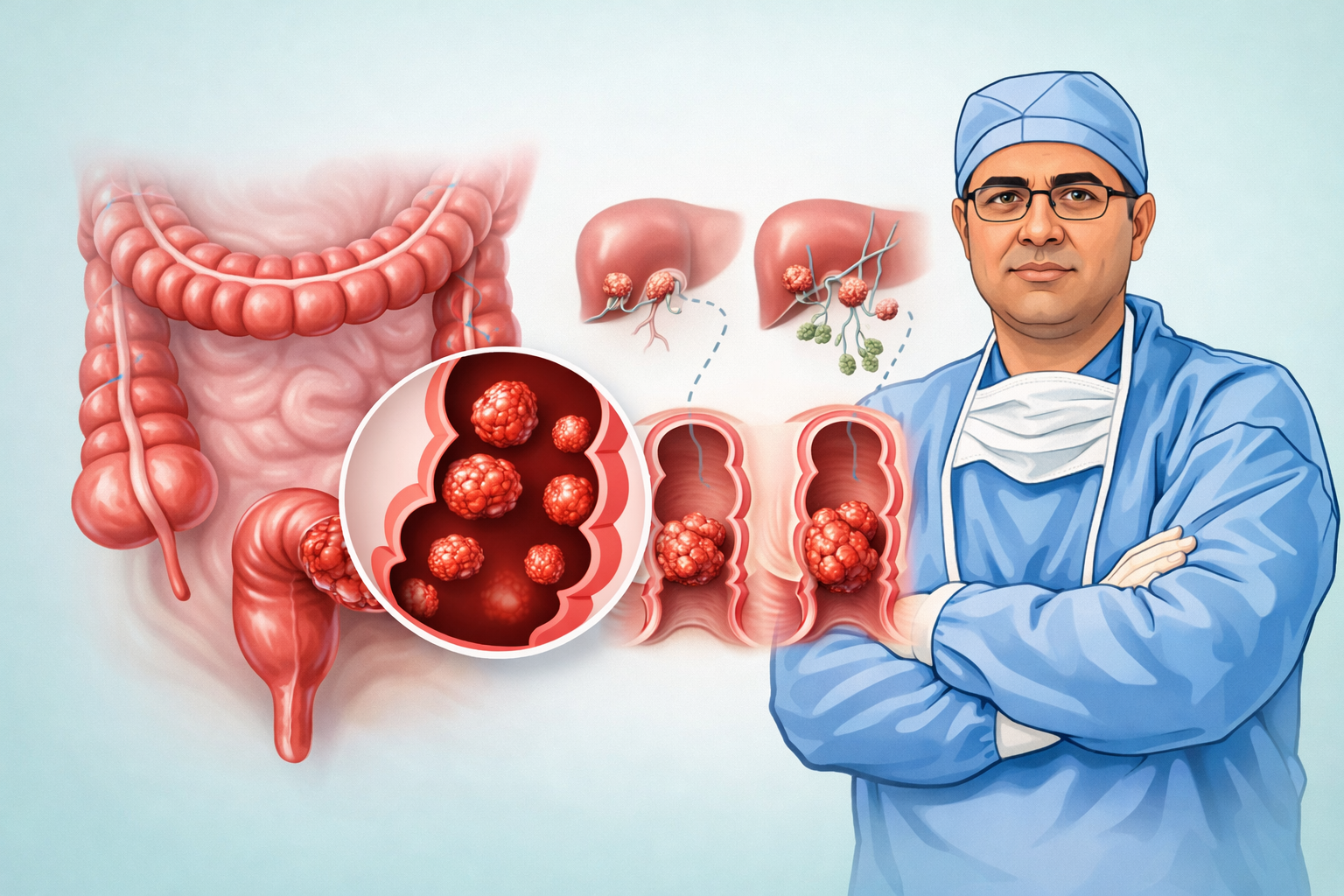
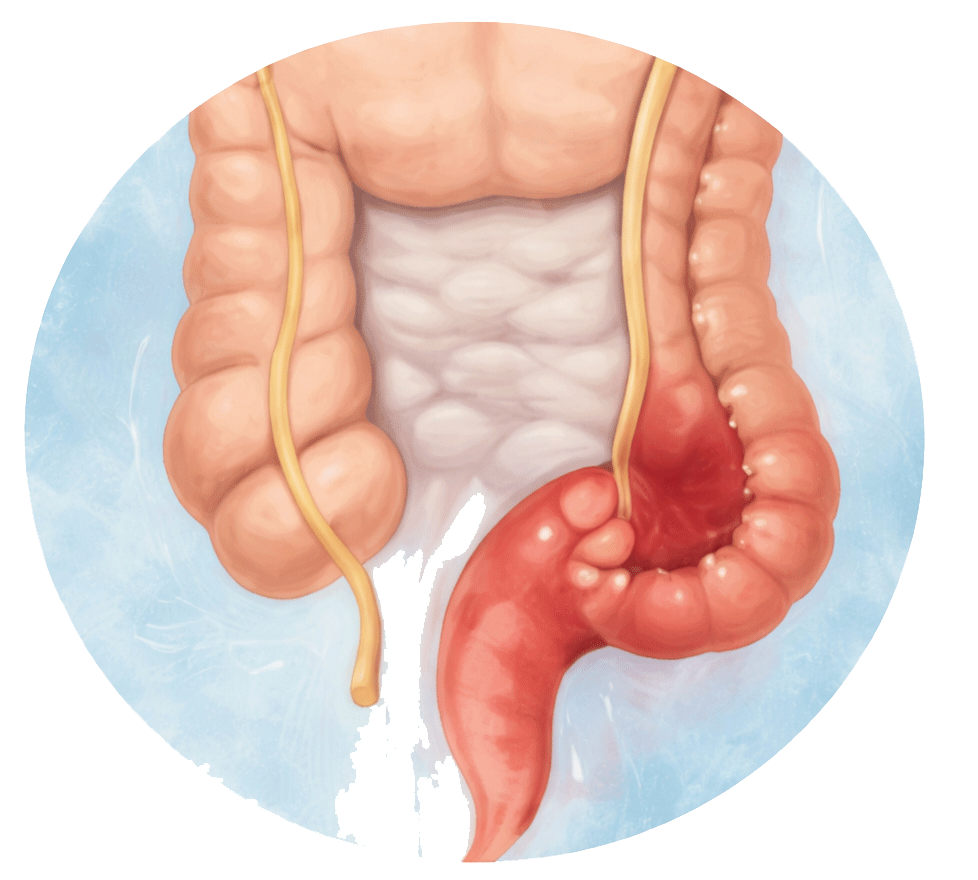
The rectum is located between the sigmoid colon and the anal canal and plays a role in stool storage before elimination. Rectal cancer may develop from changes in the lining of the rectum, sometimes beginning as benign polyps that may undergo malignant transformation over time.
Due to the rectum’s anatomical location, treatment planning often requires careful assessment to balance disease control with preservation of bowel function.

Role of Surgery in Rectal Cancer

Surgery is an important component of treatment for rectal cancer in many cases. The objective of surgery is to remove the tumor along with surrounding tissues as required, while following established oncological and surgical principles.
The surgical approach depends on:
  • Tumor location within the rectum
  • Stage of the disease
  • Patient-specific clinical factors

Common Symptoms

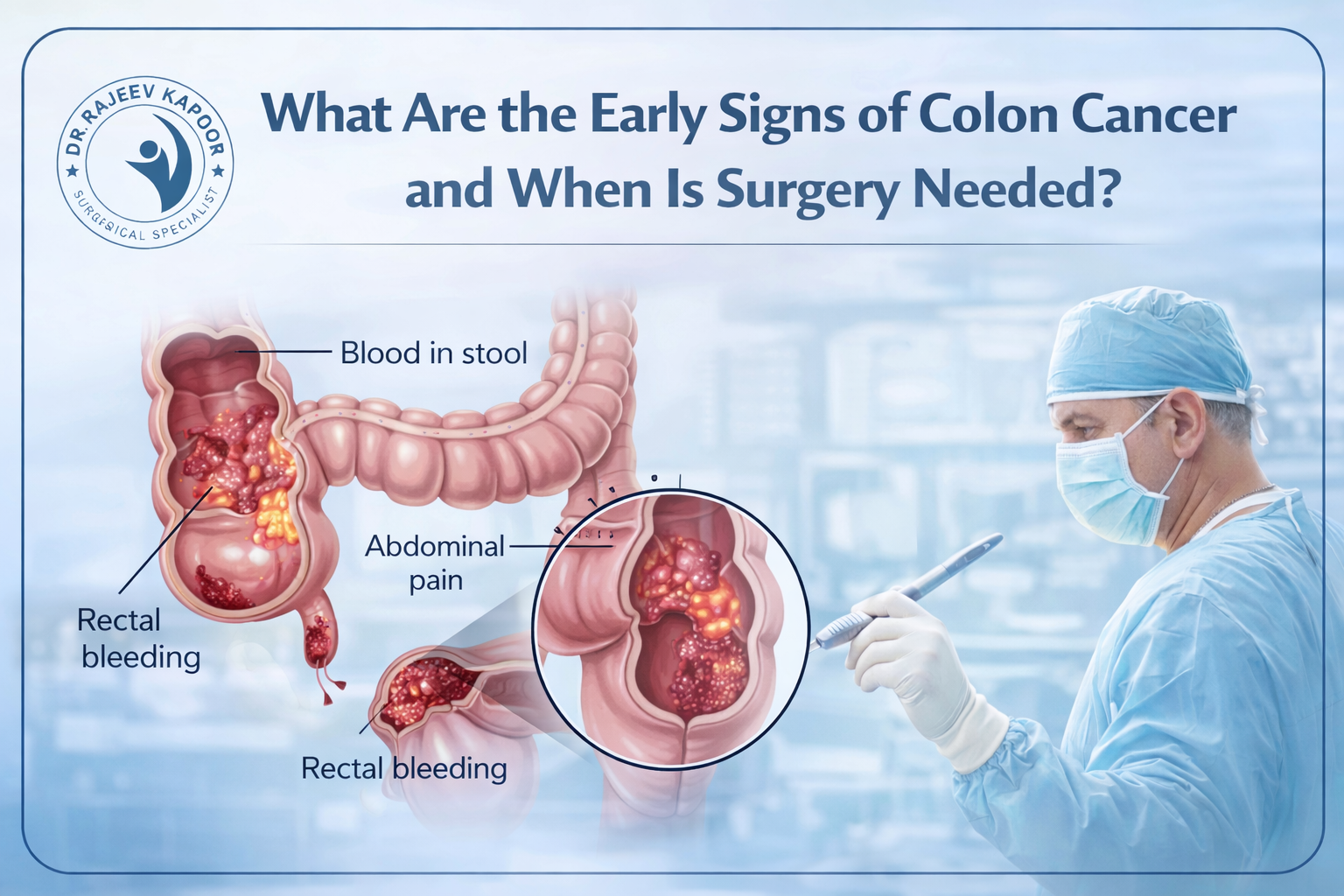
Symptoms of rectal cancer can vary and may depend on the size and location of the tumor. In some cases, early stages may not cause noticeable symptoms.

Changes in bowel habits

Blood in stool

Rectal discomfort or pain

Unexplained weight loss or fatigue

Diagnosis of Colon CancerDiagnosis of Rectal Cancer

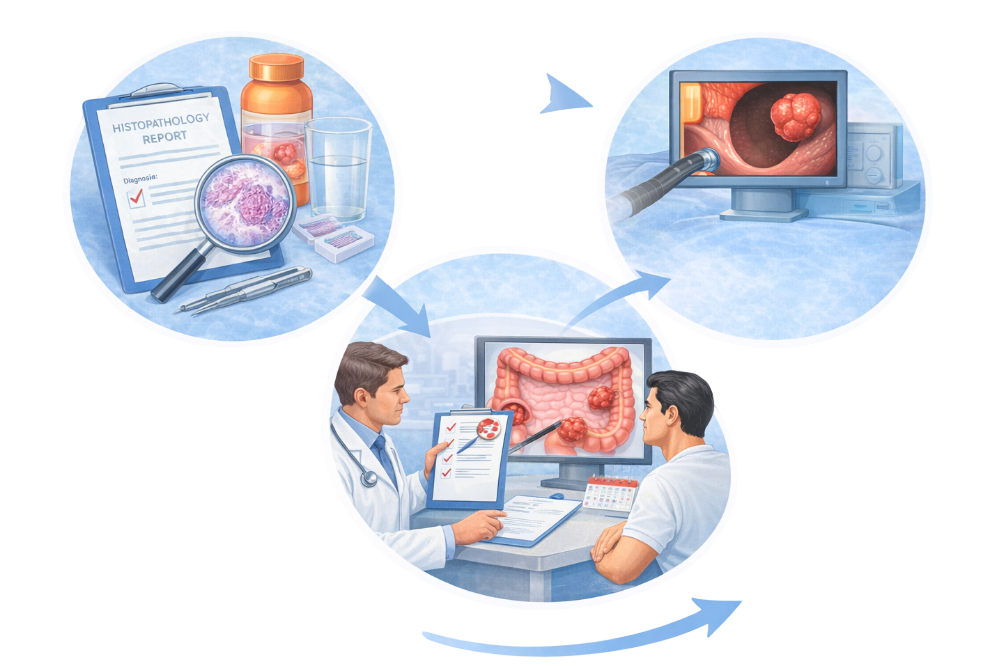
Diagnosis is based on clinical evaluation and investigations, which may include:
  • Digital rectal examination
  • Colonoscopy or sigmoidoscopy with biopsy
  • Imaging studies such as MRI or CT scans
  • Histopathological examination
These investigations help confirm the diagnosis and determine disease extent.

Types of Rectal Cancer Surgery

Based on clinical evaluation, surgical options may include:

Low Anterior Resection (LAR)

Removal of the affected rectal segment with preservation of the anal sphincter, where feasible.

Abdominoperineal Resection (APR)

Removal of the rectum and anus in selected cases, with creation of a permanent colostomy.

Local Excision

For selected early-stage tumors meeting specific criteria.

Minimally Invasive Approaches

Laparoscopic techniques may be considered in appropriate cases.
The choice of procedure is determined after detailed assessment.

Pre-operative Assessment

Before surgery, patients generally undergo:
Prior to surgery, patients generally undergo:
  • Detailed clinical evaluation
  • Anesthesia fitness assessment
  • Relevant laboratory and imaging investigations
This helps ensure appropriate surgical planning and patient safety.

Post-operative Care and Follow-Up

Post-surgical care typically includes: 
  • Monitoring during hospital stay
  • Gradual resumption of diet and activity
  • Scheduled follow-up visits
  • Coordination with oncology services when required
Ongoing follow-up forms an important part of standard care.

Rectal Cancer: An Intricate Cancer Needing Specific Professionals

Rectal Cancer Surgeon – Cancer happening in the rectum is called rectal cancer. Rectum is the last several inches of the large intestinal tract beginning at the end of the final sector of colon and ends when it gets to the anal canal and opening. Cancer growth or lump inside the rectum (rectal cancer) as well as cancer growth inside the colon (colon cancer) are referred to with each other as “colorectal cancer.” 
Rectal as well as colon cancers cells are treated very differently. This is mainly because the rectum is located in a very limited area, hardly divided from various other organs and also frameworks therefore making surgery to get rid of rectal cancer complicated

Signs and Symptoms of Rectal Cancer

Examinations to detect as well as confirm rectal cancer

Tests to Seek Cancer Cells Spread:

  1. Complete blood count (CBC). A reduced haemoglobin, recommends that a growth is creating blood loss.
  2. Liver Function Tests. Abnormal degrees of some of these chemicals may suggest that cancer has spread to the liver.
  3. Carcinoembryonic antigen (CEA). Carcinoembryonic antigen (CEA), may be greater than typical in people with colon and rectal cancer. CEA testing is specifically useful in keeping track of success to treatment.
  4. CT Scan or PET Scan: It assists figure out whether rectal cancer has actually infected other organs, such as the liver and lungs.
  5. MRI of the pelvis. An MRI offers an in-depth picture of the muscular tissues, organs and various other cells surrounding a rectal tumor within the pelvis. An MRI also shows the lymph nodes near the rectum and anus and various layers of tissue in the rectal and anal wall. This is a really crucial examination to make a decision the sort of therapy to begin with.
  6. A few other tests might be called for to assess physical fitness for surgery.
Rectal Cancer Surgery Chandigarh
Piles Doctor in Chandigarh

Staging of Rectal Cancer

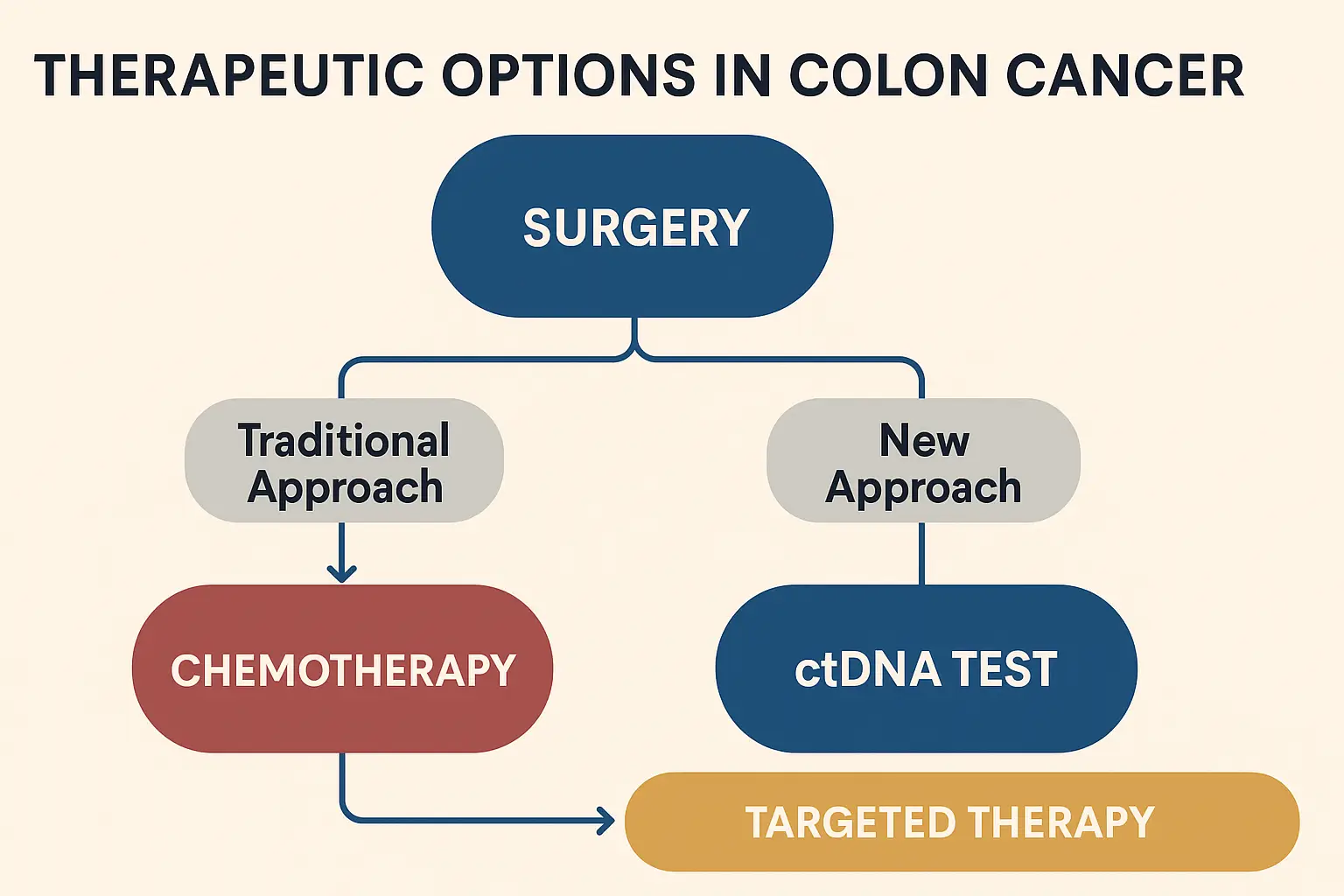
Rectal Cancer Treatment

Rectal Cancer Surgery

Workflow used to treat rectal cancer consist of:

Chemotherapy for Rectal Cancer

There are lots of reasons why chemotherapy is required and is called for. These are:
  • Might be recommended after surgical procedure to kill any type of cancer cells that might remain.
  • Radiation treatment integrated with chemotherapy can also be used prior to a procedure to reduce a huge cancer so that it’s less complicated to eliminate with surgical procedure.
  • Chemotherapy can likewise be made use of for palliation to control symptoms of rectal and anal cancer that cannot be removed with surgery or that has actually spread to other locations of the body.

Radiation Treatment for Rectal Cancer

  • Radiation treatment uses powerful energy resources, such as X-rays and also protons, to kill cancer cells. In people with rectal and anal cancer, radiation treatment is frequently integrated with chemotherapy or It can be utilized after surgical treatment to kill any type of cancer cells that may stay or used before surgery to shrink a cancer cells as well as make it much easier to remove.
  • In advanced cases, when surgical procedure isn’t an option, radiation treatment is made use of to eliminate symptoms, such as pain or blood loss.

Combined Radiation Treatment and Also Chemotherapy for Rectal Cancer

  • Integrating chemotherapy as well as radiation treatment (chemoradiotherapy) makes cancer cells extra receptive to radiation. Thus this mix is utilized for advanced or bigger rectal cancers and those that have a higher risk of returning after surgical procedure.

Various other modalities for rectal cancer recommended:

Conclusion:

If you are looking for a doctor to do rectal cancer surgery, Dr. Rajeev Kapoor is the right doctor for you. Book your appointment for consultation.

About the Author of This Information

Dr. Rajeev Kapoor is a practicing surgeon based in Mohali, Punjab. He provides clinical services in the field of gastrointestinal, colorectal, and general surgery. This website is intended for informational and educational purposes only.

Disclaimer

The information provided on this page is for general educational purposes only. It is not a substitute for professional medical advice, diagnosis, or treatment. Treatment decisions should be made after consultation with a qualified medical professional, based on individual clinical evaluation.
Scroll to Top
Call Now Button