Appendicitis — Symptoms, Diagnosis & Surgery
A practical guide to understanding appendicitis — what causes it, how it is diagnosed, and what surgery involves.

What Is Appendicitis?
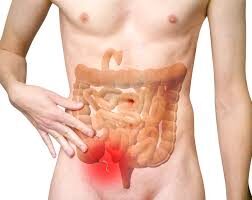
Appendicitis is an inflammation of the appendix — a small, finger-shaped pouch attached to the beginning of your large bowel (the caecum), in the lower right side of your abdomen. It is one of the most common surgical emergencies worldwide.
When the opening of the appendix gets blocked — usually by hardened stool (a faecolith), swollen lymph tissue, or rarely a tumour — bacteria multiply inside, the wall becomes inflamed and swollen, and pressure builds. If not treated, the appendix can perforate (burst), spilling infected material into the abdominal cavity.
Appendicitis can occur at any age but is most common between the ages of 10 and 30. It affects both men and women. The lifetime risk of developing appendicitis is approximately 7–8%.
What Causes Appendicitis?
Appendicitis develops when the opening of the appendix becomes blocked, allowing bacteria to multiply inside and trigger infection. Several things can cause this blockage.
Hardened Stool (Faecolith)
The most common cause. A small, calcified piece of stool lodges at the base of the appendix, blocking drainage and allowing bacteria to accumulate inside.
Swollen Lymph Tissue
After a viral illness, lymphoid tissue inside the appendix wall can swell (lymphoid hyperplasia), narrowing the opening. This is especially common in children and young adults.
Diet & Lifestyle Factors
A low-fibre diet is associated with a higher risk of appendicitis. Fibre keeps stool soft and reduces the chance of faecolith formation. Severe physical stress may also reduce blood flow to the gut and contribute.
Less Common Causes
Rarely, a tumour, intestinal parasite, or mucus plug can obstruct the appendix. A family history of appendicitis may also increase your risk, though the exact mechanism is not fully understood.
Symptoms — How Does Appendicitis Feel?
The classic pattern is pain that starts around the navel and then moves to the lower right side of the abdomen — but not everyone follows this textbook pattern.
Abdominal Pain
Usually begins as a dull ache around the belly button, then shifts to the right lower abdomen (right iliac fossa) over 6–24 hours. The pain gets steadily worse and is aggravated by movement, coughing, or pressing on the area.
Loss of Appetite & Nausea
Most patients lose their appetite (anorexia). Nausea and vomiting often follow the onset of pain — typically after the pain starts, not before.
Fever
A low-grade fever (37.5–38.5 °C) is common. A high fever (>39 °C) may suggest that the appendix has perforated or an abscess has formed.
Other Signs
Tenderness when pressing the right lower abdomen, pain on releasing pressure (rebound tenderness), inability to pass gas, and sometimes loose stools or urinary frequency (if the appendix lies near the bladder).
How Is Appendicitis Diagnosed?
Diagnosis is based on your symptoms, a physical examination by the surgeon, blood tests, and usually an imaging scan. In many cases, an experienced surgeon can diagnose appendicitis at the bedside.
Blood Tests
A raised white blood cell count (WBC) and elevated CRP (C-reactive protein) support the diagnosis. These are not specific to appendicitis but indicate inflammation or infection.
Ultrasound
Often the first imaging test — especially in children and young women. It can show a swollen, non-compressible appendix. No radiation exposure.
CT Scan
The most accurate imaging test for appendicitis in adults. Shows the inflamed appendix, any perforation, abscess, or alternative diagnosis. Used when ultrasound is inconclusive or when complications are suspected.
Types of Appendicitis
Uncomplicated (Simple) Appendicitis
The appendix is inflamed but has not perforated. This is the most common presentation. Early surgery gives excellent results with a short hospital stay.
Complicated Appendicitis — Perforation
The appendix has burst (perforated). Infected material leaks into the abdomen, causing peritonitis (widespread infection of the abdominal lining). This requires urgent surgery and a longer course of antibiotics.
Appendicular Abscess / Lump
Sometimes, a perforated appendix gets walled off by the body’s own tissues, forming a localised collection of pus (abscess) or a firm mass (appendicular lump). Treatment may involve antibiotics and drainage first, with surgery planned later (an “interval appendicectomy”).
Chronic / Recurrent Appendicitis
A less recognised form where the appendix becomes intermittently inflamed over weeks or months, causing recurring episodes of right lower abdominal pain that settle on their own. Each episode carries the risk of progressing to perforation. Surgical removal of the appendix is the definitive treatment.
Why timing matters: Uncomplicated appendicitis can progress to perforation within 24–72 hours of symptom onset. This is why abdominal pain that is worsening should never be ignored — early assessment and timely surgery prevent complications.
The Operation — Appendicectomy
The standard treatment for appendicitis is surgical removal of the appendix — an operation called an appendicectomy (also spelled appendectomy). It can be performed laparoscopically (keyhole) or as an open operation.
Laparoscopic Appendicectomy
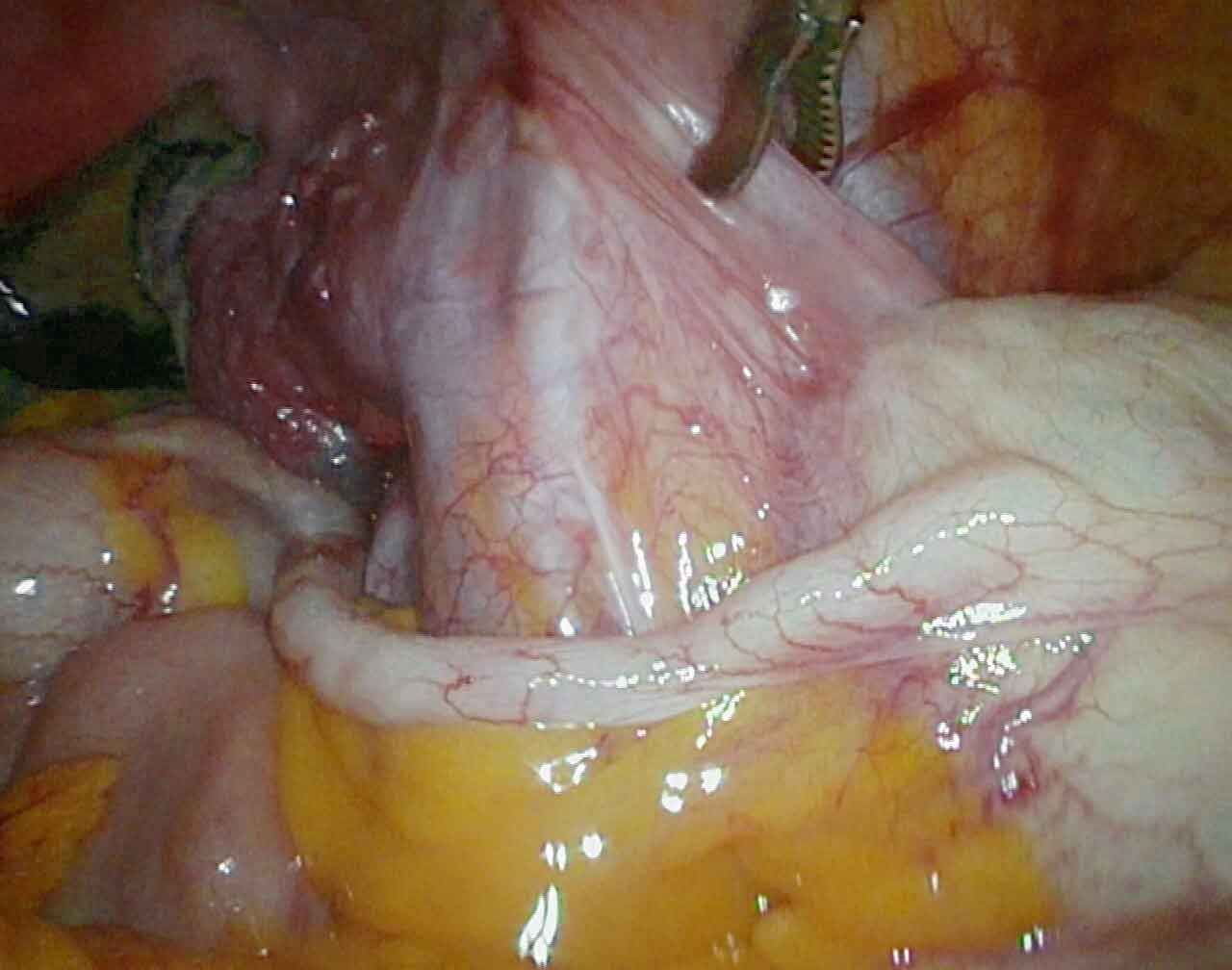
Done through 3 small incisions (5–10 mm each) using a camera and specialised instruments. The appendix is identified, its blood supply secured, and the base divided and removed. This is the preferred approach in most cases — less pain, faster recovery, smaller scars, lower wound infection rate.
Open Appendicectomy
Done through a small incision in the right lower abdomen (McBurney’s or Lanz incision). Still widely used when laparoscopic equipment is not available, when the appendix has perforated with extensive contamination, or when the surgeon encounters dense adhesions.
What the Pathology Report Can Reveal
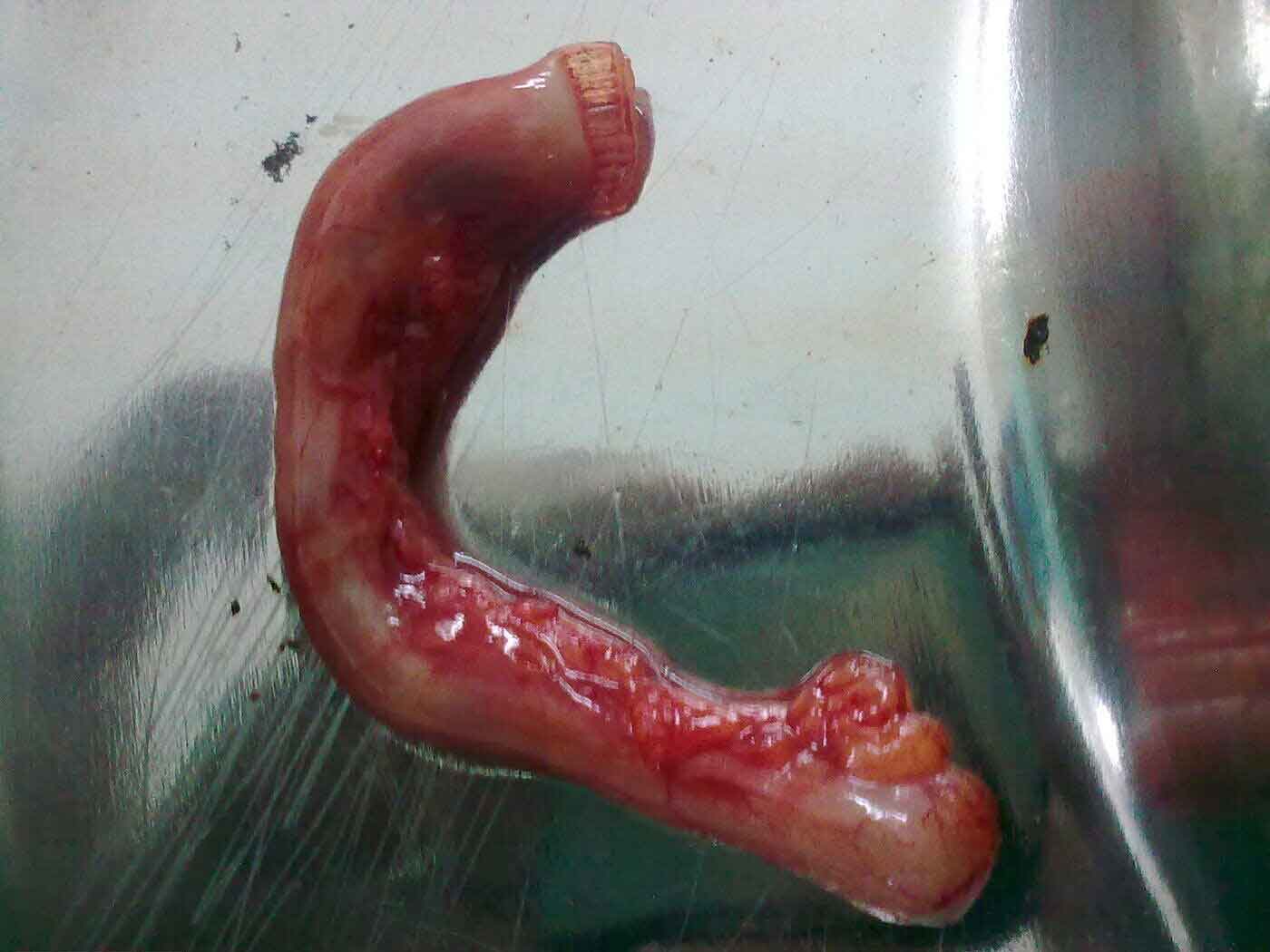
Every appendix removed at surgery — regardless of whether it looks straightforward — is sent to the pathology laboratory for microscopic examination. This is not a formality. In approximately 1 in 100 cases, the pathologist identifies an unexpected tumour inside the appendix that was clinically invisible during the operation.
Appendicular Lump & Interval Appendicectomy
When appendicitis has been present for several days, the body sometimes walls off the infection, forming an appendicular lump or abscess. In these cases, immediate surgery can be technically difficult and risky.
Recovery After Appendicectomy
Hospital Stay
Uncomplicated laparoscopic appendicectomy: most patients go home within 24–48 hours. Complicated cases (perforation, abscess): 3–7 days depending on response to antibiotics.
Diet & Activity
Start with clear liquids, progress to a normal diet as tolerated. Light walking from day one. Avoid heavy lifting for 2–3 weeks (laparoscopic) or 4–6 weeks (open).
Return to Work
Desk job: 1–2 weeks. Physical or manual work: 3–4 weeks. Your surgeon will advise based on your individual recovery.
For detailed guidance on wound care, diet, exercise, and warning signs after surgery, visit our Recovery After Surgery page.
Possible Complications
Appendicectomy is a safe and common operation, but like any surgery it carries some risks.
Frequently Asked Questions
Related Pages
For appointments or enquiries: Contact page | drrajeevkapoor.com