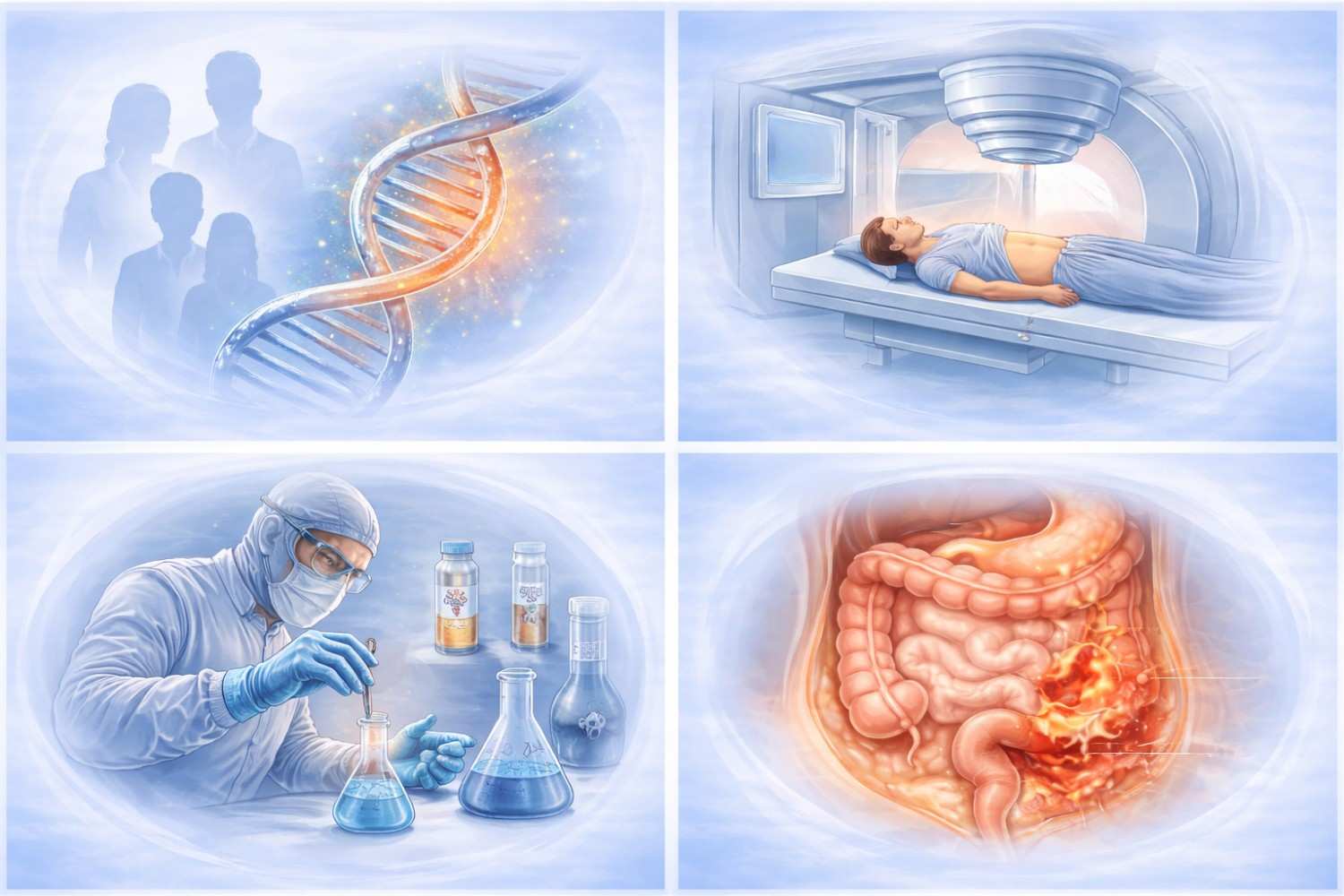
Small intestinal cancer is a rare type of cancer that develops in the small intestine, which is part of the digestive system responsible for absorbing nutrients from food. Although the small intestine makes up a large portion of the gastrointestinal tract, cancers in this region are uncommon compared to other digestive organs.
Types of Small Intestinal Cancer
The main types include:
- Adenocarcinoma – Begins in glandular cells lining the intestine
- Neuroendocrine Tumors (Carcinoid Tumors) – Slow-growing tumors from hormone-producing cells
- Lymphoma – Originates from immune system cells
- Sarcoma (including GIST) – Arises from connective tissue
Symptoms of Vulval Cancer
Symptoms may be vague and develop gradually:
- Abdominal pain or cramping
- Unexplained weight loss
- Nausea and vomiting
- Weakness or fatigue
- Blood in stool (black or tarry stools)
- Intestinal blockage in advanced cases
If symptoms persist for more than 2–3 weeks, medical evaluation is advised.
Causes & Risk Factors
The exact cause is not always known, but risk factors include:
- Increasing age
- Family history of gastrointestinal cancers
- Chronic inflammatory conditions (such as Crohn’s disease)
- Genetic syndromes (e.g., Lynch syndrome, FAP)
- Diet high in red or processed meats
Treatment Options
Treatment depends on cancer type, stage, and patient condition:
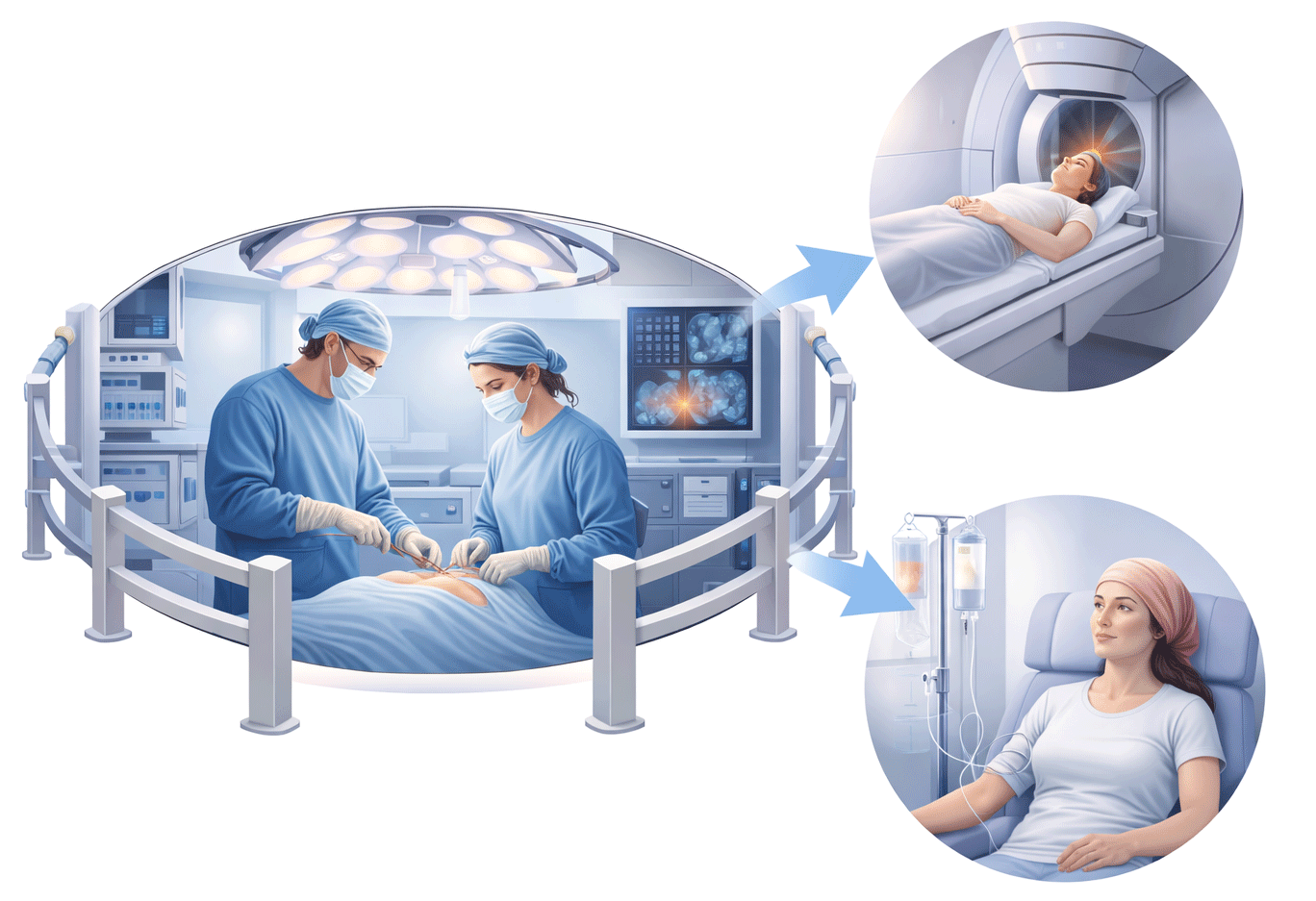
Surgery
- Primary treatment for localized tumors
- Removal of affected portion of intestine
Chemotherapy
- Used for advanced or spread cancer
- Helps control growth and symptoms
Targeted Therapy
Used in specific cancers like GIST
Radiation Therapy
- Less commonly used but may help in selected cases
Complications
- Intestinal obstruction
- Bleeding
- Spread of cancer (metastasis)
Early detection significantly improves treatment outcomes.
About the Author of This Information
Dr. Rajeev Kapoor is a practicing surgeon based in Mohali, Punjab. He provides clinical services in the field of gastrointestinal, colorectal, and general surgery. This website is intended for informational and educational purposes only.
Disclaimer
The information provided on this page is for general educational purposes only. It is not a substitute for professional medical advice, diagnosis, or treatment. Treatment decisions should be made after consultation with a qualified medical professional, based on individual clinical evaluation.