Perineal or other abscesses
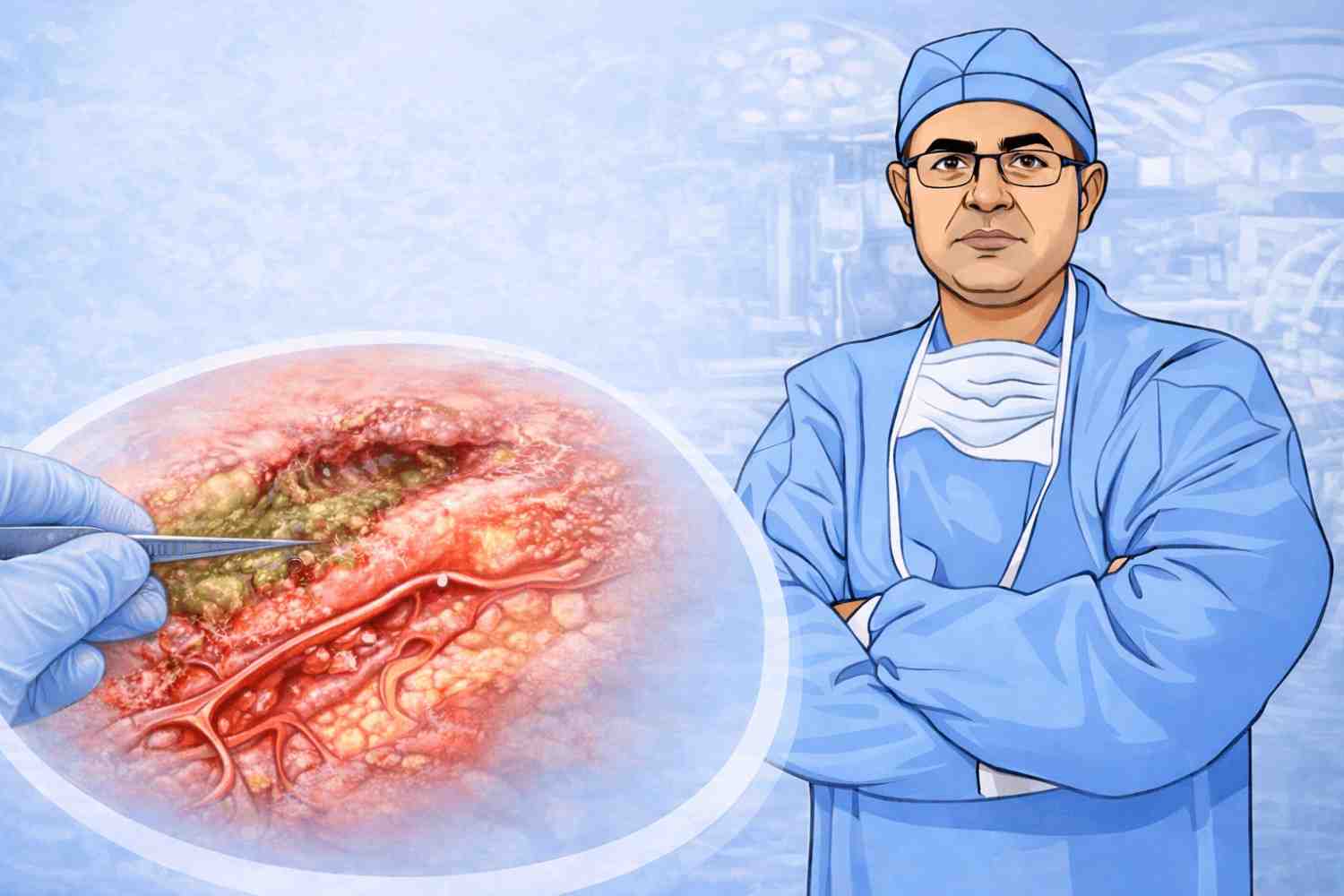
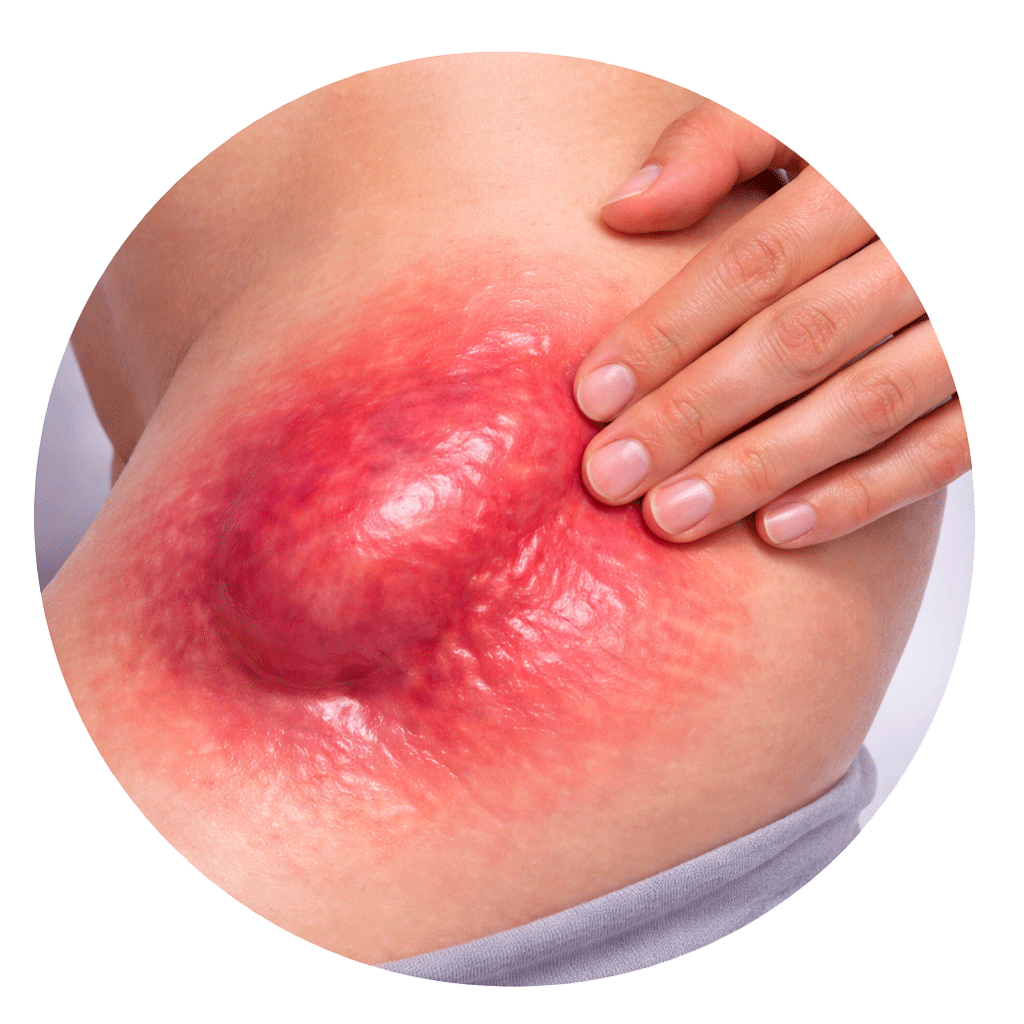
A perineal abscess is a painful collection of pus that develops near the anus, rectum, or perineal region (the area between the genitals and anus). Abscesses can also occur in other parts of the body due to infection. Prompt medical care is important to prevent complications and ensure proper healing.
What is an Abscess?
An abscess forms when bacteria enter the body through small cuts, hair follicles, or blocked glands, leading to infection. The body’s immune response results in a buildup of pus, causing swelling, pain, and redness.
Causes & Risk Factors
- Bacterial infections
- Poor hygiene
- Blocked glands or hair follicles
- Conditions like diabetes or weakened immunity
- Previous history of abscesses
- Prolonged sitting or friction in the area
Diagnosis
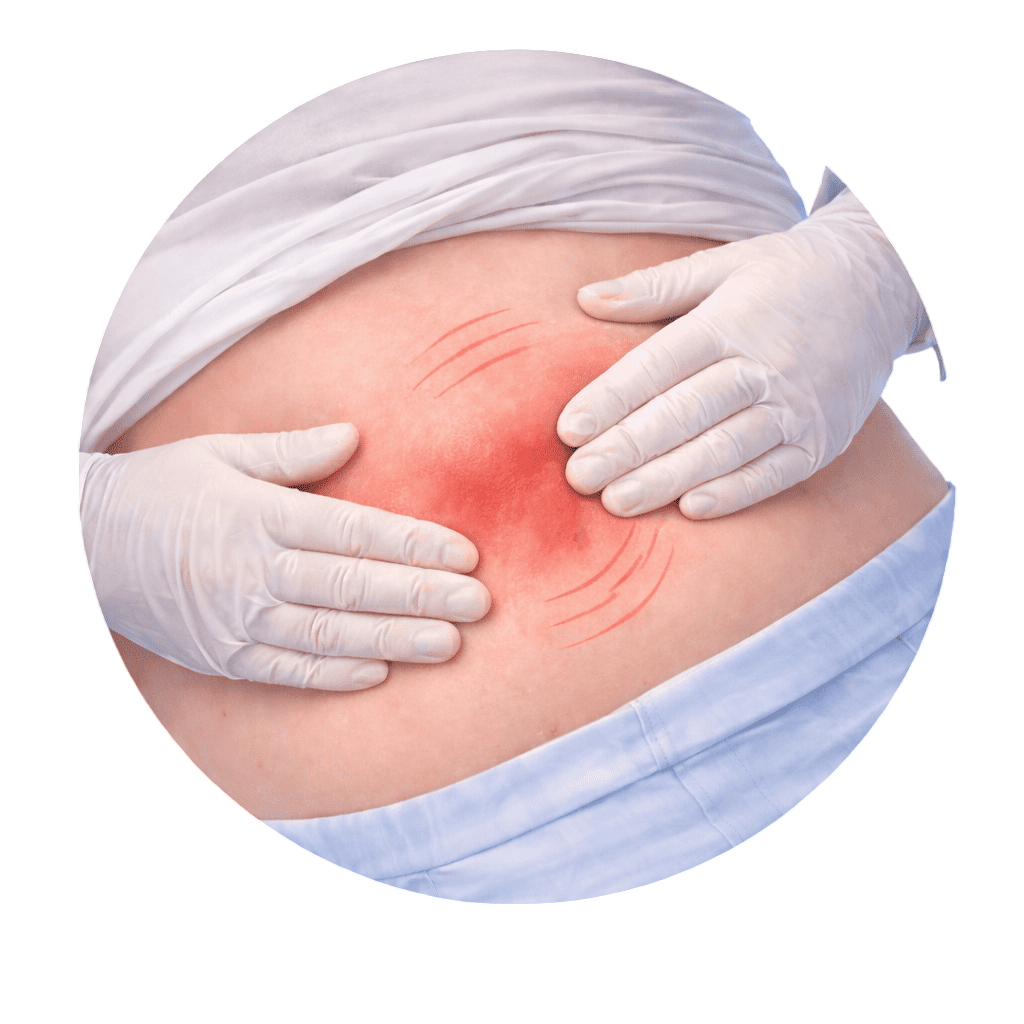
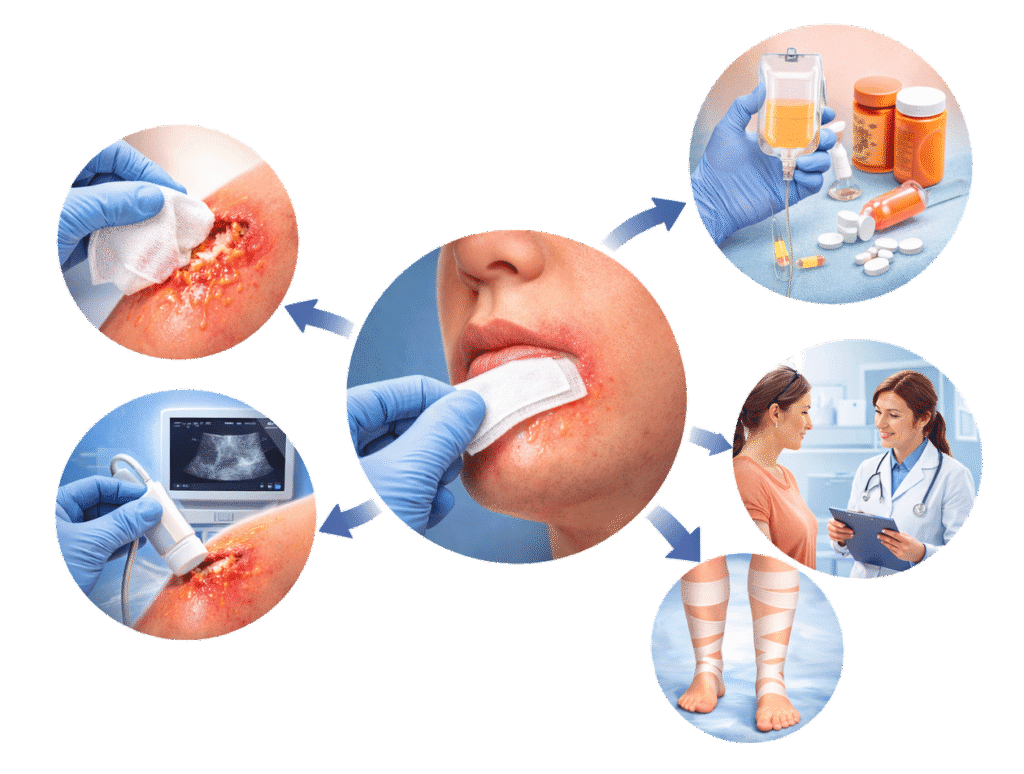
A healthcare professional will perform a physical examination. In some cases, additional tests such as ultrasound or blood tests may be advised to assess the severity of the infection.
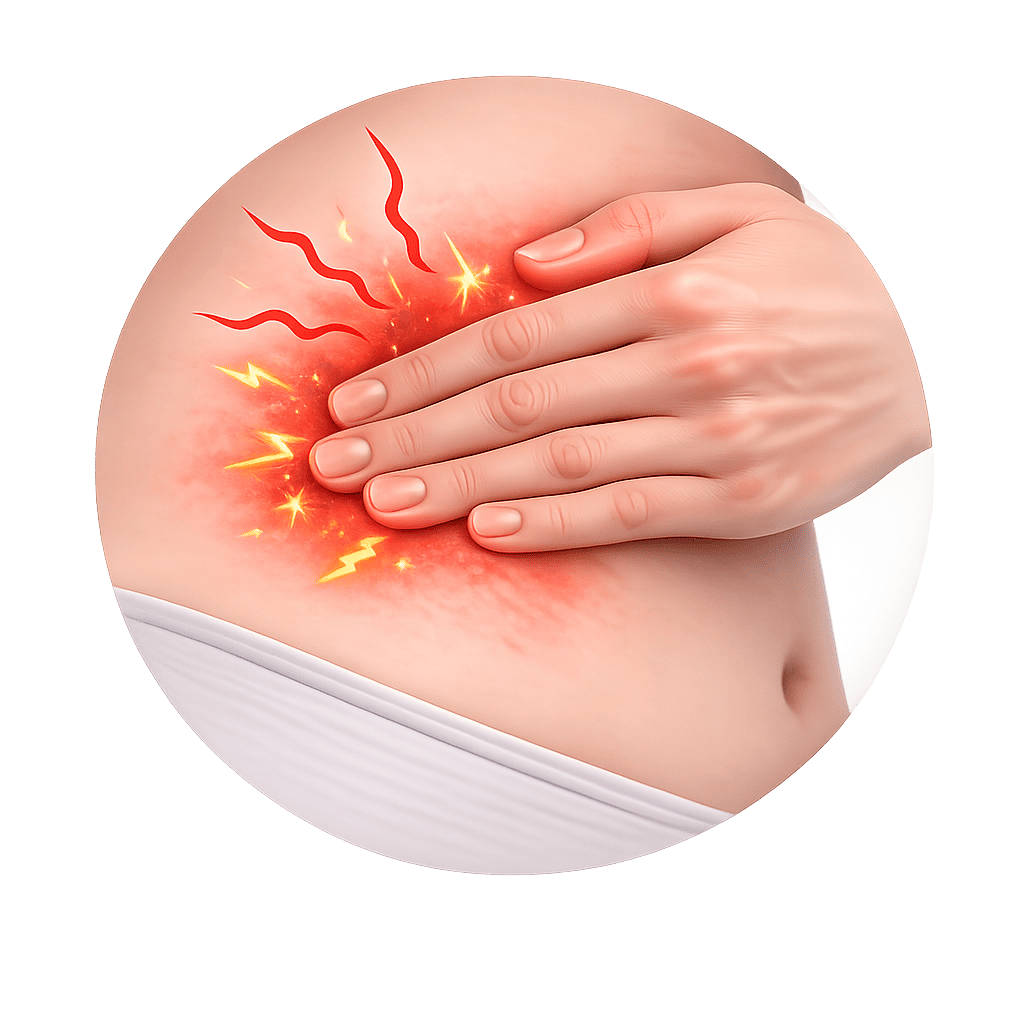
Severe pain and tenderness in the affected area
Treatment Options
Treatment depends on the size and severity of the abscess:
Incision and Drainage (I&D)
• The most common and effective treatment
• A minor procedure to drain pus and relieve pain
Medications
• Antibiotics may be prescribed if infection spreads
• Pain relief medications for comfort
Wound Care
• Regular cleaning and dressing
• Follow-up visits to ensure proper healing
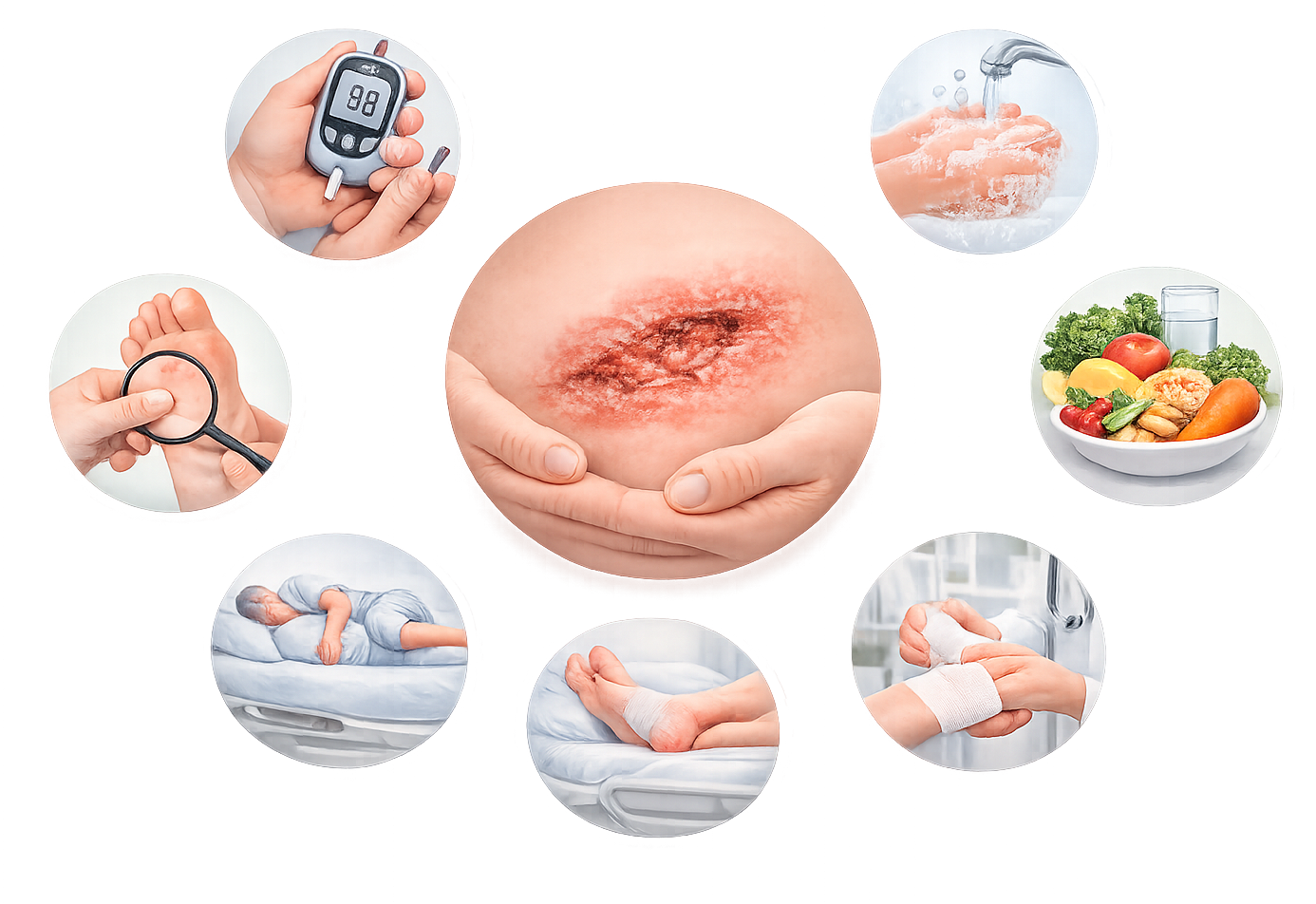
Recovery & Aftercare
- Maintain proper hygiene
- Follow all medical instructions
- Avoid pressure on the affected area
- Complete the full course of prescribed medicines
- Attend follow-up appointments
About the Author of This Information
Dr. Rajeev Kapoor is a practicing surgeon based in Mohali, Punjab. He provides clinical services in the field of gastrointestinal, colorectal, and general surgery. This website is intended for informational and educational purposes only.
Disclaimer
The information provided on this page is for general educational purposes only. It is not a substitute for professional medical advice, diagnosis, or treatment. Treatment decisions should be made after consultation with a qualified medical professional, based on individual clinical evaluation.