Colorectal Cancer Surgeon in Chandigarh

Patient Education · General Surgery

General Surgeon in Chandigarh

Comprehensive surgical care covering gallbladder, hernia, breast, colorectal, cancer, emergency and a broad range of other conditions — at Fortis Hospital, Mohali.

35+
Years Experience
18,000+
Surgeries
60+
Research Publications
300+
Conference Presentations

General Surgery Practice

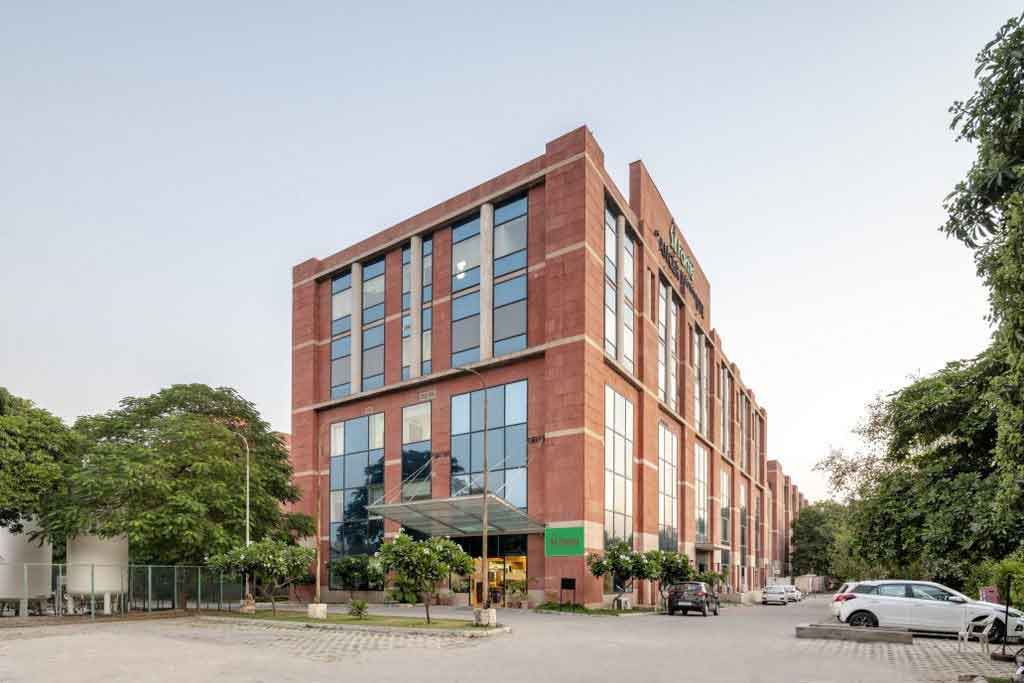
Dr. Rajeev Kapoor, MS, FRCS, is a colorectal, oncological and general surgeon with over 35 years of surgical experience. He practises at Fortis Hospital, Sector 62, Mohali.

This page provides educational information about the range of conditions and procedures that fall within general surgery — from common problems such as gallstones and gallbladder disease, hernias, and skin lumps, to more complex operations including solid organ surgery, wound management, and abdominal emergencies. Colorectal and anorectal conditions are covered as part of his specialist colorectal practice.

Most operations are performed using laparoscopic (keyhole) or robotic techniques where appropriate, with open surgery available for complex or emergency situations.

Use the navigation panel to jump to any area of interest, or scroll down to browse all conditions and procedures.
Areas of Surgical Practice

The sections below describe the main areas of general surgical practice. Each category includes a brief overview of the relevant conditions, with links to more detailed information.

Gallbladder & Bile Duct Surgery

Gallstones, laparoscopic cholecystectomy, acute cholecystitis, bile duct stones (choledocholithiasis), CBD exploration, ERCP, and obstructive jaundice management.

Gallbladder Surgery →
🩻

Hernia Surgery

Inguinal, umbilical, incisional, hiatal and para-umbilical hernias — repaired by laparoscopic TEP/TAPP or open mesh repair. Recurrent and complex hernias managed.

Dedicated page coming soon
🔬

Colorectal & Anorectal Disorders

Haemorrhoids, anal fistula, fissure, fecal incontinence, rectal prolapse, IBD, diverticular disease, colonoscopy, colon and rectal cancer.

Colorectal Surgery Hub →
🏥

Breast Surgery

Benign breast lumps, fibroadenoma excision, breast cyst aspiration and drainage, malignant tumours — lumpectomy, mastectomy — and gynaecomastia correction in males.

Dedicated page coming soon
🩹

Skin, Soft Tissue & Lymph Nodes

Lipomas, sebaceous cysts, dermoid cysts, skin lesion excision, lymph node biopsy (axillary, cervical, inguinal), and hidradenitis suppurativa (HS) surgery.

Dedicated page coming soon
⚕️

Groin & Scrotal Conditions

Hydrocele repair (hydrocelectomy), varicocele surgery (open and laparoscopic), phimosis correction (circumcision or preputioplasty), and epididymal cysts.

Dedicated page coming soon
🩺

Wounds, Ulcers & Skin Grafting

Chronic non-healing wounds, diabetic ulcers, venous ulcers, pressure sores, split-thickness skin grafts (STSG), and complex wound reconstruction including HS-related wounds.

Dedicated page coming soon
🫁

Solid Organ & Parasitic Conditions

Splenectomy for haemolytic conditions (ITP, hereditary spherocytosis, haemolytic anaemia), hydatid cyst of the liver and other organs, and related abdominal procedures.

Dedicated page coming soon
🔭

Surgical Approaches

Procedures are performed using the most appropriate technique — laparoscopic, robotic-assisted, or open surgery — tailored to each patient's condition and fitness.

Laparoscopic Surgery →
🎗

Cancer Surgery

Dr. Kapoor has specialist training in colorectal oncology; he has tried to answer all the queries related to the cancers he routinely manages, including colorectal cancer, colon cancer, rectal cancer, anal cancer, appendiceal tumours, and gastrointestinal malignancies.

Cancer Surgery Overview →
🚑

Emergency & Trauma Surgery

Surgical emergencies require prompt assessment. Acute abdominal conditions within his emergency surgical practice include appendicitis, bowel perforations, intestinal obstruction, GI bleeding, abdominal trauma and strangulated hernias — all explained here.

Emergency Surgery →

Frequently Asked Questions

Dr. Rajeev Kapoor, MS, FRCS is a practicing colorectal, oncological and general surgeon with over 35 years of surgical experience at Fortis Hospital, Sector 62, Mohali. On this page he explains in detail the common conditions he treats every day.
General surgery covers a broad range of conditions and procedures — including gallbladder surgery, hernia repair (all types), breast surgery (benign and malignant), skin and soft tissue operations, groin and scrotal surgery, colorectal and anorectal procedures, solid organ surgery (splenectomy, hydatid cyst), wound and skin graft surgery, cancer surgery, and emergency and trauma surgery. Most routine procedures are performed laparoscopically (keyhole).
Yes. Laparoscopic techniques are used for gallbladder surgery, hernia repair, appendicectomy, colorectal procedures, splenectomy, and many other operations wherever appropriate. Laparoscopic surgery typically means smaller cuts, less post-operative pain, a shorter hospital stay, and a faster return to normal activities. Robotic surgery is used for selected complex procedures.
Colorectal surgery is a specialist sub-discipline that focuses specifically on the colon, rectum and anus — covering conditions such as colorectal cancer, inflammatory bowel disease, haemorrhoids, anal fistula, and rectal prolapse. General surgery is broader, encompassing the whole abdomen and many other body regions. This surgical practice covers both — specialist colorectal care alongside full general surgery.
Hernias do not heal on their own and carry a risk of becoming trapped (incarcerated) or losing their blood supply (strangulated), which is a surgical emergency. Most hernias that cause symptoms — pain, bulge, or restriction of activity — are recommended for repair. The timing and method depend on the type of hernia and individual health factors. Please seek a surgical assessment for an individual recommendation.
Most swellings are benign — common causes include lipomas (fatty lumps), sebaceous cysts, lymph nodes, and hernias. A surgical opinion is advisable if a lump is growing, is hard or fixed to deeper tissues, is in the breast, groin, axilla or neck, is associated with skin changes or pain, or if you are uncertain about its nature. An examination and, where needed, imaging or biopsy will clarify the diagnosis and whether treatment is required.
Dietary modification can reduce symptoms in some patients, but gallstones do not dissolve on their own, and the definitive treatment for symptomatic gallstone disease is surgical removal of the gallbladder — laparoscopic cholecystectomy. Untreated gallstones can lead to acute cholecystitis, bile duct obstruction, or pancreatitis. Asymptomatic, incidentally found gallstones may sometimes be observed, but this is an individual clinical decision.
Fortis Hospital Mohali — NABH and JCI Accredited

Understanding Your Condition Is the First Step

For information about a specific surgical condition or procedure, visit the Contact page to reach Dr. Kapoor's team at Fortis Hospital, Mohali.

Contact for Further Information
Medical Disclaimer (NMC Compliant): The information on this page is provided for general educational purposes only and does not constitute medical advice, diagnosis, or treatment recommendation. Every patient's clinical situation is unique. Surgical decisions are made after individual assessment by a qualified medical team. This page does not solicit patients, make comparative claims, or guarantee any specific outcome. Please consult a qualified surgeon for personalised advice regarding your condition. Dr. Rajeev Kapoor practises at Fortis Hospital, Sector 62, Mohali — an NABH-accredited institution.

For appointments or enquiries: Contact page | drrajeevkapoor.com
Scroll to Top