Laparoscopic Surgery
(Keyhole Surgery)
Small cuts. Less pain. Faster recovery.
Dr. Rajeev Kapoor explains — in simple words — how this modern surgery works and why it may be right for you.
What is Laparoscopic Surgery?
Laparoscopic surgery is also called keyhole surgery or minimally invasive surgery.
In the old way of operating, doctors made one large cut (15–20 cm) on the abdomen to see inside and do the operation. This is called open surgery.
With laparoscopic surgery, the doctor makes 3 to 4 very small cuts — each about the size of your fingernail (0.5–1 cm). Through one of these holes, a thin tube with a tiny camera (called a laparoscope) is inserted. This camera sends a clear, magnified picture to a large screen in the operating theatre.
The surgeon then uses thin, long instruments passed through the other small holes to perform the full operation — while watching the screen.
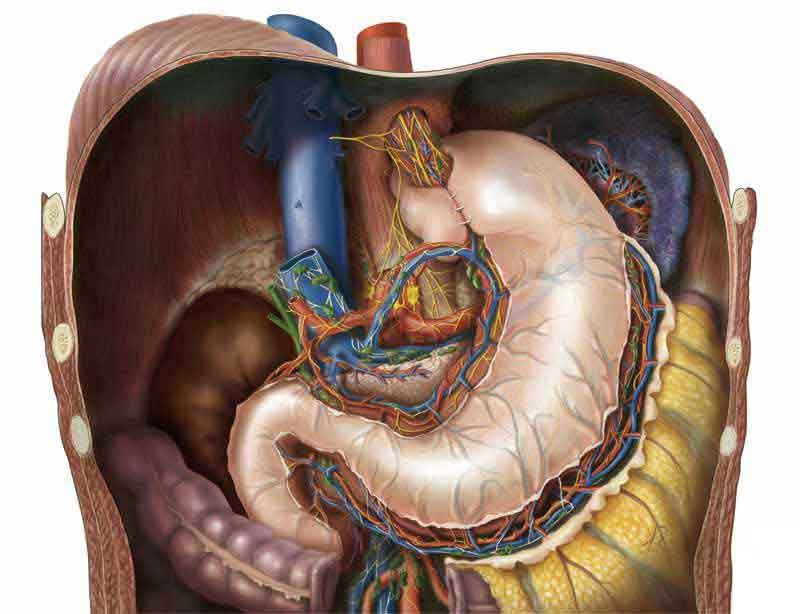
How is it Done?
Here is what happens step by step during a laparoscopic operation — explained simply.
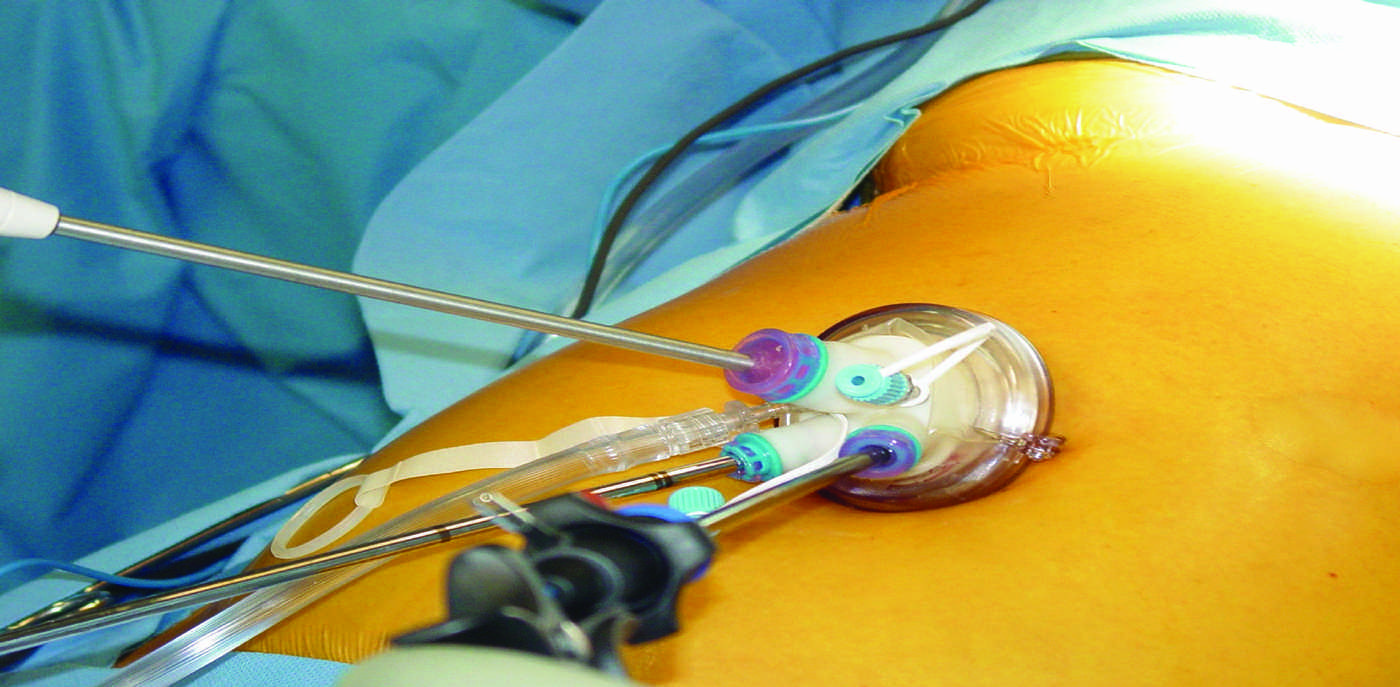
Small Cuts Are Made
You are given anaesthesia so you are fully asleep. The doctor makes 3–4 tiny cuts on your abdomen. Each cut is smaller than 1 cm.
Camera Goes In
A thin tube with a tiny camera is inserted through one cut. Your abdomen is gently inflated with gas so the surgeon has space to work and can see clearly.
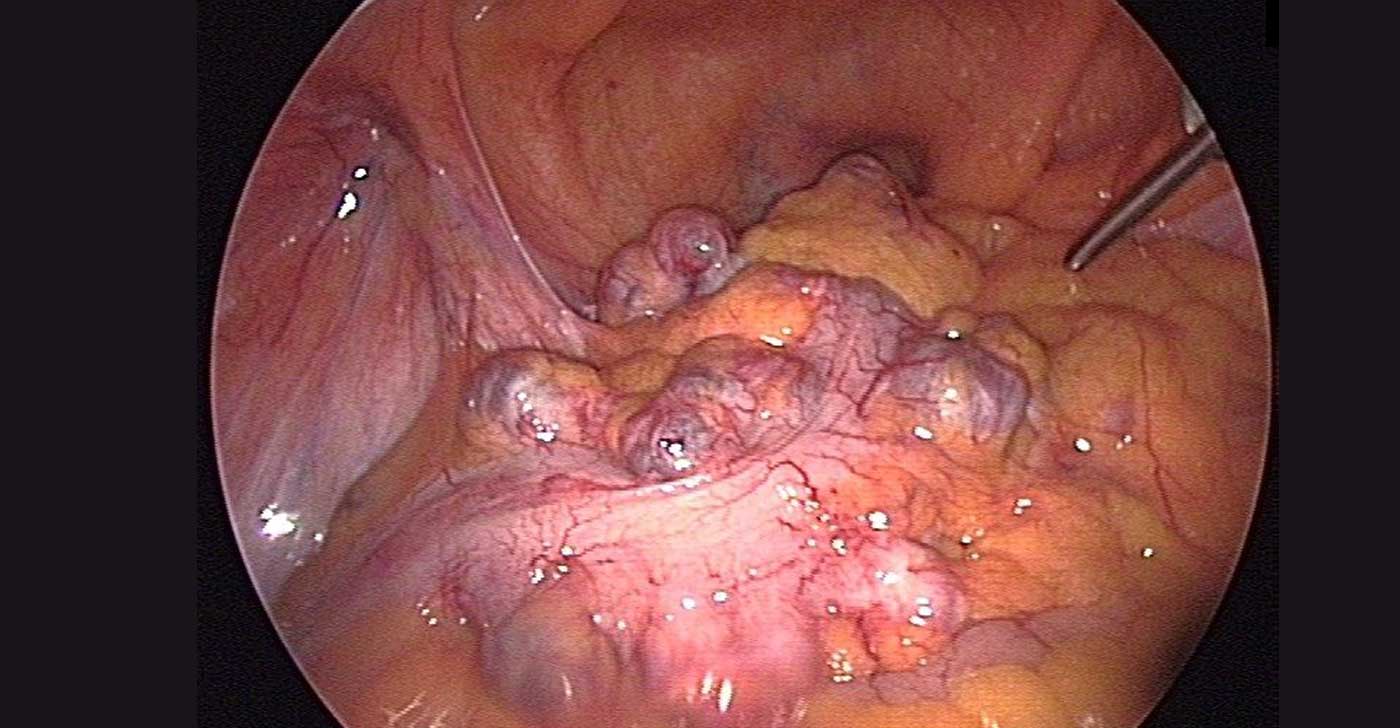
Operation is Performed
The surgeon uses thin instruments through the other cuts to operate — cutting, removing, or repairing — while watching the magnified live view on a big screen.
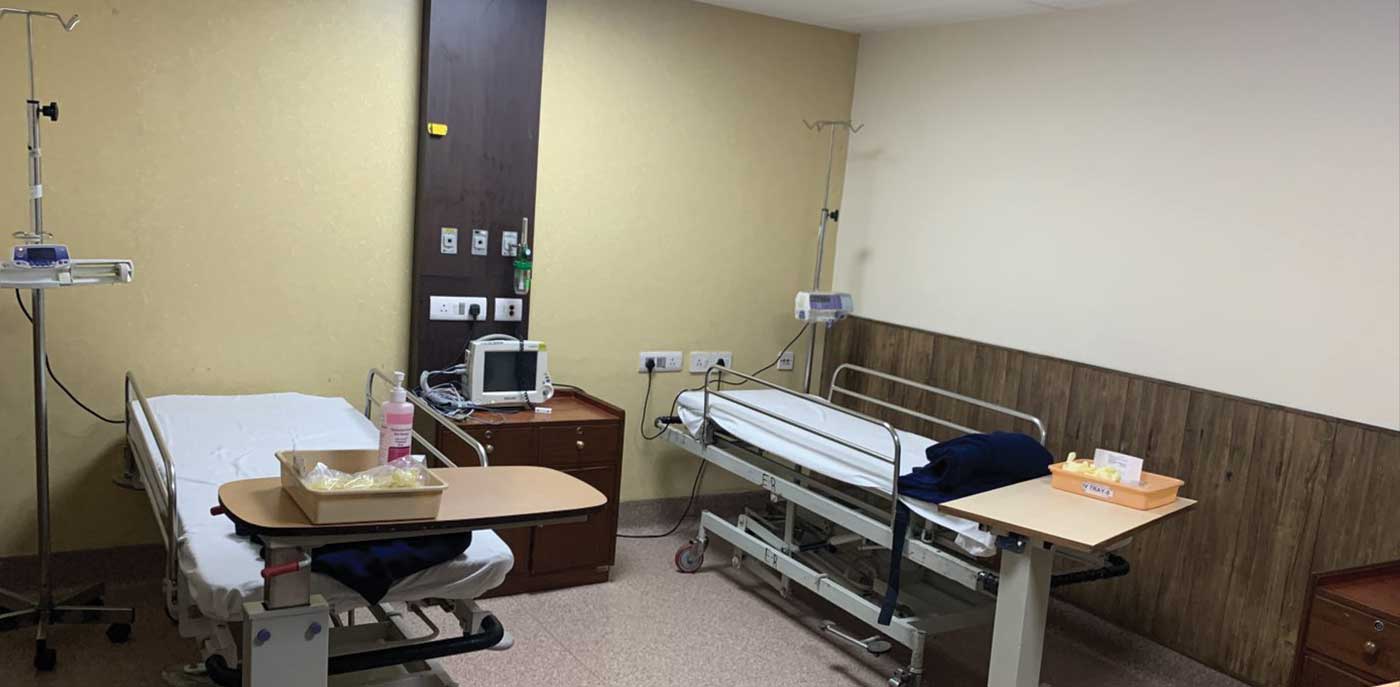
Tiny Cuts Are Closed
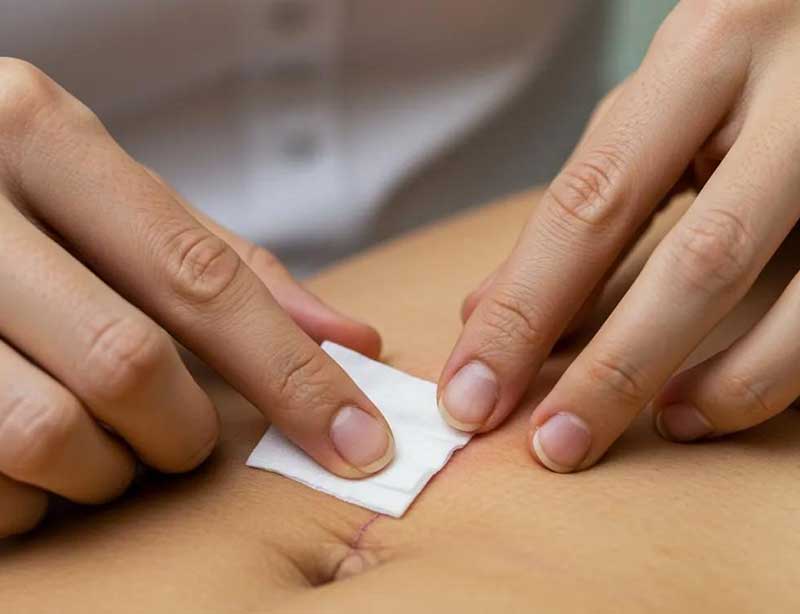
Once the operation is done, the small cuts are closed with 1–2 stitches or small clips. You wake up from anaesthesia and recovery begins.
Advantages of Laparoscopic Surgery
Compared to traditional open surgery, laparoscopic surgery offers important benefits for patients — especially for recovery at home.
Tiny Cuts — No Big Wound
Only 3–4 small holes instead of one large cut. Much less pain after the operation. Wounds heal faster.
Go Home Sooner
Many patients go home within 1–3 days. With open surgery, a stay of 7–10 days is more typical. Recovery at home is generally faster.
Less Pain, Less Medicine
Because the cuts are small, patients need far fewer painkillers after laparoscopic surgery compared to open surgery.
Much Less Blood Loss
The laparoscope gives a magnified view, so the surgeon can see blood vessels very clearly. This means less bleeding during the operation.
Lower Risk of Infection
Small wounds mean less chance of wound infection. Your body's skin barrier is disturbed much less than with a large open cut.
Back to Normal Life Quickly
Many patients are able to walk within hours after surgery. Return to normal activities is typically possible in 1–2 weeks, compared to 4–6 weeks commonly needed after open surgery.
Laparoscopic Procedures Performed
The following are among the laparoscopic procedures routinely performed — each carried out through small keyhole incisions, with no large wound on the abdomen.
Laparoscopic Colon Cancer Surgery
Keyhole removal of the affected section of the colon — including right hemicolectomy, left hemicolectomy, and total colectomy. The magnified camera view allows precise dissection around blood vessels and lymph nodes.
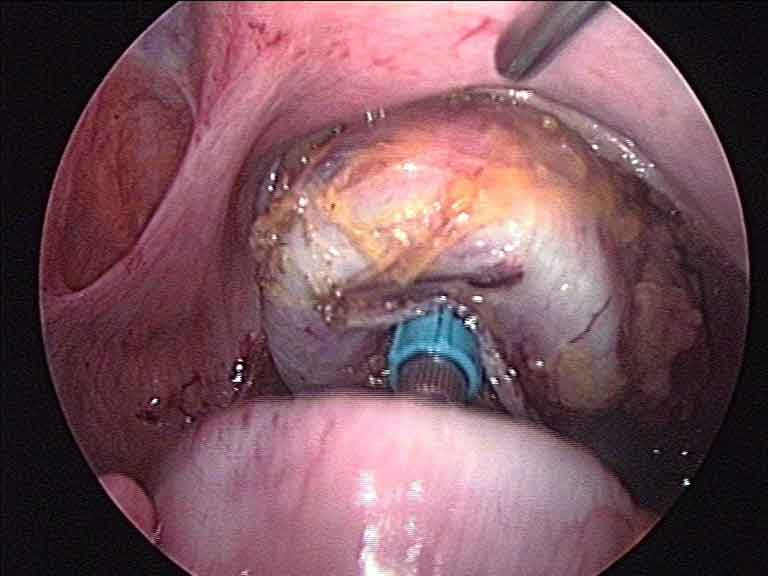
Laparoscopic Rectal Cancer Surgery
Keyhole surgery for cancer of the rectum — including anterior resection (preserving normal bowel function where possible) and abdomino-perineal resection (APR). The magnified laparoscopic view is particularly valuable in the confined space of the pelvis.
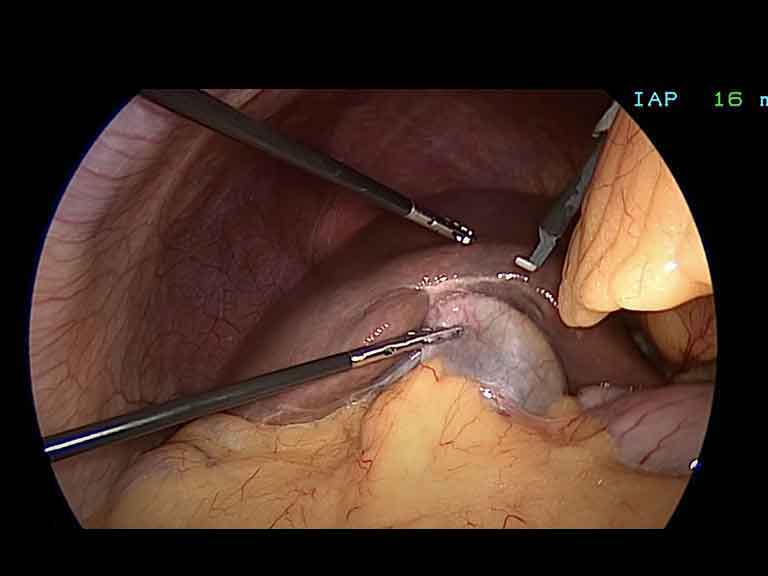
Laparoscopic Gallbladder Removal
Laparoscopic cholecystectomy — removal of the gallbladder through three small cuts. One of the most commonly performed laparoscopic operations. Most patients are discharged the same day or within 24 hours of surgery.
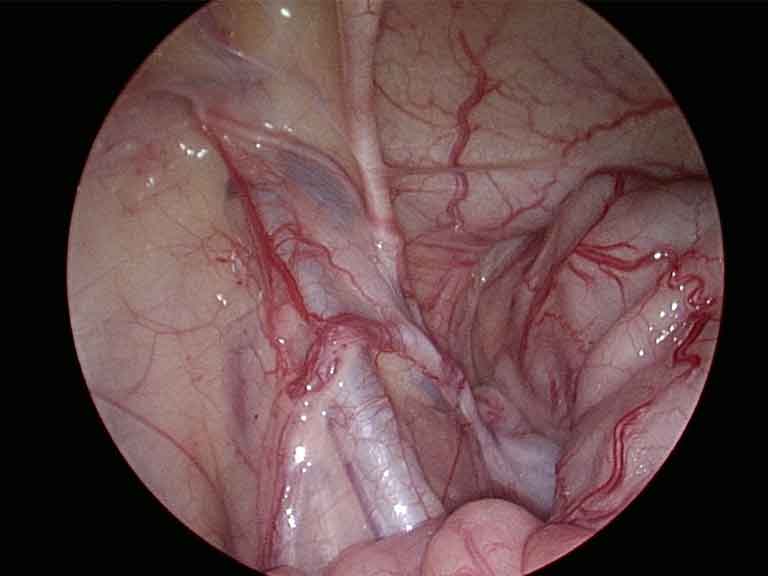
Laparoscopic Abdominal Wall Hernia Surgery
Keyhole repair of hernias in the abdominal wall — umbilical, ventral, incisional, and diaphragmatic hernias, as well as divarication of recti. A mesh is placed through small cuts to reinforce the abdominal wall without a large open wound.
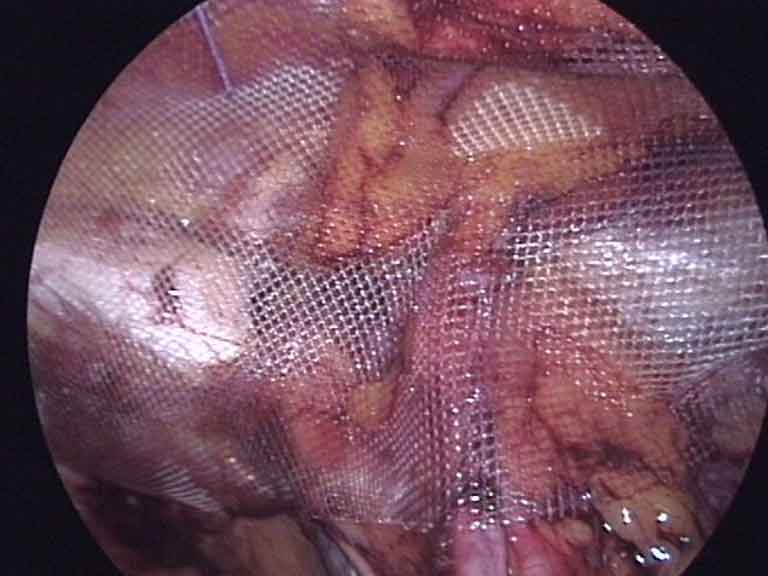
Laparoscopic Inguinal Hernia Surgery
Keyhole repair of groin hernias using the TEP (totally extra-peritoneal) or TAPP (trans-abdominal pre-peritoneal) technique. A mesh is placed laparoscopically to close the defect — with less post-operative discomfort and typically a faster return to normal activity.
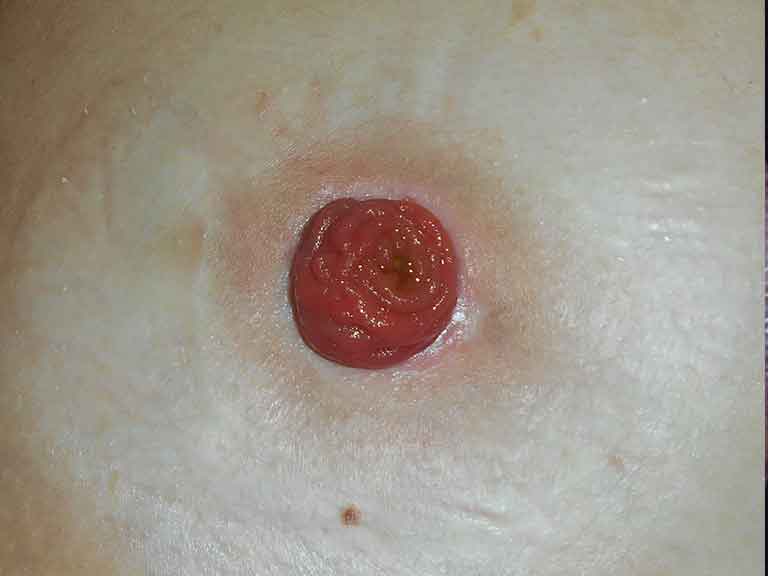
Laparoscopic Ileostomy & Colostomy Surgery
Laparoscopic formation of an ileostomy (small bowel opening) or colostomy (large bowel opening) on the abdomen — whether as a temporary diversion or a permanent stoma, as part of bowel or cancer surgery.
Full List of Laparoscopic Procedures Performed
- Laparoscopic Anterior Resection
- Laparoscopic Left Hemicolectomy
- Laparoscopic Right Hemicolectomy
- Laparoscopic Total Colectomy
- Laparoscopic Proctocolectomy
(with ileal pouch or permanent ileostomy) - Laparoscopic Abdomino-Perineal Resection (APR)
- Laparoscopic Lymph Node Biopsies
- Laparoscopic Pelvic Lymph Node Dissection
- Laparoscopic Ileostomy
- Laparoscopic Colostomy
- Diagnostic Laparoscopy
- Groin Hernia Repair — TEP
- Groin Hernia Repair — TAPP
- Umbilical Hernia Repair
- Ventral Hernia Repair
- Incisional Hernia Repair
- Repair of Divarication of Recti
- Diaphragmatic Hernia Repair
- Laparoscopic Cholecystectomy
(Gallbladder Removal) - Laparoscopic Splenectomy
- Laparoscopic Hydatid Cyst Surgery
Laparoscopic vs Open Surgery — A Simple Comparison
Not sure what the difference is? Here is a simple side-by-side comparison to help you understand.
| What We Are Comparing | 🔵 Laparoscopic Surgery (Keyhole) |
⚪ Open Surgery (Traditional) |
|---|---|---|
| Size of cut on abdomen | 3–4 tiny holes (0.5–1 cm each) | One large cut (15–20 cm) |
| Pain after surgery | Much less pain | More pain, more medicines needed |
| Blood loss during operation | Very little | More blood loss |
| Hospital stay | 1–5 days (depending on operation) | 5–10 days |
| Risk of wound infection | ↓ Lower | ↑ Higher |
| Scarring | Tiny scars — fades with time | Long scar visible on abdomen |
| Return to normal activities | 1–2 weeks | 4–6 weeks |
| Cancer removal effectiveness | Same as open surgery* | Same as laparoscopic* |
* For suitable cancer cases — your surgeon will advise whether laparoscopic surgery is appropriate for your individual condition.
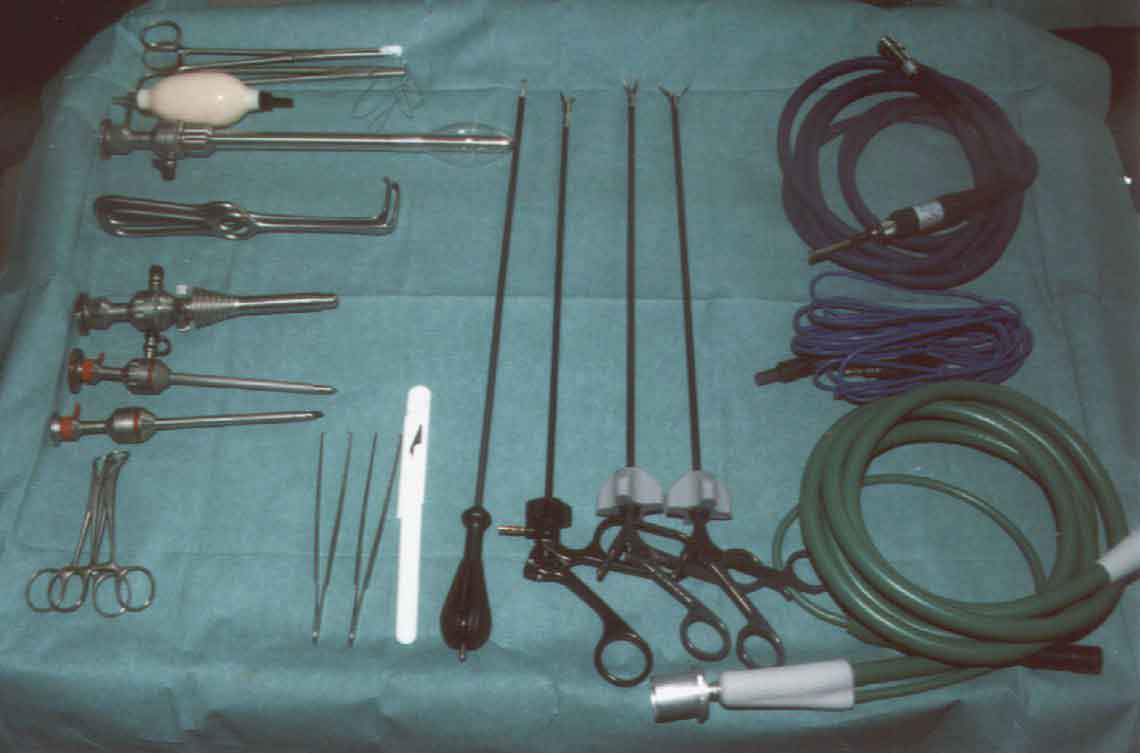
Laparoscopic instruments — thin, precise, designed for small-hole surgery
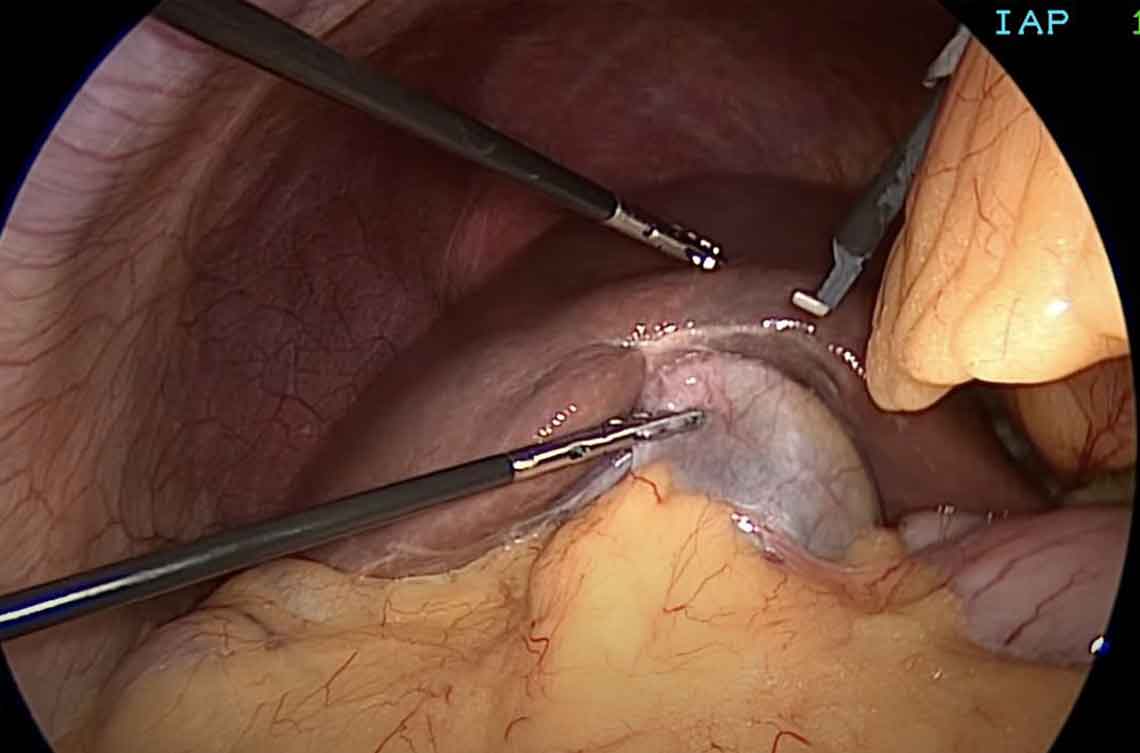
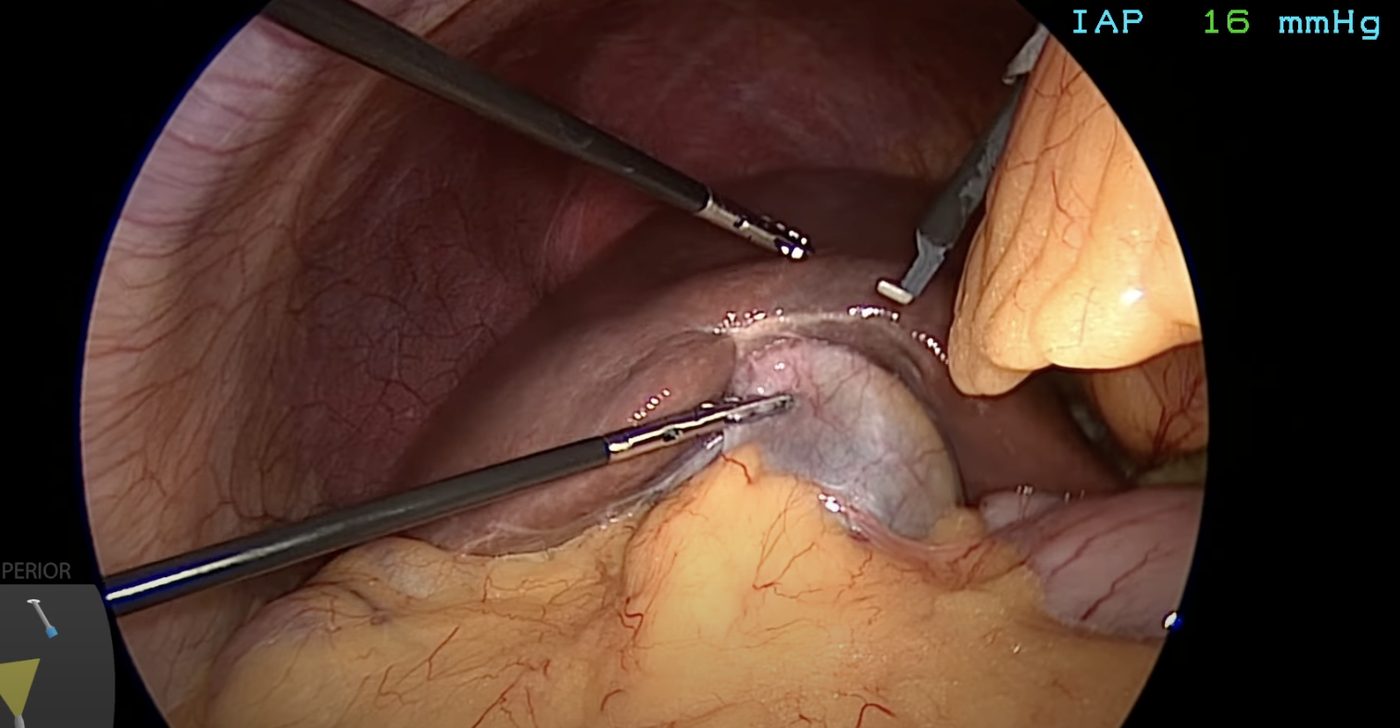
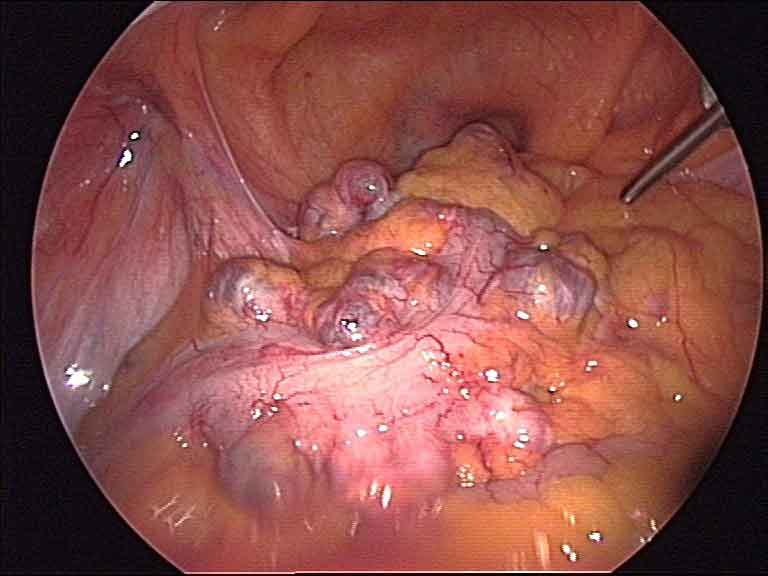
Inside view during laparoscopic gallbladder surgery
What Facilities Does Laparoscopic Surgery Require?
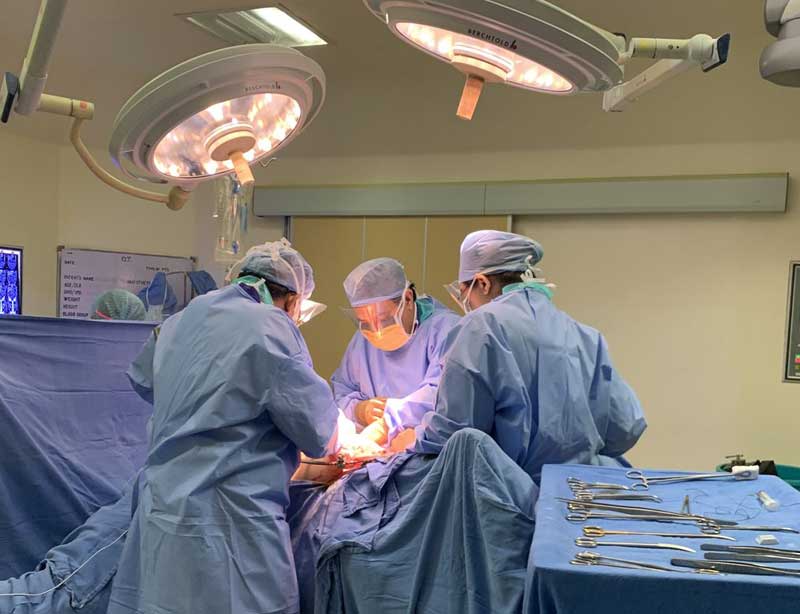
Laparoscopic surgery requires a specially equipped operating theatre with a trained multidisciplinary surgical team, high-definition camera systems, a full set of precision laparoscopic instruments, and dedicated post-operative monitoring facilities.
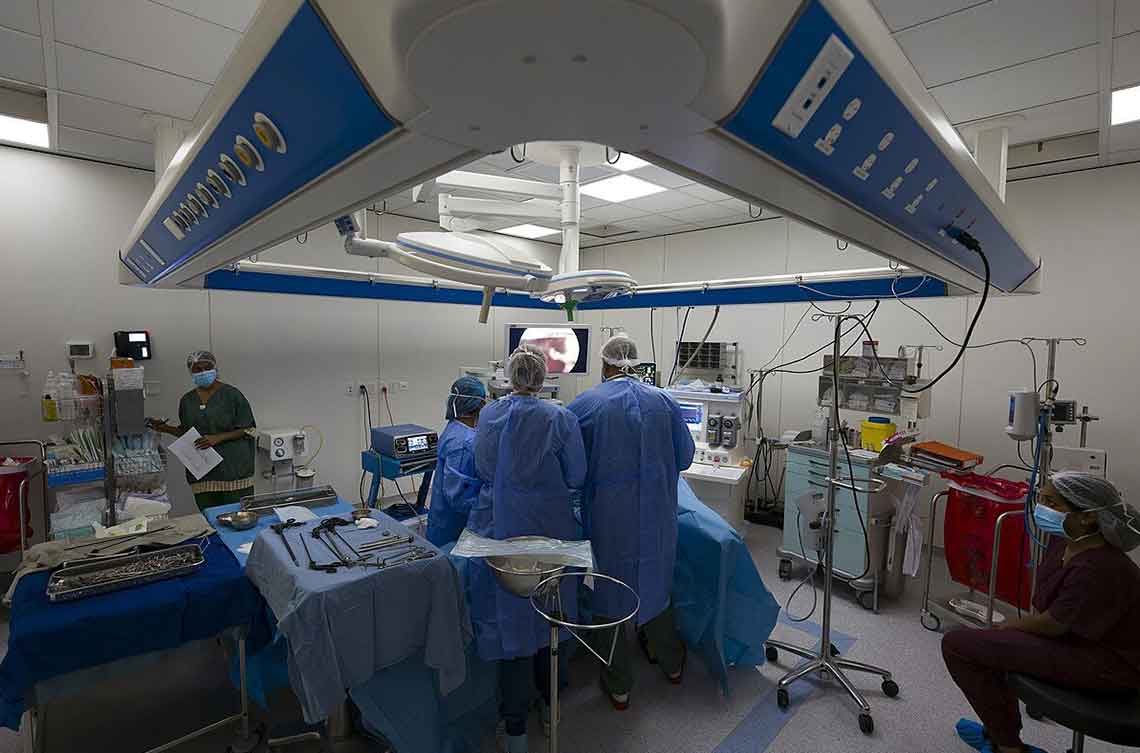
A trained surgical team in a fully equipped laparoscopic operating theatre
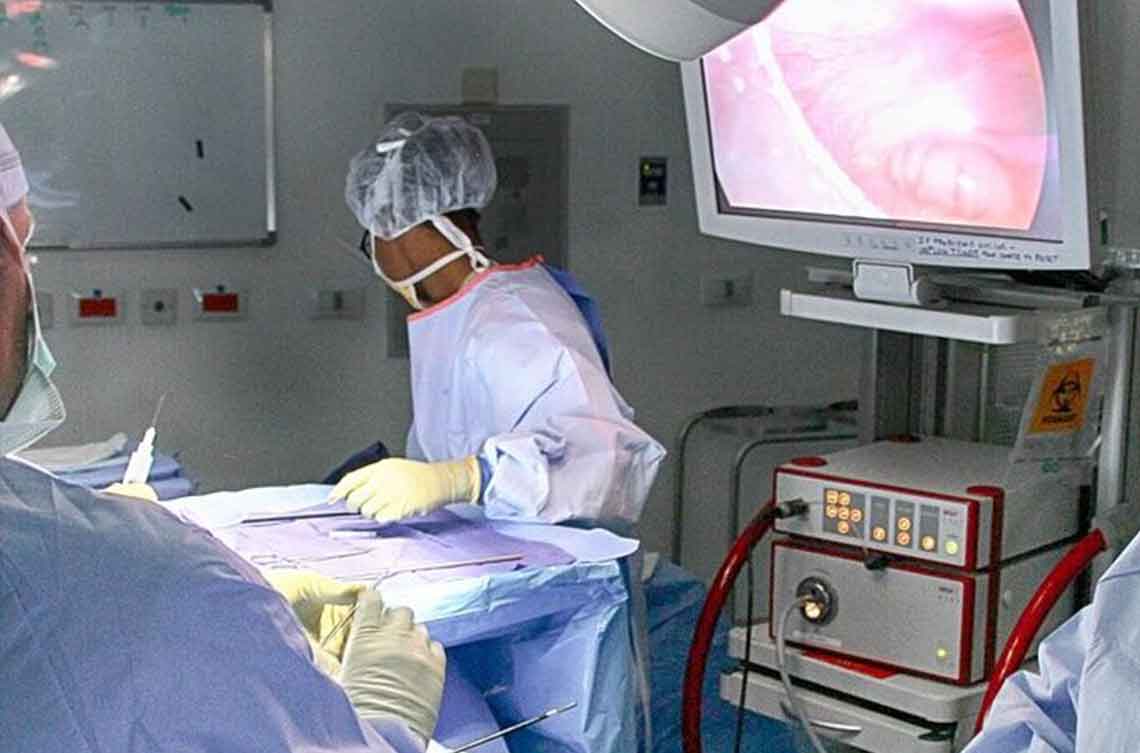
The surgeon operates guided entirely by this magnified, high-definition camera view

Dr. Rajeev Kapoor
Additional Director — Oncology & Colorectal Surgery, General & Emergency SurgeryFortis Hospital, Sector 62, Mohali
Dr. Rajeev Kapoor is a senior colorectal and cancer surgeon with over 35 years of surgical experience. He trained in laparoscopic colorectal surgery in Australia and has been performing keyhole surgery for colorectal conditions, cancer, and general abdominal operations for many years.
He has performed over 18,000 surgical procedures and has 60+ published research papers. He regularly teaches and presents at national and international surgical conferences.
His focus is always on choosing the right operation for each patient — including the least invasive approach that gives the best result.
Frequently Asked Questions
These are the questions patients most commonly ask about laparoscopic surgery. If you have more questions, please speak with your doctor.
Further information: drrajeevkapoor.com