Cholecystitis Surgery Chandigarh

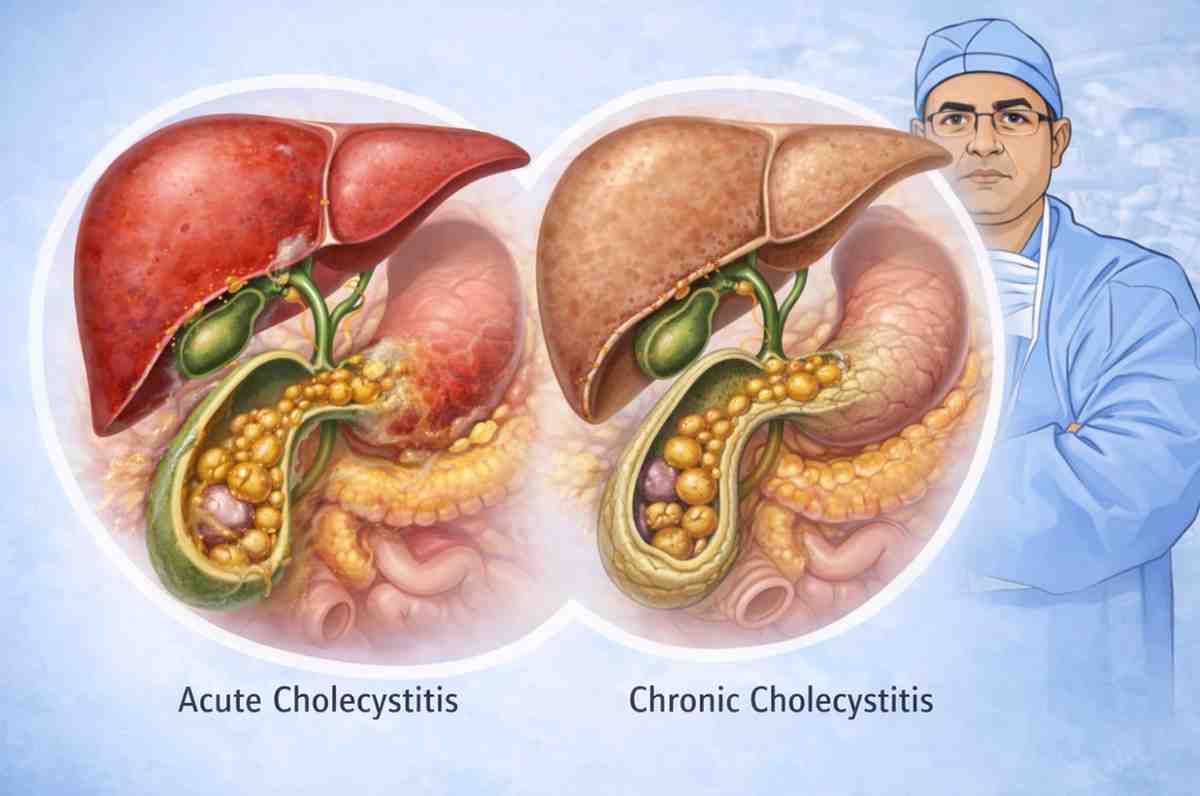
Cholecystitis is a condition characterized by inflammation of the gallbladder, most commonly due to blockage of the cystic duct by gallstones. Management depends on the severity of inflammation, presence of infection, associated complications, and the patient’s overall health status. Surgery is commonly included as part of the treatment plan when indicated.
This page provides general information about cholecystitis and the surgical management options available in Mohali and Chandigarh region.

Understanding Cholecystitis

The gallbladder is a small pear-shaped organ located beneath the liver. It stores bile, a digestive fluid that helps in the digestion of fats.
Cholecystitis most commonly occurs when a gallstone blocks the cystic duct, causing bile to accumulate. This blockage leads to inflammation and may sometimes result in infection.

Acute Cholecystitis

Sudden onset of inflammation, usually associated with severe pain and requiring prompt medical evaluation.

Chronic Cholecystitis

Repeated episodes of mild inflammation leading to thickened gallbladder walls over time.

Causes and Risk Factors

Causes and Risk Factors
  • Gallstones (most common cause)
  • Blockage of the bile duct
  • Infection
  • Severe systemic illness
  • Rarely, tumors
Risk Factors
  • Female gender
  • Age over 40 years
  • Obesity
  • Rapid weight loss
  • High-fat diet
  • Diabetes
  • Pregnancy
  • Family history of gallstones

Common Symptoms

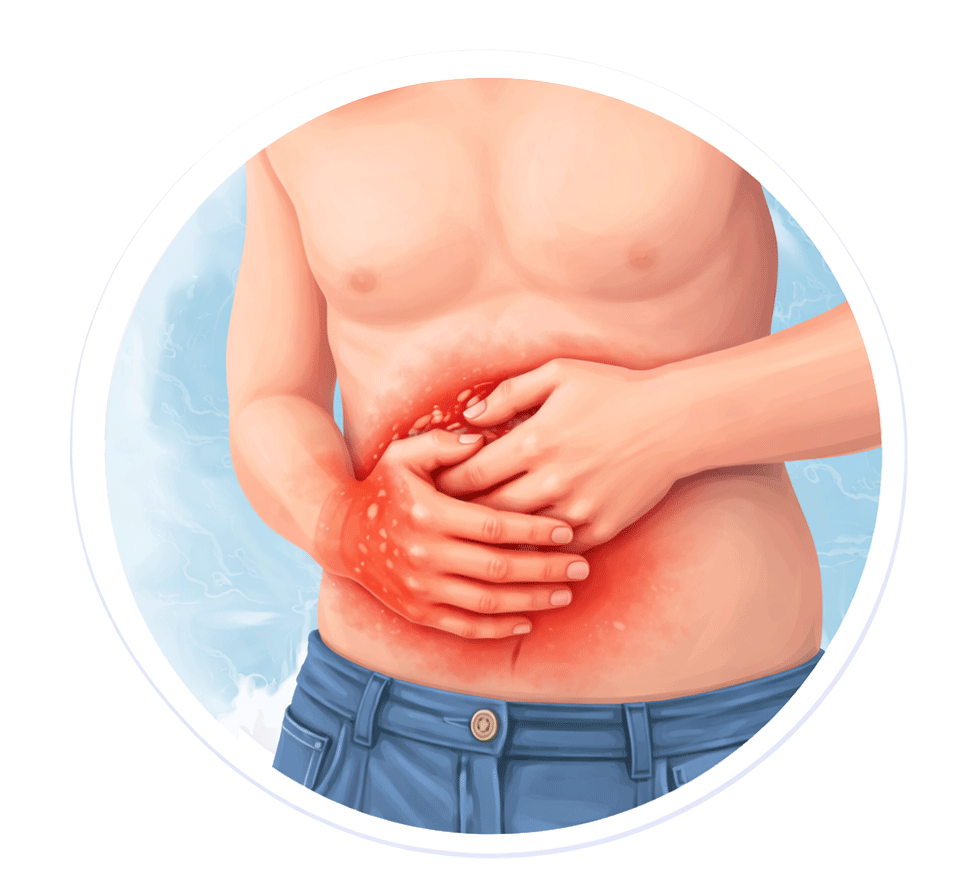
Severe pain in the upper right abdomen

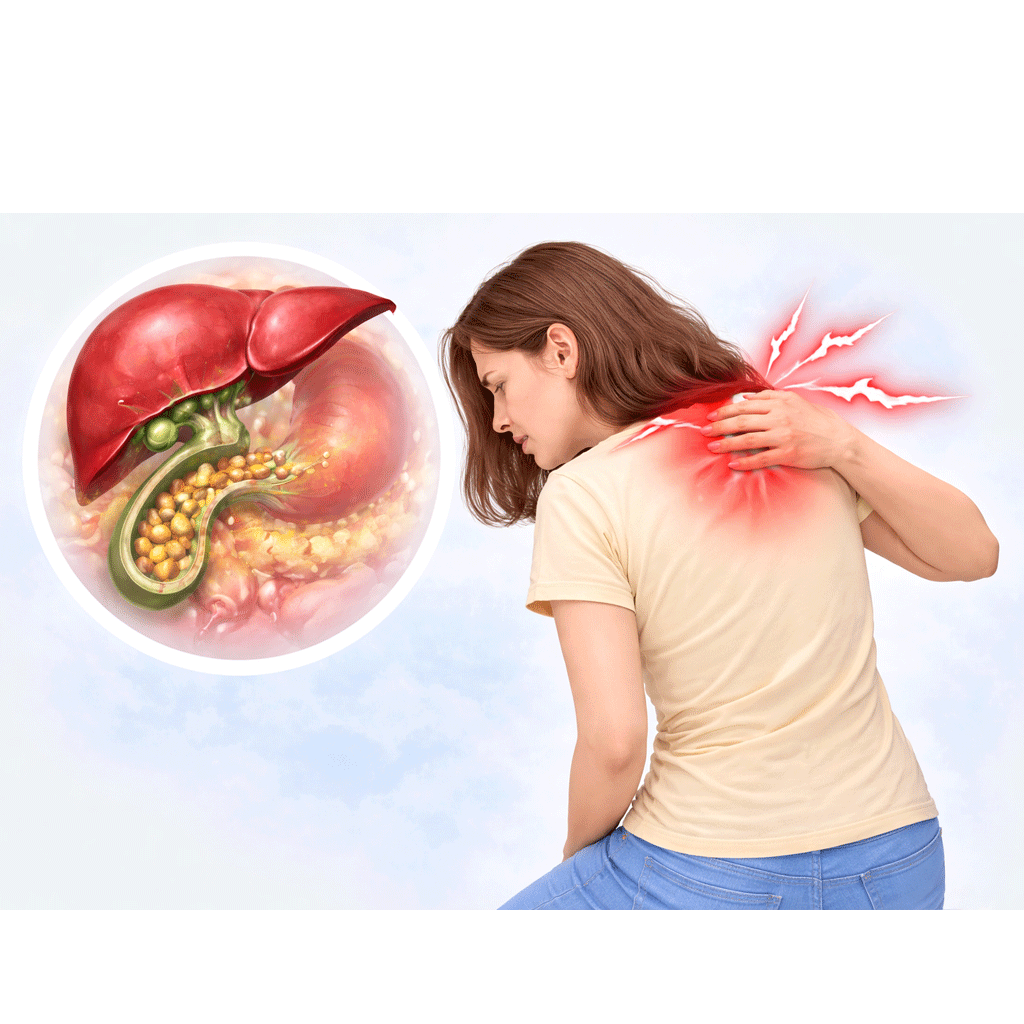
Pain radiating to the right shoulder or back

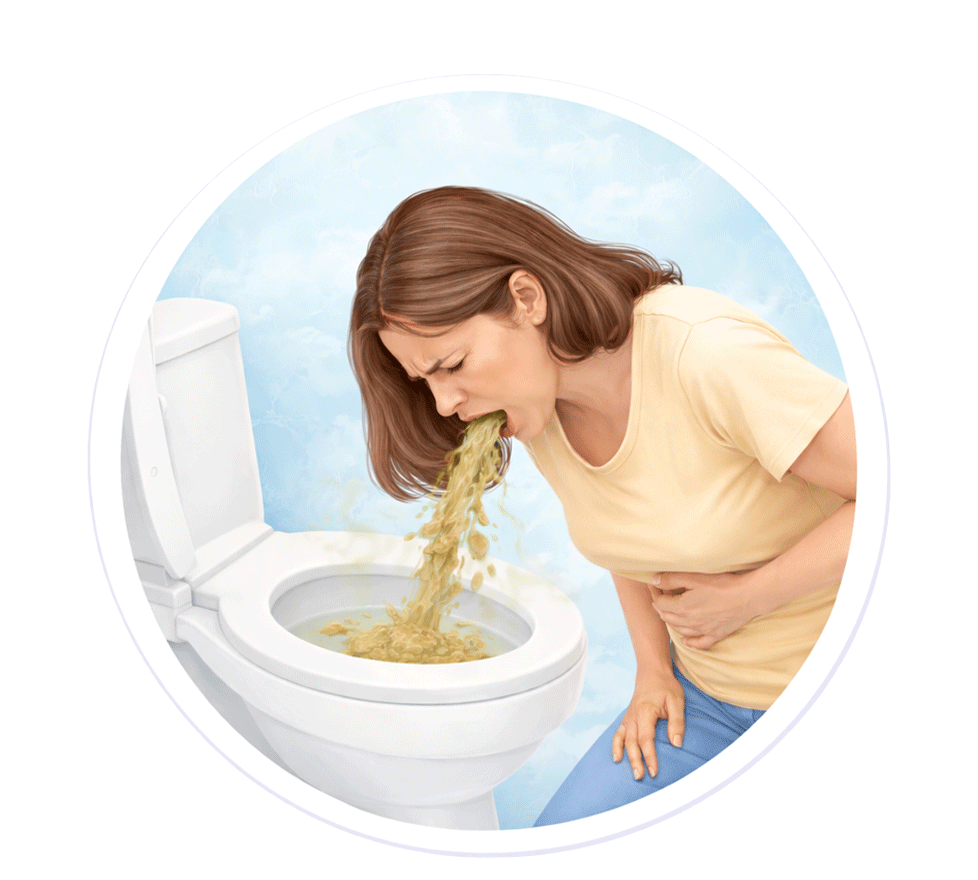
Nausea and vomiting

Fever

Seek immediate medical attention if severe abdominal pain persists, especially when associated with fever or vomiting.

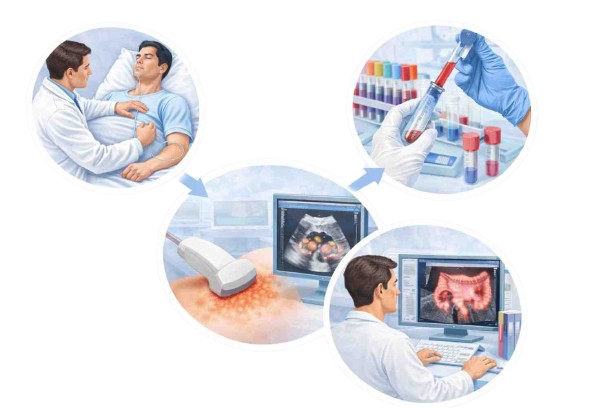
Diagnosis of Cholecystitis

Diagnosis involves clinical evaluation and investigations such as:
  • Physical examination
  • Blood tests
  • Ultrasound abdomen
  • CT scan (if required)
  • Liver function tests
These investigations help confirm inflammation and identify gallstones or complications.

Role of Surgery in Cholecystitis

Surgery is a standard treatment option in many cases of acute or recurrent cholecystitis. The goal is to remove the inflamed gallbladder and prevent further complications.
The type and timing of surgery depend on individual clinical findings and overall health status.

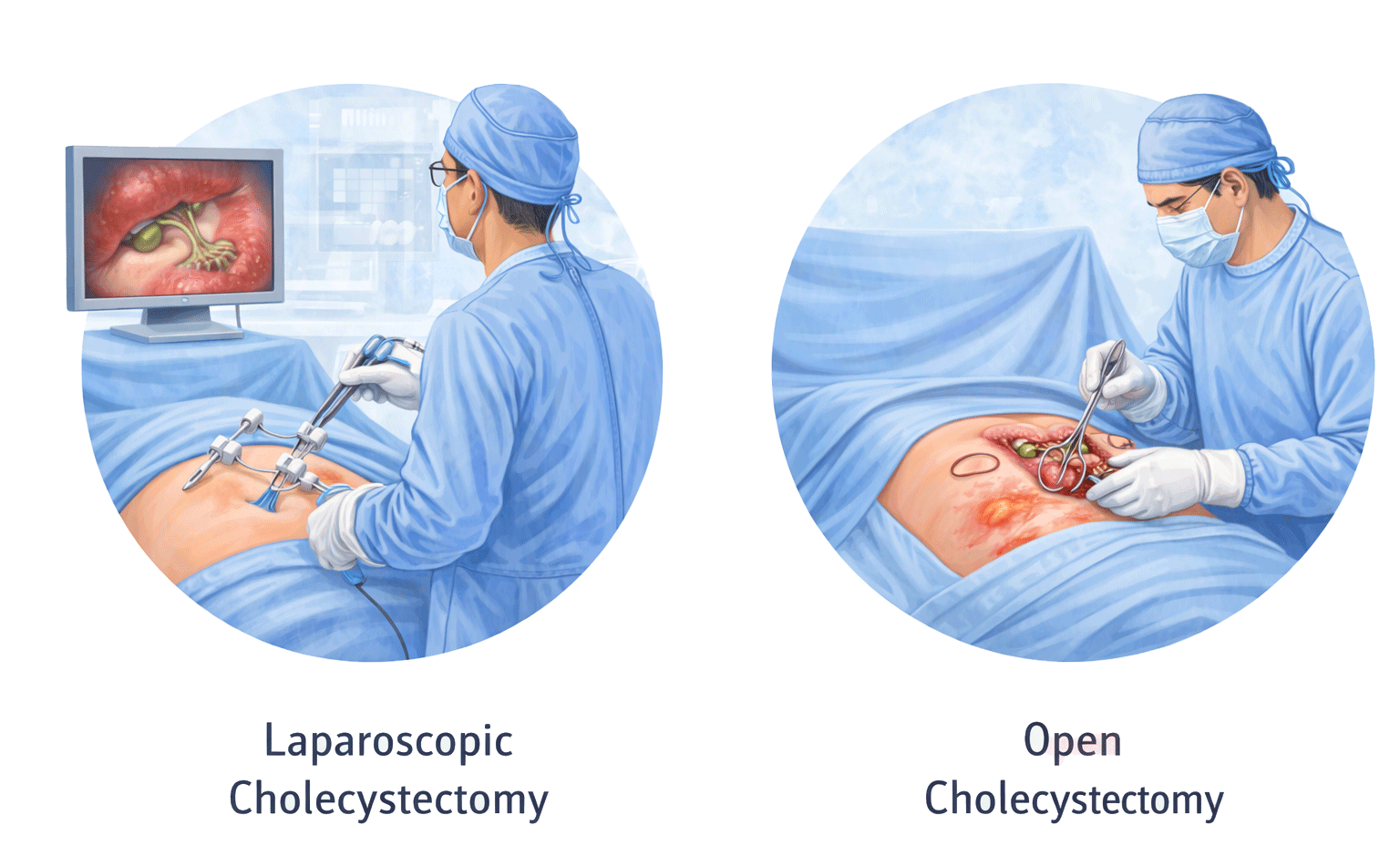
Types of Gallbladder Surgery

Laparoscopic Cholecystectomy
A minimally invasive procedure performed through small incisions using a camera and specialized instruments. This is the most commonly performed technique when appropriate.
Laparoscopic Cholecystectomy
A conventional surgical approach used in selected cases, such as severe inflammation or complications.
Surgical decisions are made after detailed clinical evaluation by a qualified surgeon.

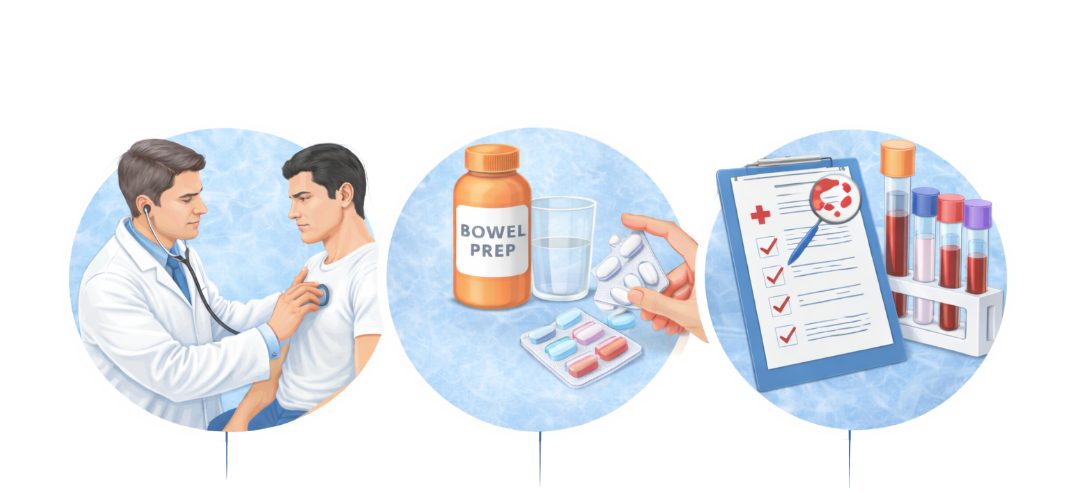
Pre-operative Assessment

Before surgery, patients generally undergo:
  • Detailed clinical evaluation
  • Anesthesia fitness assessment
  • Relevant laboratory tests
  • Imaging investigations

Post-operative Care and Follow-Up

Post-surgical care typically includes:
  • Hospital monitoring during recovery
  • Pain management
  • Gradual reintroduction of diet
  • Early mobilization
  • Scheduled follow-up consultations
Most patients recover well after gallbladder removal and can resume normal activities gradually as advised by their healthcare provider.

About the Author of This Information

Dr. Rajeev Kapoor is a practicing surgeon based in Mohali, Punjab. He provides clinical services in the field of gastrointestinal, colorectal, and general surgery. This website is intended for informational and educational purposes only.

Disclaimer

The information provided on this page is for general educational purposes only. It is not a substitute for professional medical advice, diagnosis, or treatment. Treatment decisions should be made after consultation with a qualified medical professional, based on individual clinical evaluation.

Scroll to Top
Call Now Button